












I. Product Performance and Advantages of Automated Parts Processing
High precision:
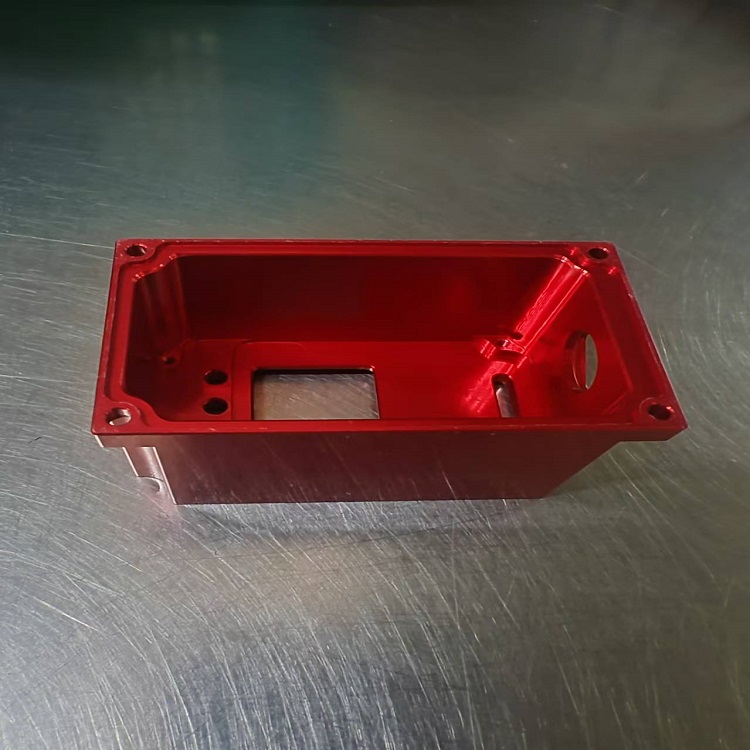
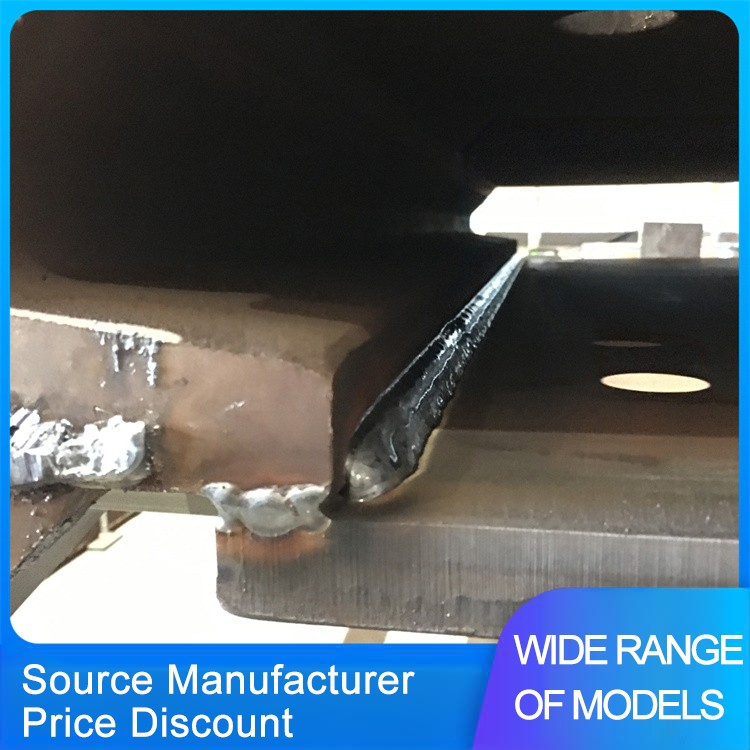
Automated parts processing utilizes advanced CNC machine tools, laser cutting machines, and other high-precision equipment, enabling micron-level and even nanometer-level processing accuracy.
These equipment are equipped with high-precision sensors and control systems, capable of real-time error monitoring and compensation during the processing to ensure the stability of processing quality.
High efficiency:
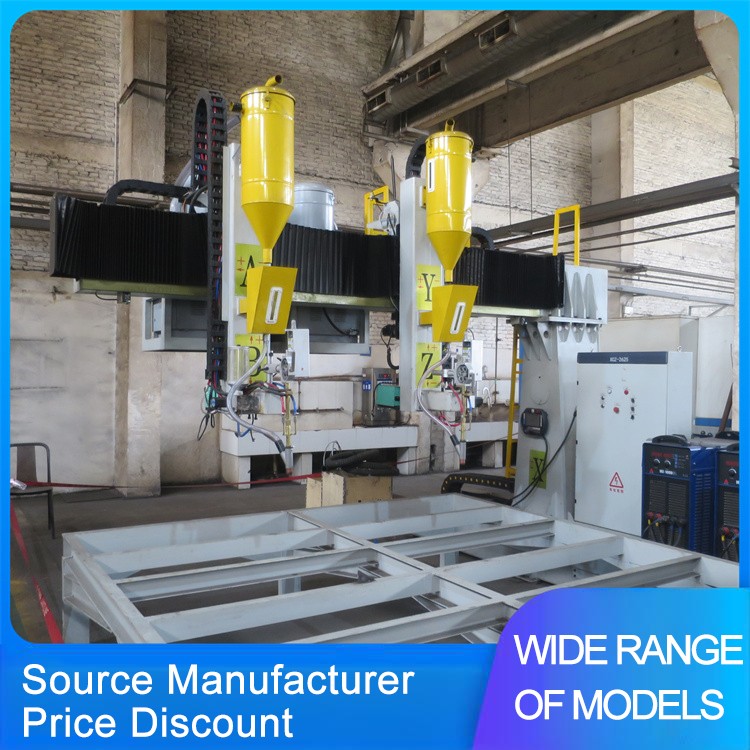
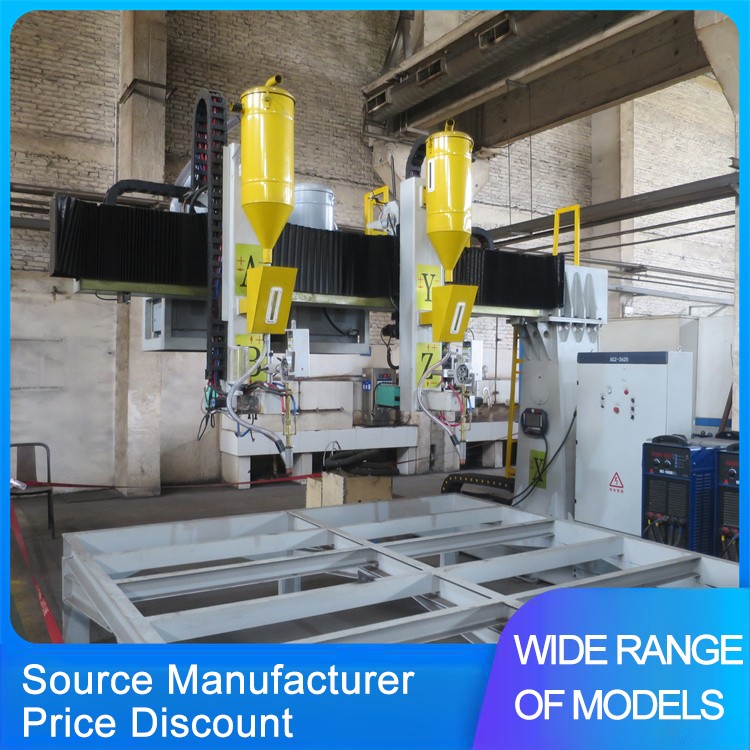
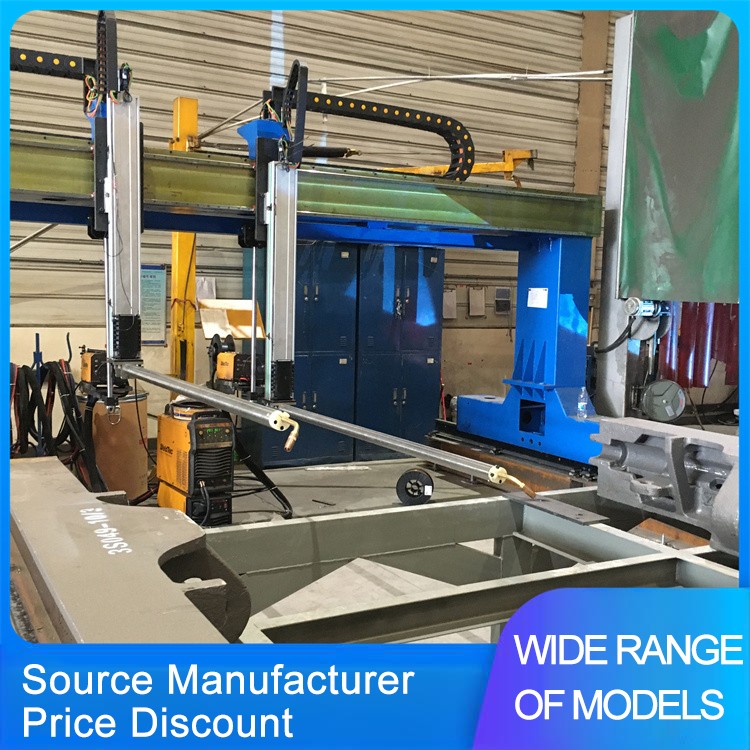
Automated processing, controlled by programming, ensures a continuous and automated production process, significantly enhancing efficiency.
Compared to traditional manual processing methods, automated processing can reduce time-consuming and labor-intensive tasks while enhancing consistency and reproducibility in manufacturing.
Automation processing can also achieve parallel multi-tasking, allowing a single machine to process multiple parts simultaneously, further enhancing overall production capacity.
High flexibility:
The automated machining system can quickly adapt to the production needs of different products by changing tooling fixtures and adjusting processing parameters according to the specific requirements of various parts.
This flexibility reduces the cost and time of changing lines, enhancing the company's market competitiveness.
Reduce Costs:
Automated production can reduce labor costs, enhance production efficiency, and lower the rates of defective products and rework.
Customized designs can reduce unnecessary material waste, further lowering costs.
High security:
Automated processing technology can prevent injuries and safety hazards caused by human operation, enhancing workplace safety.
Part Two: Applications of Automated Parts Machining
Manufacturing:
Automated parts processing is one of the core links in the manufacturing industry, widely used in automotive manufacturing, machinery manufacturing, and other fields.
Through automation technology, high-precision and efficient part production can be achieved, enhancing product quality and production efficiency.
Aerospace:
Aerospace industry's demand for precision and reliability in parts.
Automated parts processing can meet these special requirements and plays a crucial role in the manufacturing of aircraft engine components and other precision structural parts.
Electronics:
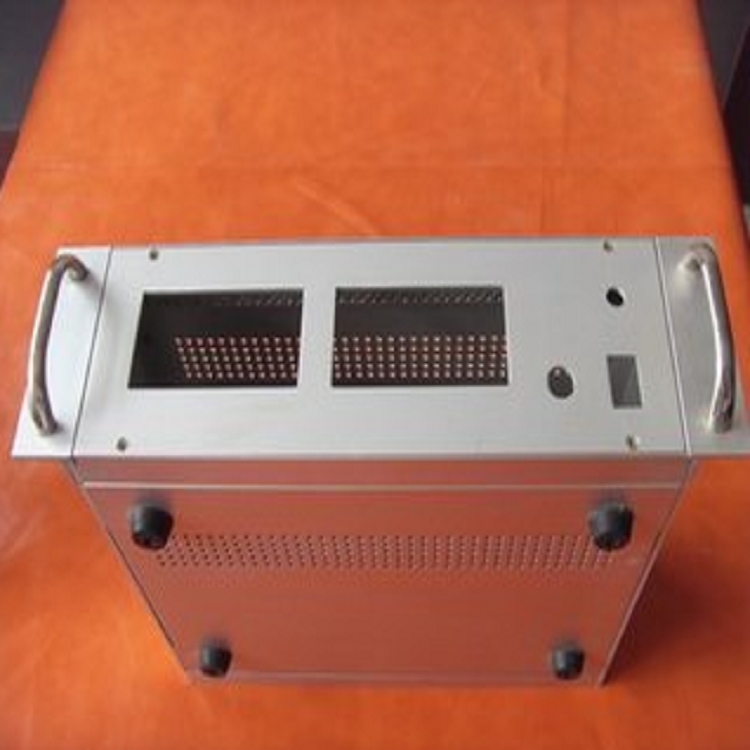
Micro components in electronic products and the complex structural design of communication equipment rely on efficient automated part processing techniques to achieve precise production and assembly processes.
Renewable Energy:
In the development of renewable energy sources such as solar and wind power, numerous complex mechanical equipment design, manufacturing, and maintenance issues are involved.
Advanced automated parts processing technology can meet these specific needs and challenges.
Construction and Design Services:
In the construction and design service market, preliminary production of large-scale architectural models, the design and manufacturing of smart furniture, and other applications may utilize highly flexible automation equipment to handle intricate details on various material surfaces and structures, thereby enhancing product value and market competitiveness.