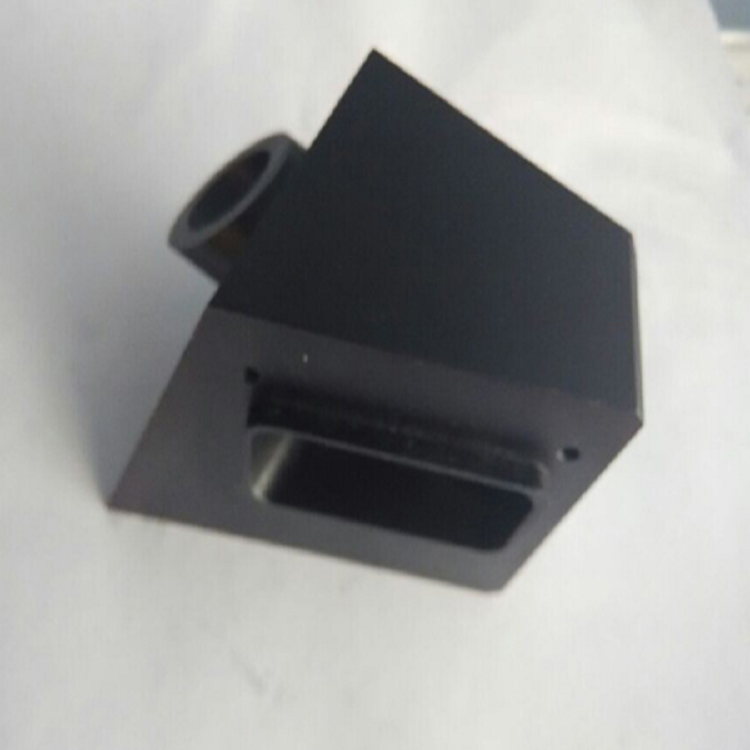












Section 1: Performance of Aluminum Machining Products
Low densityAluminum has a density of approximately 2.7 g/cm³, which is only one-third that of iron or copper. This makes aluminum parts lighter in the same volume, easier to transport and install.
High strengthAlthough pure aluminum has low strength, its strength can be significantly enhanced through cold working or heat treatment in aluminum alloys, meeting the requirements of various high-strength applications.
Corrosion-resistantAluminum, under natural conditions or after anodizing treatment, forms a protective oxide layer on its surface, which boasts excellent corrosion resistance and can withstand the侵蚀 of various corrosive media.
Good electrical and thermal conductivityAluminum boasts excellent conductivity and thermal conductivity, second only to silver, copper, and gold. This makes aluminum components widely used in the electronics and heat dissipation fields.
Easy to processAluminum possesses excellent ductility and malleability, allowing it to be processed into various shapes and sizes through methods such as extrusion, stretching, and rolling.
Section 2: Advantages of Aluminum Machining Products
LightweightAluminum components are lightweight, significantly reducing the overall weight of products, enhancing transportation efficiency, and lowering energy consumption.
Excellent corrosion resistanceThe oxide film formed on the surface of aluminum parts boasts excellent corrosion resistance, extending the product's lifespan.
Low processing costsAluminum materials have excellent machinability, easily processed into various complex shapes, with minimal loss during the manufacturing process, thereby reducing production costs.
High aesthetic valueAfter anodizing and painting, aluminum components can display a wide variety of colors and textures, enhancing the aesthetic appeal of the product.
Environmental Protection & Energy SavingAluminum materials are recyclable and reusable, meet environmental protection requirements, and have low energy consumption during production and use, which is beneficial for energy saving and emission reduction.
Section 3: Applications of Aluminum Machining Products
Aviation IndustryAluminum is a commonly used material for aerospace components, widely applied in aircraft fuselages, landing gears, engine casings, and other parts. It significantly reduces the weight of aircraft, enhancing flight speed and fuel efficiency.
Automotive IndustryProcessed aluminum parts meet the automotive industry's requirements for material strength and toughness, while reducing the vehicle's weight, enhancing fuel efficiency and handling performance. They are widely used in lightweight vehicles for critical components such as engines, bodies, and chassis.
Construction FieldAluminum materials feature corrosion resistance, lightweight nature, and ease of processing, meeting the diverse demands of construction materials. Machined aluminum parts are widely used in architectural facades, canopies, doors, and windows, catering to the needs for lightweight and aesthetic buildings.
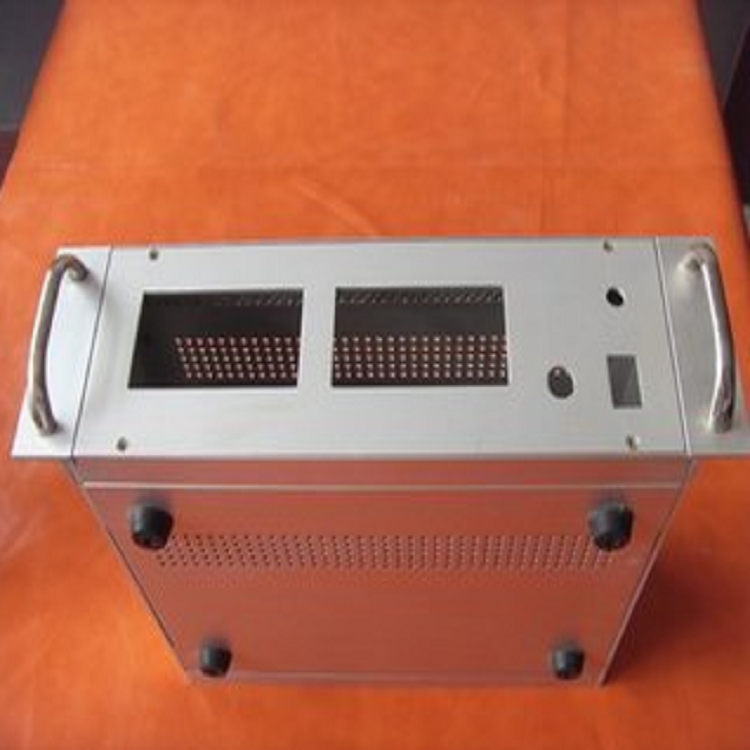
Electronics SectorAluminum materials offer excellent electrical and thermal conductivity, as well as electromagnetic interference resistance. Machined aluminum parts are suitable for use in electronic products for heat dissipation, casings, frames, and other components, enhancing both performance and lifespan.
Packaging IndustryAluminum boasts excellent sealing, light-blocking, and barrier properties, which can protect the quality of packaged goods and extend their shelf life. Consequently, aluminum cans, foil, and other aluminum products are widely used in the packaging industry.