




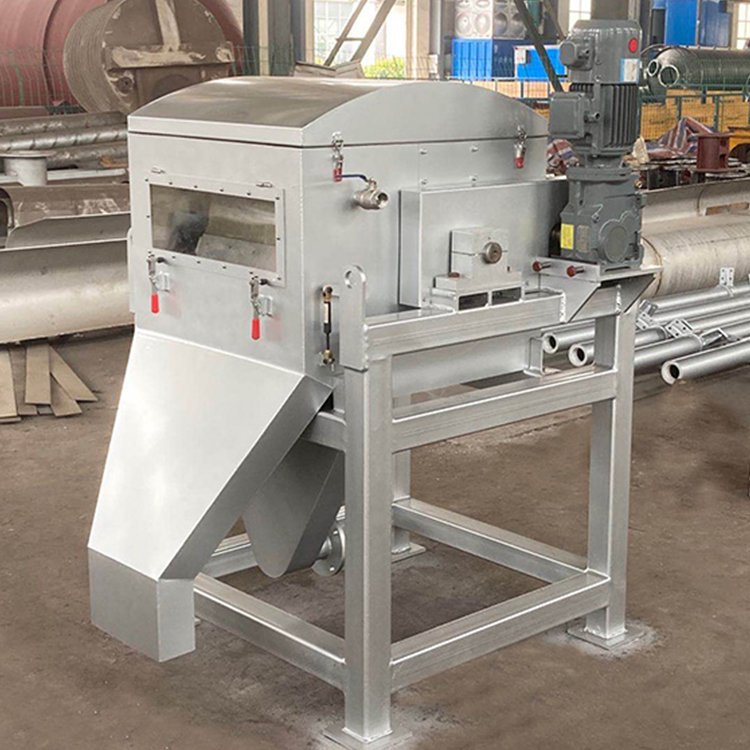
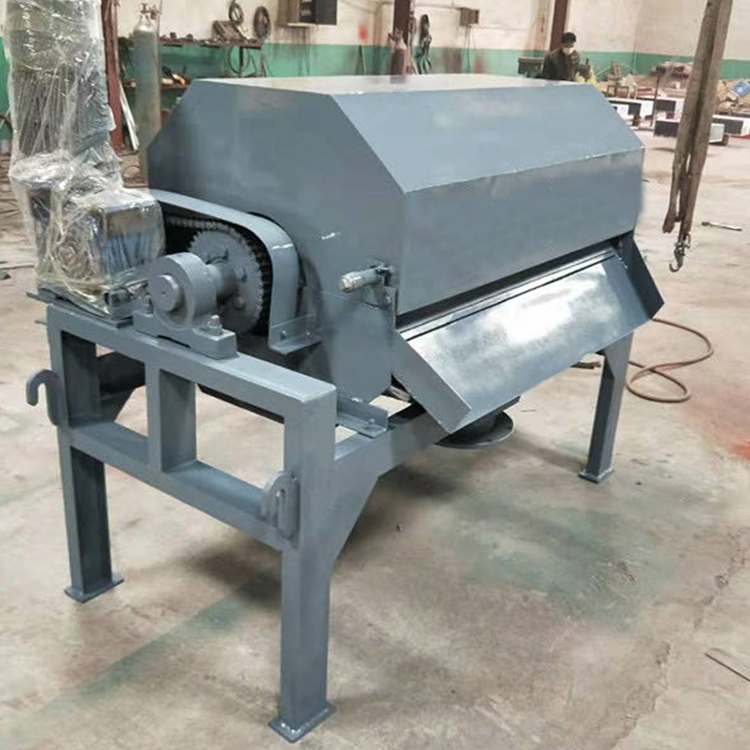















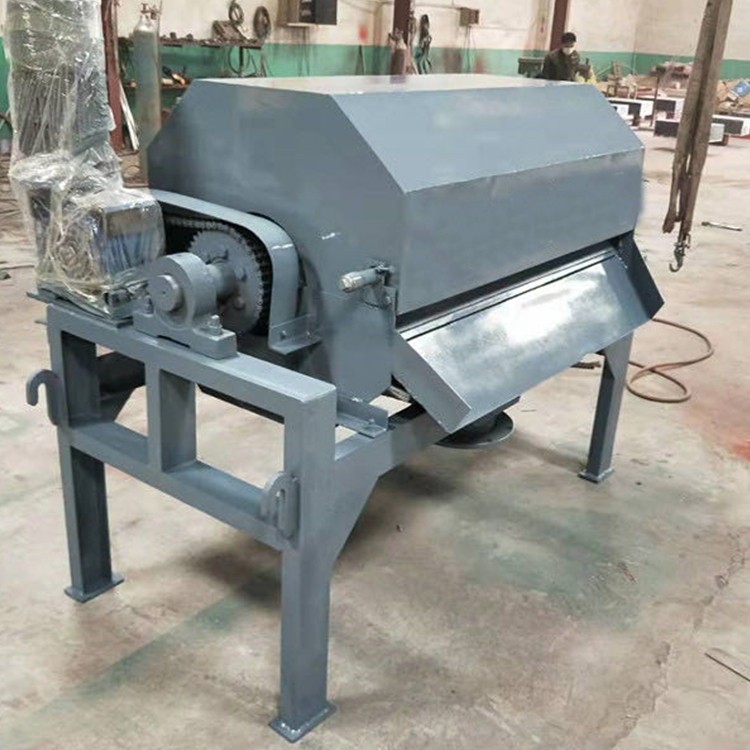
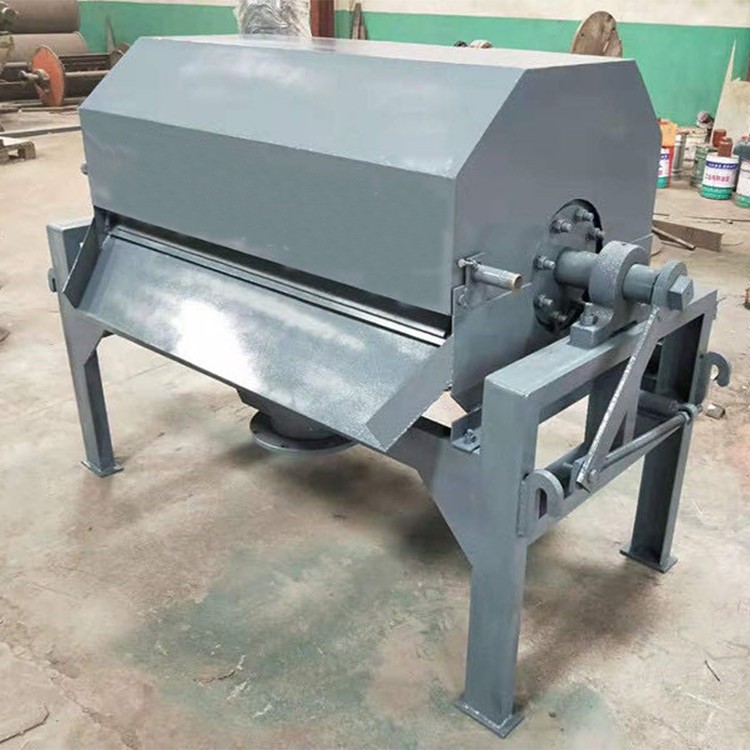
The working principle of the sewage magnetic separator is primarily based on the attractive force of the magnetic field on magnetic substances. When sewage flows through the magnetic field area of the separator, the magnetic suspended particles are attracted by the magnetic field and adhere to the separation components of the separator. As the separation components move, these magnetic suspended particles are gradually carried away from the sewage stream and collected. Non-magnetic substances, however, are unaffected by the magnetic field and continue to flow with the sewage, thereby achieving separation of magnetic from non-magnetic materials.
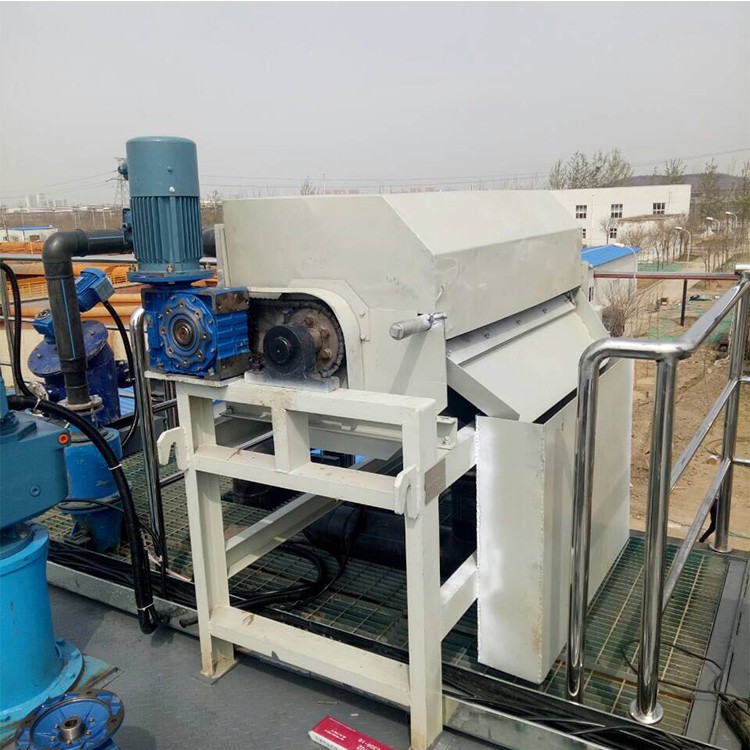
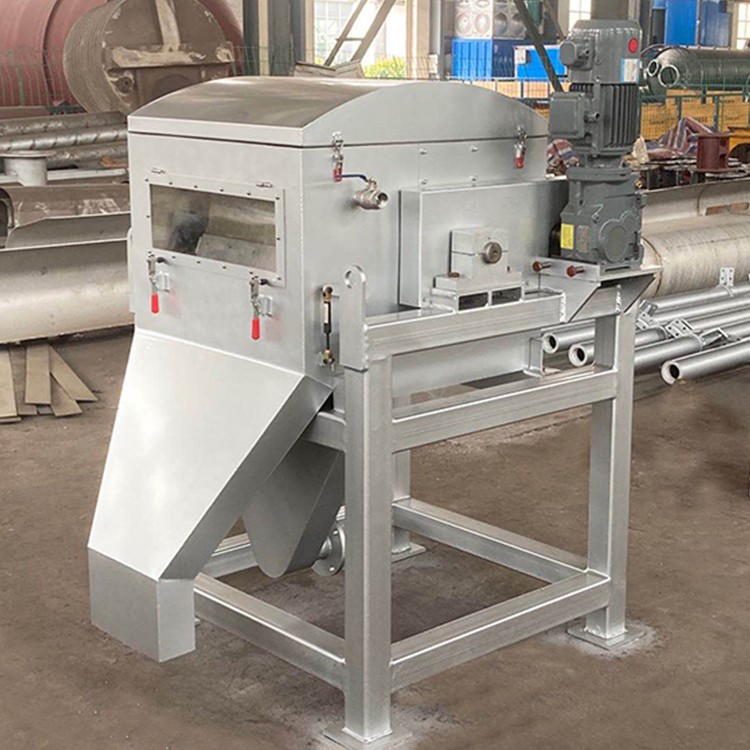
Specifically, the internal structure of a waste water magnetic separator typically includes one or more magnetic drums or disks, which are composed of permanent magnets or electromagnetic coils and can generate a strong magnetic field. As the waste water passes through the magnetic separation area, magnetic suspended particles are attracted to the surface of the magnetic drums or disks. With the rotation or movement of the magnetic components, these magnetic substances are transported to the unloading area, where they are separated from the magnetic components by means of scrapers, flushing water, and collected in a magnetic substance collection box.
When selecting a magnetic separator for waste water, customers should consider the following aspects:
Production Requirements: Clients must clearly define their production needs, including the nature of the wastewater, treatment volume, types and concentrations of magnetic materials. This information will assist clients in selecting the appropriate magnetic separator model and specifications.
Equipment Quality: Customers should prioritize manufacturers with larger scale, mature technology, and extensive production experience. The equipment produced by these manufacturers generally boasts higher quality and stability, ensuring long-term stable operation and separation effects.
After-sales Service: When purchasing equipment, customers should also consider the manufacturer's after-sales service capabilities. Good after-sales service provides timely technical support and maintenance, ensuring the normal operation of the equipment and extending its service life.


















