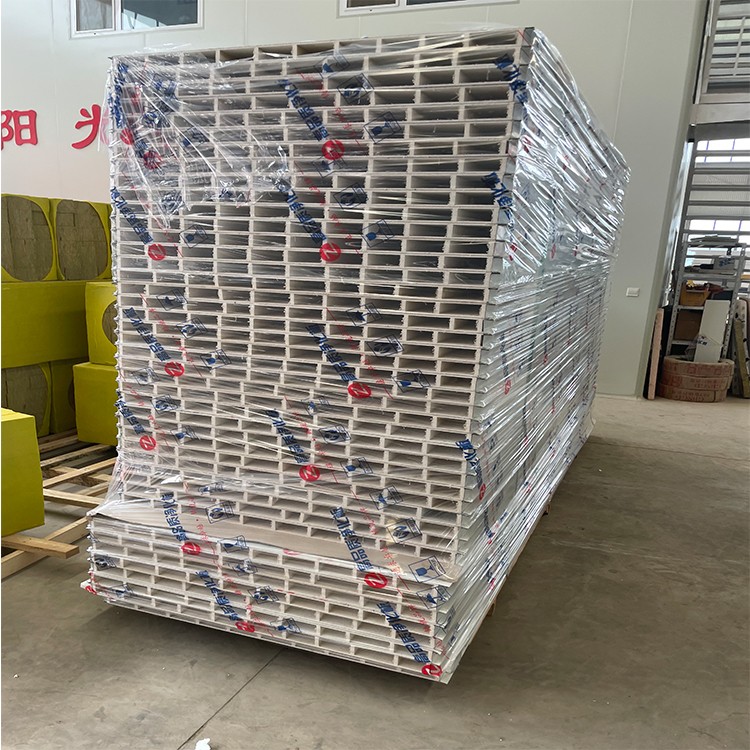

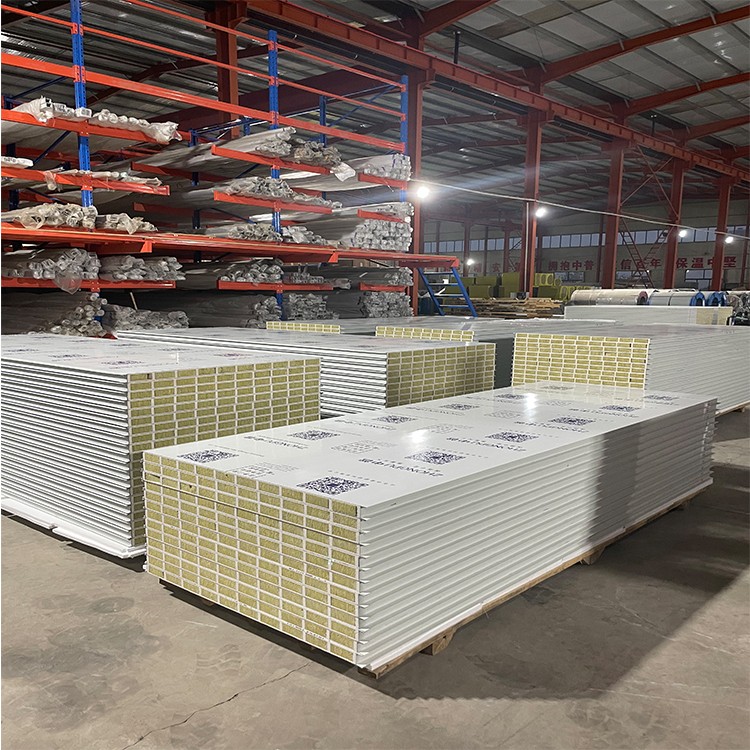


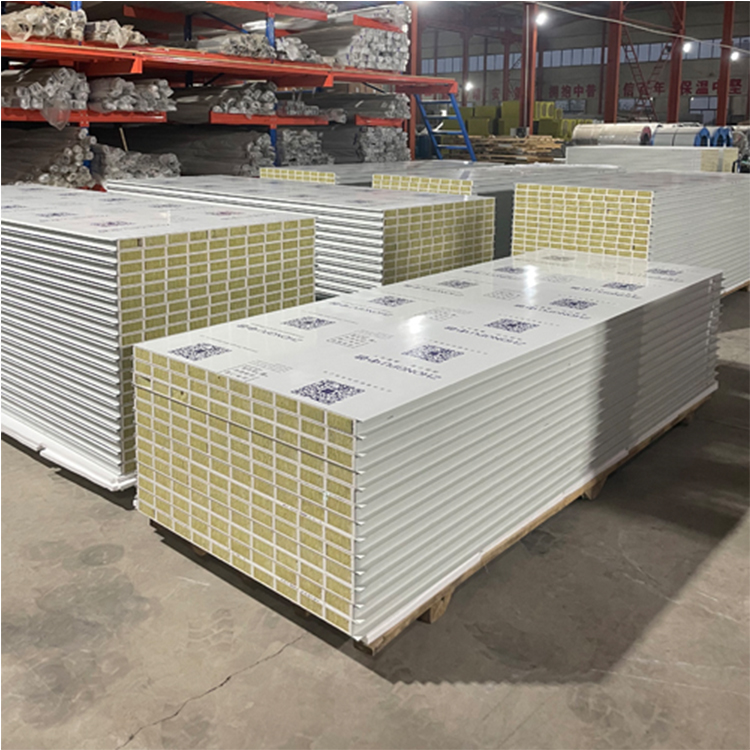












Hollow magnesium silicate mineral wool purification boards are an insulated wallboard that uses mineral wool as the filling material and magnesium silicate as the intermediate filling. They combine the advantages of magnesium silicate boards and mineral wool, offering thermal insulation, noise reduction, and fireproofing properties, as well as excellent environmental friendliness and durability. These boards are widely used in purification projects in industries such as food and electronics, providing a safe and clean working environment for these sectors.


The main components of the hollow magnesium silicate mineral wool purification board include the surface material, core material, and adhesive, etc.


Surface Material: The surface of the honeycomb magnesium silicate glass wool board commonly uses magnesium silicate board. Magnesium silicate board is an inorganic non-metallic material made primarily from magnesium oxide and magnesium chloride, processed through special technology. It features fire-retardant, waterproof, moisture-proof, corrosion-resistant, high strength, and odorless properties, providing excellent surface performance and decorative effects for the board.
Core Material: The core material is a critical component of the hollow magnesium silicate wool purification board, typically filled with rock wool. Rock wool is an inorganic mineral, artificially produced by melting basalt and other rocks at high temperatures and spinning them into inorganic fibers using high-speed centrifugal equipment. It boasts excellent thermal insulation, heat resistance, fireproofing, and sound absorption properties, making it an ideal core material for purification boards.
Adhesive: In the production process of honeycomb magnesium silicate mineral wool boards, an adhesive is required to firmly bond the surface material with the core material. The choice of adhesive is crucial for the strength and durability of the panels. Typically, high-performance, environmentally friendly adhesives are used to ensure the bonding strength and environmental performance of the panels.