














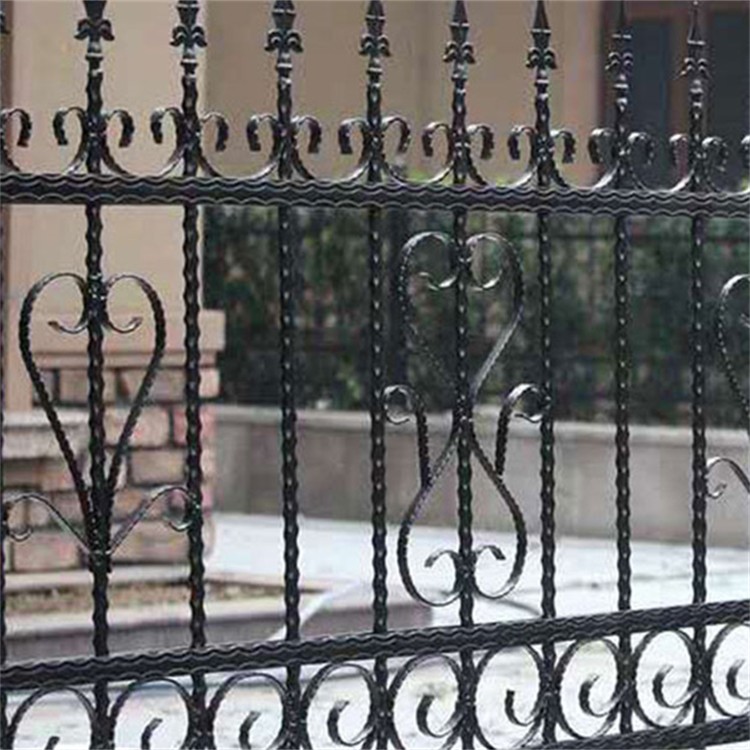
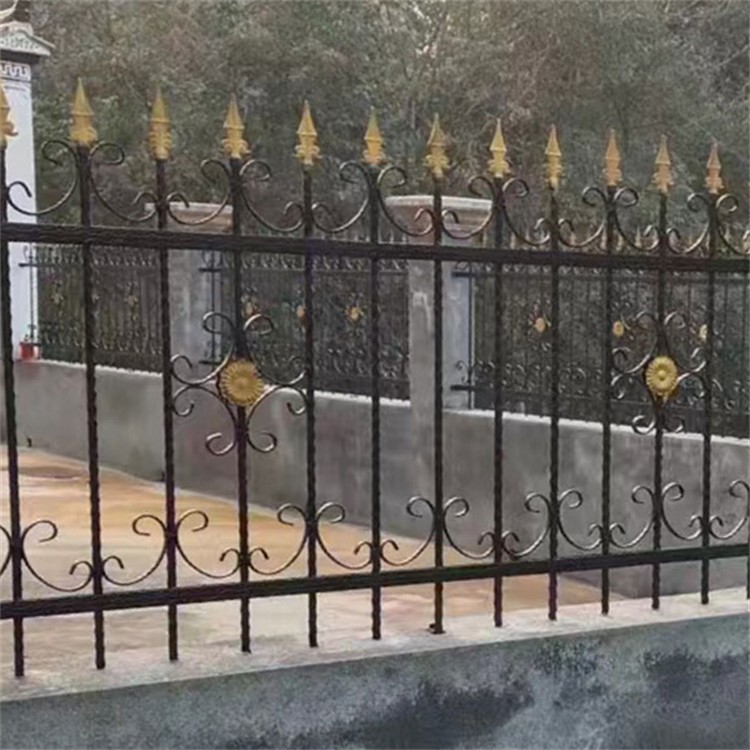
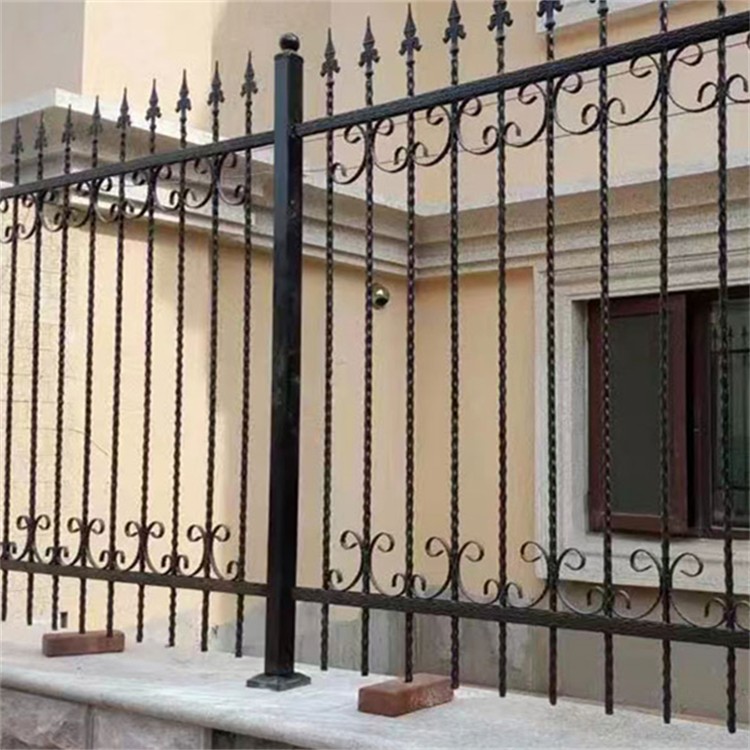
Iron Art Fencing is a blend of beauty and durabilityDecorative architectural components, with a history tracing back to 13th-century Europe, reached their zenith during the Renaissance.
The primary materials for wrought iron fences include carbon steel, stainless steel, aluminum alloy, and cast iron, each with its unique characteristics. Carbon steel boasts excellent strength and toughness at a relatively low cost; stainless steel is corrosion-resistant and aesthetically pleasing, suitable for humid environments; aluminum alloy is lightweight, corrosion-resistant, and easy to process, ideal for outdoor lightweight designs; cast iron features beautiful lines and shapes, commonly used in European-style architectural decorations. In terms of production processes, wrought iron fences undergo a series of steps including design, forging, bending, welding assembly, sanding, hot-dip galvanizing, polishing, and painting. Among these, hot-dip galvanizing is a practical solution.The rust prevention method effectively isolates the chance of oxidation in wrought iron products, offering a rust-resistant period of 20 to 50 years or more.
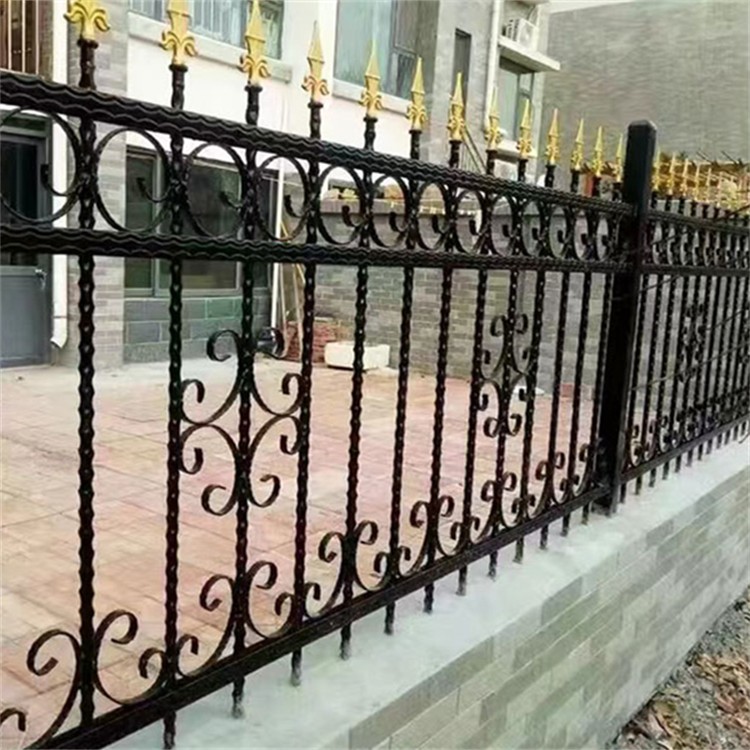
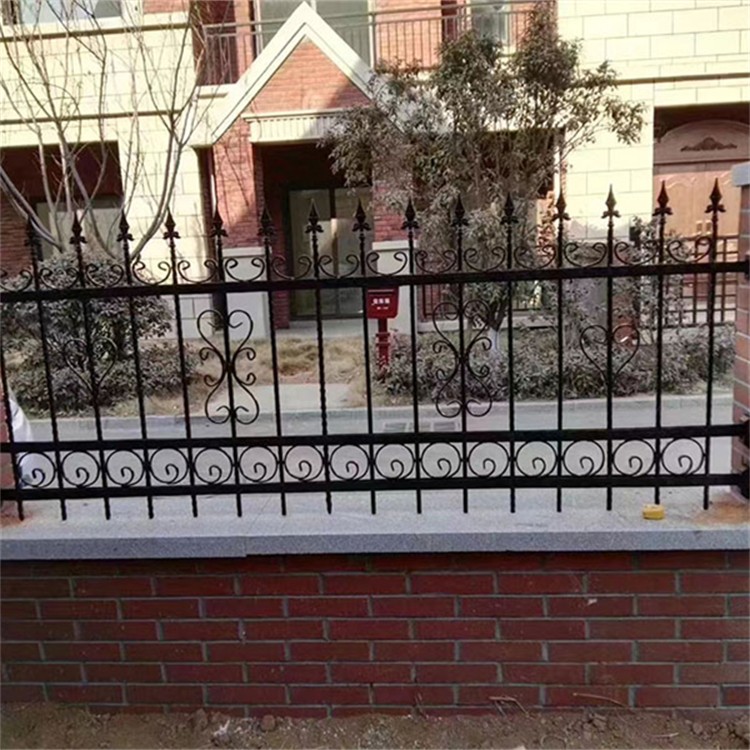
Aesthetics: Ironwork fences typically feature exquisite patterns and designs, enhancing the artistic and decorative appeal of buildings. Whether it's the classic European motifs or modern minimalist lines, they cater to diverse aesthetic preferences of different clients.
Robust and Durable: Iron art fences made of metal materials offer high strength and durability, capable of withstanding certain external force impacts.Reliability.
Corrosion Resistance: Through processes like hot-dip galvanizing, the iron railing is effectively protected against moisture and oxygen侵蚀, extending its service life.
Durability: The grid structure of the wrought iron fence offers a certain degree of transparency, allowing for unobstructed views, while also providing excellent protection and preventingFalls of personnel or objects. Customization Strength: Ironwork railing can be customized according to the client's requirements and architectural style.Patterns and sizes, catering to personalized needs.
Ironwork railings are widely used on balconies, staircases, courtyards, and other areas of residential buildings, villas, and apartments, as well as in public places such as parks, squares, and scenic areas.AvailableProtection, while also adding a touch of charm to the environmentArtistic ambiance.