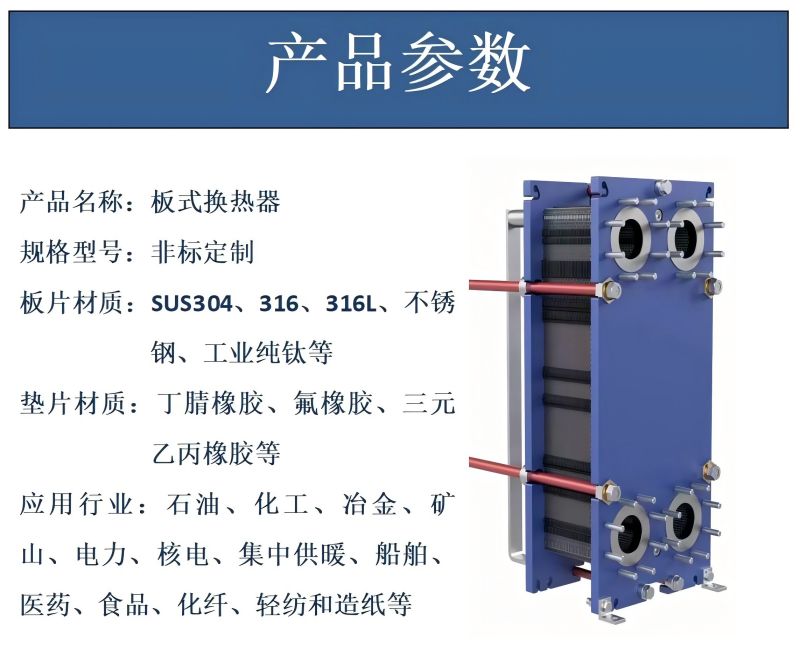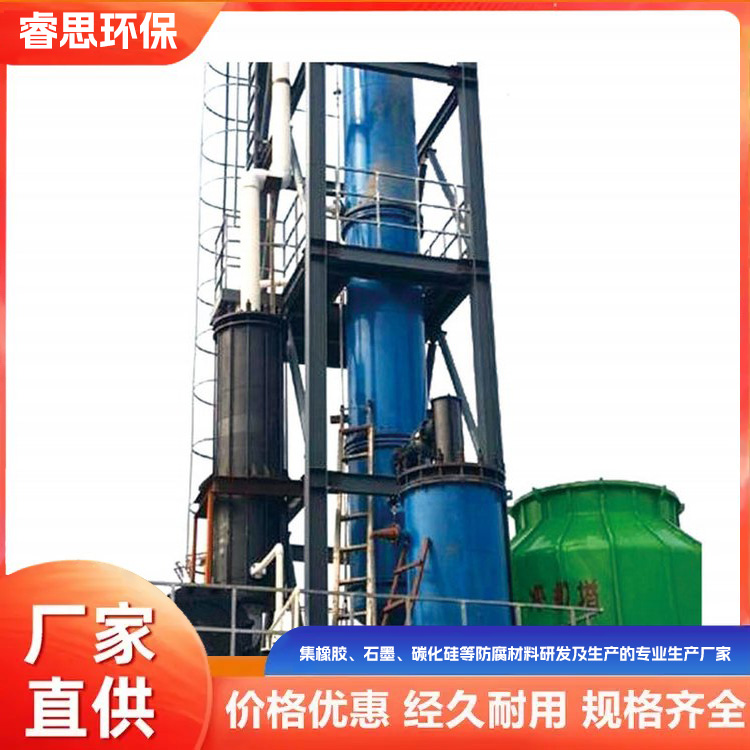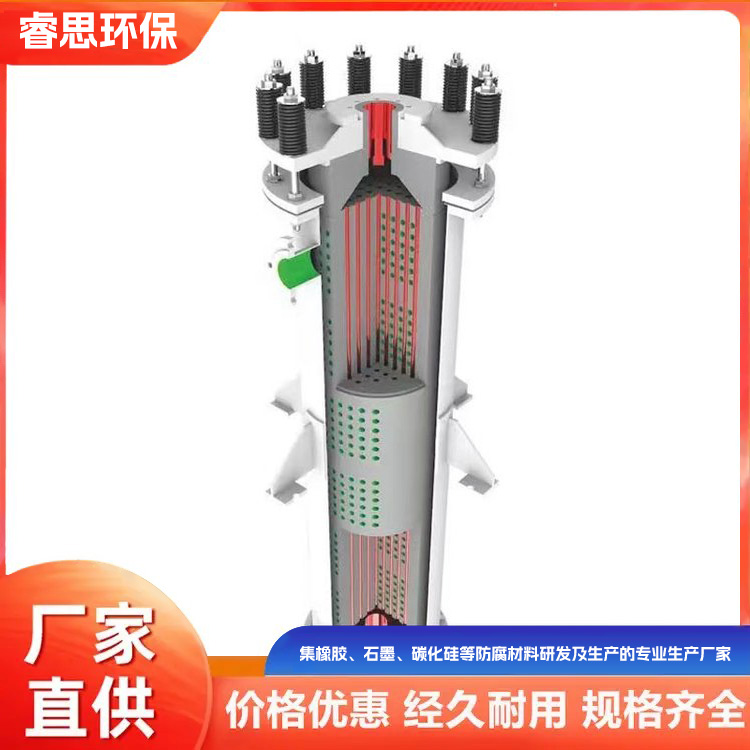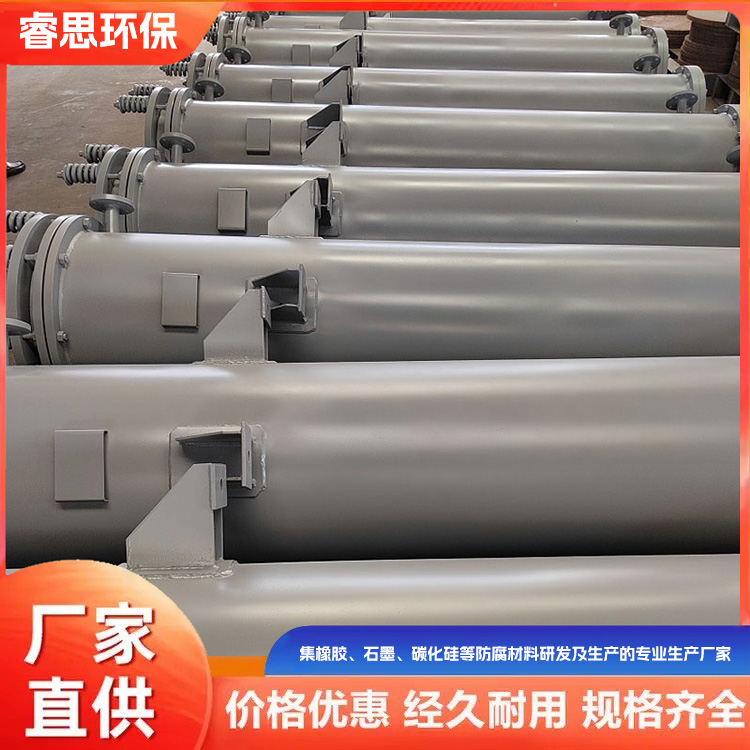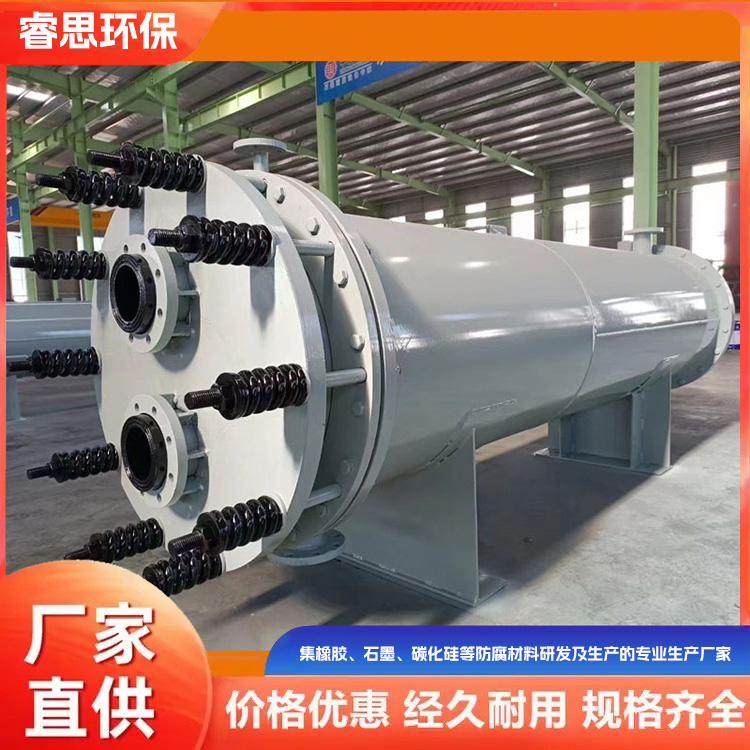



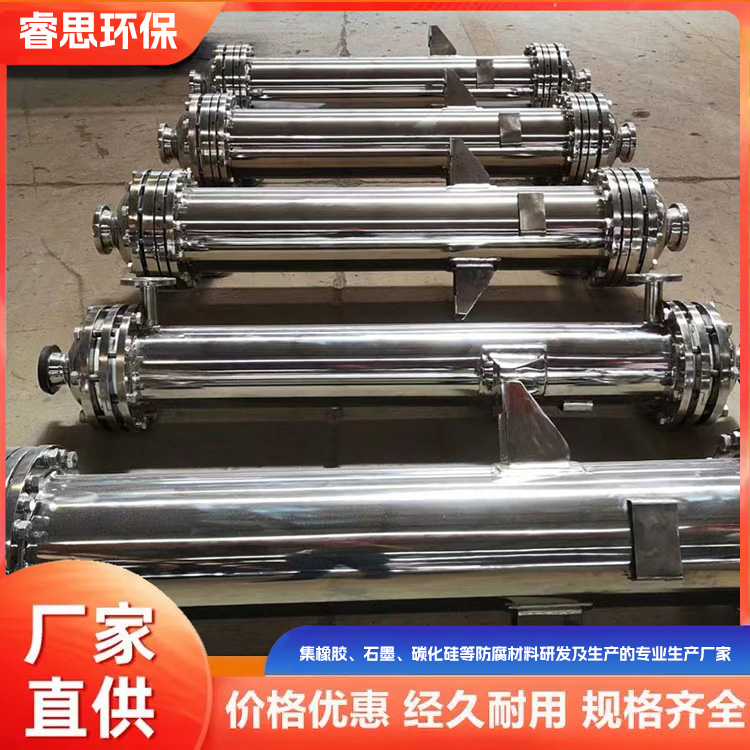
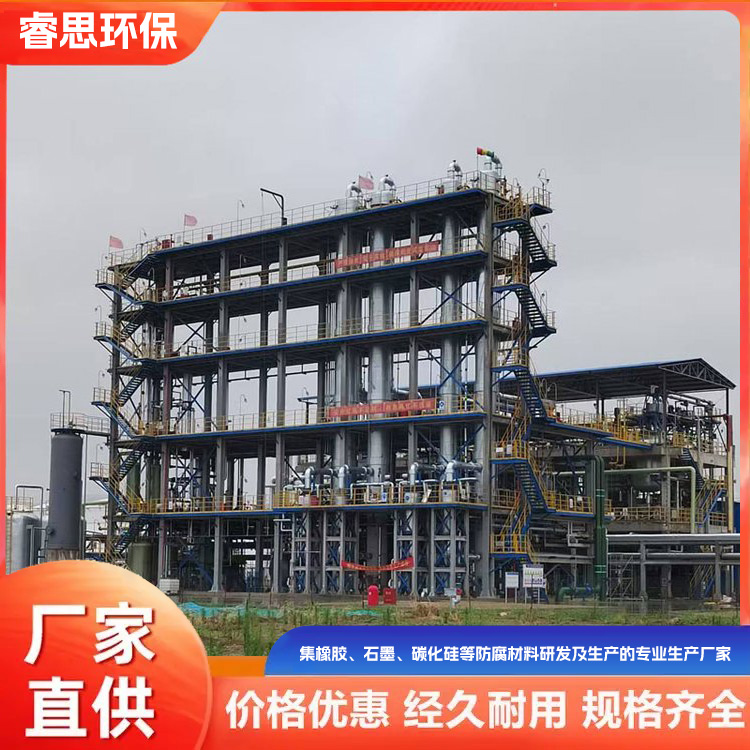
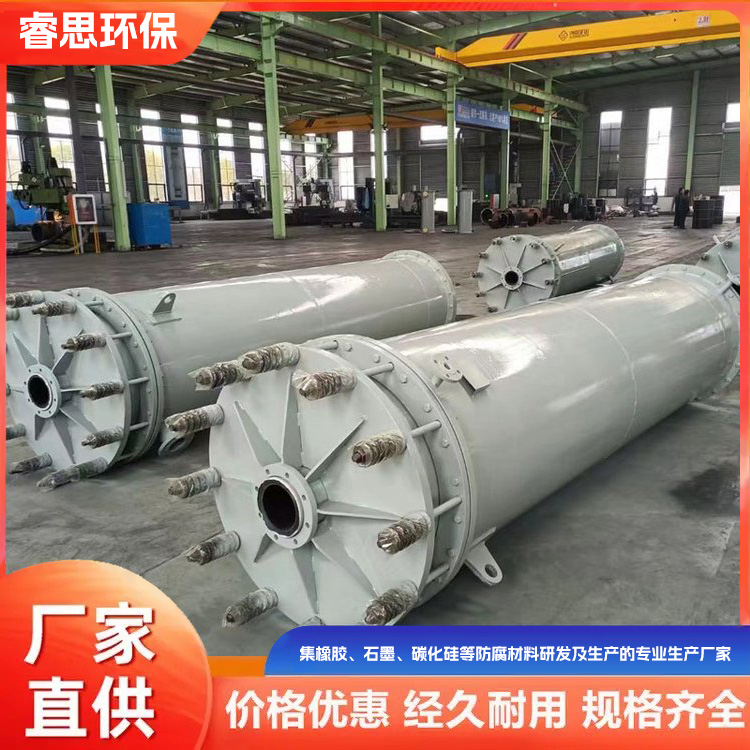
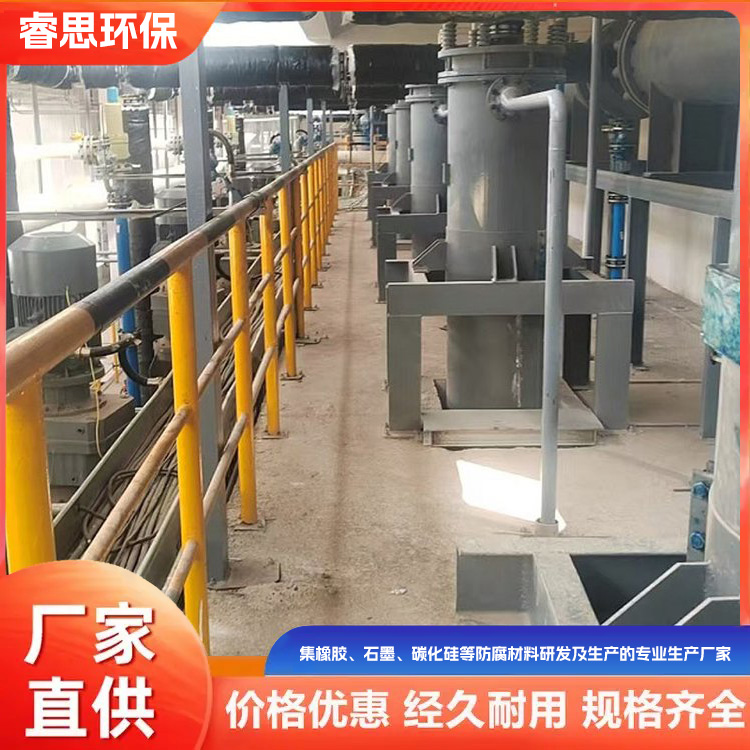







Plate evaporators are commonly used for multi-stage evaporation of highly concentrated products and are widely applied in industries such as biotechnology and pharmaceuticals, food and beverage, water and waste treatment, and energy fermentation.
One, Working Principle of Plate-type Evaporator
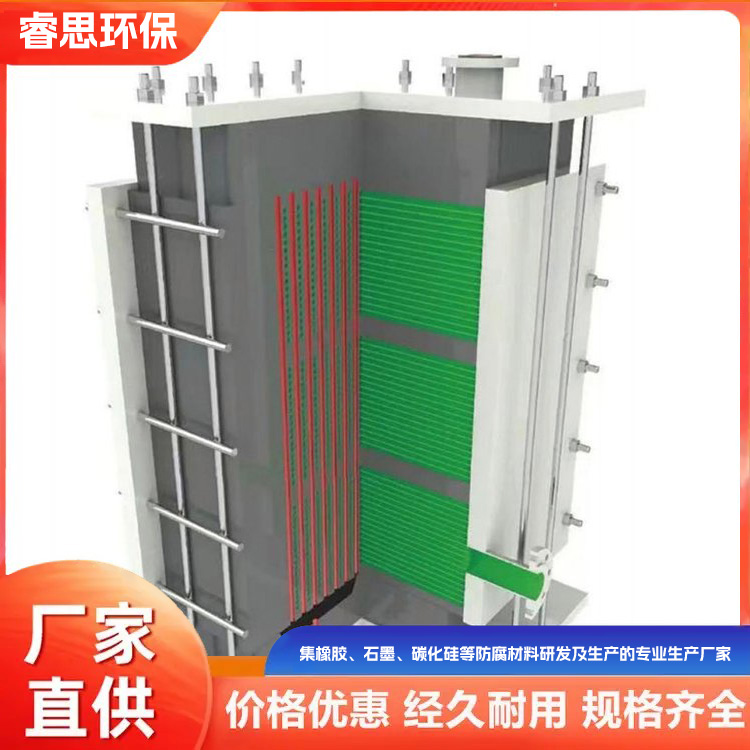
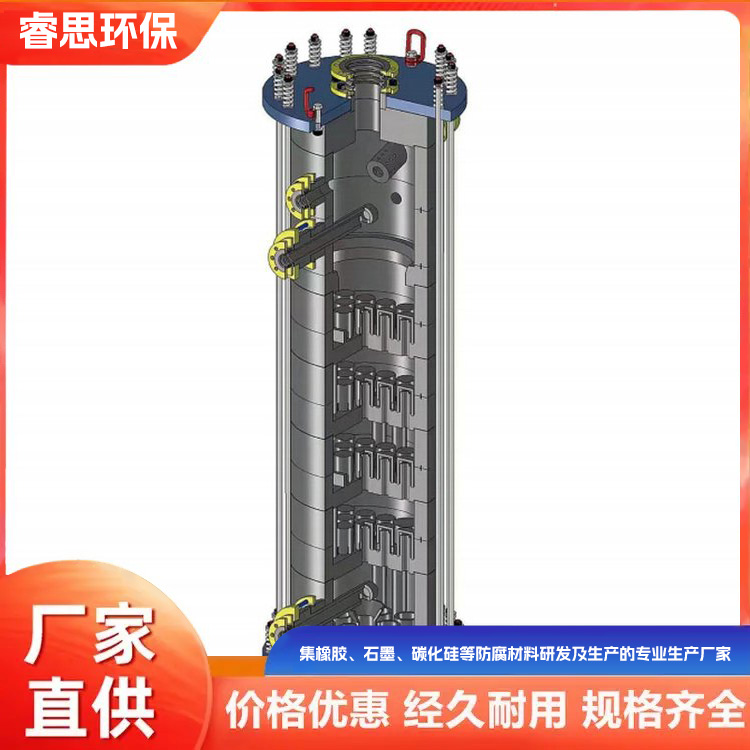
Tubular evaporator plates form thin rectangular channels between them, facilitating heat transfer and thin-film evaporation. The evaporated solution is heated and boiled inside the evaporator, quickly vaporizing. This vaporization drives the liquid upward, forming a liquid film along the heat exchange wall. The liquid flows over the heated surface as a film, rapidly evaporating and vaporizing, thereby shortening the heating residence time and enhancing the evaporation efficiency.
2. Plate-type evaporators and condensers utilize lift mode evaporation. Materials pass through the plates and are heated by steam, causing evaporation. The vapor-liquid mixture is then discharged at the outlet and enters a separator. Inside the separator, the vapor and liquid are separated, yielding concentrated material and secondary steam. In multi-effect evaporation, the concentrated material and secondary steam proceed to the next stage evaporator for further evaporation.
3. Evaporator and condenser plates are designed for multi-stage evaporation of low-temperature and vacuum conditions, as well as highly concentrated products. The main material can be selected according to the material: 304, 316L, 254SMO, Ti, Ni, etc.