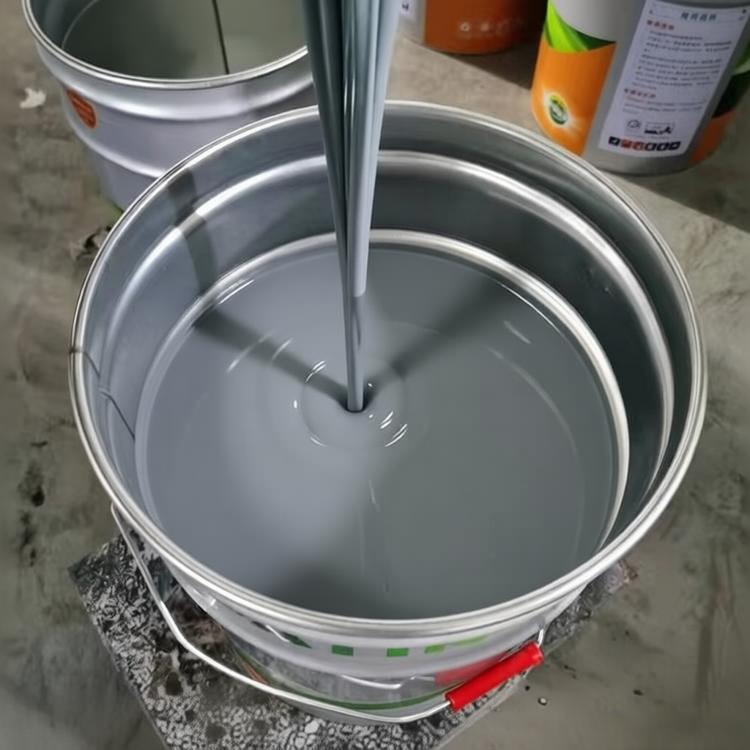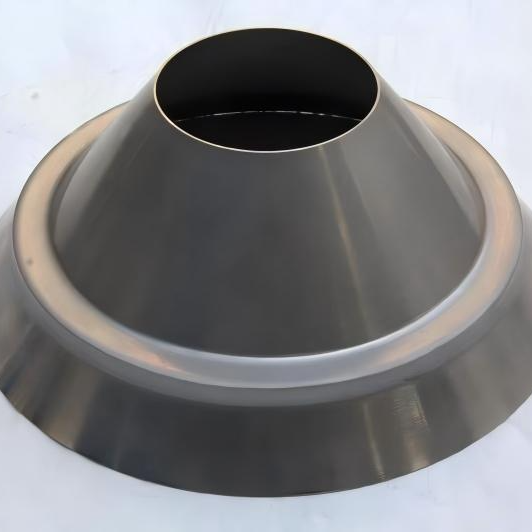









The ZAC series sacrificial anodes are cast from high purity zinc and alloys of aluminum and cadmium. Various shapes of zinc anodes can be provided according to customer requirements, such as rectangular, square, horseshoe, and other custom shapes.
Zinc alloy sacrificial anodes are suitable for cathodic protection of metal facilities against corrosion in marine, brackish water environments, including ships, ballast tanks, machinery and equipment, offshore engineering and harbor facilities, drilling platforms, port terminals, condensers and pumps in seawater media, as well as pipelines and cables in soils with low resistivity.Rongxuan produces zinc anodes (also known as zinc alloy sacrificial anodes).
As a medium, water can be regarded as a point conductor like soil, with better uniformity. When an electric current flows through it, it generally moves in a straight line. If there are metallic structures in the area of the current flow, like buried pipelines, they will also be subject to stray current corrosion.
Ships, offshore platforms, docks, and other metallic structures placed in seawater can experience stray current interference when DC-powered equipment is used on them, such as impressed current cathodic protection.
Zinc Alloy Anode for Hull Cathodic Protection
Seawater is a good conductor of electricity and can cause galvanic and crevice corrosion. Factors influencing corrosion include dissolved oxygen content, flow rate, temperature, and biological organisms.
As a sacrificial anode material, it must meet the following requirements:
1. Ensure sufficient negative stable potential.
2. Low self-corrosion rate and even corrosion, with a high and stable current efficiency.
3. High electrochemical equivalent, meaning a large amount of electric current is produced per unit weight.
4. During operation, the anode polarization should be minimal, the dissolution even, and the product easy to detach.
5. Corrosion by-products do not pollute the environment.
6. Wide material sourcing, easy processing, and affordable.
As for the hull, stray currents mainly occur during ship repair, docking, and maintenance periods, as electricity welding or other welding currents often pass through the hull during these times. There are numerous instances of stray current corrosion, with some cases showing perforation in as little as 3 months. In an extreme case, a ship from a marine detachment in Dalian, while moored at the shore and using single-line welding for the shafting work, which lasted approximately 5 hours, suffered enough corrosion to damage a cast steel propeller.
Anodic protection is employed, and after detection determines the distribution and direction of stray currents. Sacrificial anodes can then be installed on the side of the flow to manually guide the stray currents away, preventing them from flowing through the hull into the seawater. Instead, the corrosion is transferred to the sacrificial anode.