
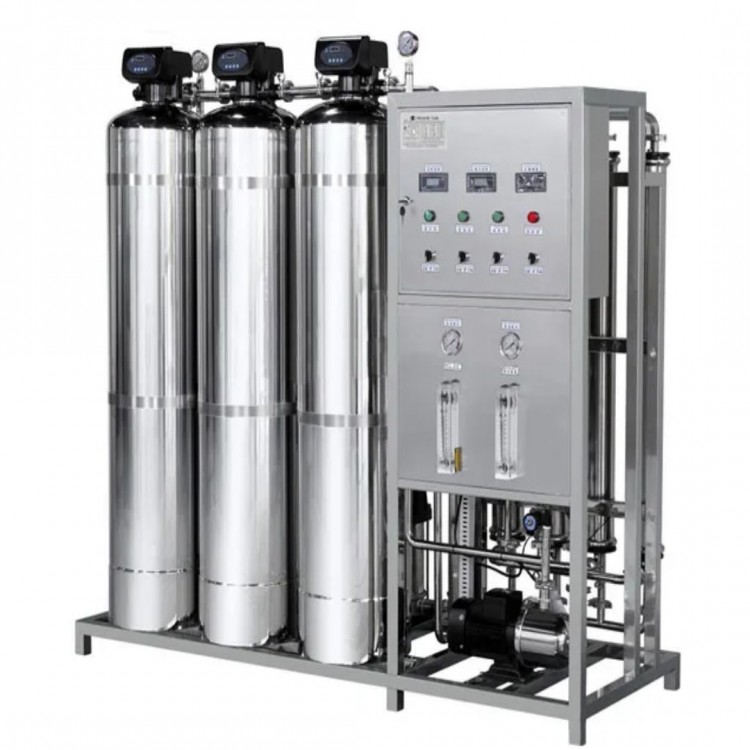
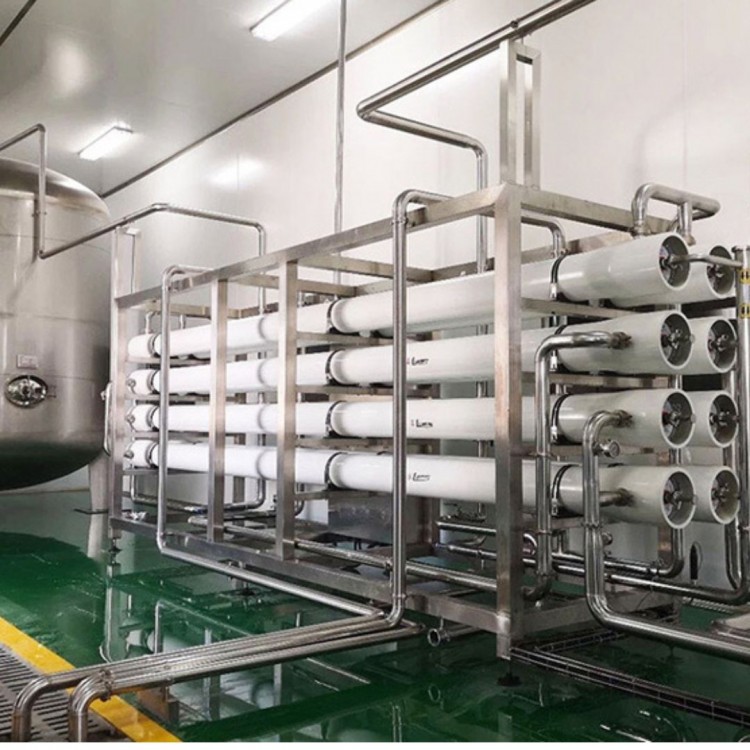











Industrial pure water equipment is an indispensable piece of equipment in modern industrial production, widely used in various industries such as electronics, chemicals, and food. So, what is the working principle of industrial pure water equipment?
Firstly, we need to understand the definition and function of industrial pure water equipment. Industrial pure water equipment refers to a device that, through a series of physical and chemical treatments, converts tap water, well water, and other impure water sources into a water quality that is pure. Its function is to remove harmful substances from the water, ensuring the safety and purity of the water used in the production process, and preventing any negative impact on product quality. So, how does industrial pure water equipment achieve these functions?
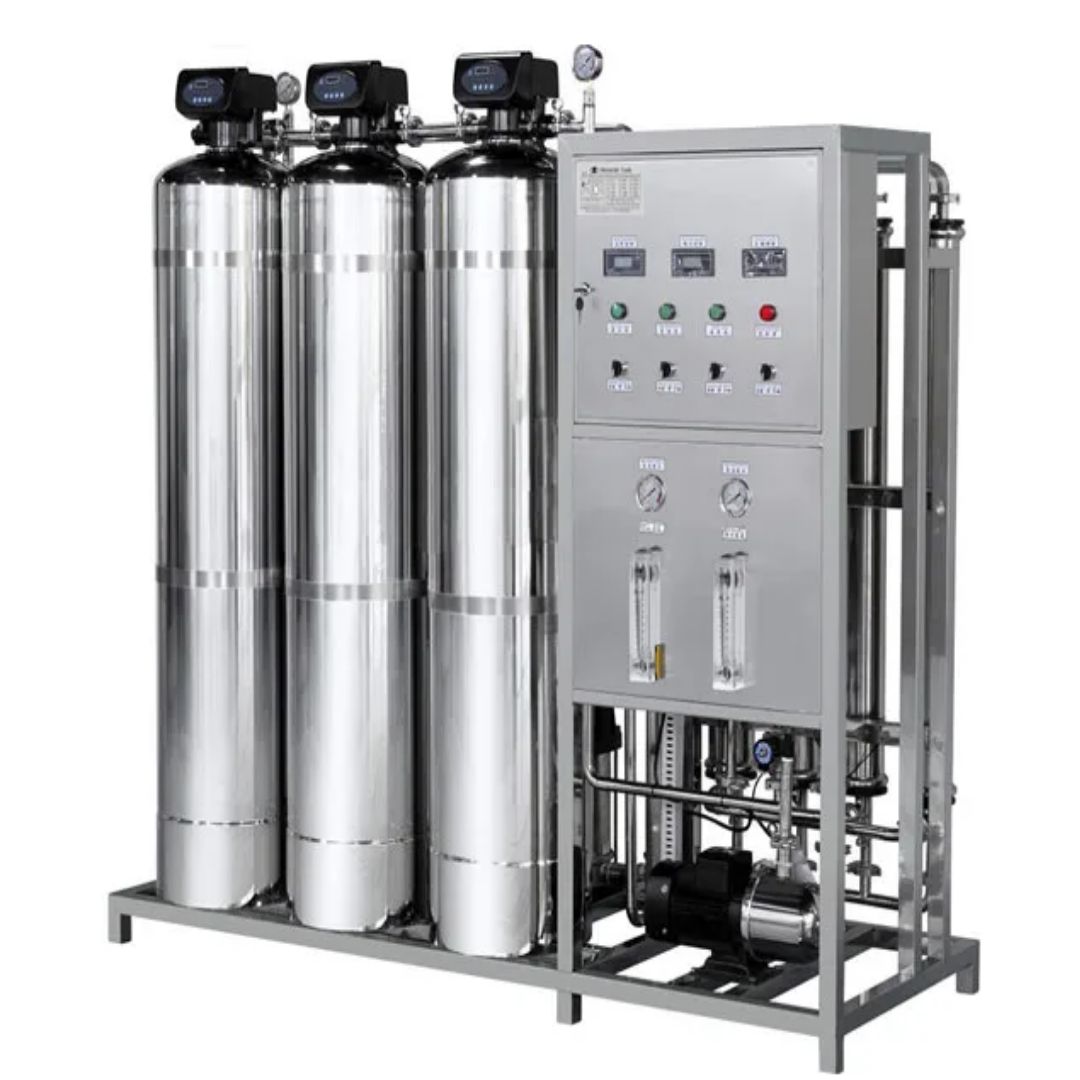
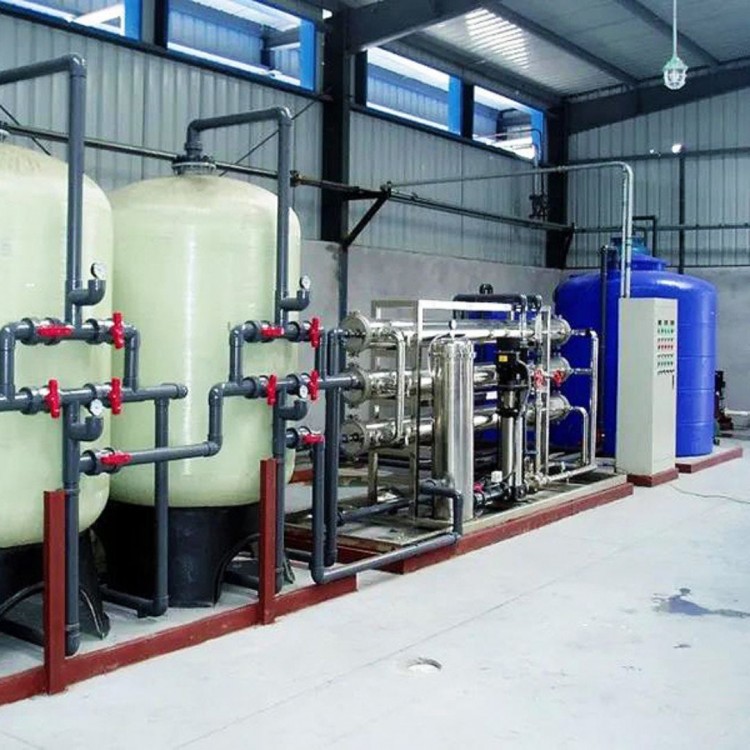
Firstly, there's the physical treatment. The steps for industrial pure water equipment include pretreatment system, which encompasses processes such as filtration, sedimentation, and turbidity control. The pretreatment system removes suspended particles and most impurities from the water through filters, while the sediment sludge is separated out. These physical treatment steps effectively purify the water source and provide a solid foundation for subsequent chemical treatment.
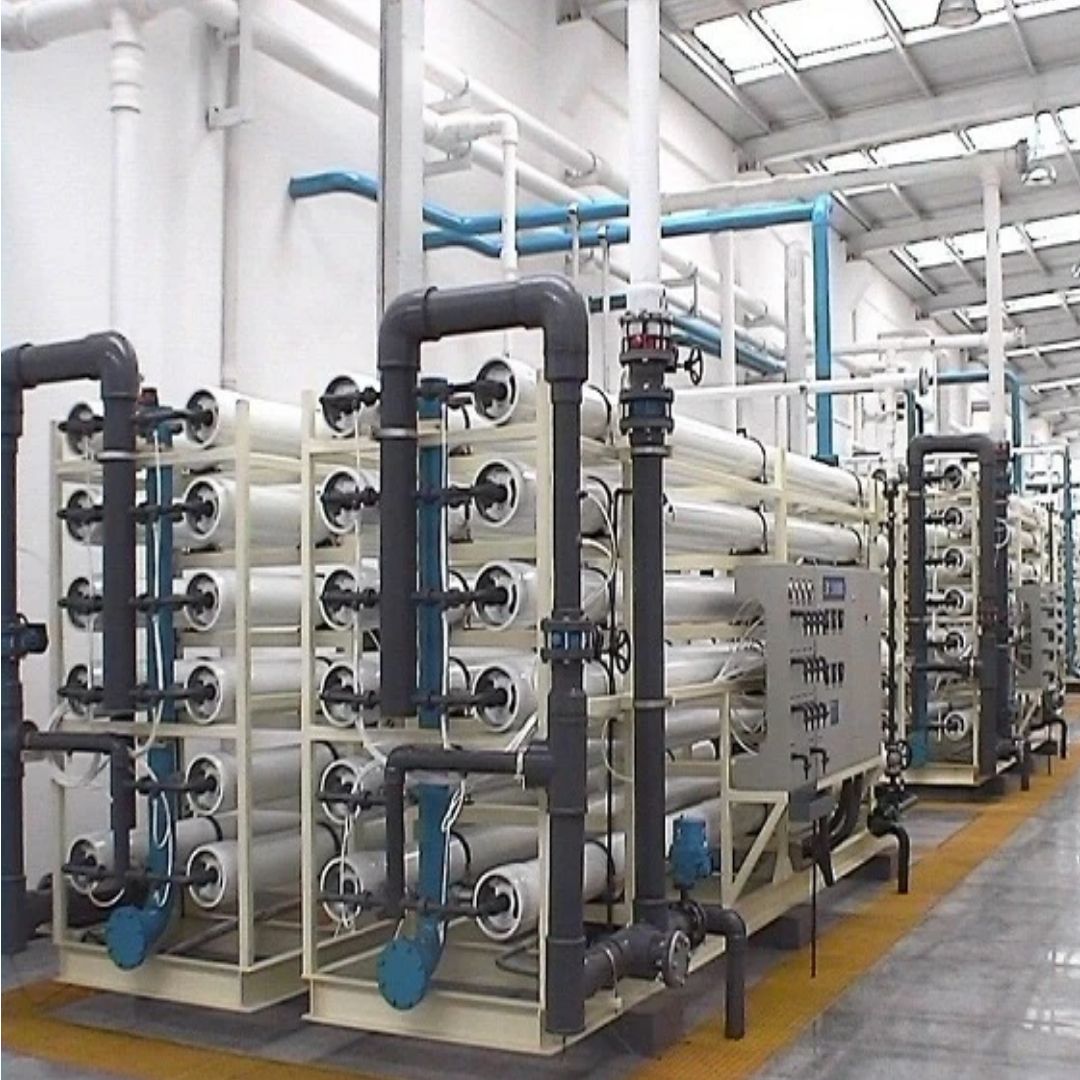
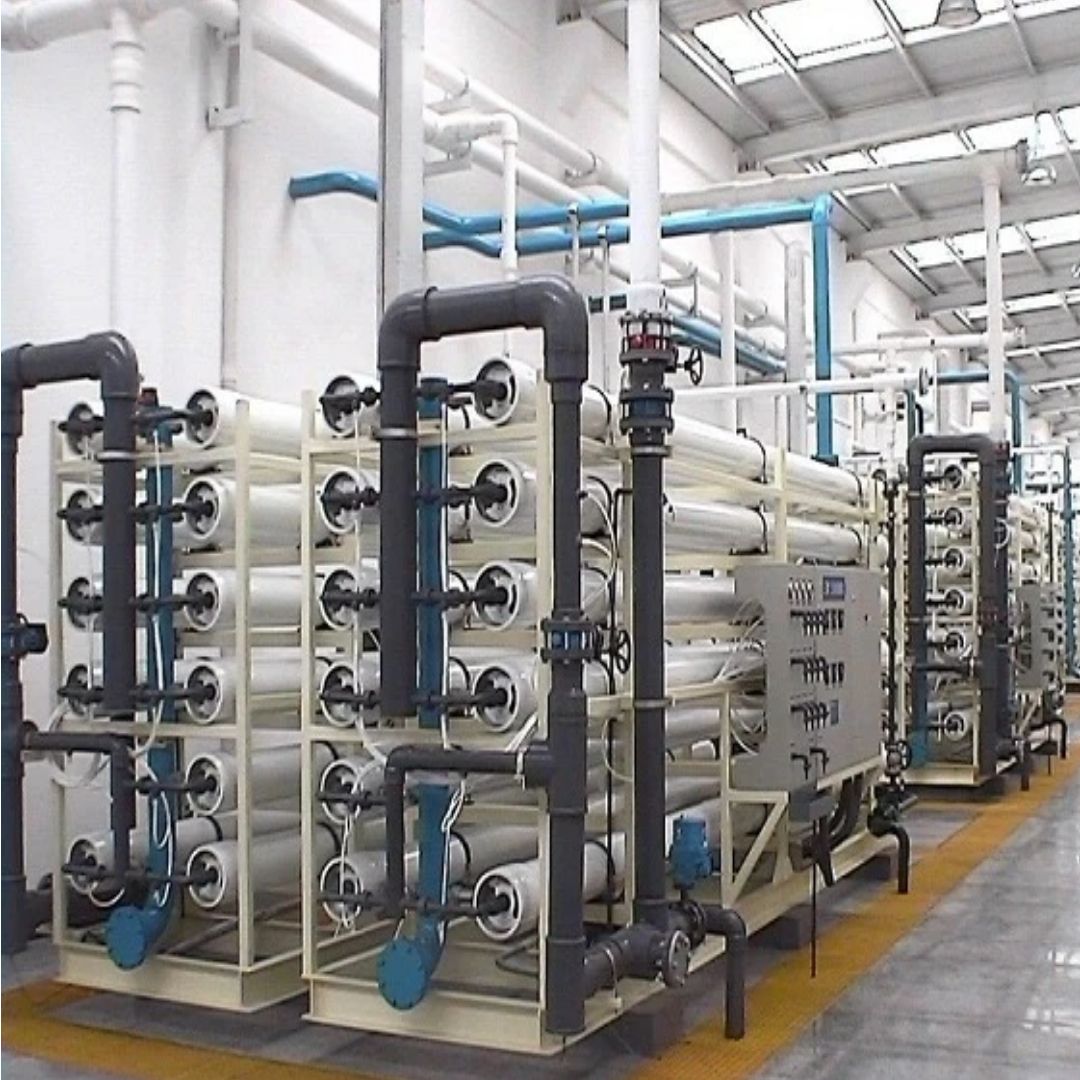
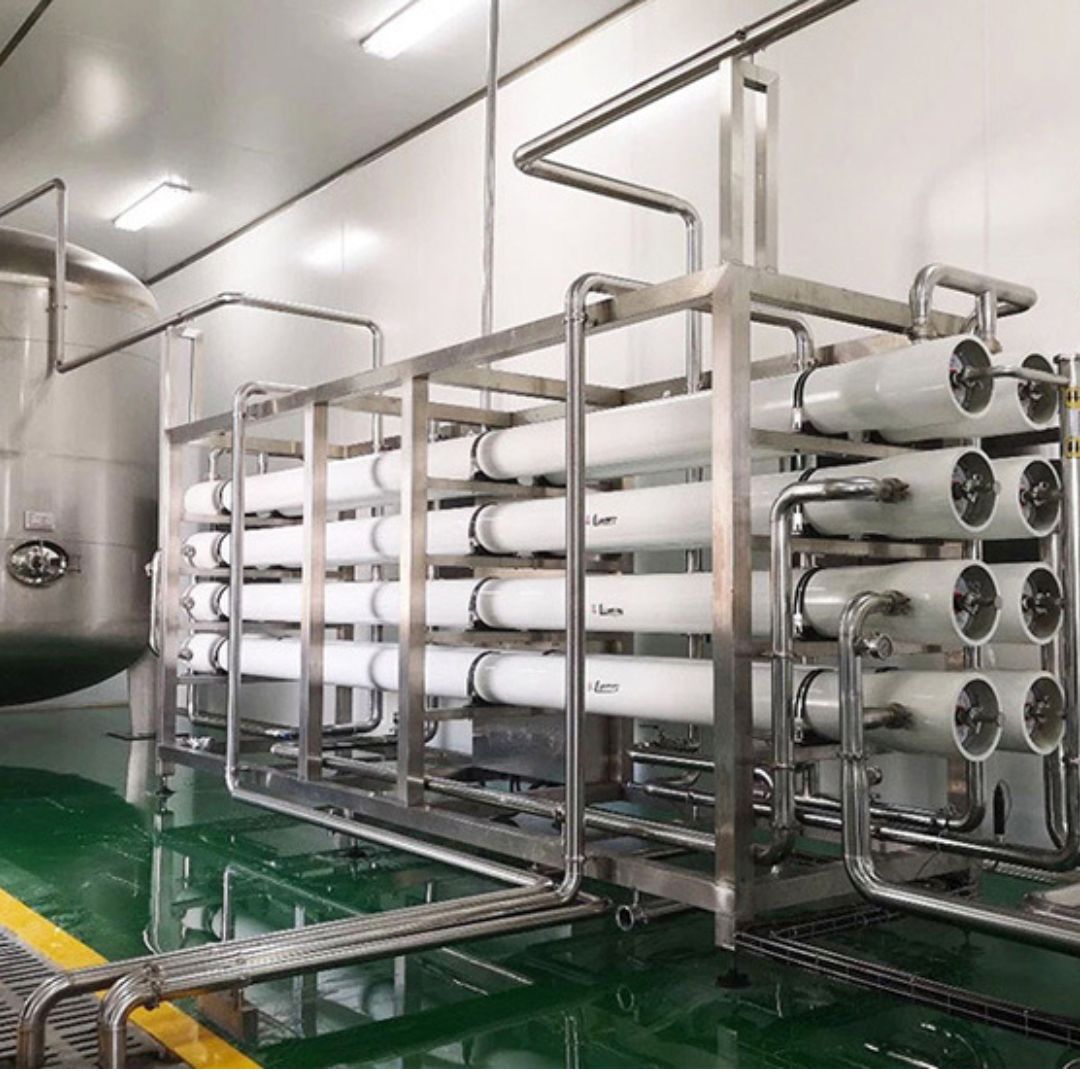
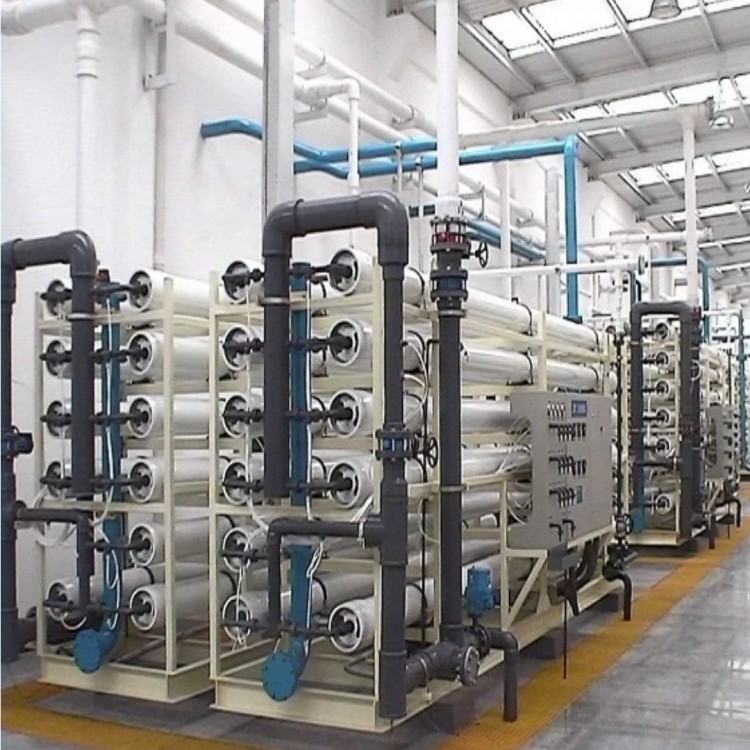
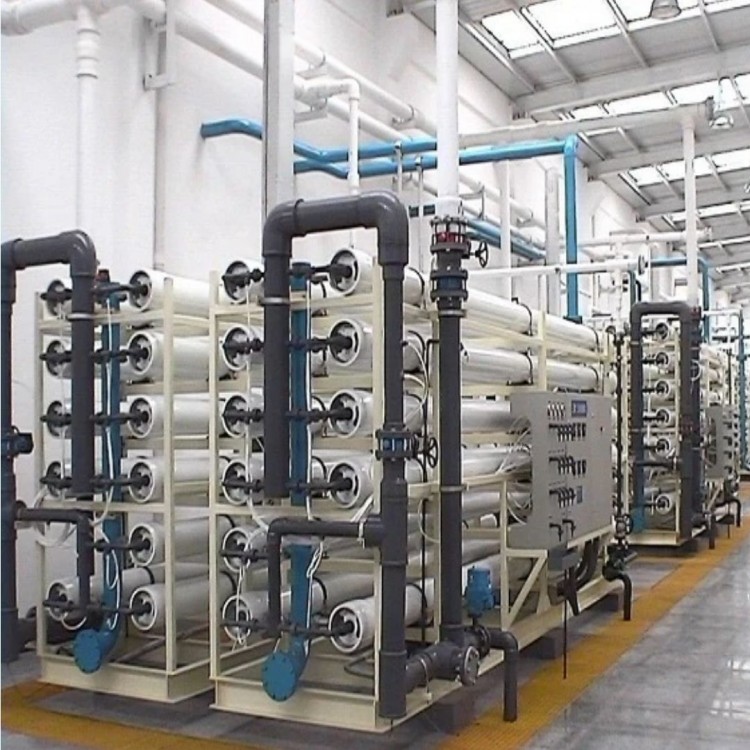
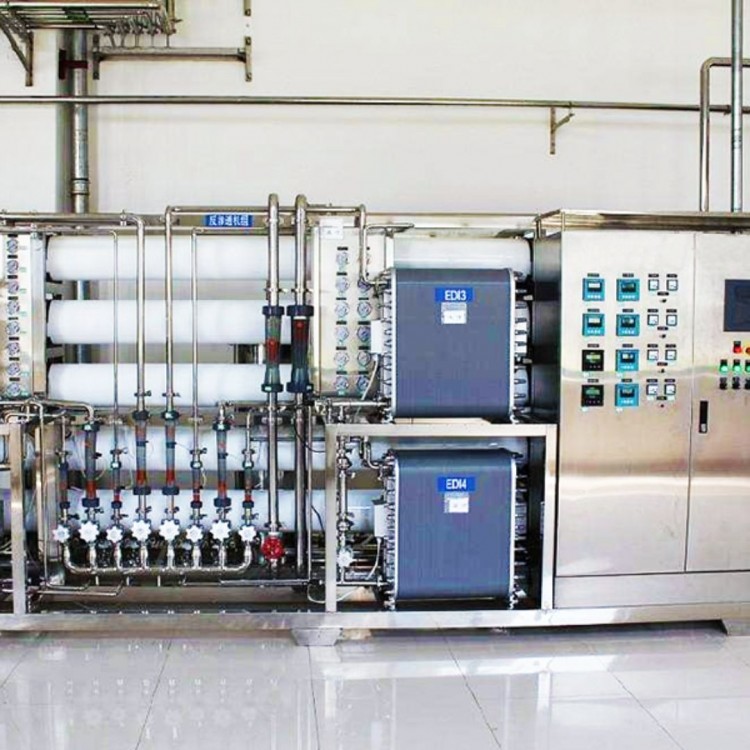
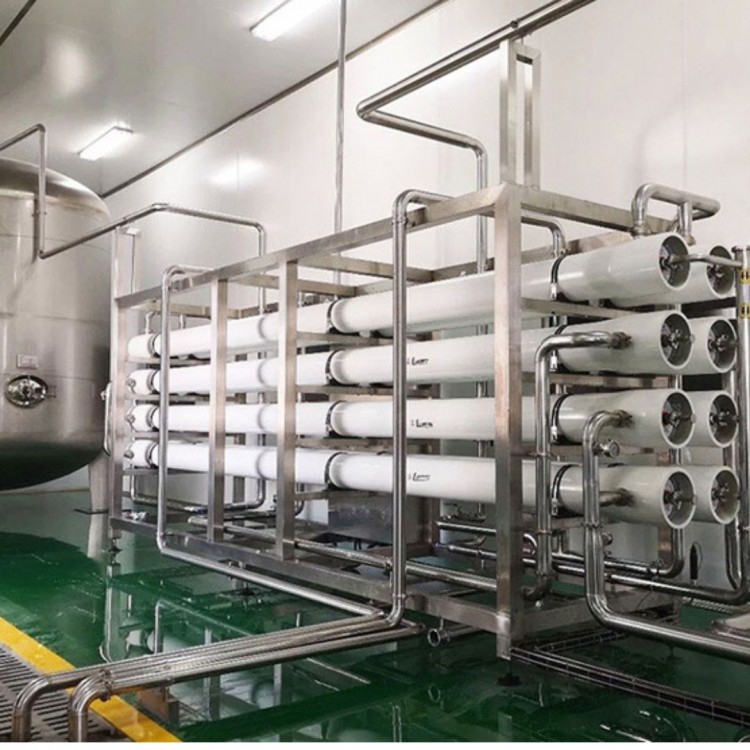
Next is the chemical treatment. After pretreatment, the water enters the reverse osmosis (RO) membrane system. The RO membrane system is a core component of industrial pure water equipment, which functions by using the selective permeation of the semi-permeable membrane to remove dissolved solids, organic matter, bacteria, viruses, and other minute impurities from the water. The working principle of the RO membrane system is to use high pressure to force water through micropores, separating pure water from the impurities dissolved in it, which are then trapped on the membrane surface, thereby achieving water purification.
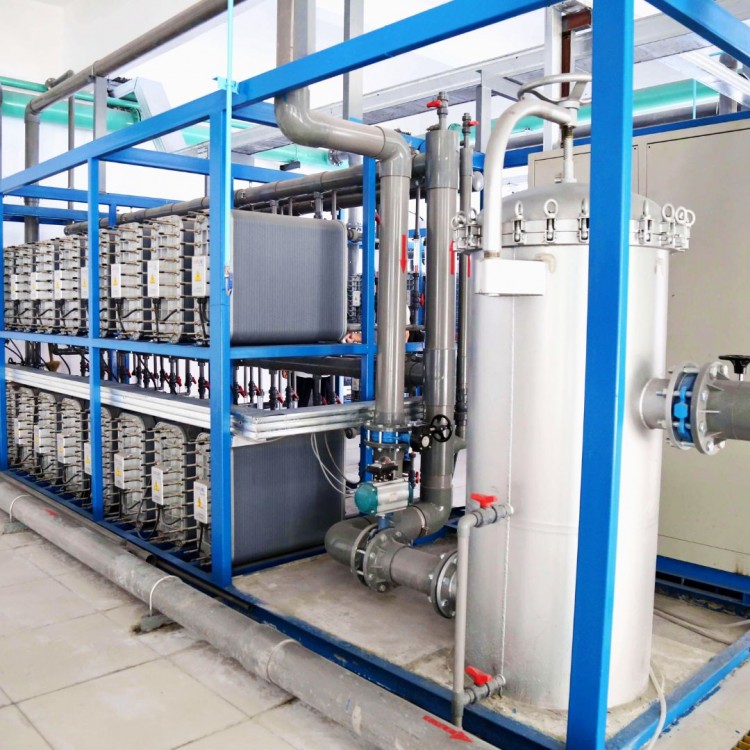
Post-treatment is required. Water processed through the RO membrane system is relatively pure, but trace amounts of dissolved substances may still be present. To better meet the demands of industrial production, further treatment is typically necessary. This post-treatment involves processes such as electroion exchange, ultrafiltration, and ozone disinfection to further enhance the purity and purification of the water. These additional treatment steps make the water more suitable for specific industrial applications.
In summary, the working principle of industrial pure water equipment mainly includes three aspects: physical treatment, chemical treatment, and reprocessing. Through these steps, the equipment can remove various impurities and harmful substances from the water, ensuring the purity and safety of the water used in the production process. While the working principle of industrial pure water equipment may vary across different industries, they generally follow similar principles and procedures to ensure that the produced pure water meets production requirements.
The evolution of industrial pure water equipment has become an indispensable part of modern industrialization. With the continuous advancement of technology and the increasing demands of industry, the working principles of industrial pure water equipment are also evolving and improving. We can anticipate that as technology progresses, industrial pure water equipment will play an even more crucial role in the production process, providing purer and safer water quality for all industries.