










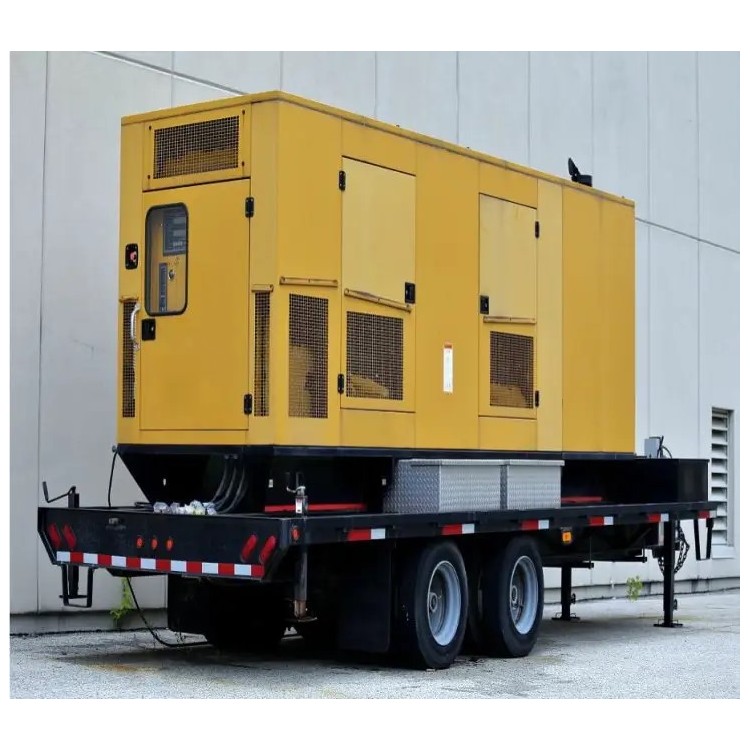
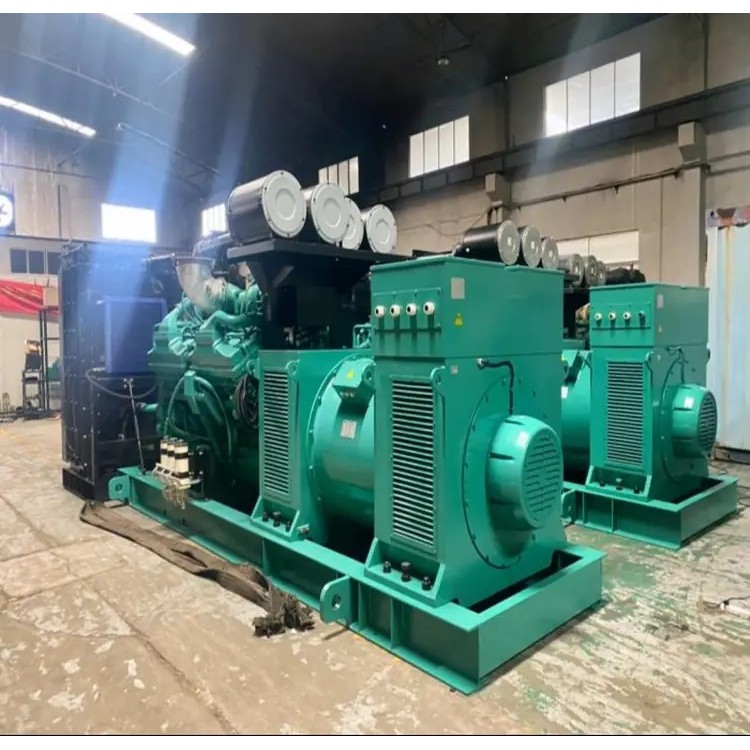
I. Definition and Uses of Generator Rental
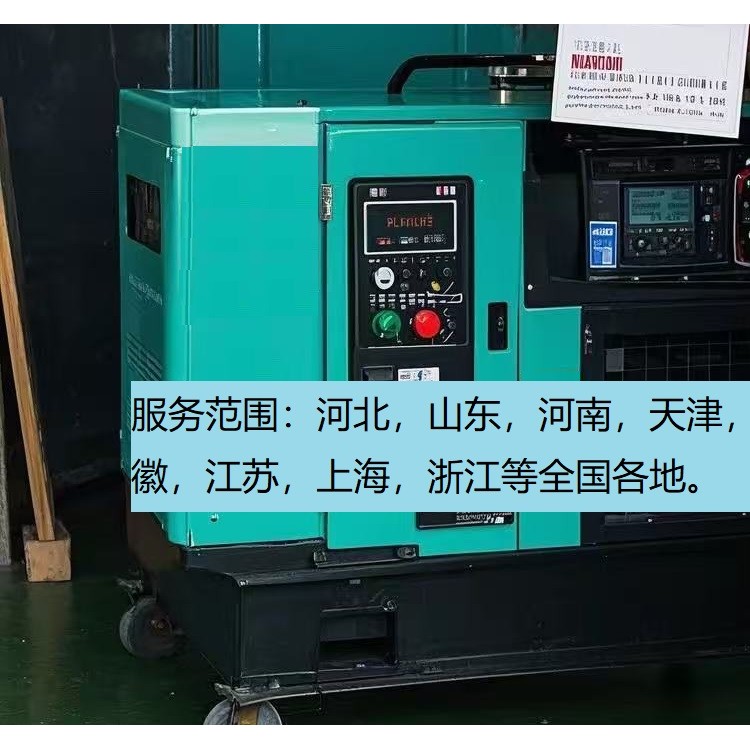
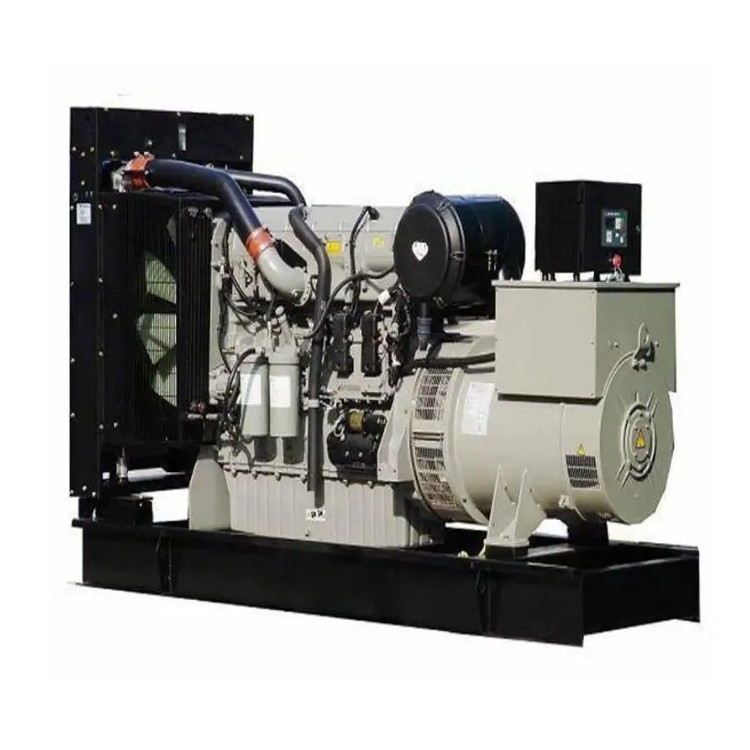
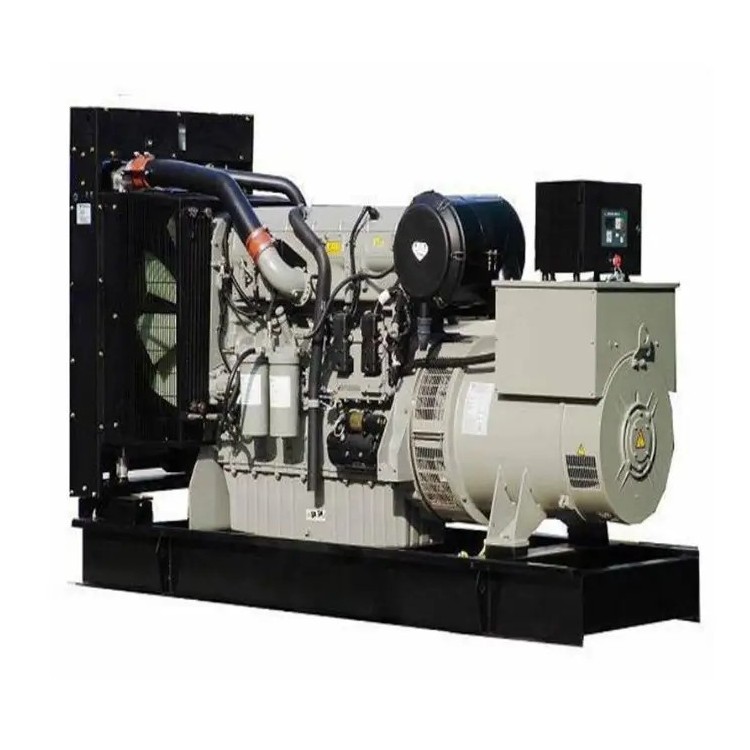
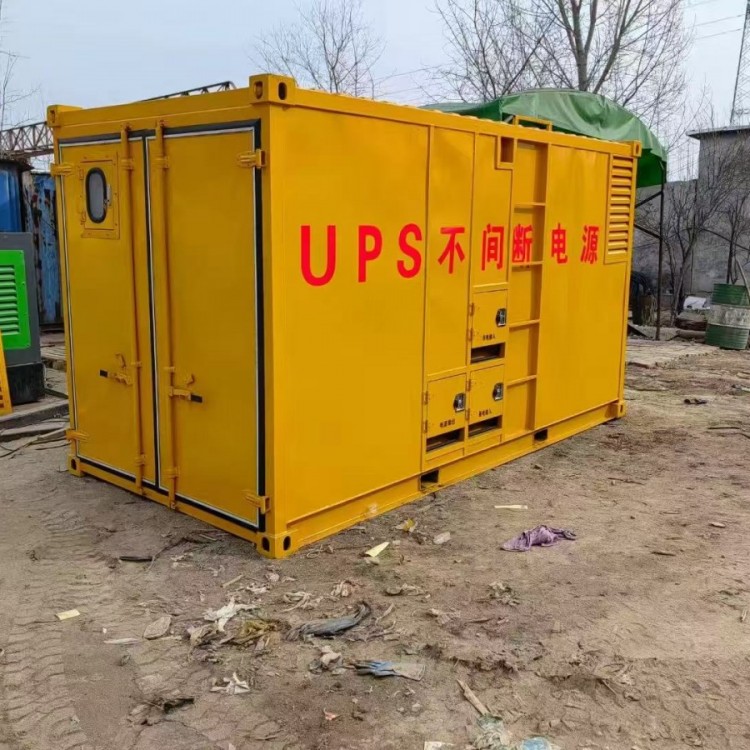
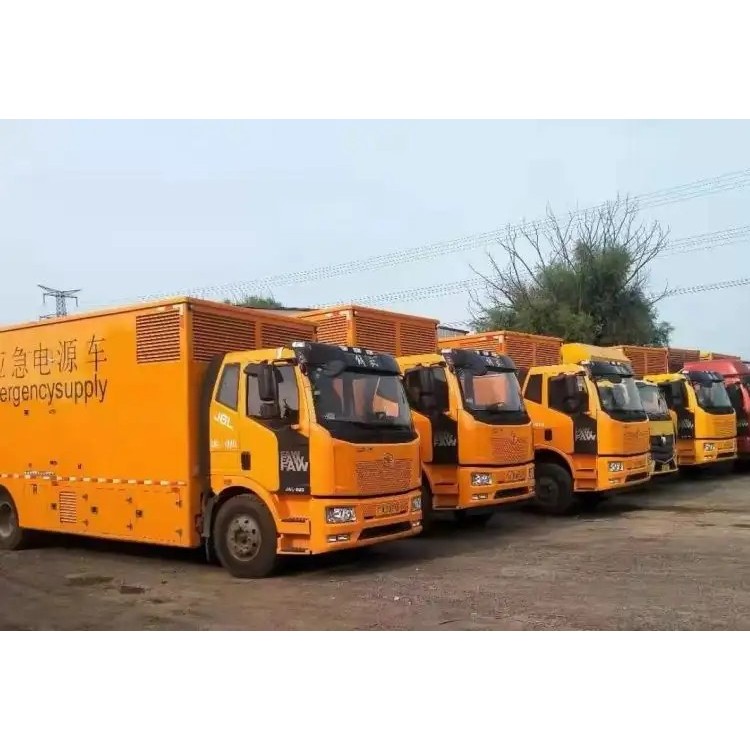
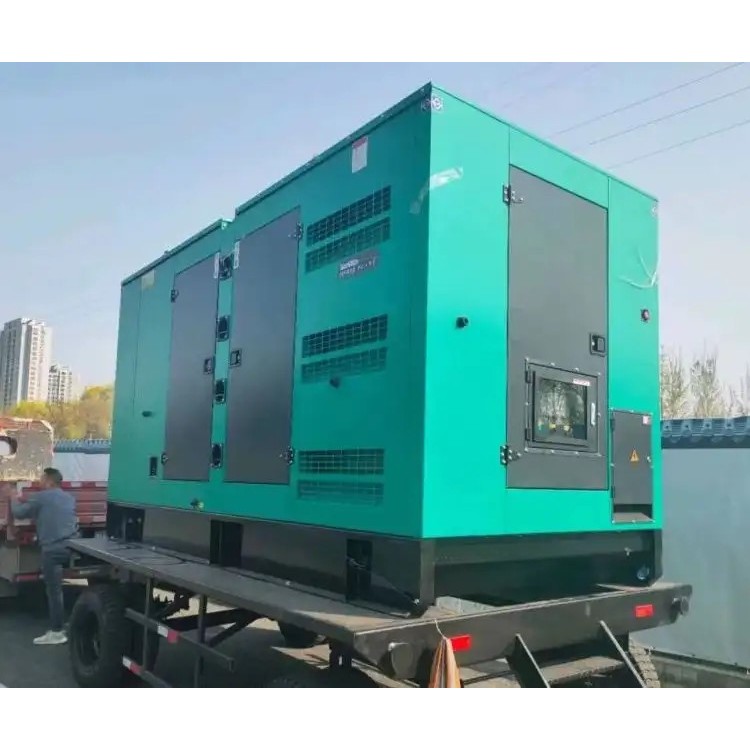
Generator rental refers to leasing a generator set to customers for use, with customers paying rent on a monthly or other agreed-upon basis. The applications of generator rental are extensive, including but not limited to:
Backup Power Supply: Provides continuous power for emergency lighting, fire protection equipment, and industrial production, ensuring a quick transition to the backup power source in case of a power outage or failure, thereby guaranteeing the normal operation of equipment and production.
2. Large UPS Power Supply System: Powers large UPS systems in conjunction with batteries, ensuring stable and reliable power supply.
Flexible Power Supply: The generators can operate independently or in parallel, offering flexible usage. They can serve as backup power during power outages or as fire emergency power, catering to various power needs in different scenarios.
II. Advantages of Generator Rental
Highly flexible: Generator rental services can be adjusted to meet the actual needs of the company, whether it's the rental duration, power capacity, or maintenance services, all can be customized according to the specific requirements of the business.
2. High Cost-Effectiveness: Renting a generator typically involves lower initial investment costs compared to purchasing one. Moreover, rental services often include professional maintenance and care, significantly reducing a company's operational costs and maintenance stress.
3. Risk Reduction: Generator rental services are typically provided by professional leasing companies, which usually have extensive industry experience and professional technical support, effectively mitigating the risks associated with power supply for businesses.
III. Steps and Precautions for Generator Rental
1. Power Demand Assessment: Evaluate the required power load, including equipment power, usage time, and potential peak demands. This helps determine the necessary generator power and capacity.
2. Site Inspection: Inspect the leased site to ensure the generator can easily enter and exit, and there is ample space for installation and operation.
3. Market Research and Choosing a Rental Company: Research rental companies and their service quality through online platforms, consulting industry professionals, or reviewing customer reviews. Select companies with a good reputation, business qualifications, and relevant certifications.
4. Determine Lease Terms and Conditions: Negotiate with the leasing company to set the start and end dates of the lease, as well as terms like rent and maintenance fees. Make sure the contract clearly outlines important details such as equipment model, specifications, quantity, lease duration, and payment methods.
5. Equipment Inspection and Operation: Upon receiving the generator equipment, conduct a thorough inspection to ensure the appearance, components, and instruments are in good condition. During operation, strictly adhere to safety operation procedures, regularly check the generator's operational status, and promptly shut down and inspect if any anomalies are detected, notifying the leasing company accordingly.
6. End of Lease & Return: At the end of the lease term, return the generator to the leasing company at the time and location as specified in the contract. Ensure the equipment is in good condition upon return.
Section 4: Market Prospects for Generator Rentals
With the accelerated modernization process and the continuous growth in electricity demand, the generator rental market holds vast prospects for development. Particularly in areas with frequent power shortages or frequent breakdowns, generator rental, as a reliable power guarantee solution, will be increasingly favored by more and more businesses. At the same time, as market competition intensifies, service quality and technical level will also become important aspects of competition for rental companies.
In summary, generator rental offers numerous advantages and market potential, providing businesses with a stable and reliable power supply guarantee. When selecting a leasing company and negotiating contracts, businesses should exercise caution and reasonableness to ensure their rights are protected.