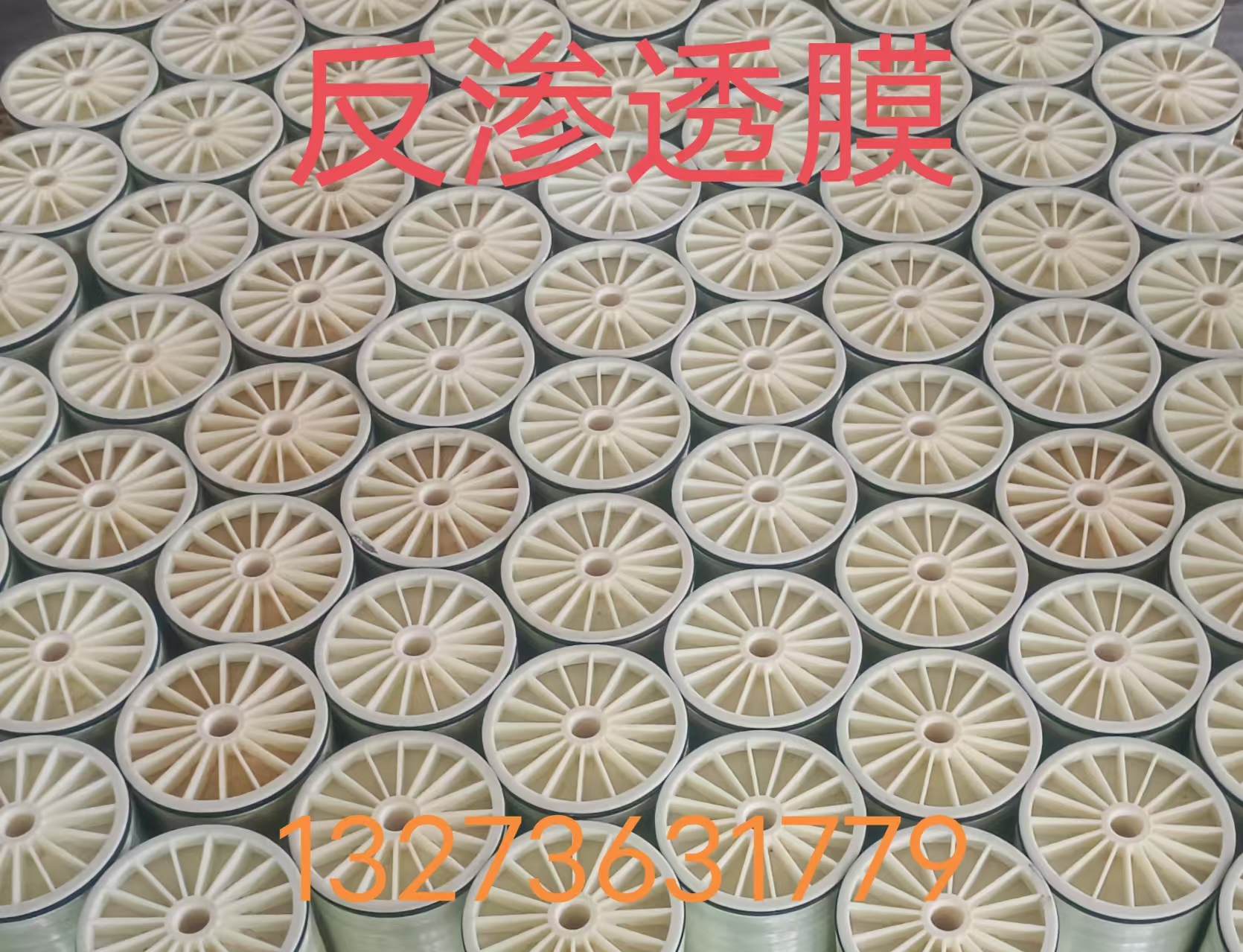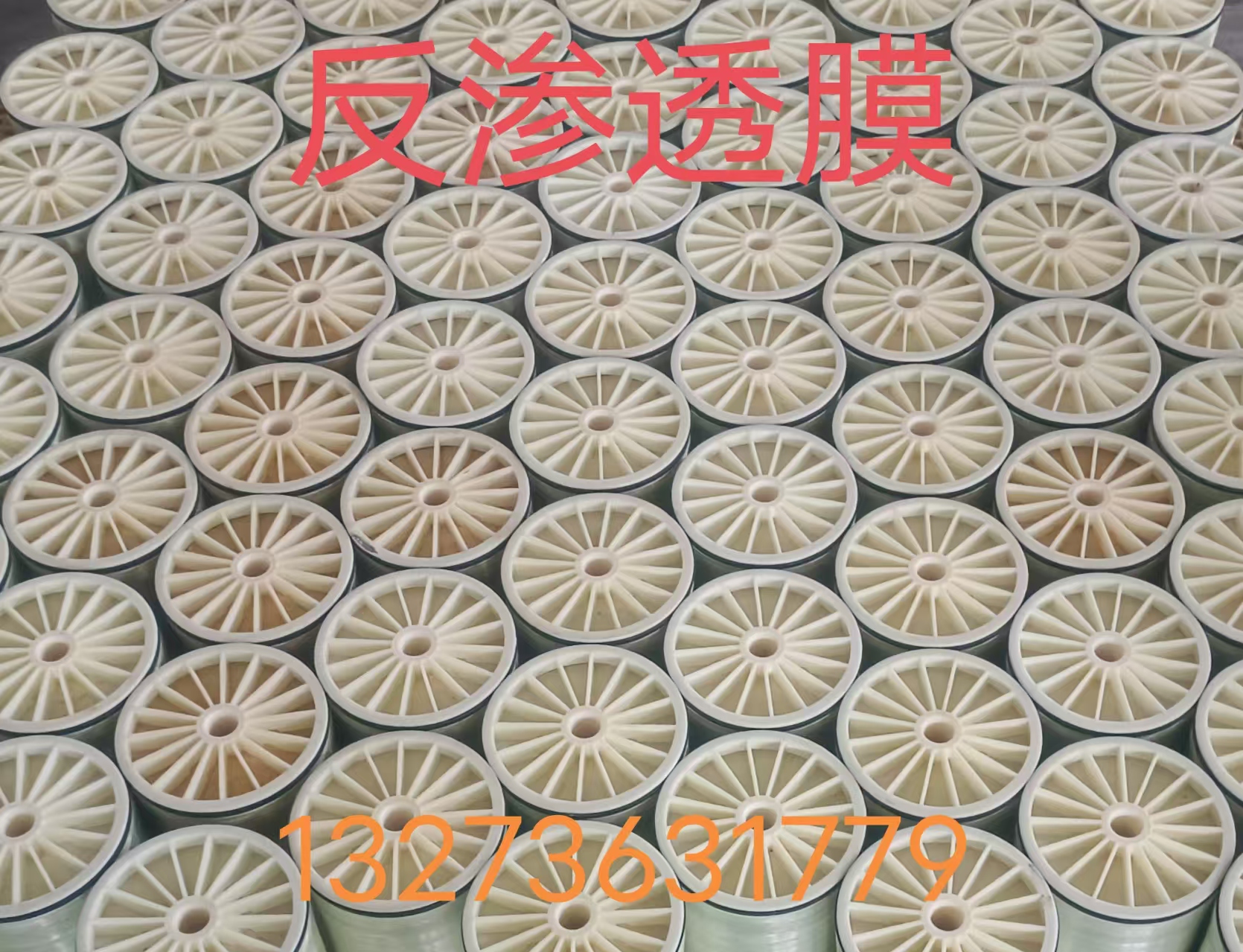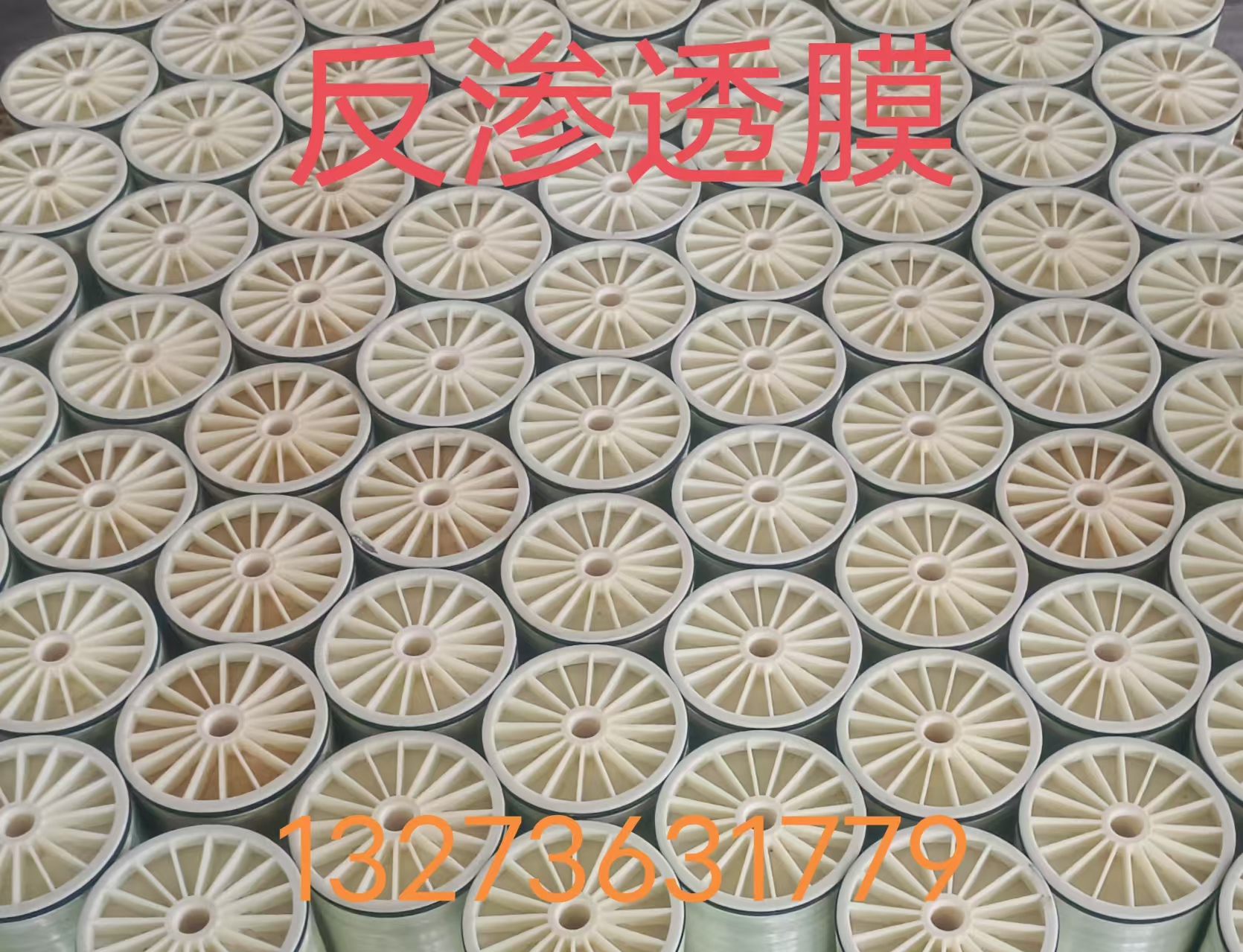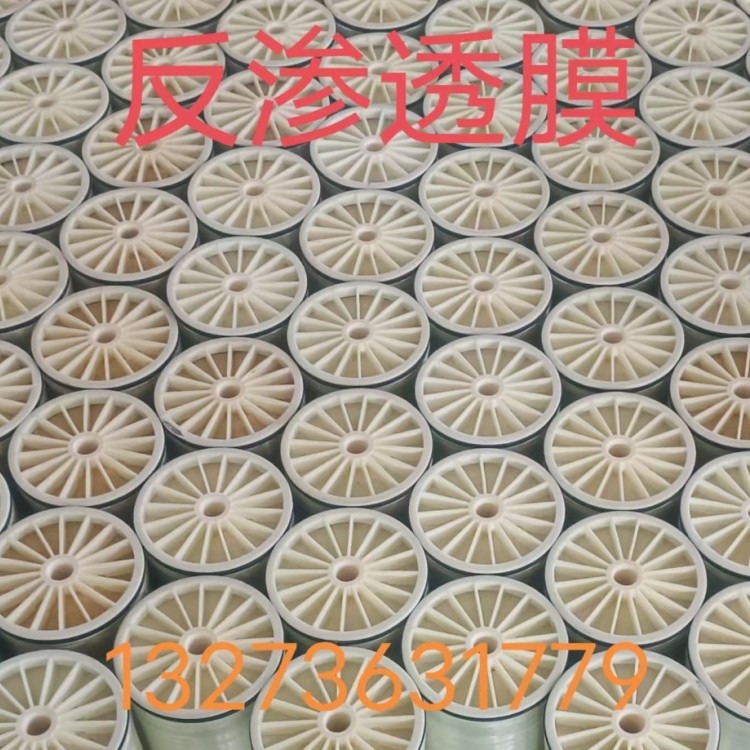


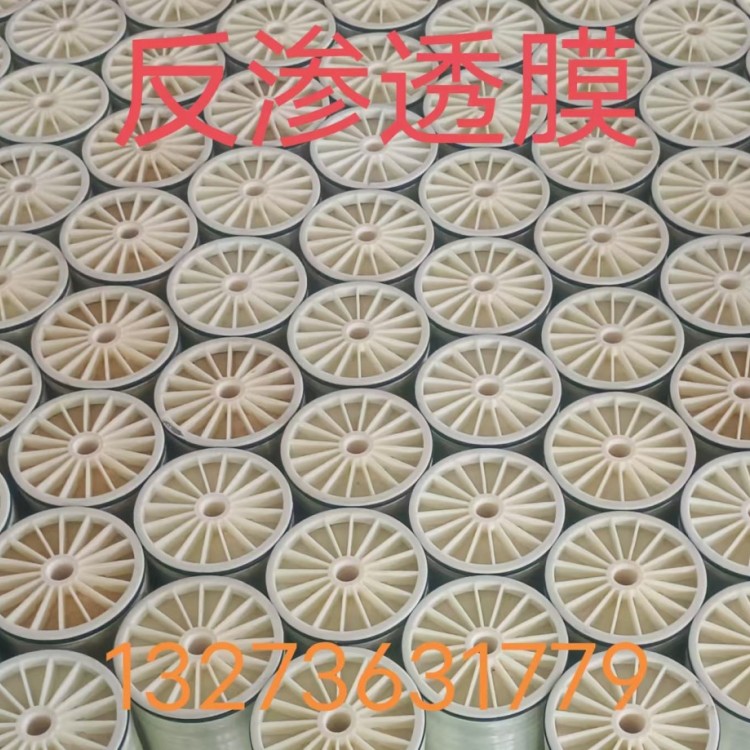









The working principle of reverse osmosis membranes is based on the osmosis phenomenon. By applying a pressure higher than the natural osmotic pressure, water molecules are forced to pass through the semi-permeable membrane in the opposite direction, thereby separating solutes from the solvent. The specific process is as follows:
Reverse Osmosis Process: When a pressure greater than the osmotic pressure is applied to the concentrated solution side, the solvent reverses its flow through the membrane, moving from the concentrated solution to the dilute solution. This process is known as reverse osmosis. In water purifiers, an increase in pressure is applied to tap water using devices like booster pumps, causing it to pass through the RO membrane under pressure. Due to the extremely small pore size of the RO membrane (about 0.0001 micrometers), only water molecules and a small amount of minerals are allowed to pass through, while the vast majority of impurities such as bacteria, viruses, heavy metal ions, organic matter, and soluble solids are effectively retained.
Application fields of reverse osmosis membranes include desalination of seawater and brackish water, boiler water softening, wastewater treatment, concentration of dairy products and juices, as well as separation and concentration of biochemicals and biological preparations. Reverse osmosis technology, due to its efficient and reliable purification capabilities and wide range of applications, has become an important component of modern water treatment.
Performance characteristics of the reverse osmosis membrane include high desalination rate, effective removal of bacteria, viruses, heavy metals, and other harmful substances, with low operational and labor costs, thereby reducing environmental pollution.