














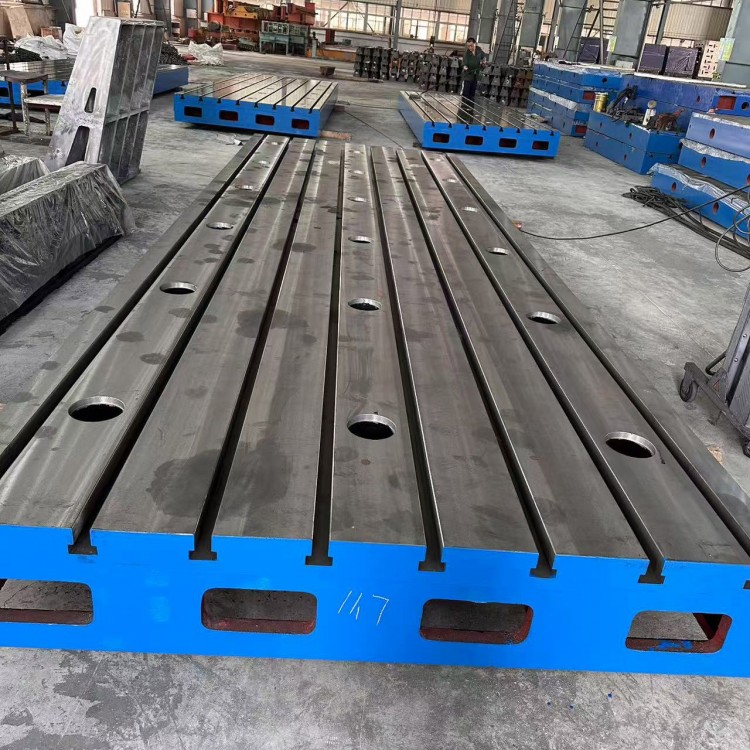
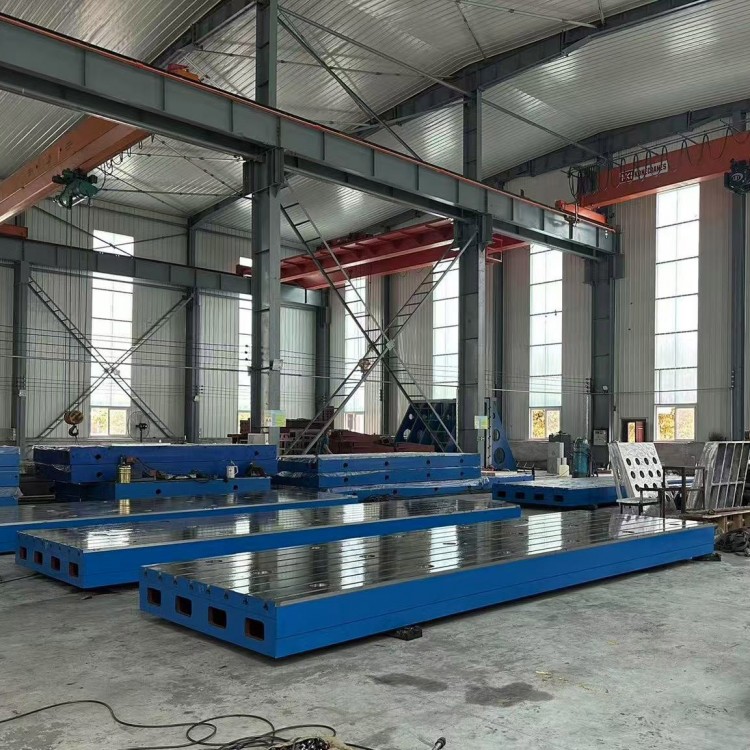


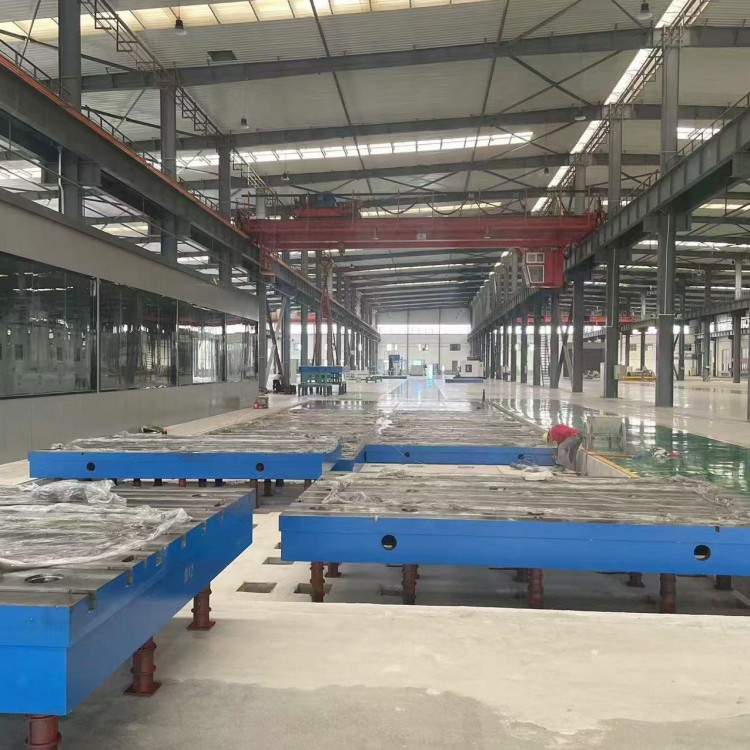
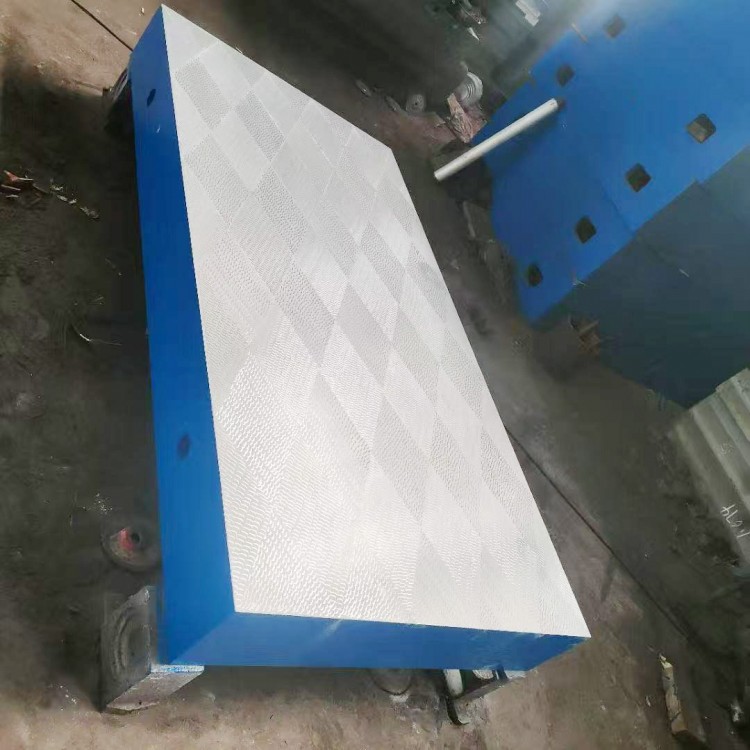
Bed frame castings are primarily used as blanks for machine parts, with some castings also suitable to be used directly as machine components.
Bed frame castings occupy a significant proportion in mechanical products, such as in tractors, the weight of castings accounts for approximately...50~70%In agricultural machinery, occupies40~70%Machine tools, internal combustion engines, etc.70~90%Among various castings, those used in machinery. More, shapes Complex and in high demand, accounting for approximately a certain percentage of the total casting output.60%Next are steel ingot molds for metallurgy and piping for engineering use.
The non-finished surface and appearance quality of the bed frame casting have a significant impact on the marketability of the casting product, including:
1Surface convexity (puckering, indentation, and sand inclusion)
2Surface or cavity cleanliness (adhered sand, adhered "coating layer");
3Flatness deviation (unevenness on non-machined surfaces)
4Surface roughness
5Edge definition (edge definition of structural units such as bosses, webbing, etc., assessed visually).
Bed frame casting requirements for the lost foam process:
Painting requirements: Use water-based graphite paint with a Baume degree of60-70Between stages,严禁moving before drying in the greenhouse to prevent deformation.
Brush coating requirements: Ensure the paint is well-mixed and do not expose any unpainted areas during application.
Curing Coating: The paint must achieve sufficient strength after curing.50-60℃ Drying24h。
Bed frame casting coating process technical requirements:
1Before painting the bed casting, inspect the casting for any surface irregularities and use tools to smooth them out. Clean any dirt from the surface.
2Mechanically machined bed casting, prior to painting Wash the surface with metal cleaner or clean industrial gasoline to remove oil stains and other impurities.
3Undercoat should be applied evenly by brushing, spraying, or dipping; ensure it is mixed well before use. Thoroughly mix well, then dilute to an appropriate concentration before applying.
4The atomized putty used to fill casting depressions should be mixed with the appropriate hardener according to the product's instructions prior to use. Stir thoroughly and uniformly.
5If you've used polyvinyl chloride to fill the depressions in the casting of the bed frame, the thickness of each scraping should not be too thick. The scraping thickness is generally0.5Approximately 1mm, each scraping coat Let the material previously applied by scraping dry before proceeding.
6Used chlorinated polyvinyl chloride to fill the indentation in the bed casting. After drying, sanding can proceed; a surface slurry and dusting are required after each sanding.
7The surface of machine tool castings after processing requires rust prevention water for polishing to prevent rust, as the polishing is done using water grinding technology.
8If exposed metal after polishing, skip the application of the matching undercoat.
9After the putty is sanded and cleaned, it needs to be coated with chlorinated polyethylene. Undercoat to enhance the flatness and luster of the film.


















