














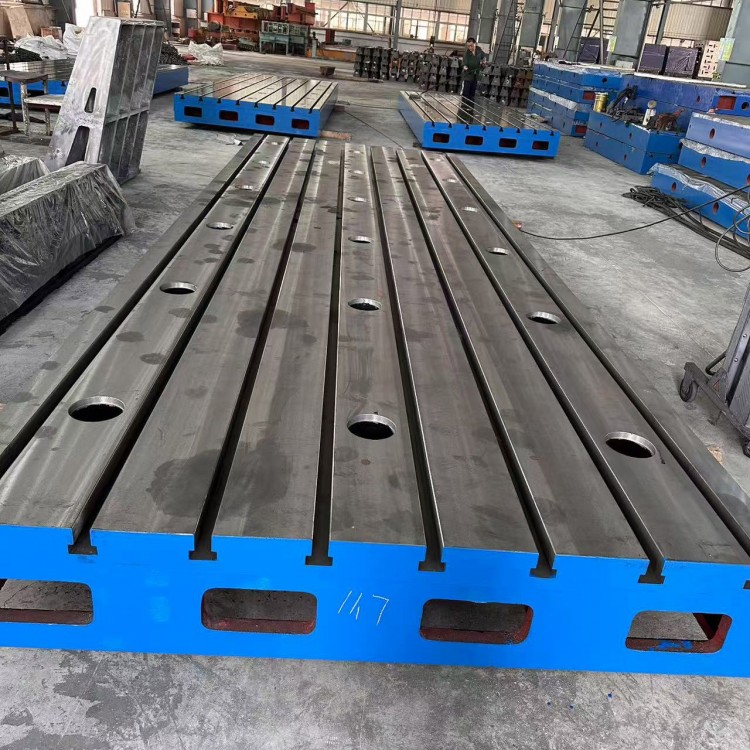
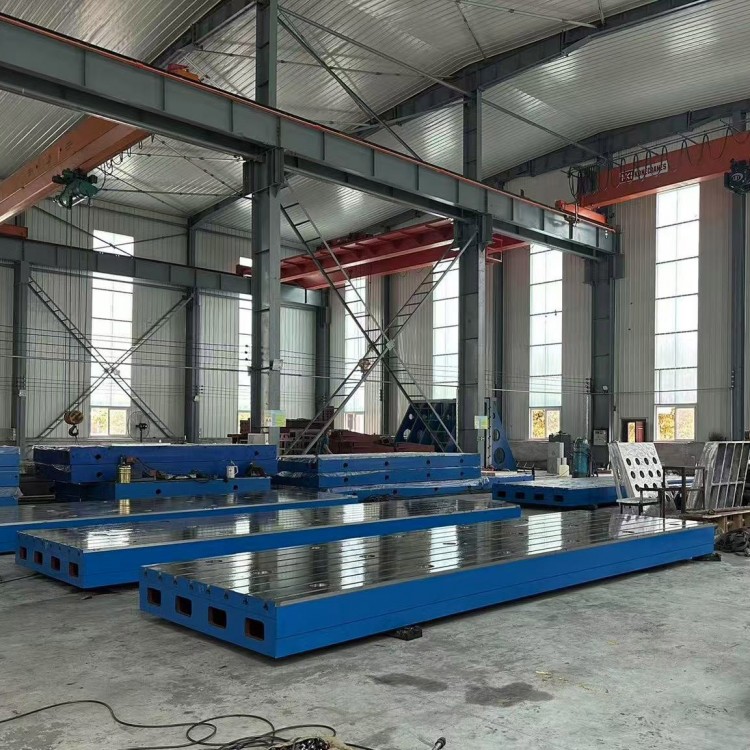


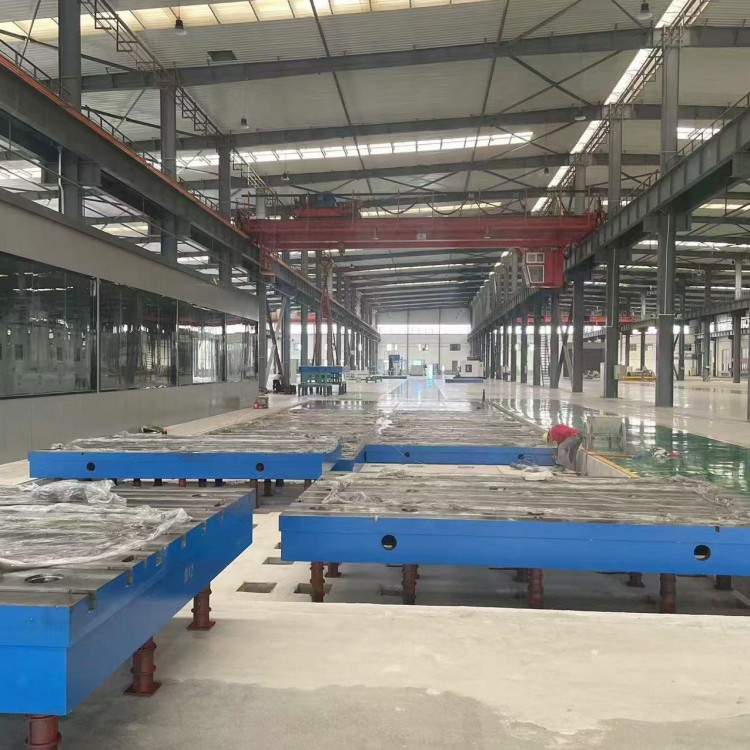
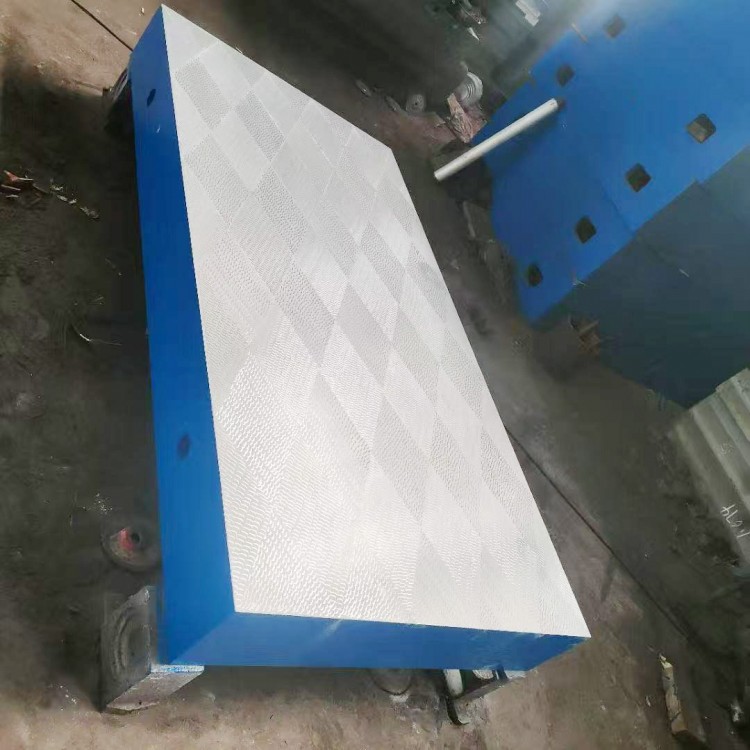
Square vibration-damping pads are placed under the equipment base with a pad iron assembly. By adjusting the thickness of the pad iron assembly, the equipment can reach the required installation height and level. This also facilitates secondary grouting, ensuring that all parts of the equipment base make full contact with the foundation, and that the foundation evenly bears the weight of the machinery and the forces generated during operation.
1Classification and application range of shims. Rectangular shims (also known as flat shims) are used for equipment that bears main loads and strong continuous vibrations.
2Slanting shims, also known as slanting insert shims, are mostly used in areas that do not bear the main load (the main load is basically carried by the grouting layer). A flat shim should be placed beneath the slanting shim.
3Lapped shims are commonly installed in the form of brackets on metal structures or flat surfaces, and they support smaller areas, with the equipment consisting of two or more base feet; hook head pairs with slanted shims.
Three-Layer Iron Pad Installation Method:
The floor for installing machine tools can be concrete or wooden, with a requirement for flatness and strength.
During installation, unscrew the adjustment screw, place the machine tool on the load plate of the wedge iron, and then screw the bolt in from above.
Adjust machine tool guide rail level; clockwise rotation raises the machine, counterclockwise rotation lowers it; tighten the nut after adjustment.
In the machine tool installation area, if the height difference of the foundation plane exceeds the adjustment range of this product, shims can be added between the machine tool and the load disk.
Machine tool vibration damping rubber has a creep phenomenon, to be treated.14The market is trending stable, hence the requirement for machine tools usage.14Adjust the horizontal level again after the day.


















