















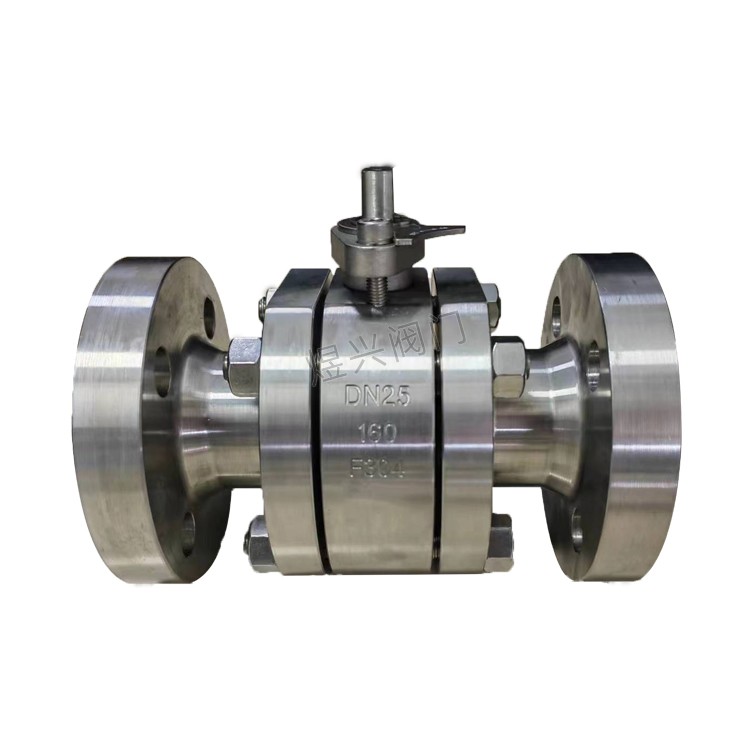
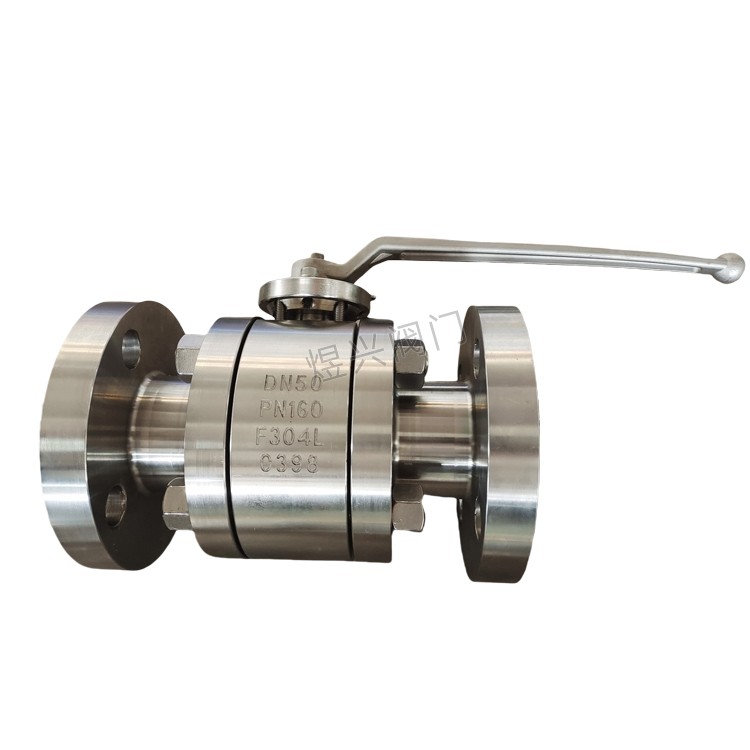
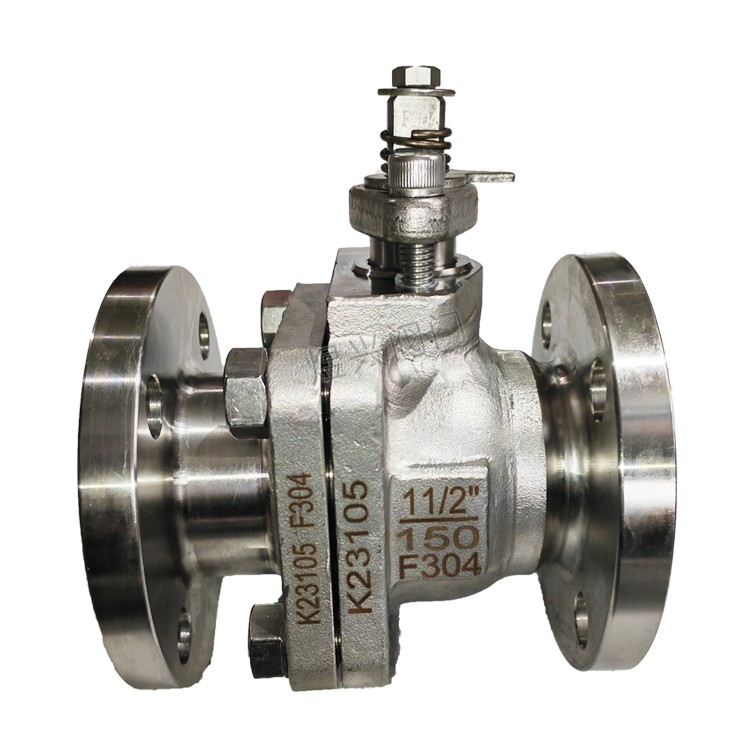


A high-temperature and high-pressure electric forged steel ball valve is a device that uses an electric actuator to achieve the opening or closing of the valve through the rotation of a ball core or plunger. It is particularly suitable for controlling fluid media in high-temperature and high-pressure environments, such as in the oil, chemical, metallurgy, and power industries.
Working Principle
Electric high-temperature globe valve operates by driving the motor with an electric actuator, which in turn rotates the valve stem and ball to achieve the opening and closing of the valve. Upon receiving a control signal, the electric actuator drives the motor to rotate, rotating the valve stem and ball to open or close the valve.
Structural Features
High Temperature Resistance: Utilizes special materials and processing techniques to operate normally in high-temperature environments.
Excellent Sealing: The spherical sealing structure ensures superior sealing performance, suitable for various media.
Easy Operation: The introduction of an electric actuator makes the valve operation simpler and more flexible, allowing for remote control of the valve's on/off.
Metal Hard Sealing: Utilizes metal hard sealing technology to enhance the valve's wear and corrosion resistance, suitable for highly corrosive media or fluids containing particles.
Application Fields
Electrical high-temperature ball valves are widely used in various fields:
Industrial Automation Control Systems: Achieve control and adjustment of fluid media in industries such as conveyance pipelines, water treatment, chemicals, oil, and natural gas.
HVAC System: Used for cooling water supply and recovery, as well as controlling air flow to ensure the operation of the air conditioning system and achieve energy saving and consumption reduction.
Wastewater System: Control the flow and direction of wastewater in污水处理 and water quality monitoring, optimizing the wastewater treatment process.
Food and Beverage Processing: Utilized for liquid conveyance and flow control, ensuring the sanitation and safety of the processing process.
Life Sciences: Control the flow and direction of media in pharmaceutical production and laboratory research equipment, ensuring accuracy and reliability of experiments and production.


















