














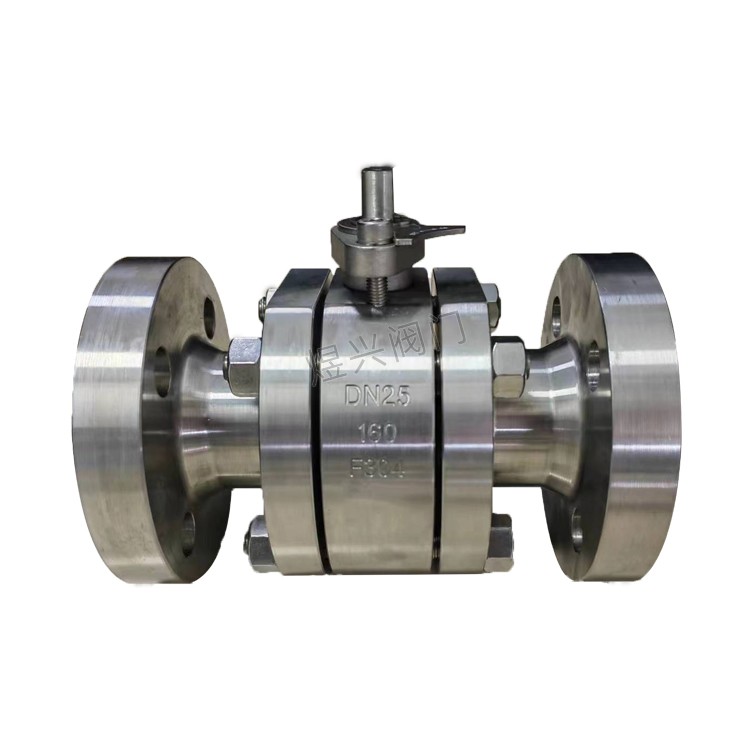
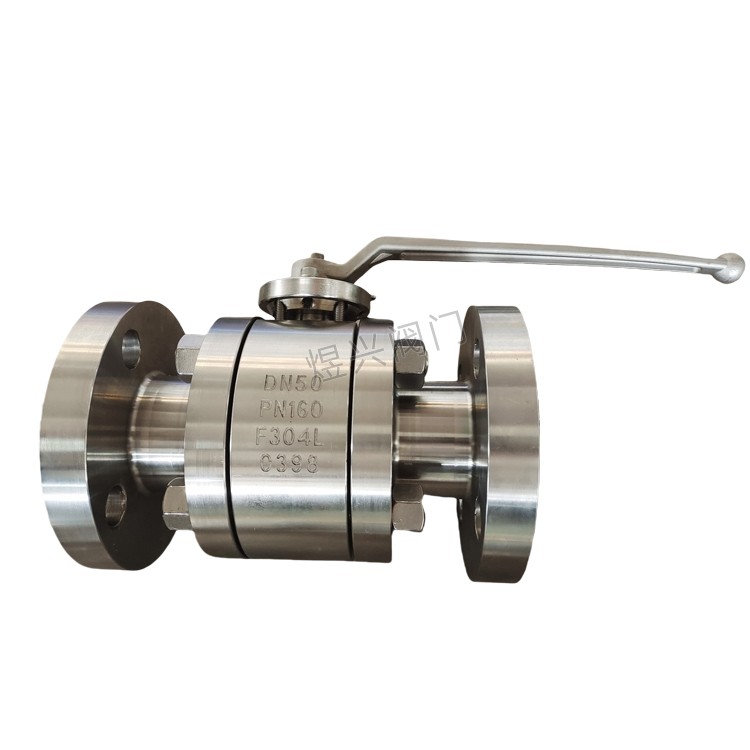
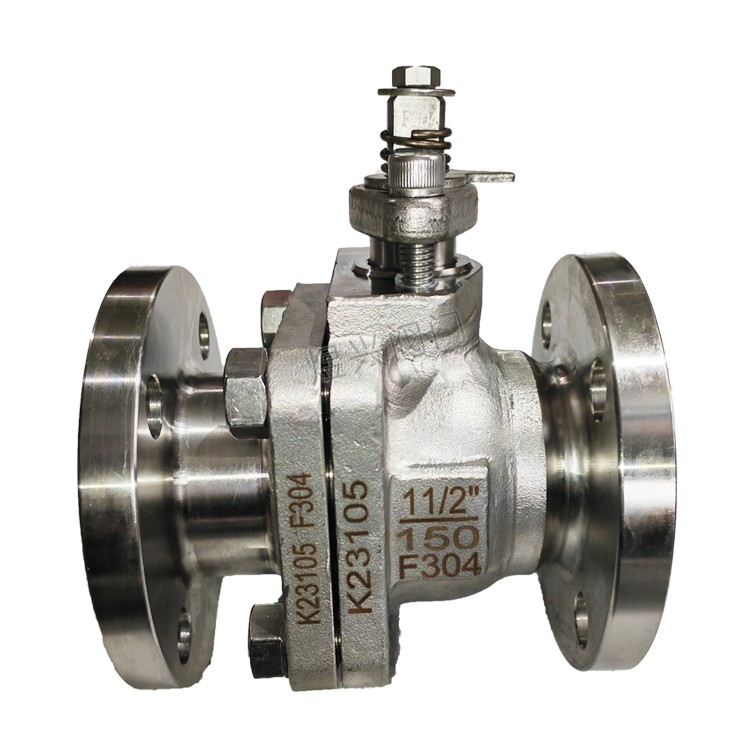


Electrical flanged ball valves are important actuators in industrial automation control systems, primarily used for controlling the opening and closing of fluids as well as their regulation. They consist of two parts: the electrical actuator and the ball valve. The electrical actuator is responsible for receiving control signals and driving the motor to rotate, while the ball valve section includes components such as the valve body, ball, seat, and valve stem.
Operating Principle
The working principle of an electric flanged ball valve is relatively simple. Upon receiving control signals from the control system, the electric actuator drives the motor to rotate, which in turn causes the ball to rotate around the valve stem axis via a transmission mechanism (such as gears, worm gears and screws). When the ball rotates to align with the passage, fluid can flow smoothly; when it rotates to be perpendicular to the passage, it blocks the fluid flow. The opening and closing of the ball valve can be controlled by changing the control signals.
Types and classifications
Electric flanged ball valves can be categorized into various types based on their structure and application. For instance, they can be classified as electric flanged ball valves, electric wafer ball valves, electric welding ball valves, and electric threaded ball valves, depending on the connection method. They can also be categorized as soft-seated electric ball valves and hard-seated electric ball valves based on the sealing type. Additionally, there are floating ball ball valves, fixed ball ball valves, track ball valves, V-type ball valves, and three-way ball valves, among others.
Application Fields
Electrical flanged ball valves are widely used in various fields due to their reliability and ease of remote control. For instance:
Industrial Automation Control System: Remote on/off control for pipeline media.
HVAC System: Used for cooling water supply and recovery, as well as air flow control.
Wastewater Treatment and Water Quality Monitoring System: Used for sewage treatment and water quality monitoring.
Food and Beverage Processing: Used for liquid transfer and flow control.


















