
















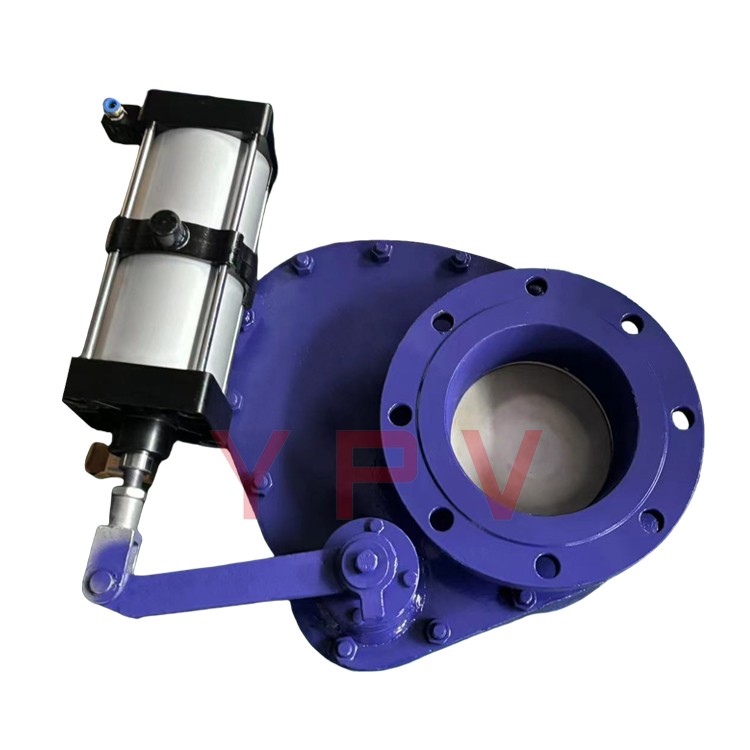


Nominal Diameter: DN50mm~DN600mm (2"~24")
Nominal Pressure: PN 1.6~6.4 MPa (150~300 Lbs)
Operating Temperature: ≤ 200℃
Material: Carbon Steel
Medium: slag, coal ash, mud, slurry, wastewater, etc.
Widespread Applications: Power, oil, chemicals, metallurgy, mining, wastewater treatment, etc.
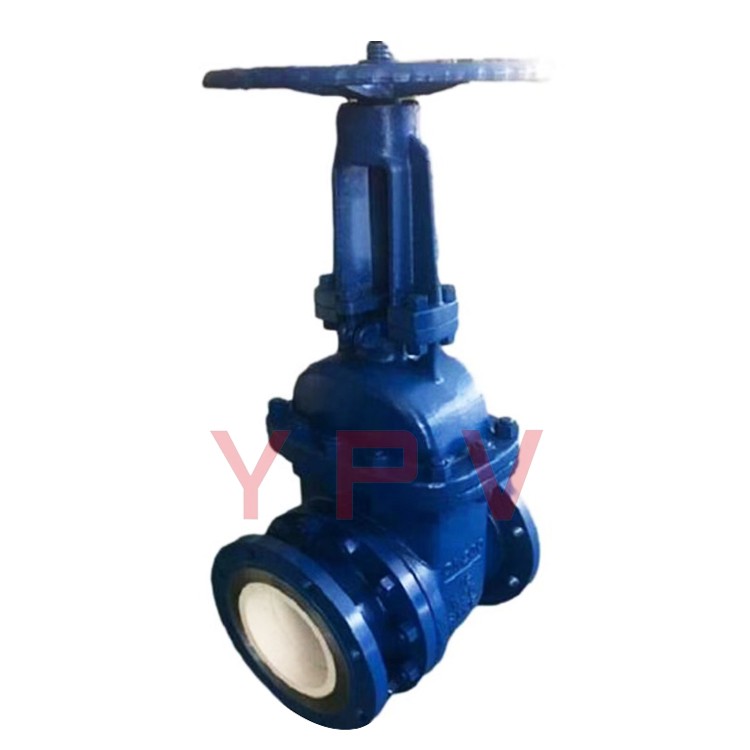
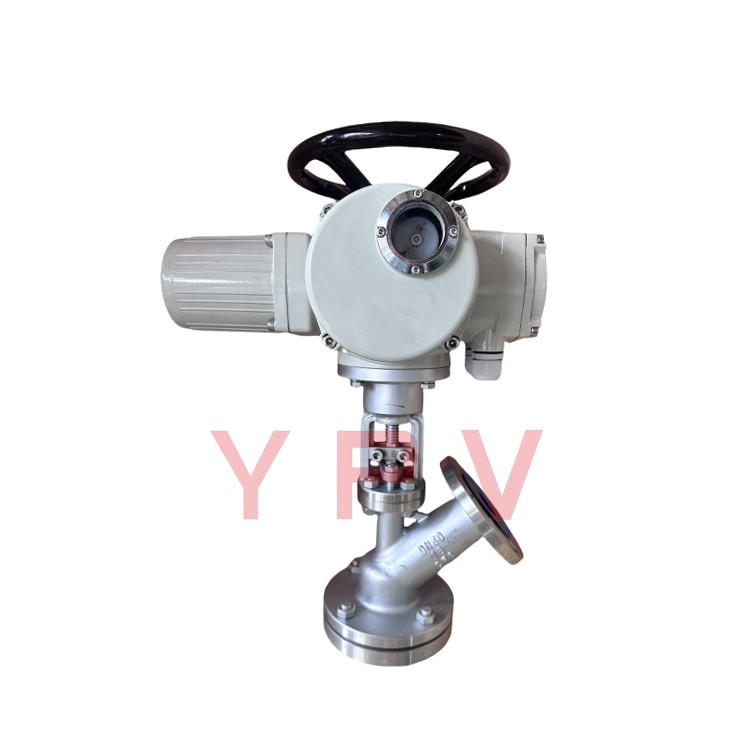
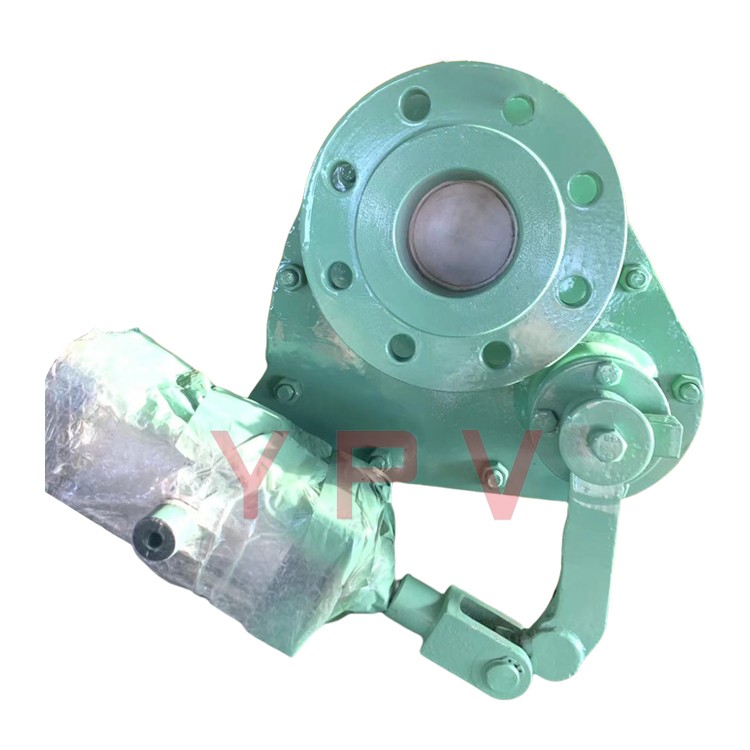
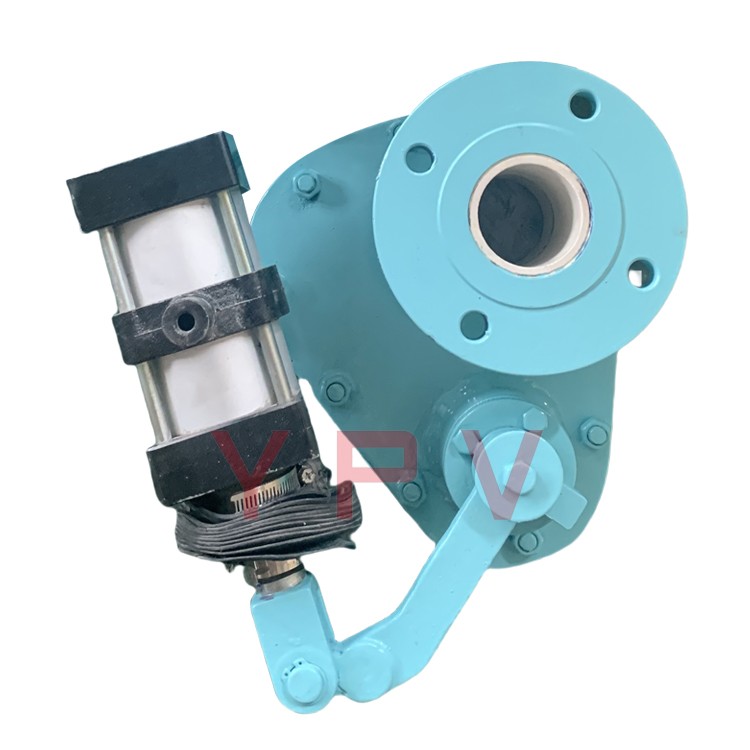
Manual Ceramic Sediment Valve is a high-performance valve, particularly suitable for mediums containing solid particles and granules. Its main features are the use of ceramic materials for the sealing surface and valve passage, offering advantages of abrasion resistance, corrosion resistance, and non-deformation at high temperatures. The manual ceramic sediment valve is commonly used in pipelines of mining, power plants, petrochemical, metallurgical, and other industries to cut off or connect the medium in the pipeline.
Structural Features
The sealing surface and valve passage of the manual ceramic slag discharge valve are made of ceramic material, enhancing the valve's wear and corrosion resistance, significantly extending its service life. Its structural design ensures no slag accumulation within the valve body, a tight closure, and is particularly suitable for severe wear conditions. Additionally, the valve cavity features slag guiding grooves, which automatically expel slurry, preventing slag buildup at the valve bottom and ensuring a secure closure.
Application Scenarios
Manual ceramic slag valves are widely used in the following scenarios:
Mine: Used for coal, slag slurry, etc.
Power Plant Desulphurization: For ash slurry.
Petroleum Industry: Suitable for catalytic cracking systems and harsh conditions with particles.
Metallurgy Industry: Coal, slag slurry, etc. for steel industry use.
Pulp and Stock Water Mixture: Used in the papermaking industry.
Water Treatment Plant: Used for wastewater, sludge, refuse, and clarified water containing suspended matter.
Operation and Maintenance
The manual ceramic slag discharge valve is driven by a handwheel for opening and closing, offering simple operation and low purchase and maintenance costs without the need for complex electrical control cabinets or cylinders. During use, it is essential to regularly inspect the valve's sealing and wear conditions to ensure proper functioning. Moreover, the internal cavity of the valve body can be treated to achieve anti-scaling, anti-corrosion, and anti-wear properties, further extending its service life.


















