
















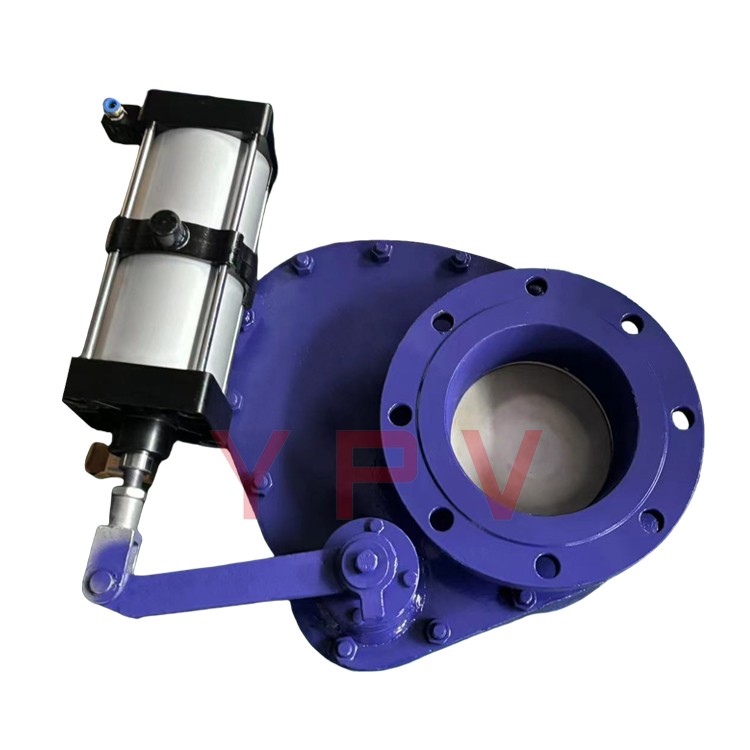


Nominal Pipe Size: DN50mm~DN600mm (2"~24")
Nominal Pressure: PN 1.0~6.4 MPa (150~300 Lbs)
Applicable Temperature: ≤ 200℃
Material: Carbon Steel
Medium: fly ash, peat, cinder, slurry, wastewater, etc.
Widespread Applications: Metallurgy, steel, mining, electricity, coal transportation, cement, water treatment, etc.
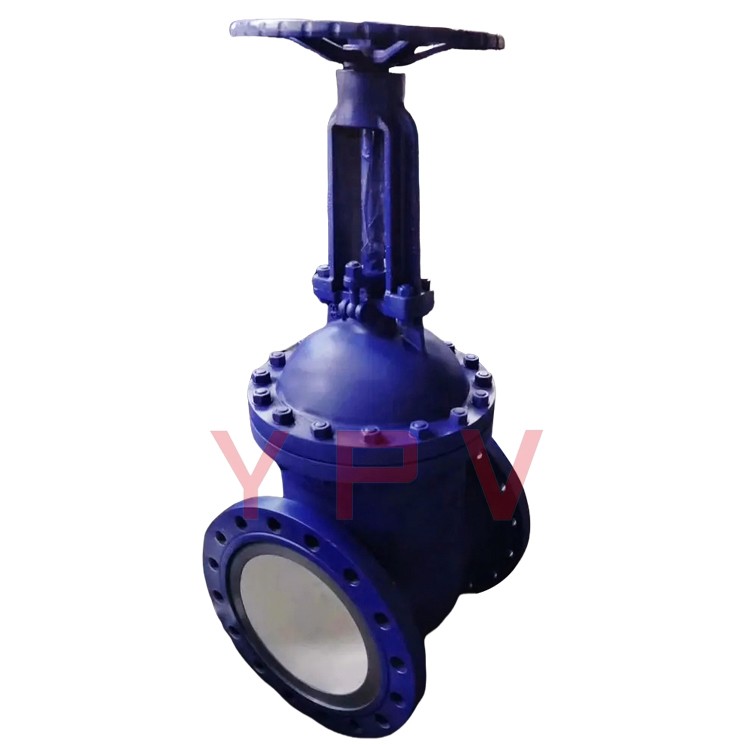
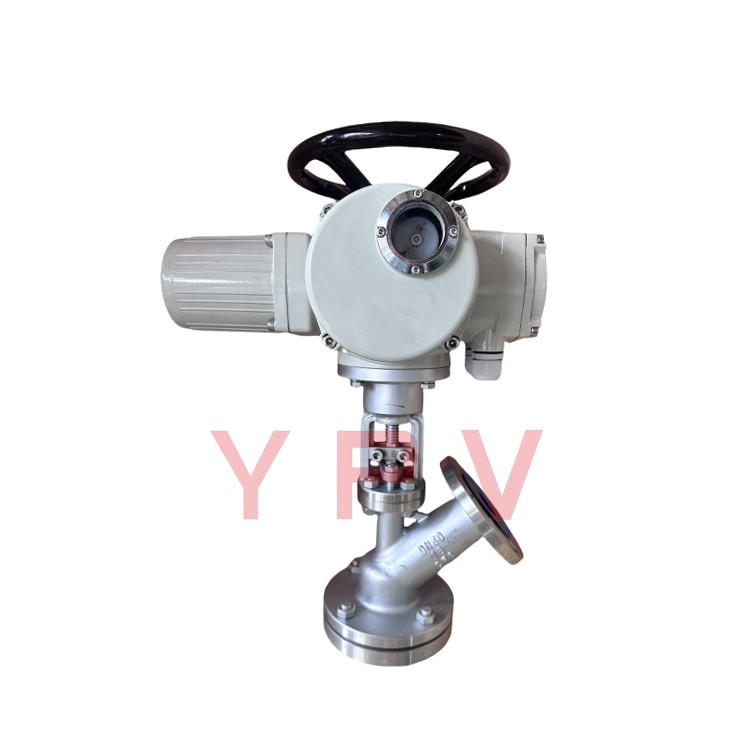
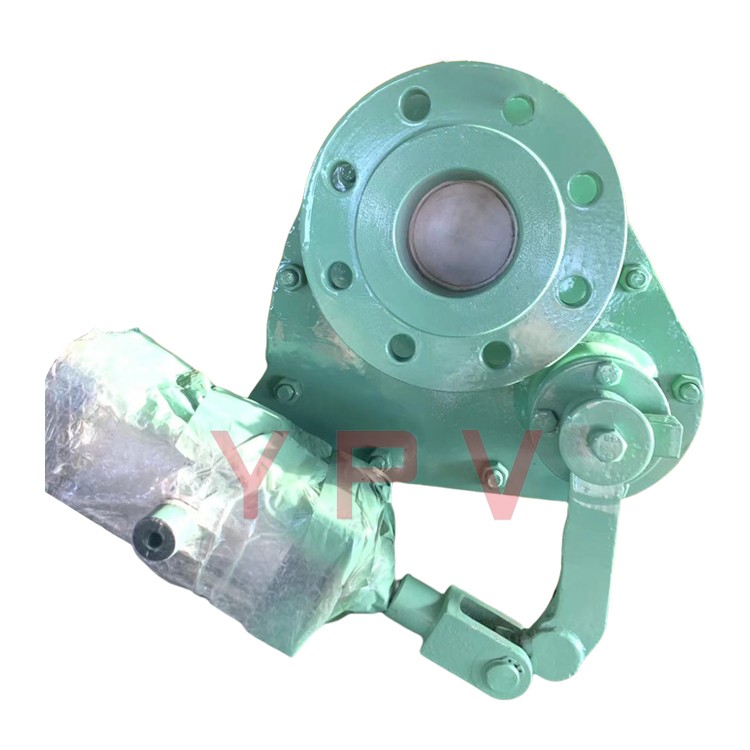
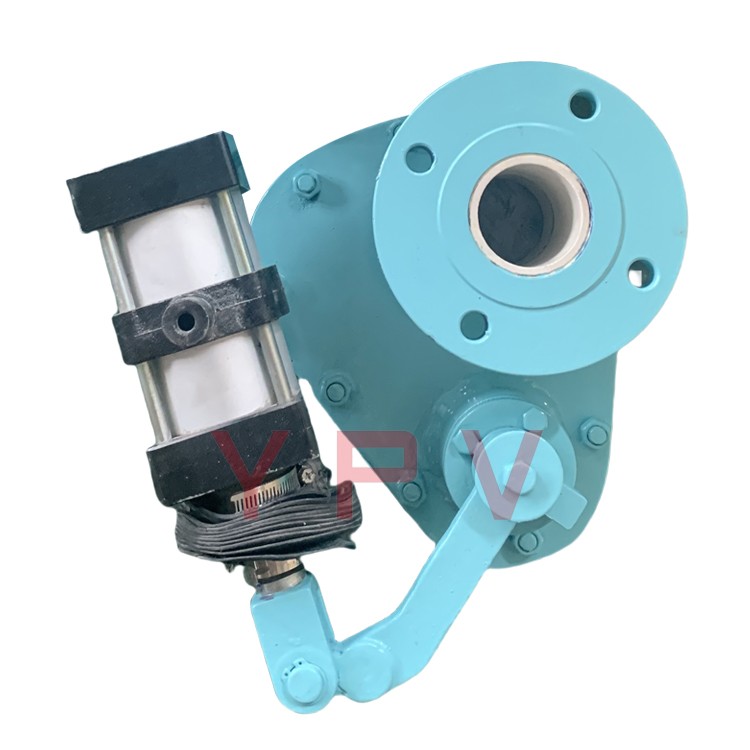
Manual Ceramic Gate Valve is a valve that replaces the hard-faced alloy seal surface of a conventional gate valve with a ceramic sealing surface component. It features a ceramic sealing surface body, a locking device, and sealing filler, which are characterized by wear resistance and corrosion resistance.
Corrosion-resistant, high-temperature resistant, easy to maintain, and long-lasting features, suitable for power, chemical, defense, scientific research, and other fields.
Structural Features
The ceramic sealing surface body of this manual ceramic gate valve is made of ceramic material, featuring a circular ring with a right-angled trapezoidal cross-section on the outer side, and a conical surface. The locking mechanism is annular with internal threads and a conical surface, designed to secure the ceramic sealing surface body and packing.
The material is tightly pressed against the valve seat and valve disc. This design allows the valve to maintain excellent performance under high wear and strong corrosion conditions.
Application Scenario
Manual ceramic gate valves are widely used in pipeline systems for potable water, wastewater, construction, petroleum, chemical industry, food, light industry, textiles, electricity, shipping, metallurgy, and energy systems, serving as regulating and shutoff devices. Particularly in...
In high-wear and strong-corrosive environments, manual ceramic gate valves excel, significantly extending the valve's lifespan and reducing maintenance costs.
Performance Features
Abrasion-resistant: Ceramic materials feature high hardness, effectively resisting wear from hard particle media in fluids.
Corrosion Resistance: Ceramic materials exhibit excellent chemical inertness, capable of resisting erosion by various corrosive media.
High Temperature Resistance: Certain ceramic materials can withstand high-temperature environments, suitable for high-temperature processing applications.
Easy to Maintain: The structural design of the ceramic gate valve makes maintenance and replacement relatively simple.
Longevity: Due to their wear and corrosion-resistant properties, ceramic gate valves have a significantly longer lifespan than traditional metal valves.


















