
















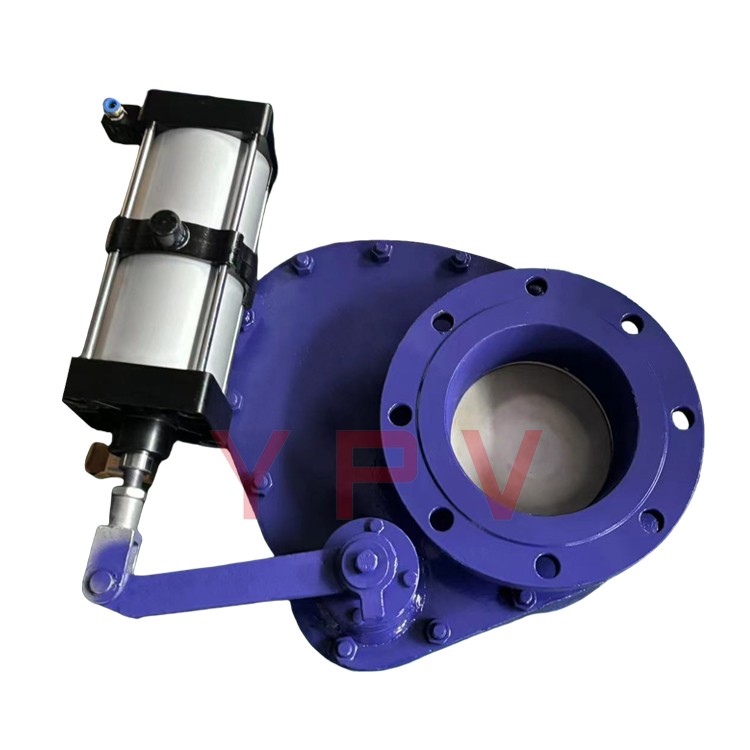


Nominal Pipe Size: DN50mm~DN1000mm (2"~40")
Nominal Pressure: PN 1.0~2.5 MPa (150~300 Lbs)
Operating Temperature: ≤ 200℃
Material: Carbon steel, stainless steel, etc.
Medium: Coal mine, slurry, coal slag, and other solid particles
Widespread Applications: Power Plants, Mines, Coal Handling Plants, Cement Plants, Coal Selection Plants, etc.
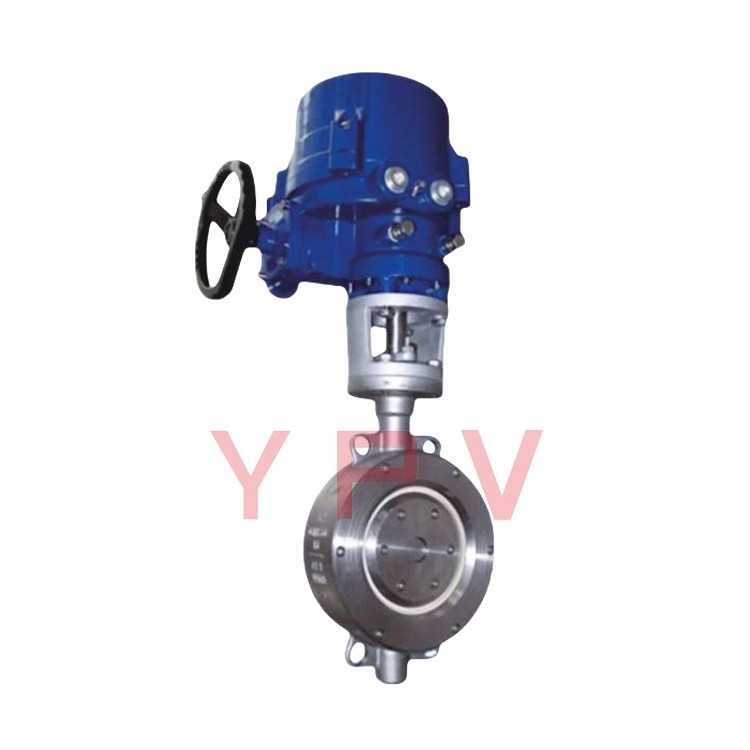
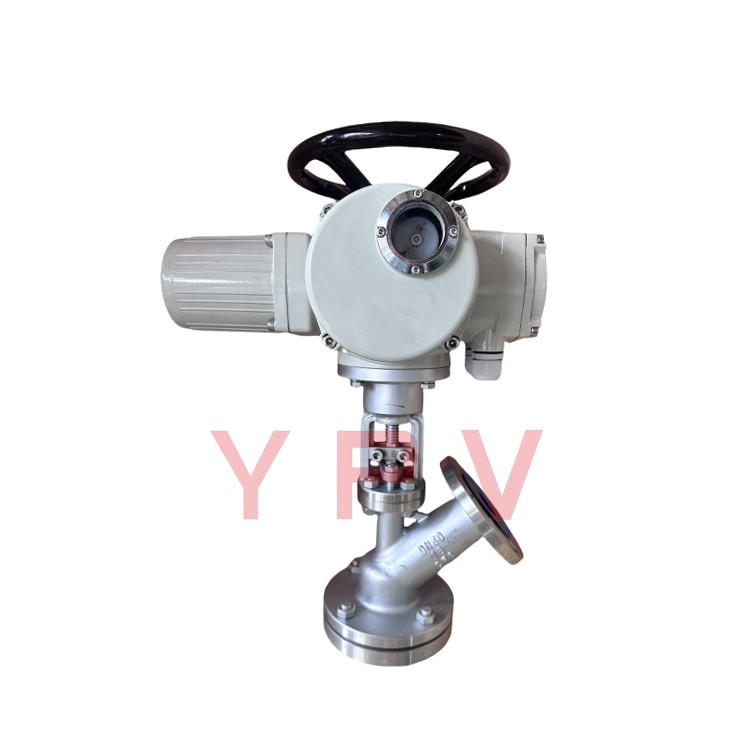
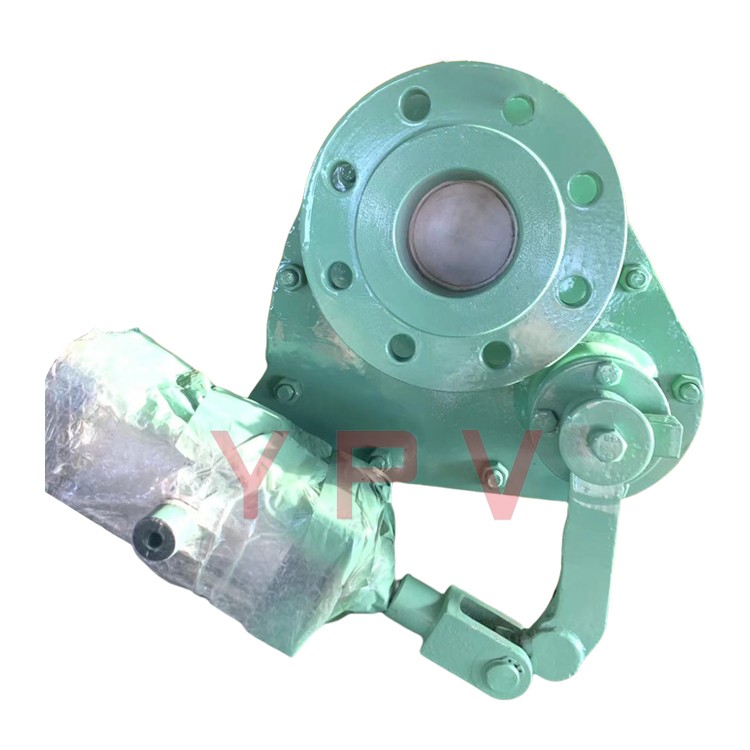
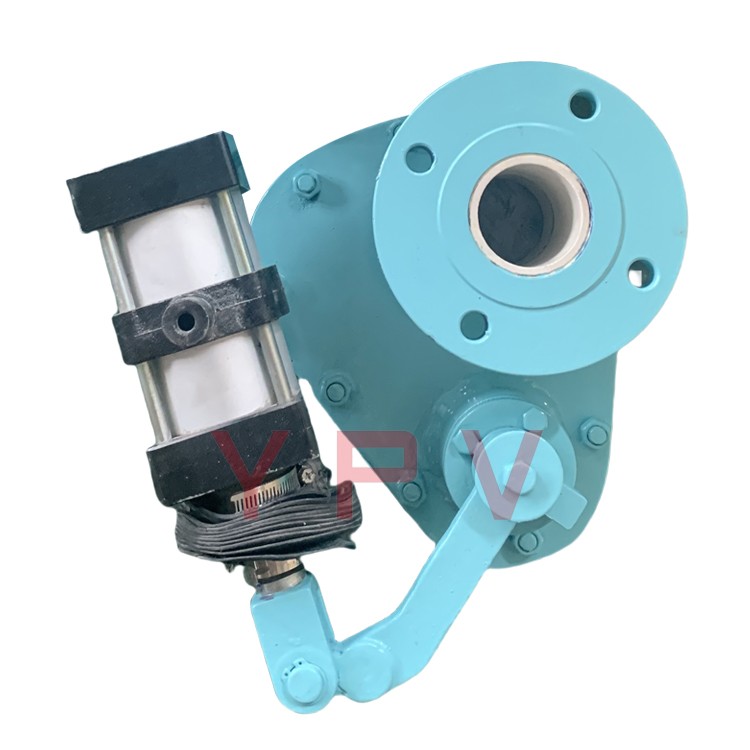
Electromagnetic ceramic butterfly valve is a valve that combines electric drive with ceramic materials, featuring high hardness, excellent corrosion resistance, and high wear resistance, suitable for various harsh operating conditions.
Definition and Working Principle
An electric ceramic butterfly valve is a type of valve that uses a circular butterfly plate as the opening and closing element. It operates by rotating with the valve rod to open, close, and regulate the fluid passage. The butterfly plate is installed along the diameter of the pipeline, within the cylindrical channel of the valve body. The circular butterfly plate rotates around the axis, with a rotation angle between 0° and 90°. When the butterfly plate rotates to 90°, the valve is fully open; at 0°, it is fully closed.
Structural Features
Electrical ceramic butterfly valves typically consist of an angular travel electric actuator and the butterfly valve body. The angular travel electric actuator provides power to rotate the butterfly plate around its axis, thereby enabling the valve's opening, closing, and regulating functions. It features a simple structure with fewer components, making it easy to install and dismantle. Additionally, it is compact and lightweight, convenient for carrying and installation.
Application Scenario
Electromagnetic ceramic butterfly valves are widely used in the fields of petrochemicals, chemicals, power, environmental protection, water conservancy, heating, water supply and drainage, industry, and machinery. Due to their excellent corrosion resistance, high-temperature resistance, wear resistance, and erosion resistance, they can replace butterfly valves made with precious metals, and their service life is comparable, if not longer.
Sealing Principle
The sealing principle of electric ceramic butterfly valves involves creating a sealed space between the valve seat and body through various sealing methods to control and seal fluids. Common sealing methods include rubber sealing, elastic metal sealing, and metal sealing. Rubber sealing is suitable for fluids at normal temperatures and low pressures, while elastic metal sealing and metal sealing are used for fluids at high temperatures and pressures.


















