
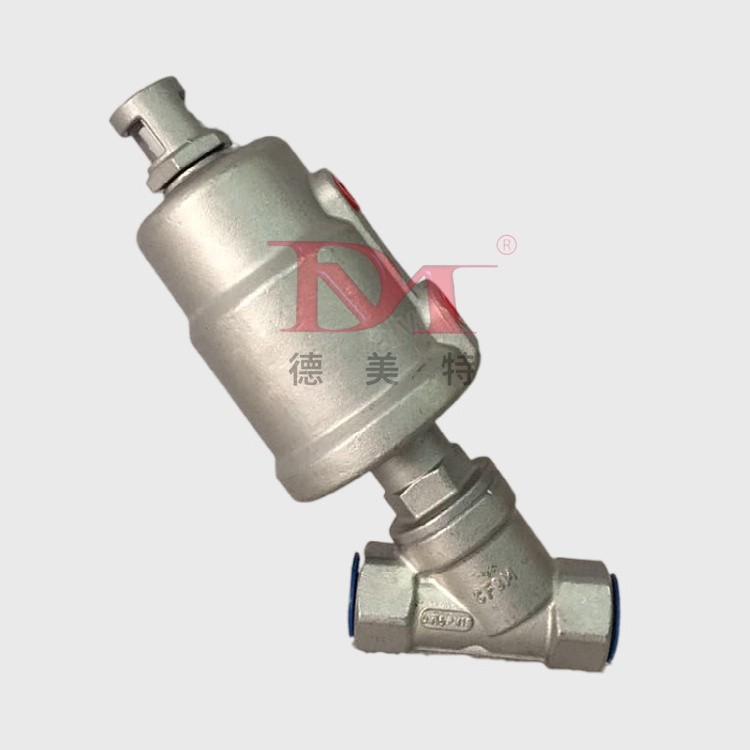

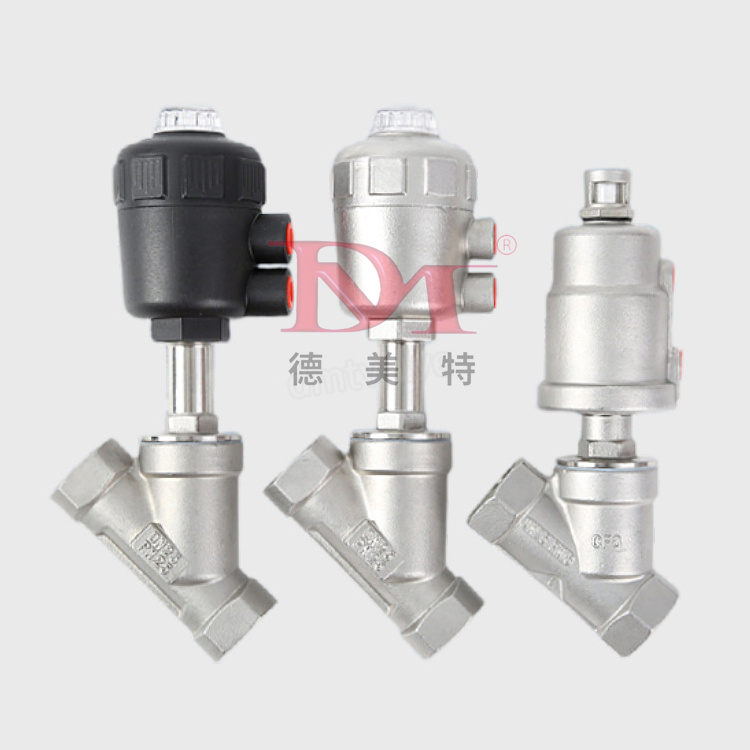












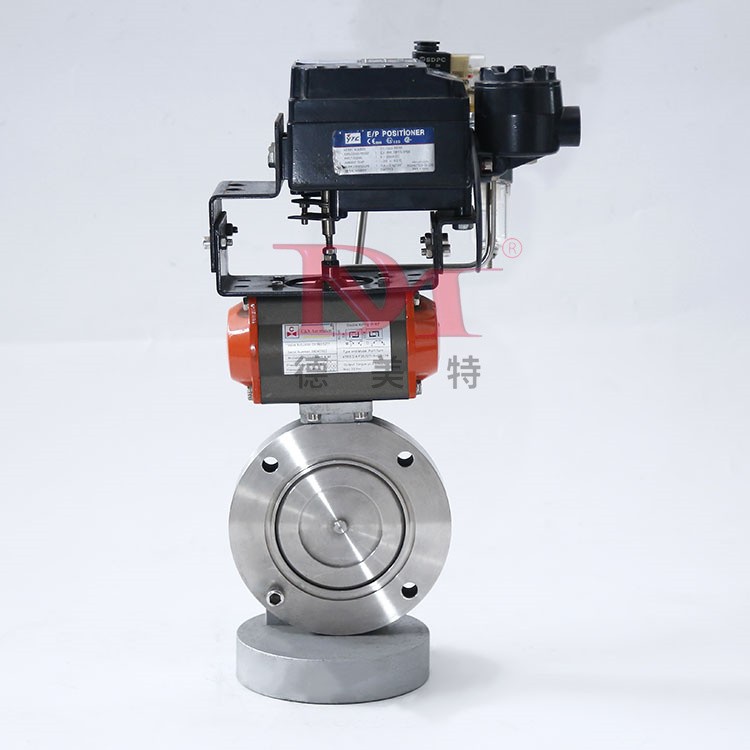
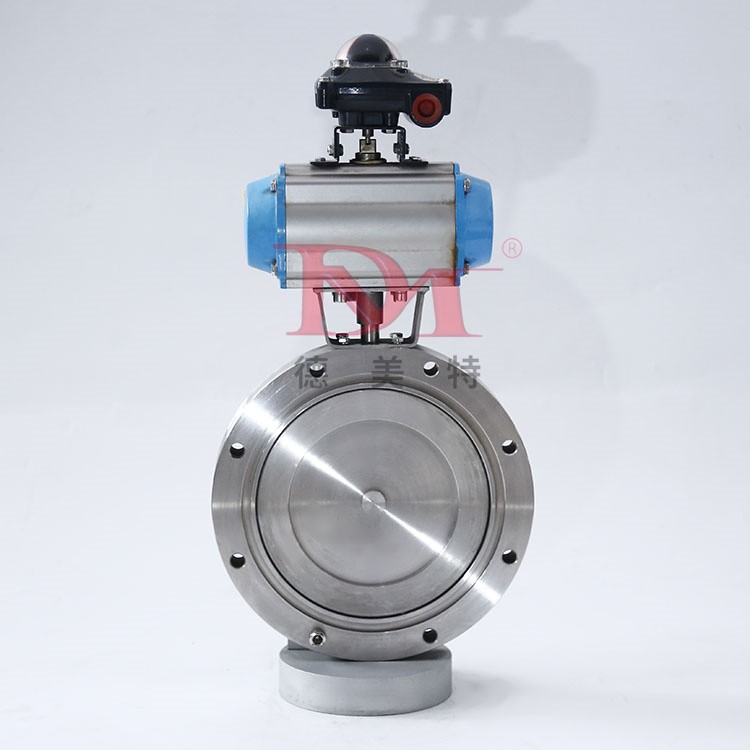
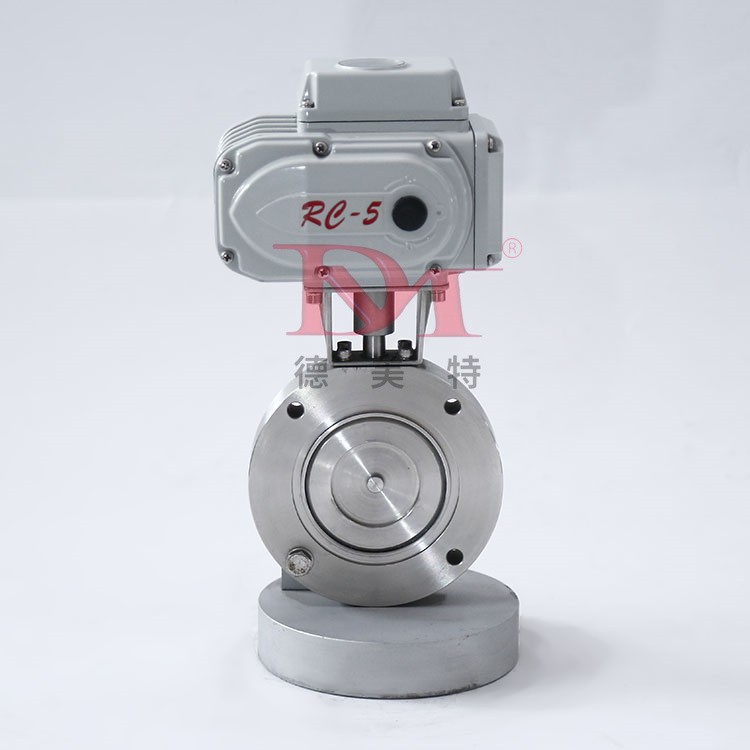
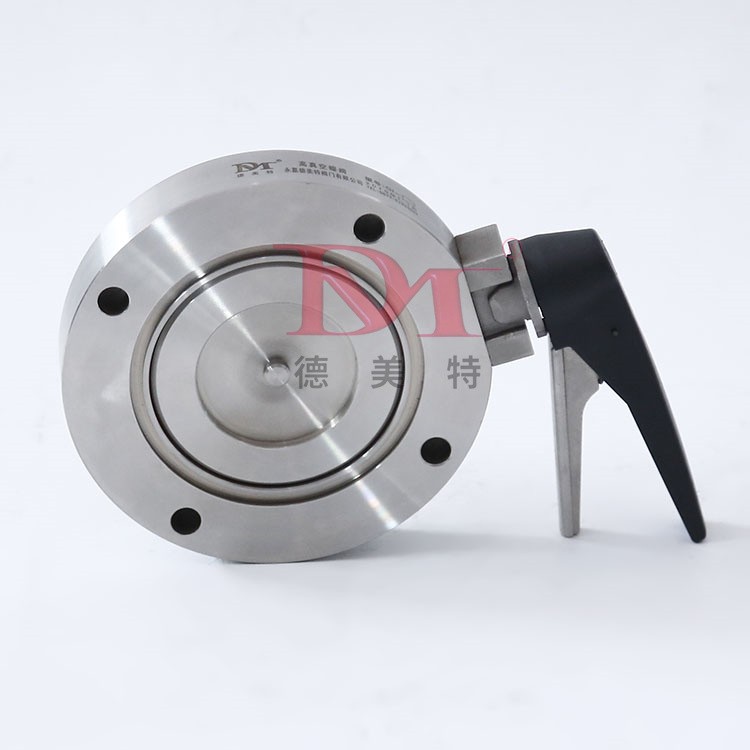
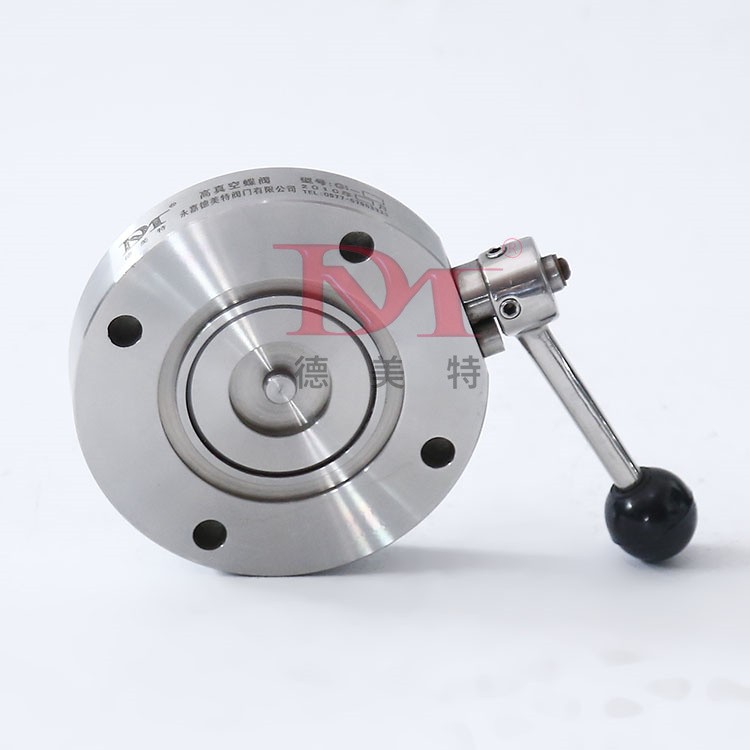
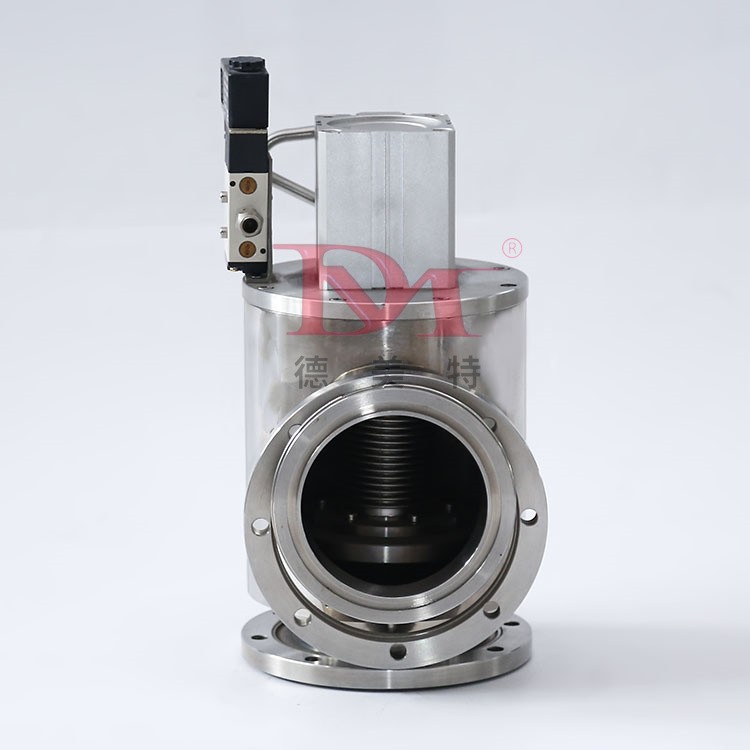

Pneumatic Angle Seat Valve is a valve driven by compressed air, primarily used for controlling the flow of fluid media. Its core components include an angular valve seat and valve core, which are controlled by an air-powered actuator to open and close the valve core, thereby achieving control over the fluid's flow and shutdown. Known for its sensitive response and precise operation, the pneumatic angle seat valve is widely used in applications requiring frequent starting and control.
Application Fields and Technical Parameters
Pneumatic angle seat valves are widely used in various industrial fields, including:
Beer Beverage Filling Equipment: Used for controlling the flow of gases and liquids, ensuring precise filling process control.
Gas Industry: Suitable for control of various gas pipelines, ensuring stable gas supply.
Humid Heat Sterilizer: Controls steam volume during sterilization for precise temperature regulation.
Technical specifications: The pneumatic angle seat valve has a pressure range of 0-1.6Mpa, medium temperature from -10℃ to +180℃, and ambient temperature from -10℃ to +60℃. Common sizes include different models from DN15 to DN100, suitable for various fluid media and control requirements.
Market conditions and price factors
The market situation of pneumatic angle seat valves is influenced by various factors:
Raw Material Price Fluctuations: Prices of primary materials such as stainless steel, copper, and rubber are significantly influenced by international market supply and demand and geopolitical factors, leading to fluctuations in production costs and subsequently affecting product pricing.
Market Competition Pressure: There is an abundance of mid-to-low-end products in the market, leading to fierce price competition. Products with lower technological content are highly homogenized, necessitating companies to maintain profits by reducing costs and improving efficiency. High-end products, with their high technological content and strong brand influence, are priced higher, yet they also face intense market competition.