

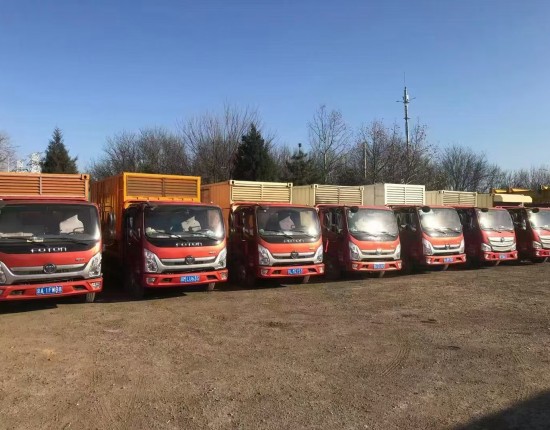

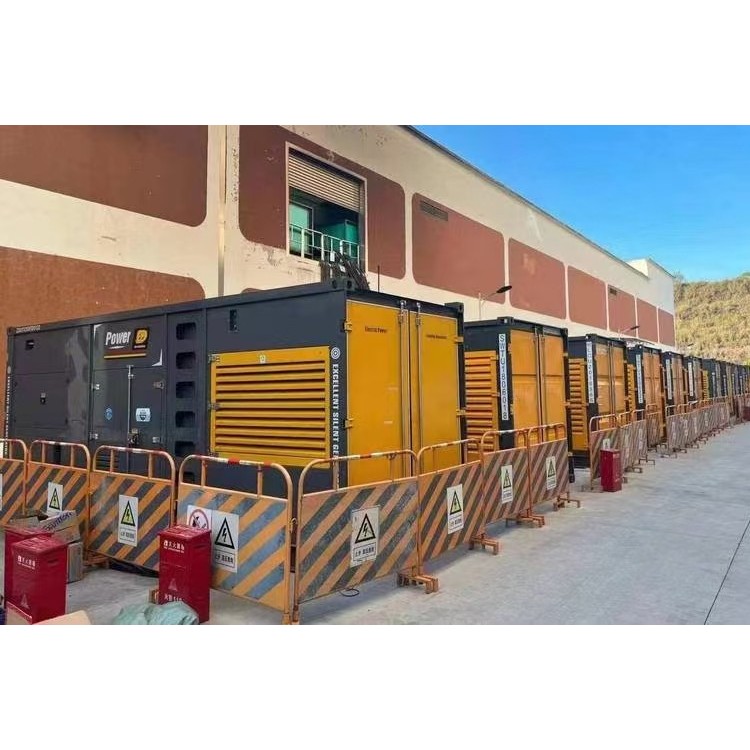

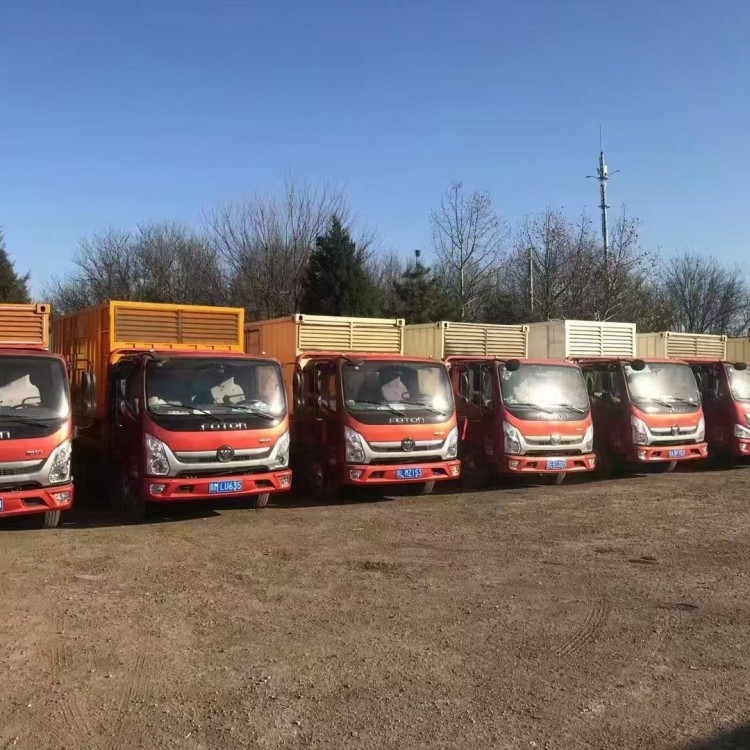
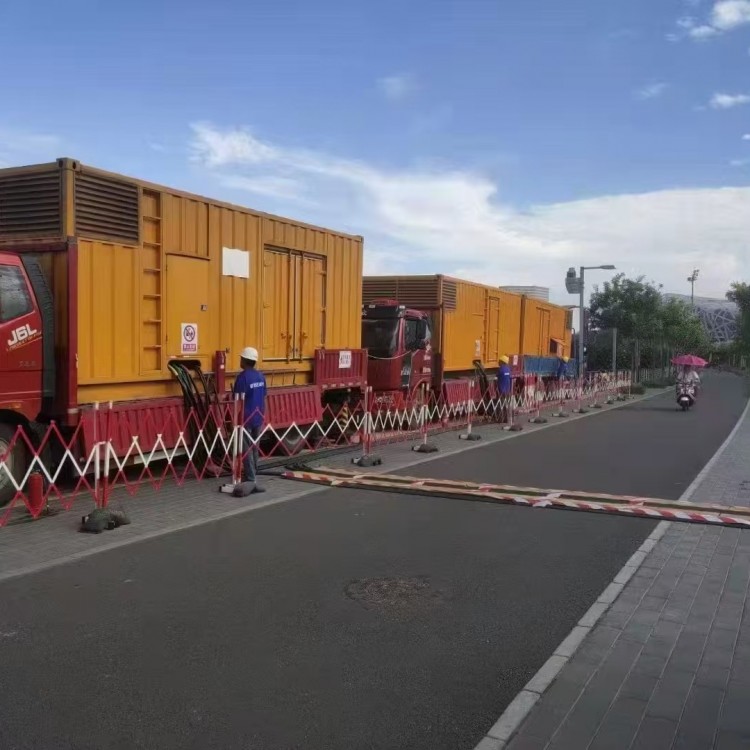
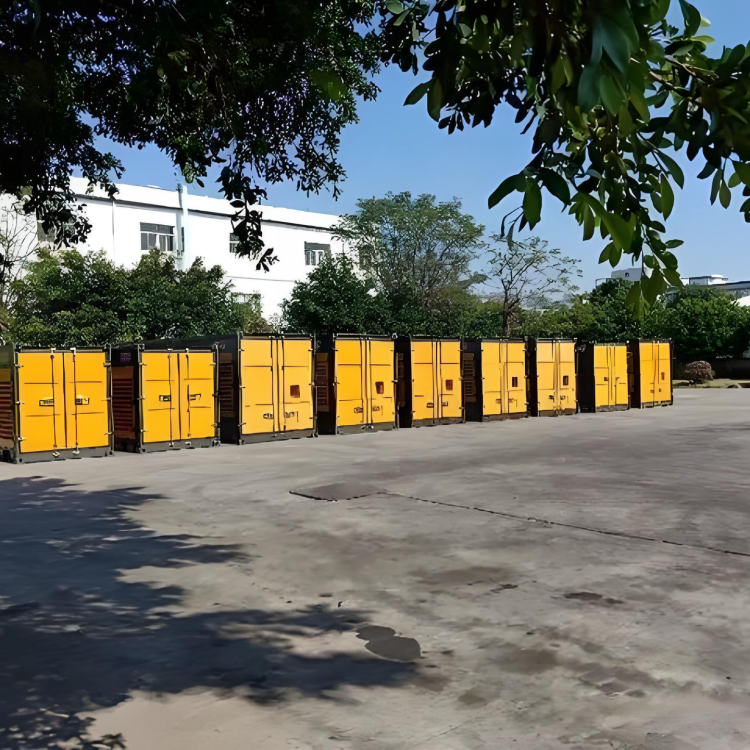













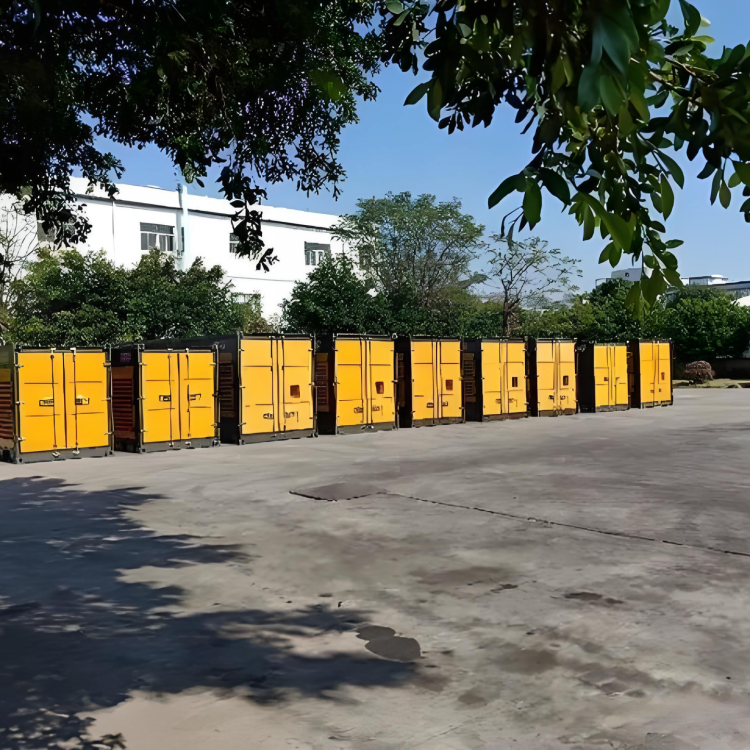
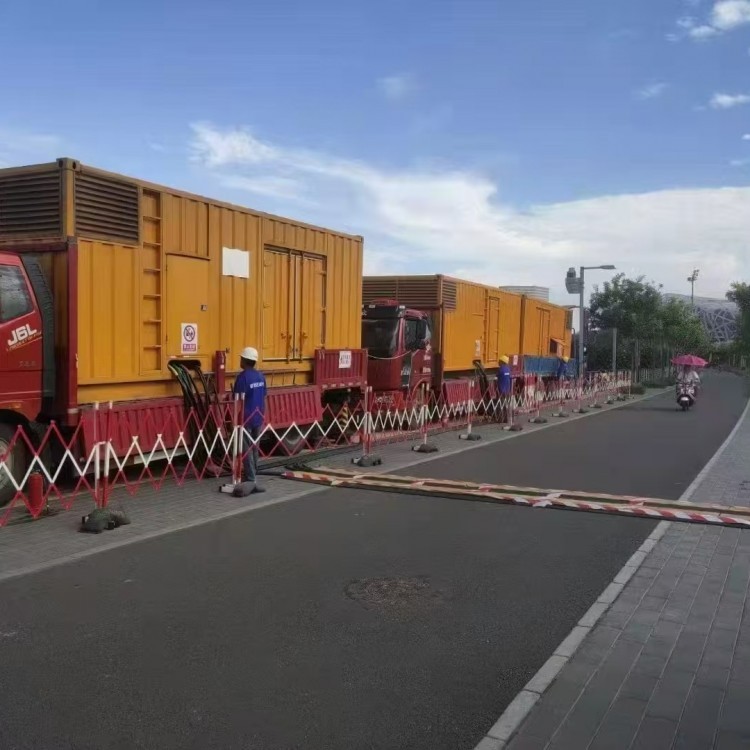
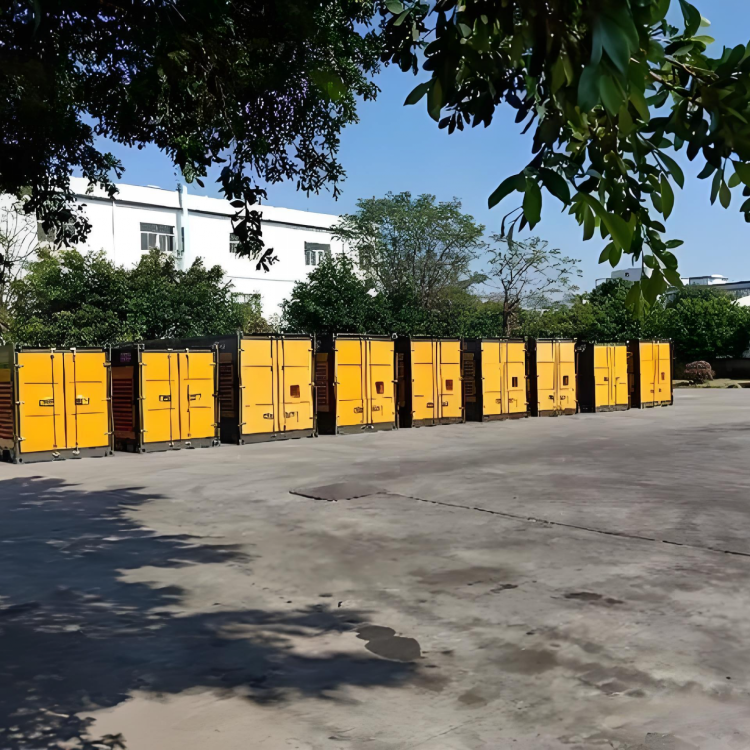
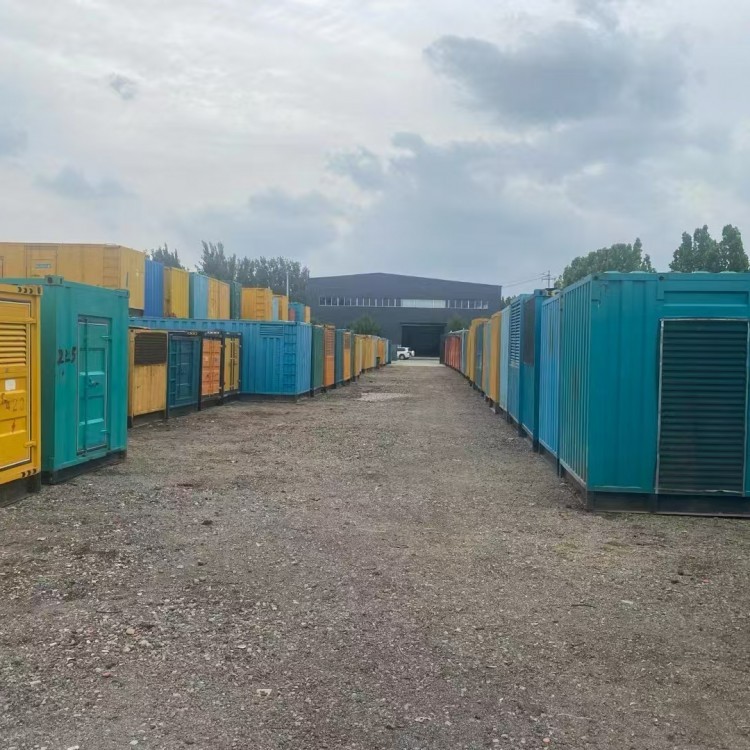
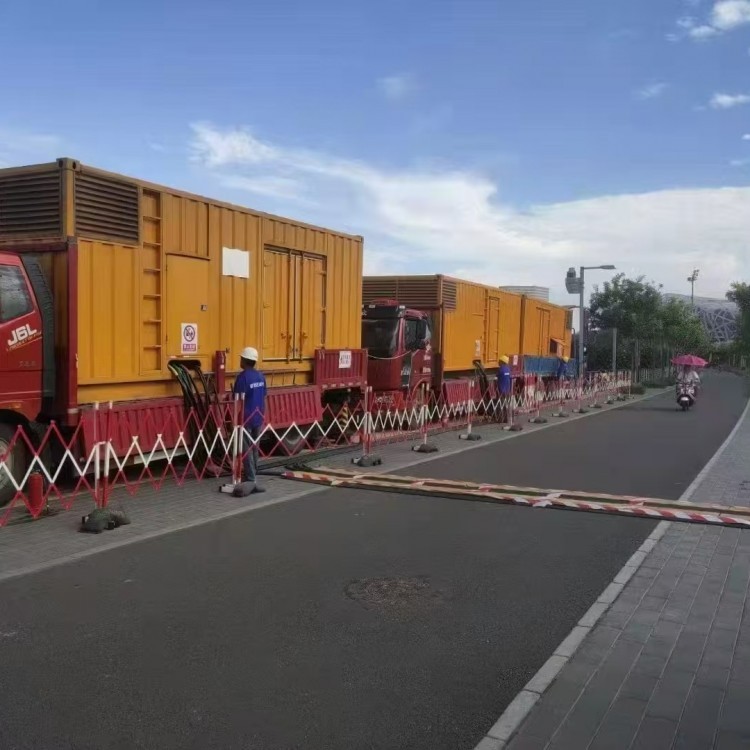
Low initial investment: For businesses or projects that occasionally require the use of generators, purchasing one requires a significant upfront cost, plus additional considerations for maintenance, storage, and upkeep. Renting a generator, on the other hand, only requires a lower rental fee, effectively reducing the initial capital outlay.
- High flexibility: Power and quantity of rented generators can be adjusted at any time based on actual electricity demand. During peak usage periods, additional rented equipment can be added, and during low periods, it can be reduced, avoiding the issue of fixed power output for owned generators that are hard to adjust flexibly. Additionally, rental terms are also quite flexible, available for daily, weekly, monthly, or even longer durations, catering to short-term or temporary electricity needs such as temporary construction projects or outdoor events.
Technical Support Specialization: Rental companies typically have professional technical teams that provide services such as installation, debugging, maintenance, and repair to customers. In the event of a generator malfunction, the rental company can respond quickly to resolve the issue, ensuring stable power supply and minimizing downtime and losses caused by equipment failure.
- Convenient equipment upgrades: With the continuous development of generator technology, new models offer superior performance in terms of efficiency and environmental protection. Renting generators allows for the easy replacement of new equipment as needed, enjoying the benefits of new technology without worrying about outdated equipment becoming obsolete.
- Eco-friendly Energy-saving: The generators provided by the leasing company are typically newer, meeting environmental standards with lower emissions. Moreover, the leasing model enhances the utilization of generators, preventing waste of energy and environmental pollution caused by the simultaneous operation of multiple inefficient self-owned generators.


















