



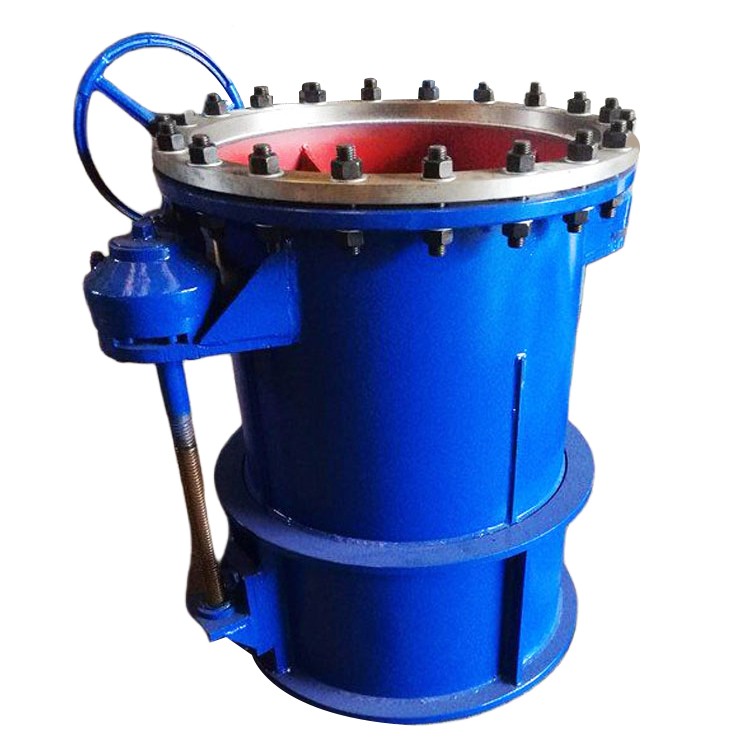















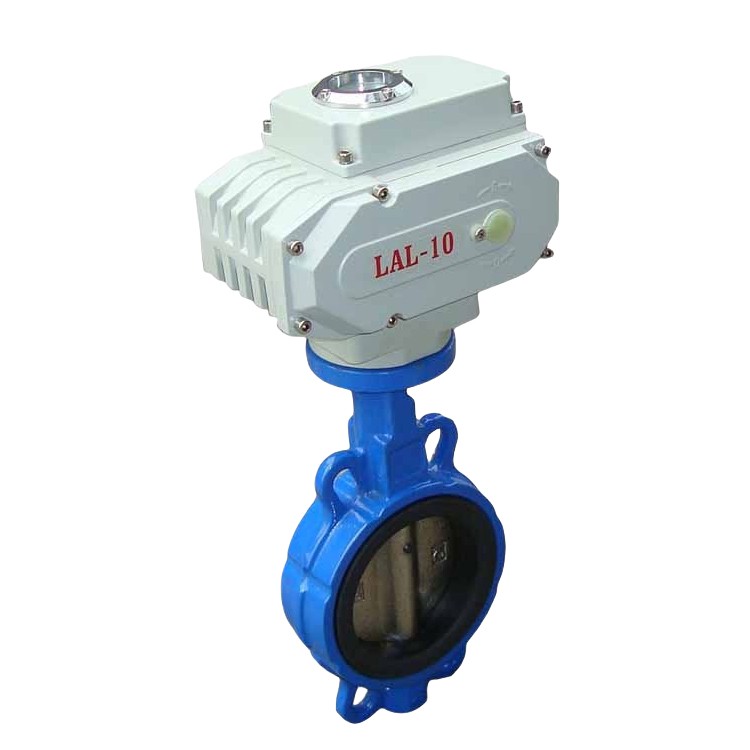
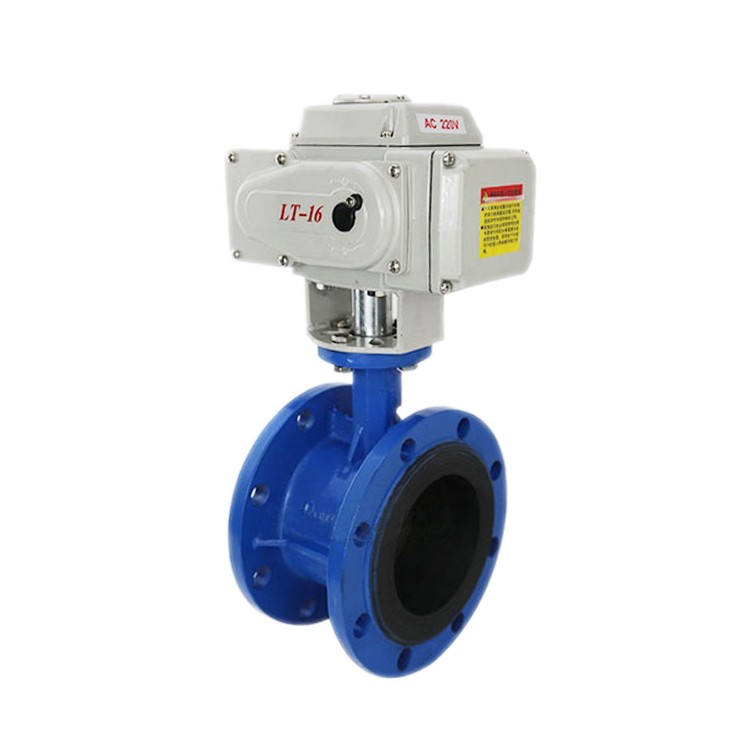
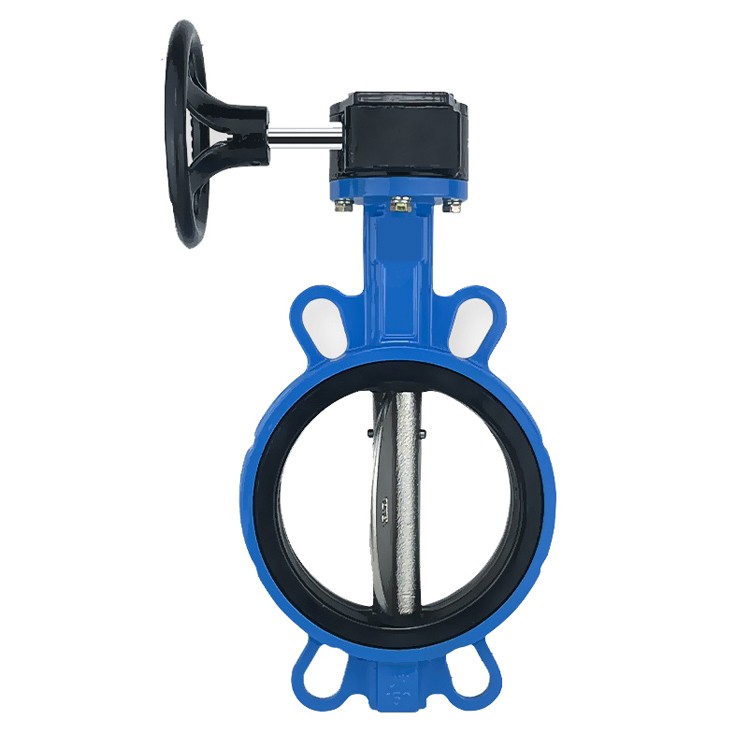

A fixed cone valve is a common industrial valve designed with hydrodynamic features, featuring a fixed conical structure. The fixed cone is supported by vanes, and as the water flows out, it spreads out over a broad conical angle, breaking down into a thin spray. At this point, the water comes into extensive contact with air, causing misting, and achieving a damping effect.
Operating Principle
The working principle of a fixed cone valve is to control the flow rate of the fluid through friction between the cone valve core fixed inside the valve and the valve seat. When the valve is open, the fluid flows through the channel inside the valve, and the cone valve core moves upwards with the fluid flow, thereby expanding the diameter of the channel and increasing the flow rate of the fluid. When the valve is closed, the cone valve core moves downwards, increasing the contact area with the valve seat, which in turn reduces the diameter of the channel and limits the flow rate of the fluid.
Application Scenarios
Fixed cone valves are suitable for high head and large flow conditions, featuring vibration-free and erosion-free operation. They are commonly used in the following systems:
Turbine Generator Unit Emergency Drain Valve (By-pass Free Flow Valve)
Reservoir dam emptying and spillway valve
Reservoir Water Supply Pipeline Flow Control Valve
Pressure regulating valves in each zone of the potable water supply system
Due to its excellent energy dissipation and flow control capabilities, fixed cone valves are widely used in various fluid control applications in industrial production and daily life, such as water treatment, chemicals, petroleum, natural gas, and other fields.


















