

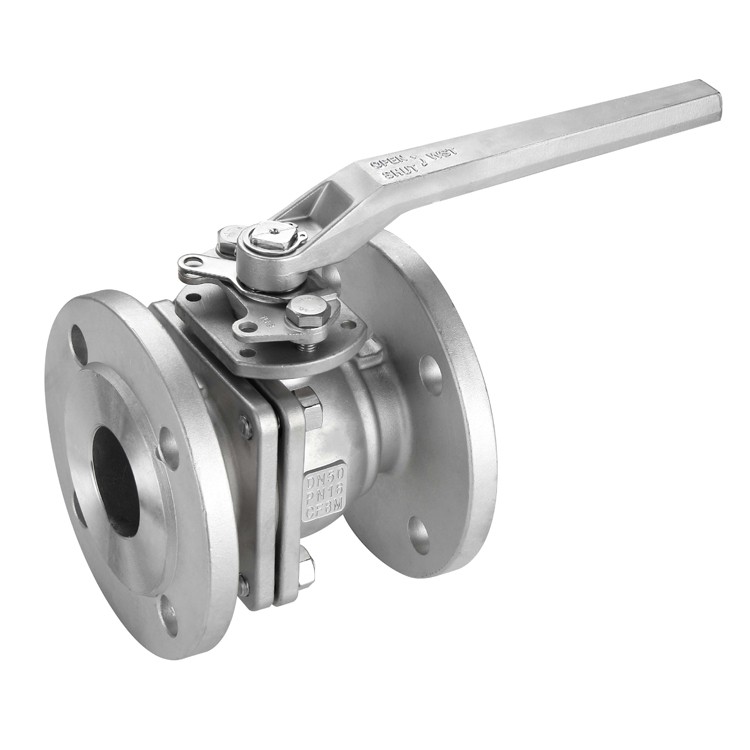















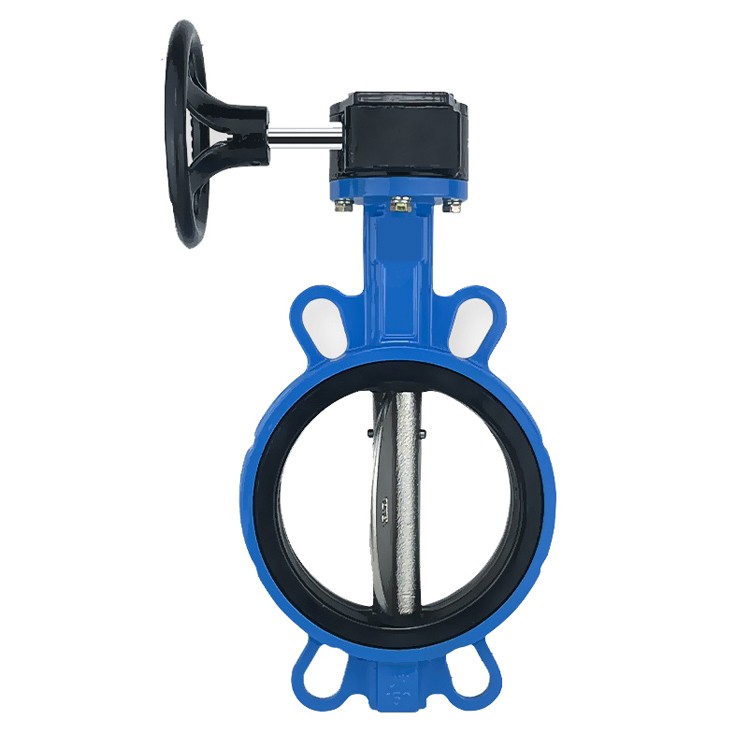

Manual German Standard Ball Valve is a valve that controls fluid flow by rotating a ball, designed and manufactured in accordance with the German standard DIN 3357. It features a compact structure, easy operation, and simple maintenance, suitable for various working media such as water, solvents, acids, and natural gas.
Structural Features
Manual German standard ball valves are generally divided into two structural types: floating ball and fixed ball.
Floating ball valve: The ball moves slightly under the pressure of the medium, primarily sealed by the sealing seat at the outlet end, while maintaining a small gap between the inlet end sealing seat and the ball. This design performs well under high pressure or large bore conditions, but the sealing effect may be less stable than that of a fixed ball valve.
Fixed Ball Valve: The ball does not generate any floating volume, ensuring bidirectional sealing with low operating torque, suitable for applications requiring high sealing and stable operation.
Application Scenarios
Manually operated German standard ball valves are widely used in industries such as petrochemicals, chemicals, papermaking, environmental protection, and power, suitable for various corrosive media like petrochemicals, water, and gas. They operate at temperatures ranging from 100 to 250°C and pressures from 1.6 to 40 MPa.
Material and Standards
The main material of the manual German standard ball valve includes stainless steel and carbon steel, suitable for various corrosive media. Its design standards comply with DIN 3357 and EN 12516-1, wall thickness standards are ASME B16.34 and EN 12516-1, fire protection standards are API 307 and ISO 10497, structural length follows DIN 3202, and flange standards are DIN EN 1092-1.