



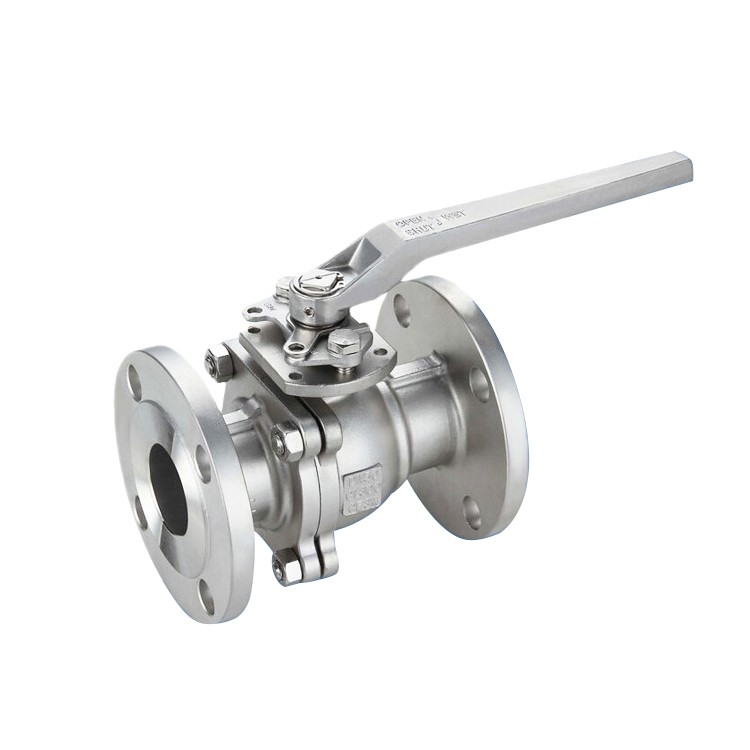
















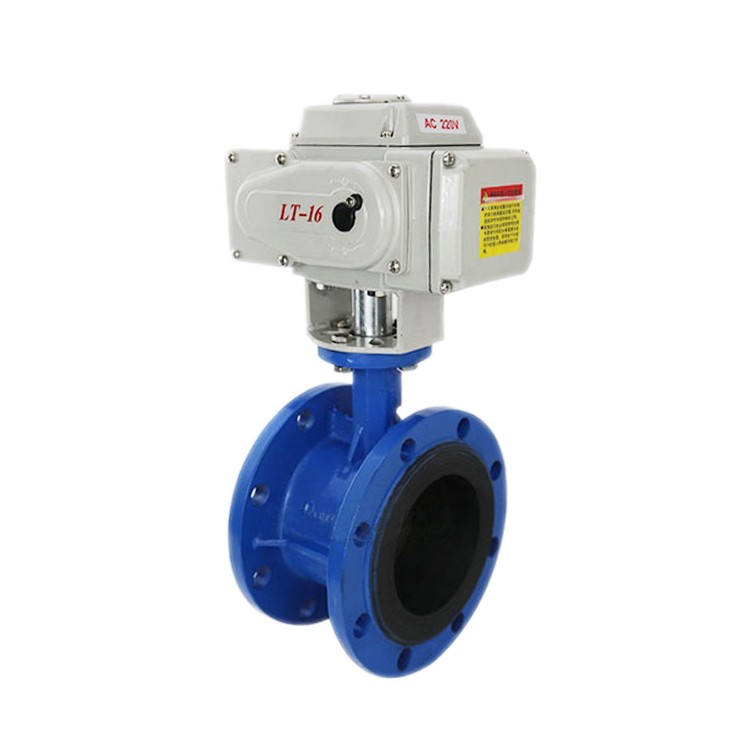
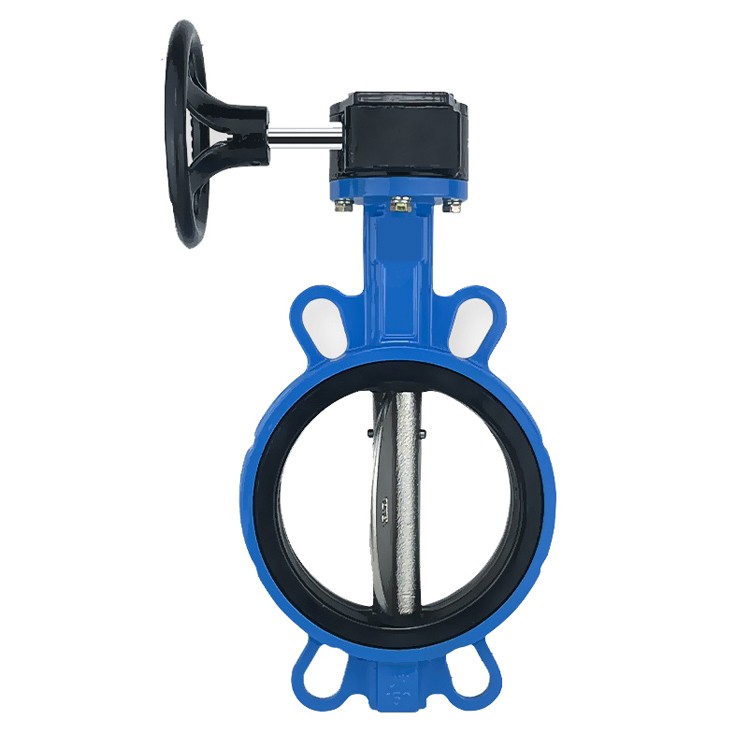

A manual globe valve is a valve that controls the flow of fluids by manual operation, primarily composed of components such as the valve body, ball, seat, stem, handle, and flange connections. Its working principle involves rotating the handle to move the stem, which in turn rotates the ball to open or close the fluid flow. When the handle is rotated to the open position, the stem drives the ball to rotate, separating it from the seat, allowing the fluid to pass freely; when the handle is rotated to the closed position, the ball and seat fit tightly together, thereby cutting off the fluid flow.
Structural Features
The manual flanged ball valve has a relatively simple structure with no complex control mechanisms, making maintenance relatively easy. It boasts good sealing performance, utilizing a ball and seat sealing structure to effectively prevent fluid leakage. Moreover, the manual flanged ball valve is user-friendly, as it only requires a rotation of the handle to open or close the fluid.
Application Fields
Manual flanged ball valves are widely used in industries such as chemicals, petrochemicals, textiles, food, power, urban construction, metallurgy, low-temperature medium systems, and pipeline systems for corrosive media. In these fields, manual flanged ball valves provide effective fluid control solutions for various industrial processes with their excellent performance and reliable quality.
Maintenance and Care Recommendations
To ensure the normal operation and prolong the service life of manual flanged ball valves, regular maintenance should be performed. Specific measures include:
Inspect valves for any damage, wear, or rust, and address issues promptly.
Regularly clean the valve surface and interior to prevent debris accumulation affecting sealing performance.
Apply suitable lubricant to the areas requiring lubrication to reduce friction and wear.
Regularly inspect and tighten flange connections and fasteners to ensure reliable connections.


















