

















W Series hydraulic jet pump working principle and applications
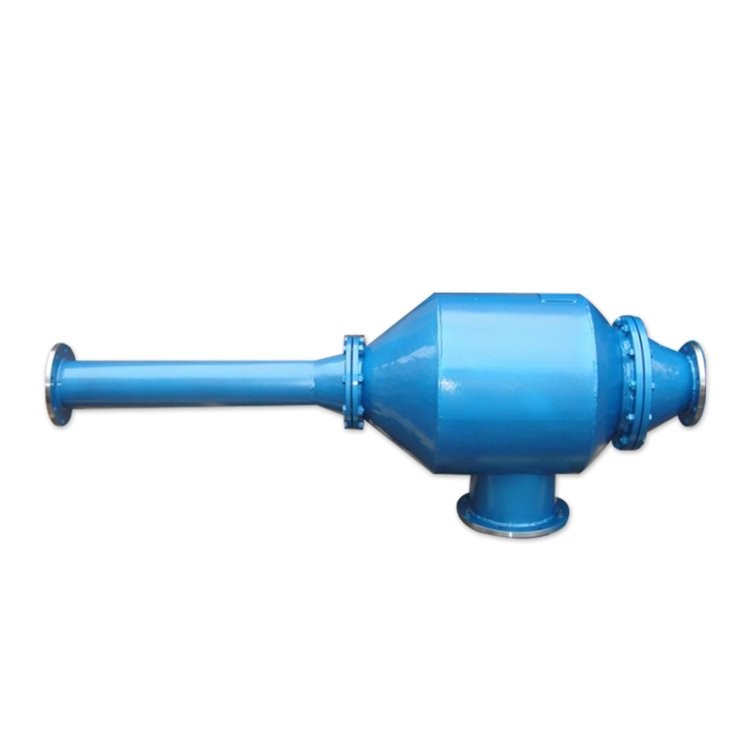
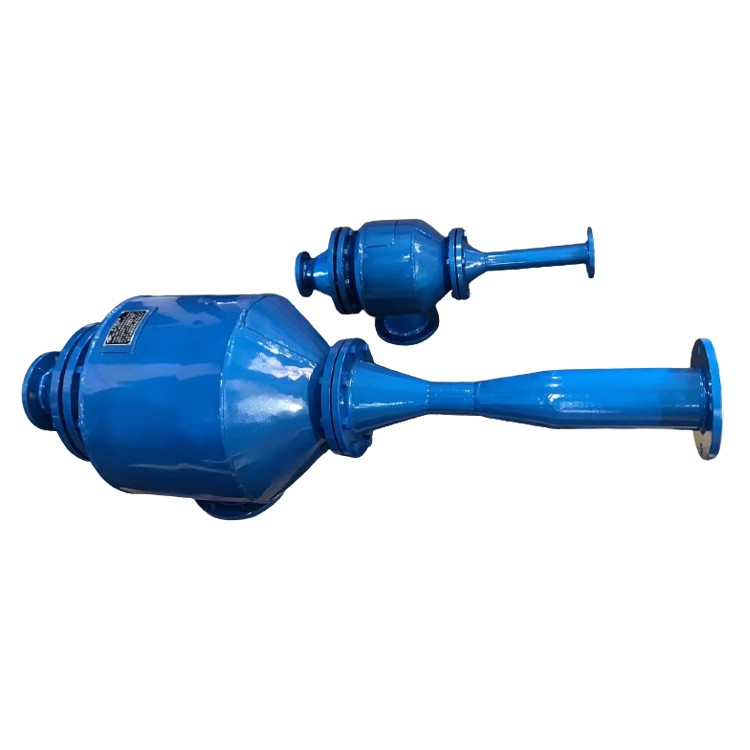
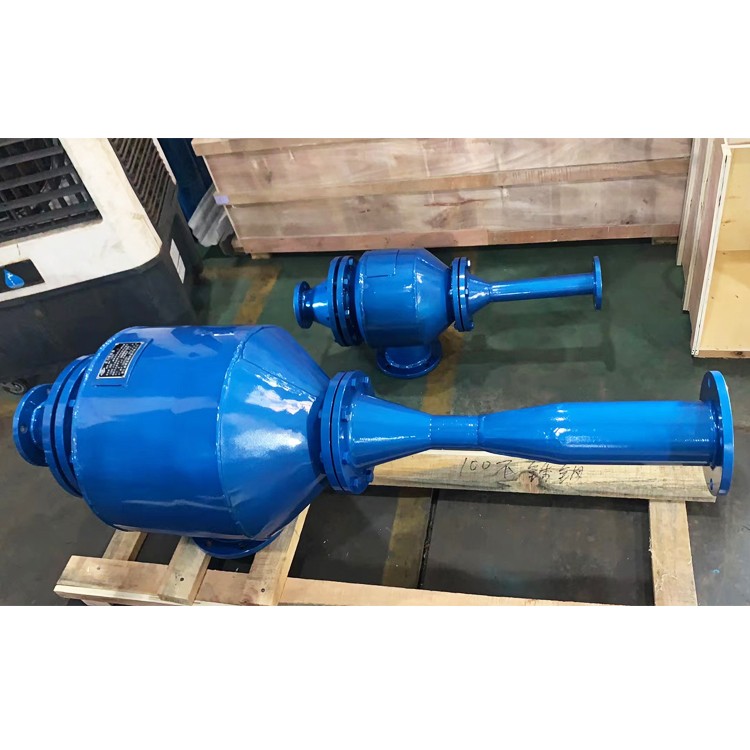
Overview: The W Series hydraulic jet ejector is a mechanical device with three effective functions: vacuum extraction, condensation, and drainage. It operates by utilizing a stream of water under pressure, which is ejected through nozzles with a certain inclination, converging at a focal point. Due to the high velocity of the jet stream, a negative pressure is formed around it, creating a vacuum inside the chamber. Additionally, as the secondary steam comes into direct contact with the jet stream, heat exchange occurs, with most of the steam condensing into water. The small amount of uncondensed steam and non-adherent gases are also mixed and compressed by friction with the high-speed jet stream, and are then expelled through an expansion pipe, further enhancing the vacuum inside the chamber. The hydraulic jet ejector is widely used in vacuum and evaporation systems for processes such as vacuum pumping, vacuum evaporation, vacuum filtration, vacuum crystallization, drying, and deodorization. It is a widely demanded equipment in sugar, chemical, food, salt, flavoring, milk, fermentation, and some light industry and defense sectors. (Materials: Stainless Steel, Cast Iron) The steam jet ejector is a type of hydraulic jet coupled with a steam pump, which is a novel device that uses water and steam jet suction to obtain vacuum. The centrifugal pump increases the pressure of the static water, and the pressurized water is ejected at high speed from the steam nozzle, lowering the pressure at the nozzle exit to create a vacuum, which then draws in external gases (liquids) into the mixing pipe. Together, they are used with the SPB type fiberglass jet vacuum pump. The fiberglass jet ejector, in addition to being corrosion-resistant, features high molding density, smooth and solid inner and outer surfaces, and enhanced durability and corrosion resistance, making it comparable to stainless steel components. Yongjia Huibao Pump Valve Manufacturing Co., Ltd. is committed to providing you with excellent service!
W-Type Hydraulic Jet Ejector Features:
The hydraulic jet unit is compact in structure and has high strength, suitable for vacuum evaporation systems. By integrating the condensation function of the condenser with the exhaust function of the vacuum pump into a single unit, the process flow is greatly simplified. Compared to the previous setup using a vacuum pump and an old-style condenser, it eliminates the need for the vacuum pump, condenser, and separator, among other equipment, and also offers the following advantages:
1. The hydraulic jet pump is compact in size, lightweight, and structurally dense. It boasts higher efficiency and consumes less electricity than a vacuum pump system, making it an attractive investment for investors.
2. Easy to operate and convenient for maintenance; no need for dedicated personnel to manage. Due to the absence of mechanical transmission parts, the noise is low and lubricating oil is not required.
3. Suitable for outdoor ground-level installation, occupying less space, thus saving factory building area and installation costs.
W-Type hydraulic jet pump application:
Hydraulic jet ejectors are widely used, primarily in vacuum and evaporation systems for processes such as vacuum pumping, vacuum evaporation, vacuum filtration, vacuum crystallization, drying, and deodorization. They are essential equipment in the grain, chemical, food, salt, monosodium glutamate, milk, fermentation, and some light industry and defense sectors, highly demanded across various applications.
W-Type Hydraulic Jet Ejector Structural Description:
The hydraulic jet nozzle is composed of parts such as the body, cover, nozzle, nozzle seat plate, guide disk, diffuser tube, and check valve. The nozzle is made of stainless steel, the nozzle seat plate is machined from steel, and the remaining parts are cast iron. The nozzle features a multi-nozzle structure to achieve a larger water-vapor contact area, which is conducive to heat exchange and provides a better vacuum effect. The nozzle seat plate is precision-machined to ensure that the jet water is accurately focused at a single point. The guide disk is used to slow down the flow of steam (or air), evenly directing it into the chamber to prevent the jet water from being deflected and to enhance the suction efficiency.


















