
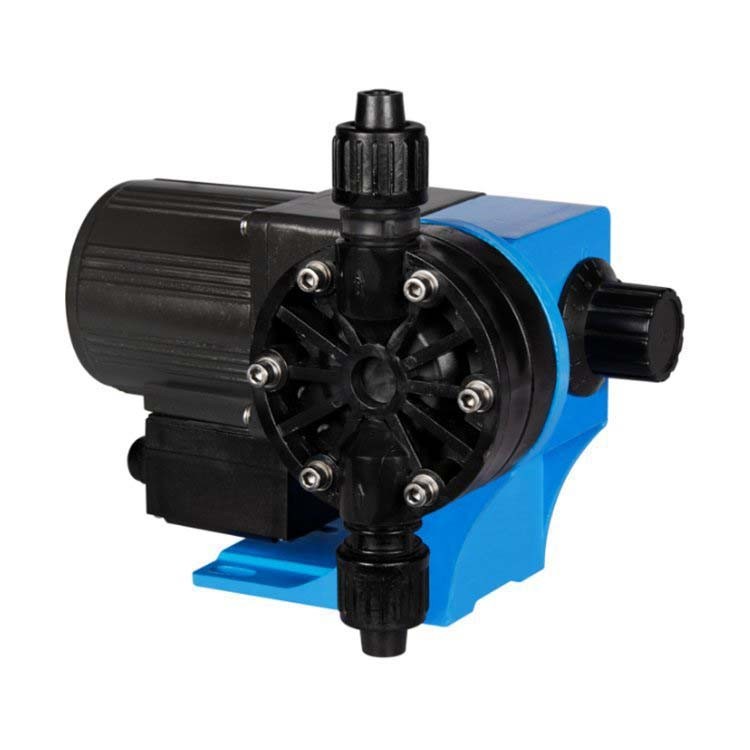








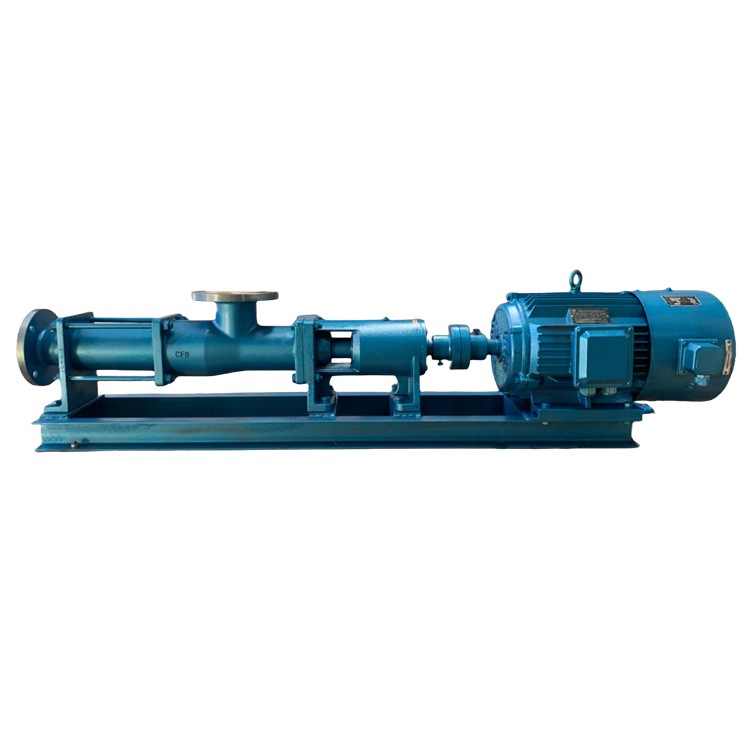
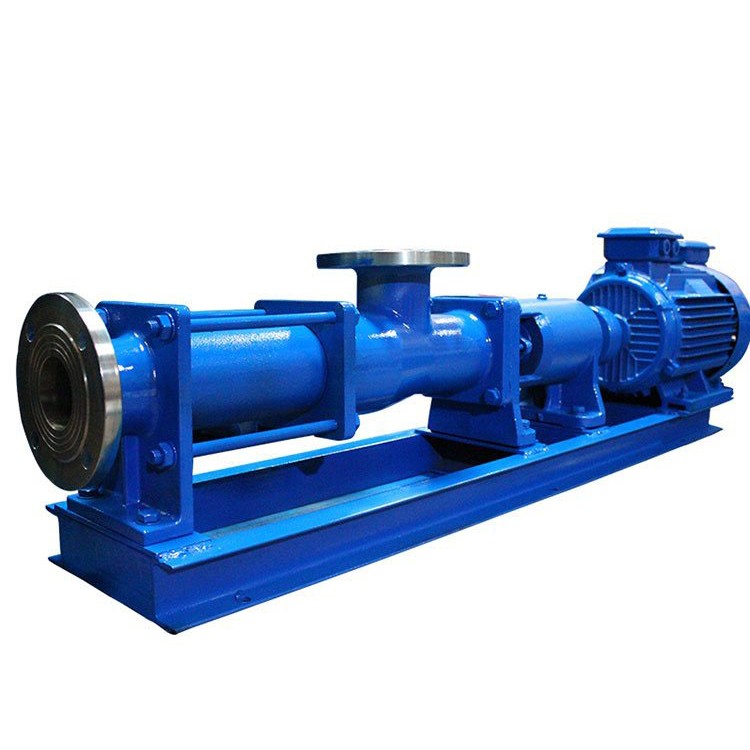
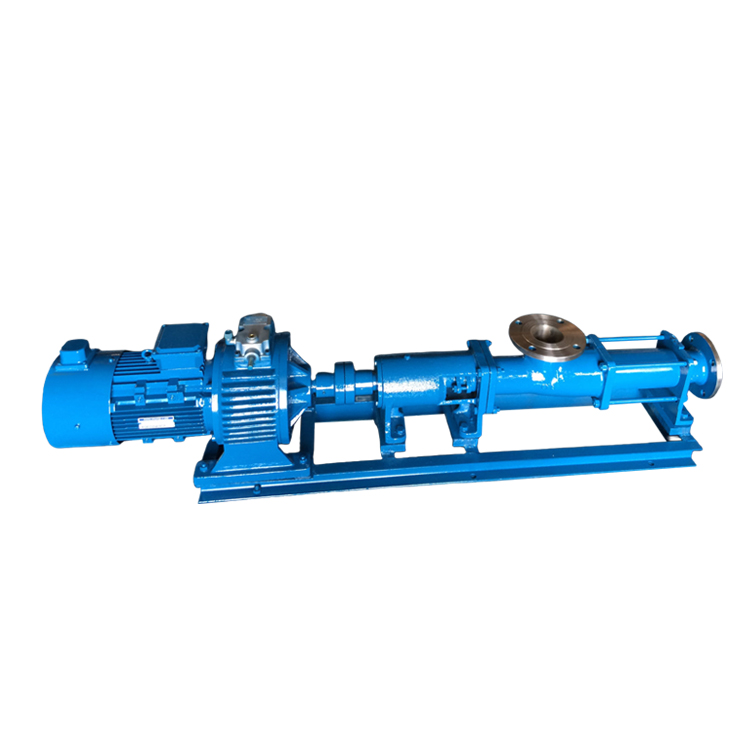
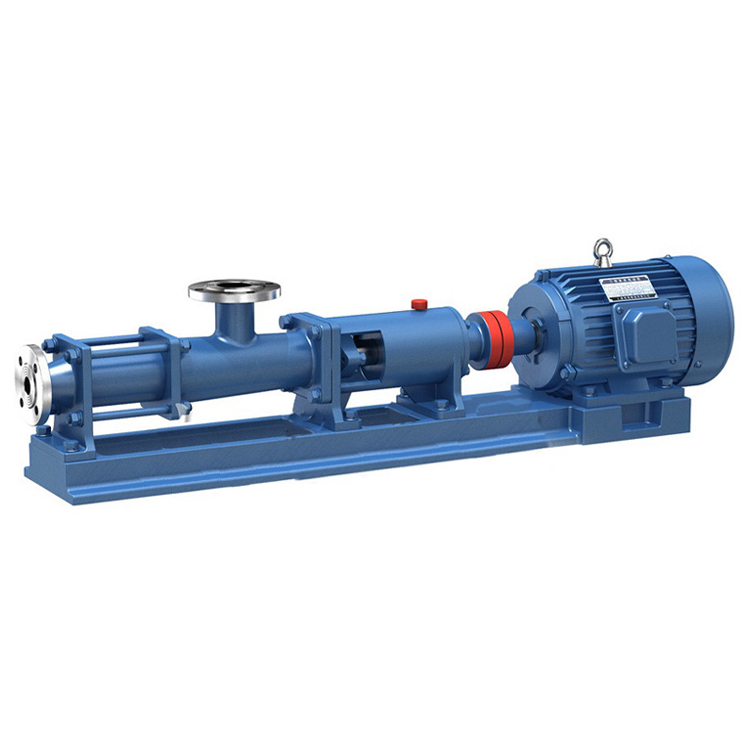
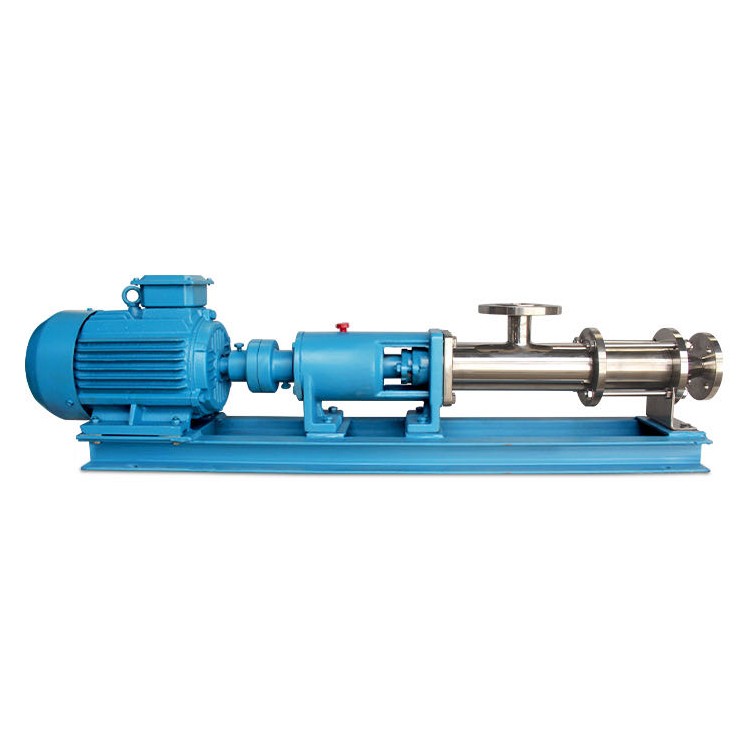
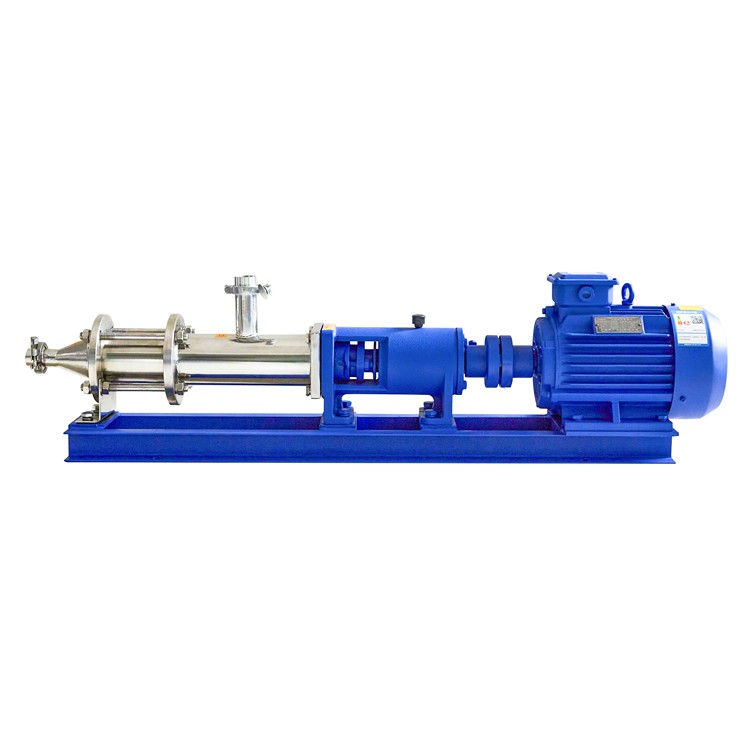

Diaphragm metering pumps are devices used for measurement, primarily utilizing specially designed and processed flexible diaphragms in place of pistons. They achieve fluid intake and discharge through the reciprocating motion of the driving mechanism. Their working principle involves altering the volume of the pump chamber through the reciprocating motion of the diaphragm, thereby completing the transportation of liquids.
Structure Composition and Working Principle
Diaphragm metering pumps typically consist of a motor, transmission system, hydraulic end, and regulating control system. Their cylinder components include the pump head, suction valve assembly, discharge valve assembly, diaphragm, and diaphragm base. During operation, the motor drives a worm and worm gear through a coupling to reduce speed, causing the main shaft and eccentric wheel to rotate, which in turn moves the plunger back and forth within the guide tube. In this reciprocating motion, the diaphragm, along with the one-way valve, creates a vacuum in the pump chamber to draw in fluid. As the diaphragm moves forward, the suction valve closes and the discharge valve opens, expelling the fluid.
Application Scenarios and Industries
Diaphragm metering pumps are widely used in various special operating conditions for fluid measurement and transfer, particularly excelling in mediums that are thick, corrosive, flammable, or explosive. Their primary application fields include:
Chemical Industry: Used for transporting various acids, bases, salts, and organic solvents, ensuring the progression of chemical reactions.
Petroleum Industry: Used for transporting raw materials, catalysts, and additives, ensuring the accuracy of chemical reactions. Additionally, it is also used in processes such as water and steam injection.
Industry: For measuring and conveying various drug raw materials and formulations.
Food Industry: Used for measurement and transfer of berries, beverages, and other food products.
Pros and Cons, Maintenance and Care
The advantages of diaphragm metering pumps include:
High Precision: Advanced structural design and the selection of new materials enhance the lifespan of the diaphragm, with excellent corrosion resistance.
High Reliability: The diaphragm's isolation effect achieves separation between the measured fluid and the driving lubrication mechanism, preventing the possibility of contamination and leakage.
Excellent isolation: effectively prevents leakage, ensuring safety.
In terms of maintenance, diaphragm metering pumps should be regularly inspected for diaphragm wear and worn diaphragms should be replaced promptly. Additionally, keeping the pump body clean and preventing impurities from entering the pump interior is crucial. Regularly checking and replacing seals and lubricants is also necessary.