


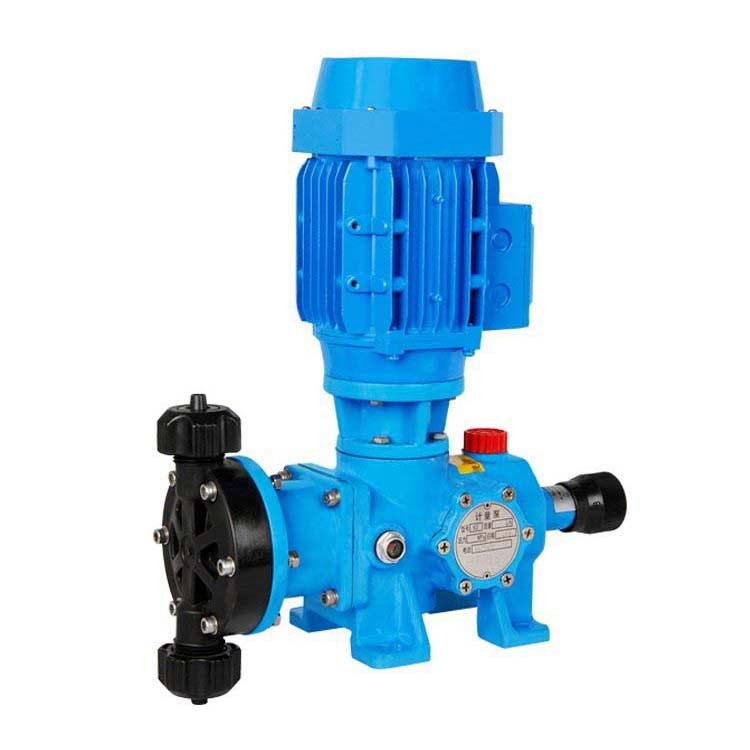













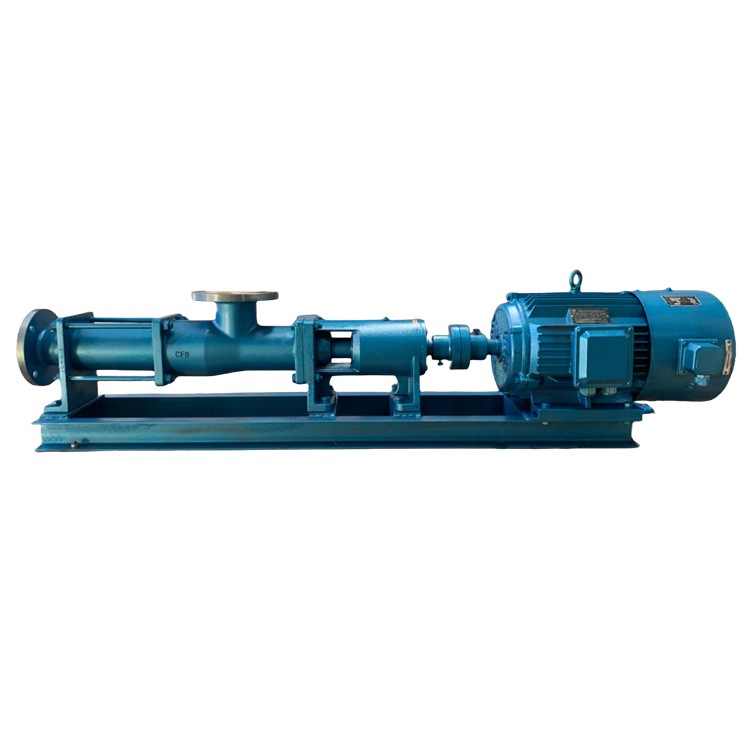
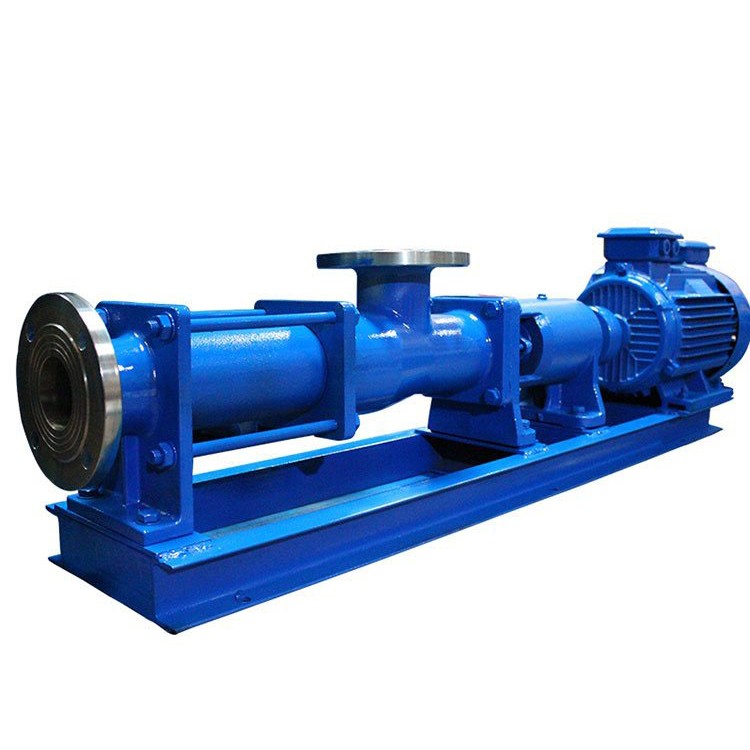
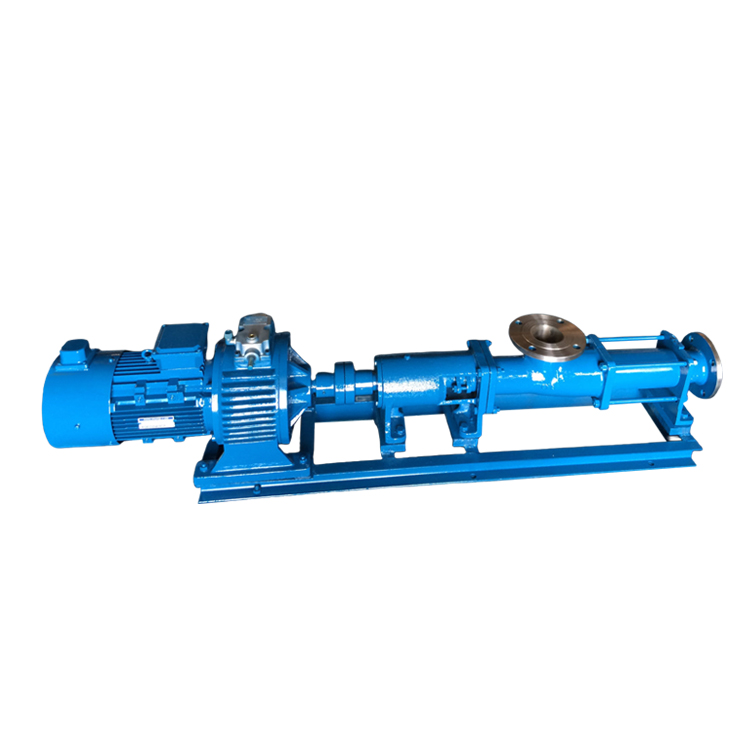
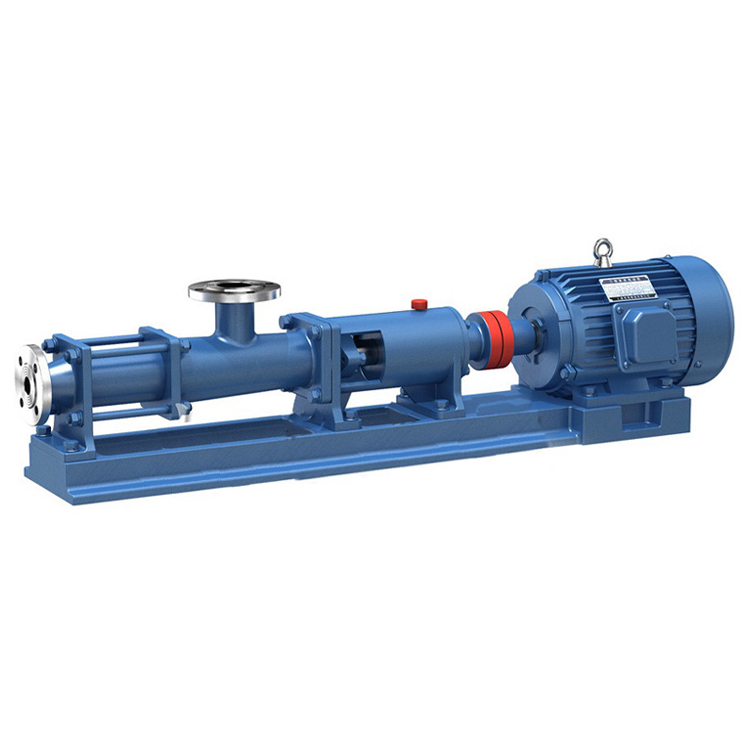
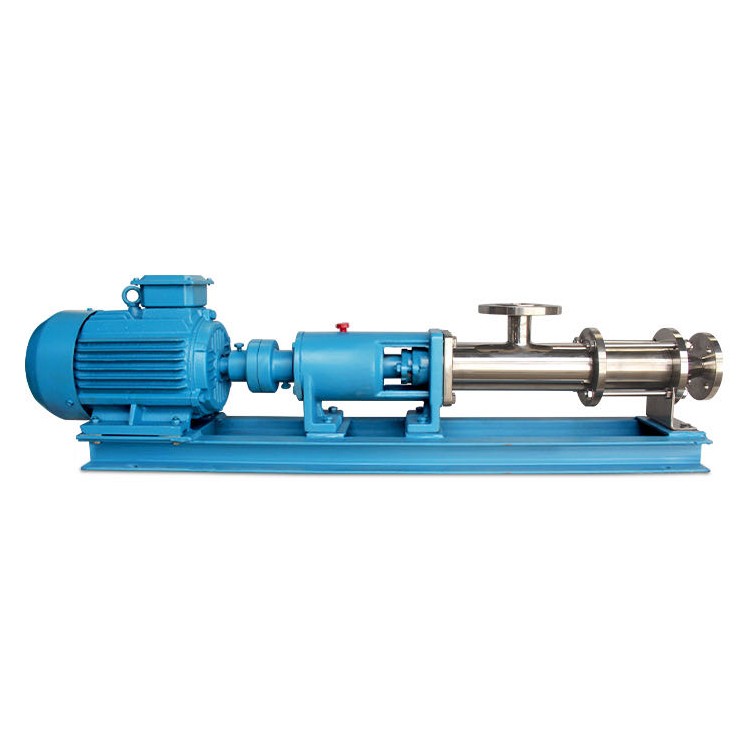
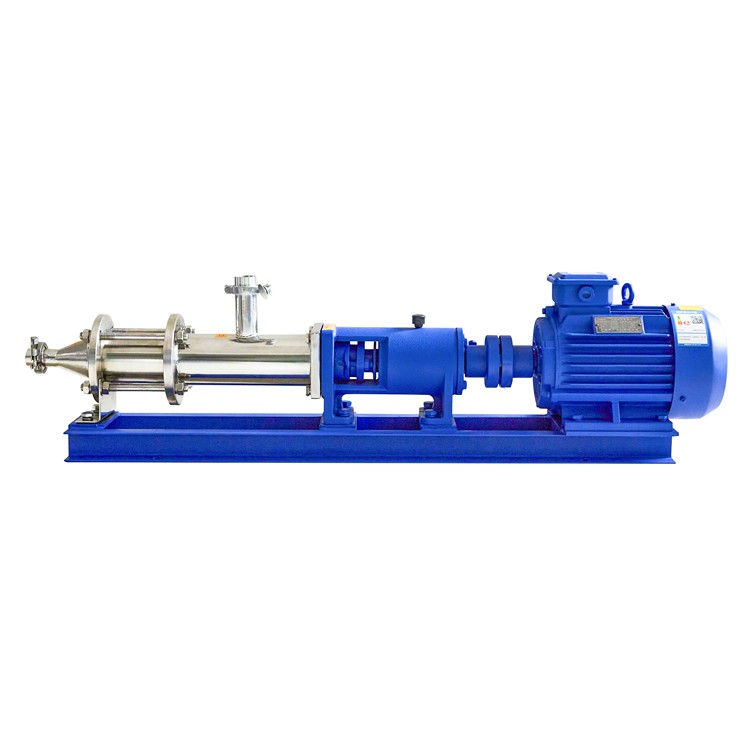

Plunger metering pumps are specialized volume pumps designed to meet the stringent requirements of various process flows, primarily used for transferring liquids, especially corrosive ones.
Working Principle
Piston metering pumps directly吸入 and 排出 working medium through the reciprocating motion of the piston. As the piston moves inward, the chamber volume decreases, and the liquid is pushed out of the pump body; when the piston moves outward, the chamber volume increases, allowing the liquid to be吸入 into the pump body. By continuously repeating this reciprocating motion, the piston pump can continuously transport liquid.
Features
Flow Adjustment: Flow can be infinitely adjusted between 0-99%, maintaining a constant flow rate irrespective of the discharge pressure.
Applicable Medium: Suitable for high viscosity mediums, but not for conveying corrosive slurries and hazardous chemicals._
Accuracy and Pressure: Measurement accuracy up to ±1%, pressure as high as 350 MPa, with almost no change in flow when the outlet pressure varies.
Material: Stainless steel and PTFE materials are used for parts in direct contact with the medium, suitable for general particles and non-toxic, odorless mediums.
Application Fields: Widely used in the petrochemical, food, and other industrial sectors.
Structural composition
The plunger metering pump is mainly composed of three parts: the motor, the transmission box, and the cylinder body. The transmission box components include the turbine worm mechanism, stroke adjustment mechanism, and crank and connecting rod mechanism; the cylinder body components include the pump head, suction valve assembly, discharge valve assembly, plunger, and packing seals.
Common Types
Piston metering pumps come in two main types: valveless pumps and pumps with valves. Valveless pumps control the flow of fluid in and out through the opening and closing of valves, while valveless pumps rely on their unique internal design to meter and transport fluids.


















