


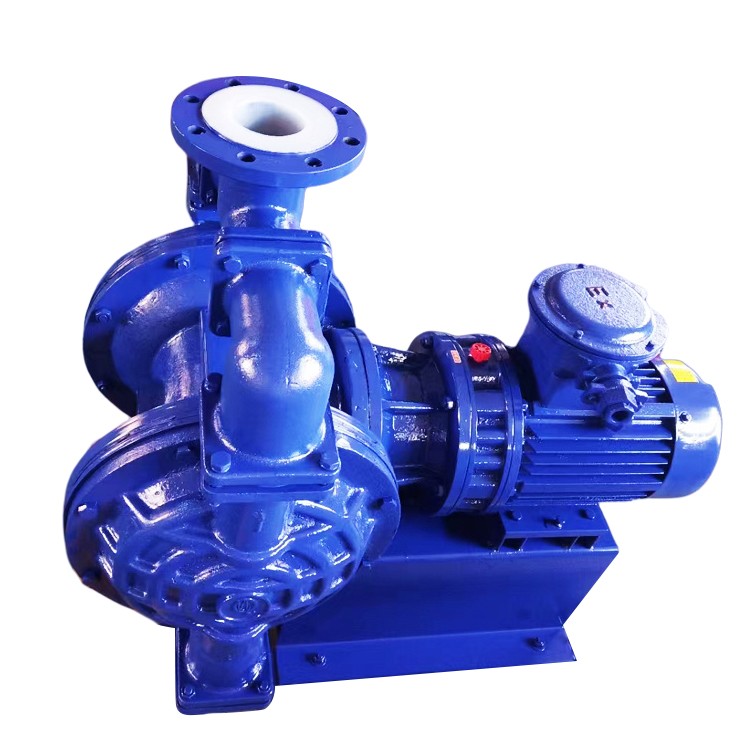













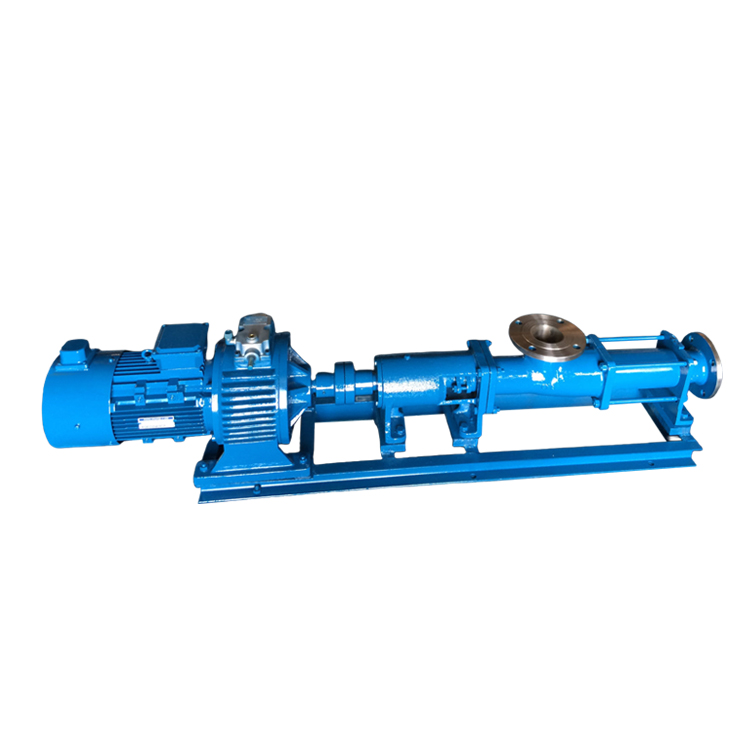
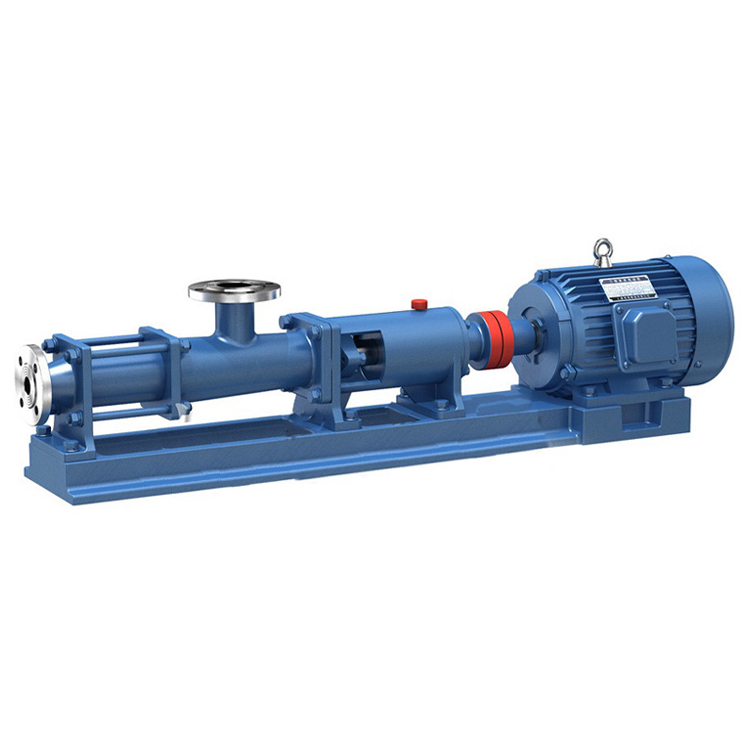
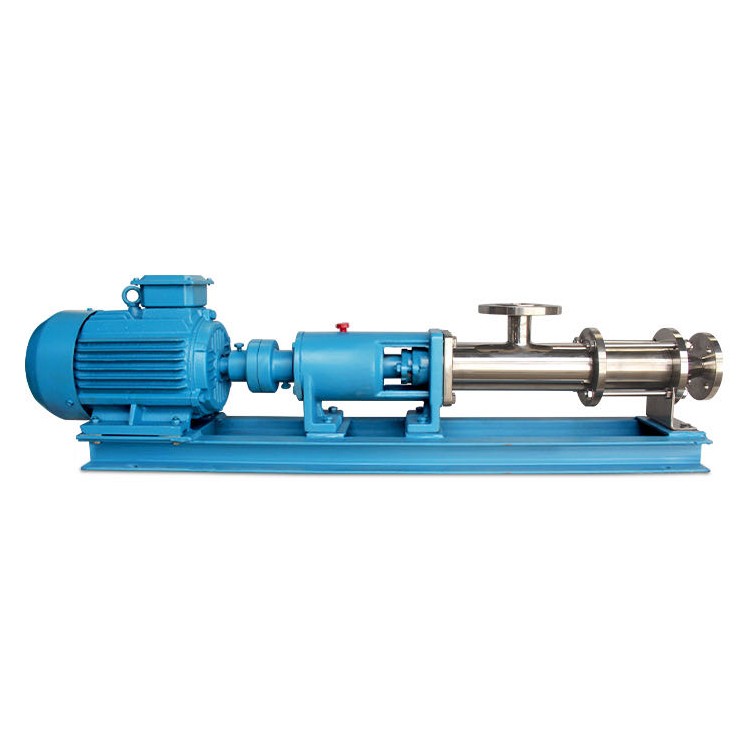
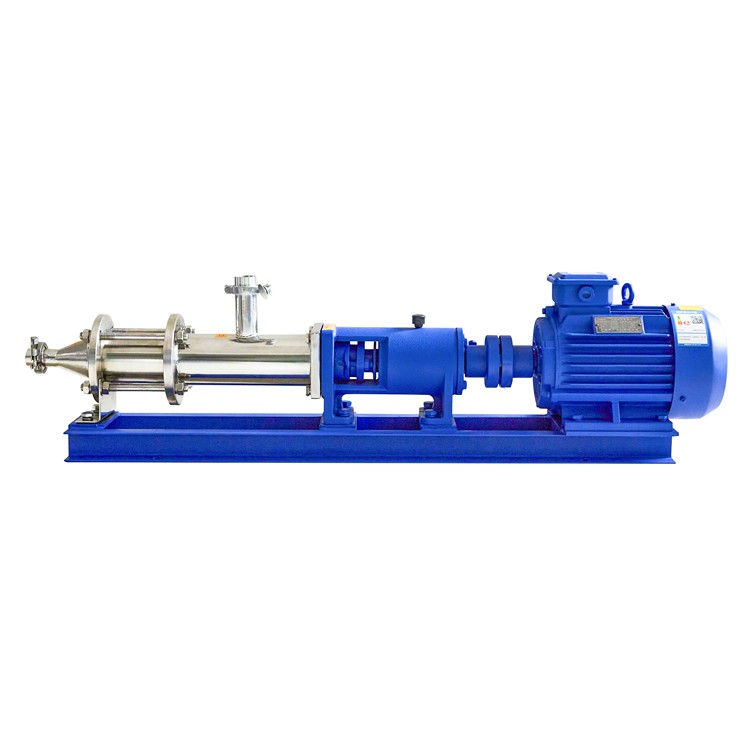

Electro-magnetic Fluorine-lined Diaphragm Pump is a diaphragm pump driven by an electric motor, with core components including the pump housing, diaphragm, drive mechanism, and inlets and outlets with one-way valves. The pump housing serves as the outer shell of the entire unit, providing support and protection for the internal parts. Common materials include cast iron, stainless steel, aluminum alloy, and various engineering plastics.
Working Principle
The working principle of the electric fluorine-lined diaphragm pump is to drive the diaphragm to reciprocate by an electric motor, thereby altering the flow rate of the fluid medium. When the diaphragm moves to one side, a vacuum is formed inside the pump cylinder, drawing in the liquid; when it moves to the other side, it discharges the liquid. This design ensures that the fluid being conveyed only contacts the internal side of the pump cylinder, inlet valve, outlet valve, and diaphragm, effectively protecting the critical components.
Performance Parameters
Common performance parameters of electric fluoroelastomer diaphragm pumps include:
Flow Rate: 0-20 m³/h
Head: 30m
Power: 0.37-4 kW
Speed: 1450 rpm
Bore Size: 25-65mm
Temperature Range: -15 to +150℃
Self-priming height: 5-7m
Application Fields
Electrofluorinated diaphragm pumps are widely used for transferring various corrosive liquids, particularly suitable for the following applications:
Chemical Production: Used for conveying various acids, alkalis, and organic solvents.
Metallurgy Industry: Used for electrolyte transfer.
Petroleum, electroplating, dye, pesticide, papermaking, food, and other industries: Used for treating various strong acids, strong bases, and highly corrosive media.
Environmental Protection Field: Used for wastewater treatment and acidification processes.
Pros and Cons
Advantages:
Simple structure, easy installation and maintenance: No rotating parts reduce maintenance costs.
Wide Application Range: Suitable for various corrosive liquids, granular substances, high viscosity, volatile, flammable, explosive, and highly toxic liquids.
Energy-saving and environmental protection: Save over 30% of gas consumption under normal conveyance conditions.
Disadvantages:
Power Limit: Suitable for low-pressure applications, outlet pressure ≤ 3 kgf/cm².


















