



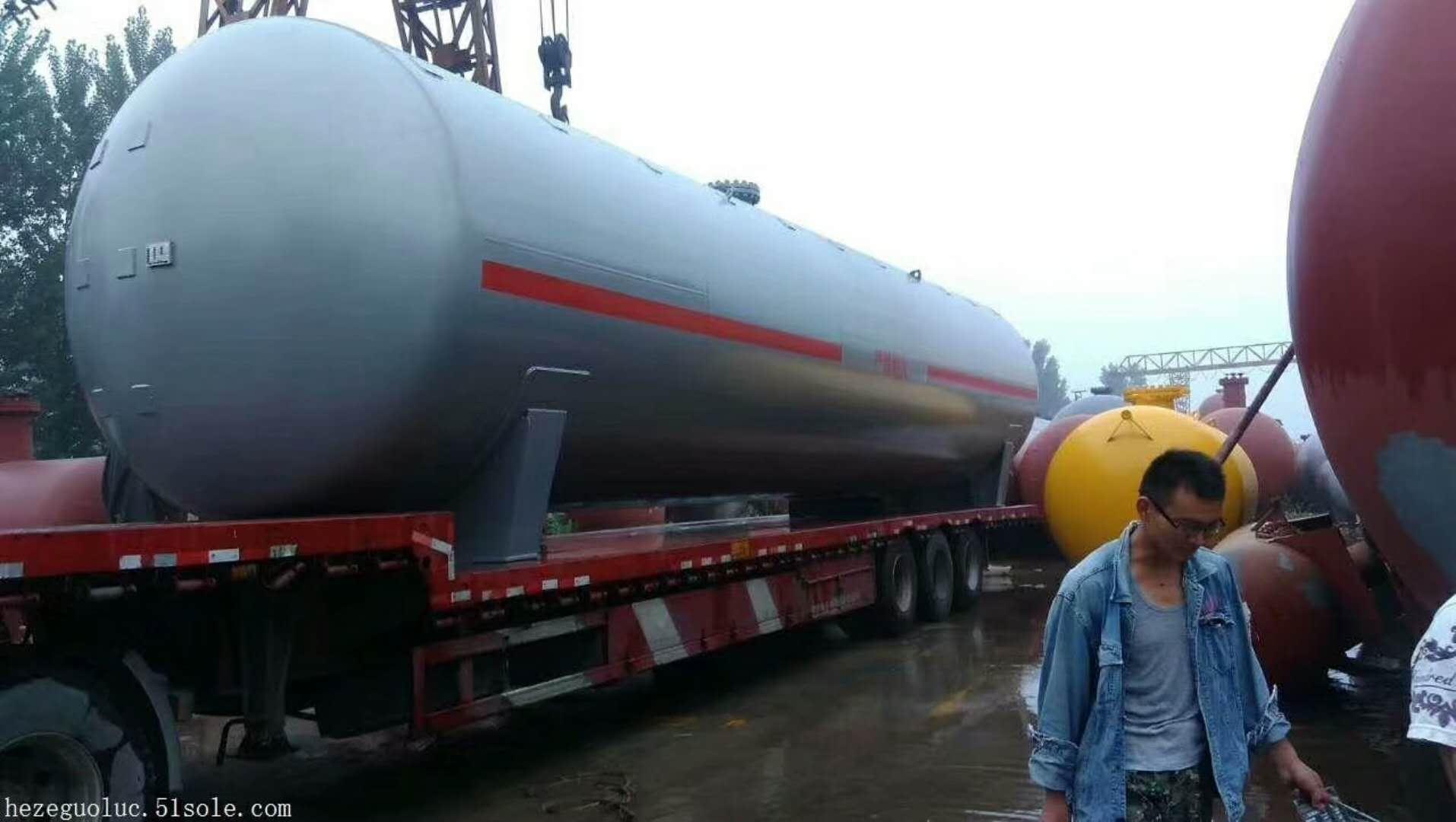

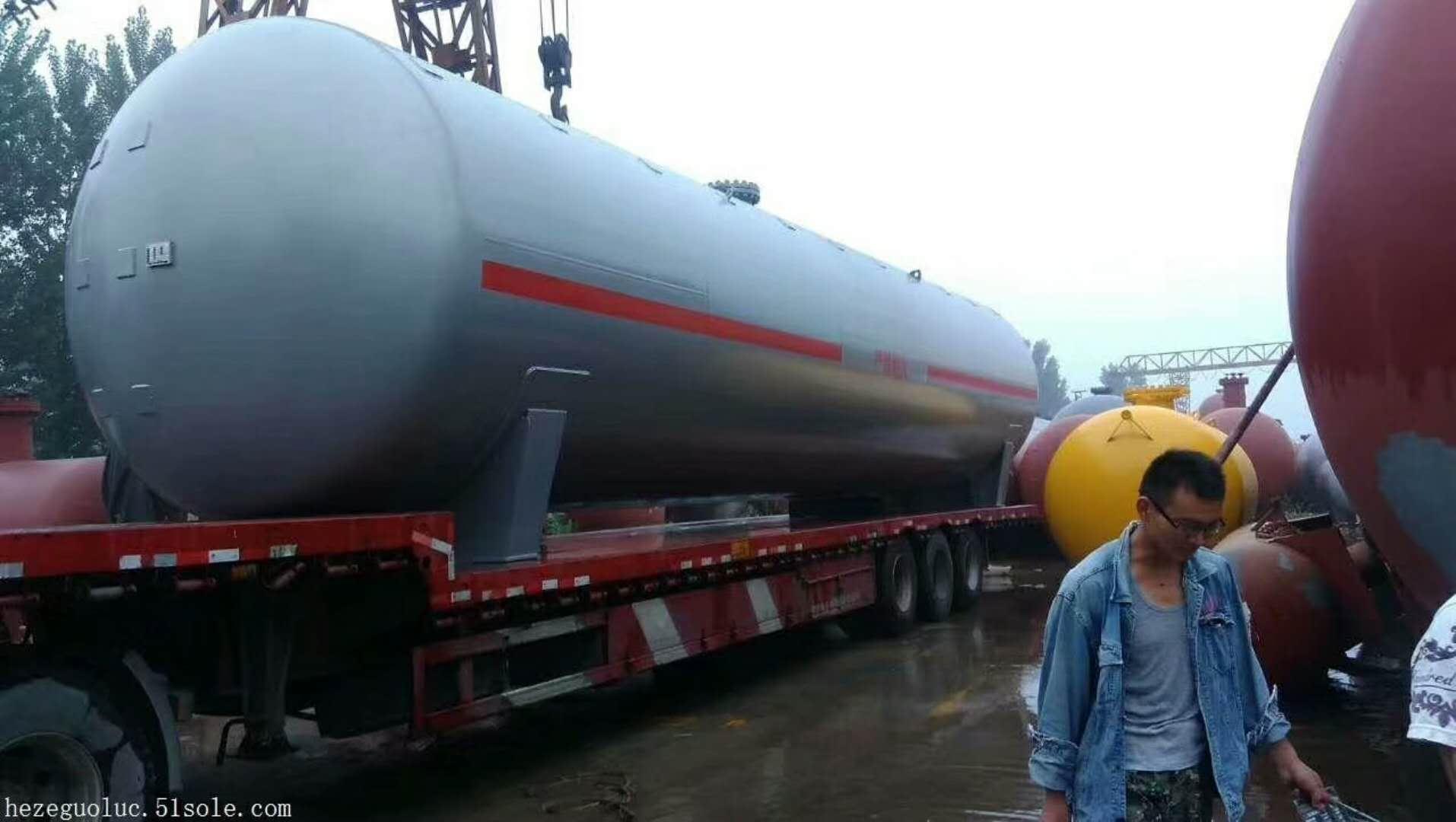
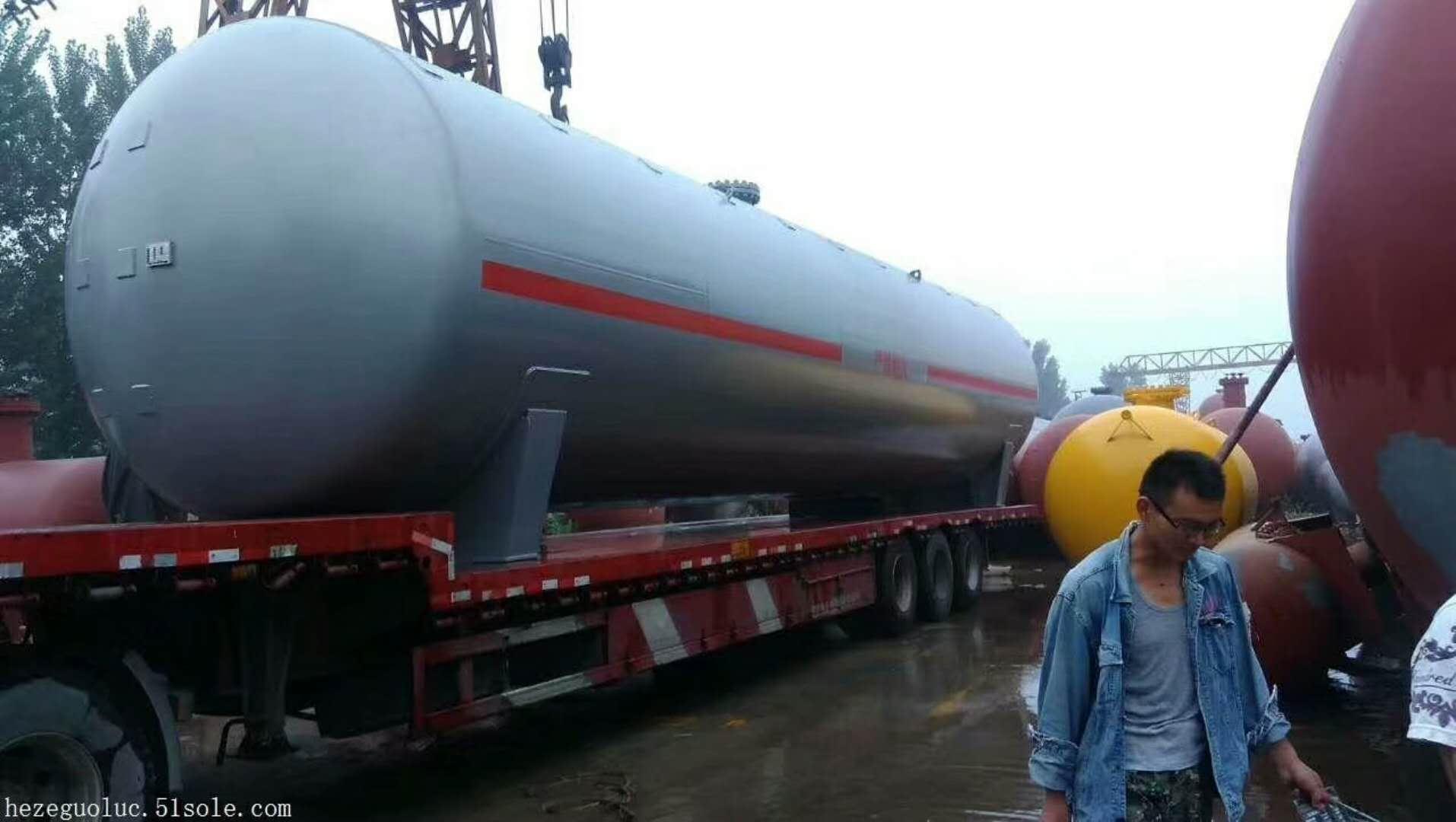



















Babjehec, a professional manufacturer of natural gas storage tanks
1.2.6 Procedure for LNG Tank Maintenance and Care
Operations technicians at Liquefied Natural Gas (LNG) stations must be familiar with the structure and principles of storage tanks, and strictly adhere to operational procedures for LNG-related activities.
2. Operators of liquefied natural gas must be familiar with the performance and principles of storage tank accessories (pressure gauges, level gauges, temperature gauges, vacuum gauge valves).
3. The outer shell of the Liquefied Natural Gas (LNG) storage tank is an external pressure vacuum vessel; welding operations under negative pressure are strictly prohibited.
4. Regularly inspect the outer shell of the storage tank for signs of icing or frost formation. Upon discovery, promptly report to the on-duty supervisor and station manager. The on-duty supervisor or station manager should immediately contact the manufacturer to identify the cause and address it promptly. During the process, closely monitor any changes in icing or frost. If there is a tendency for the incident to escalate, immediately proceed with tank emptying or halt filling operations, and close all relevant emergency shutdown valves at the inlets and outlets.
5. Regularly inspect the storage tank's connecting pipes, valves, etc., for frost formation. Report any issues to the on-duty supervisor immediately, who will then arrange for personnel to address the situation.
6. Regularly inspect the tank's pressure gauge, level gauge, and thermometer to observe if the readings are normal.
7. Regularly inspect the sealing performance and operation of the connecting valves to ensure normal operation.
8. Regularly inspect and calibrate safety valves, pressure gauges, level gauges, and thermometers as per regulations, ensuring proper operation and updating the equipment inventory promptly.
9. Regularly perform anti-corrosion treatment on the outer cylinder of the storage tank and carry out visual cleaning and maintenance of the tank's pressure gauge, level gauge, and thermometer.
10. Regularly descale and prevent corrosion on the susceptible rust-prone areas such as the pressure and level control instruments' three-way valves in storage tanks.
11. Conduct annual or operational vacuum level inspections of the storage tanks to monitor their operational status.

Cautionary Notes
1. Cylinders must be stored in well-ventilated areas, with a minimum distance of 1.5 meters from any flame or heat source. Cylinders are strictly prohibited from being heated with fire, boiled in water, or exposed to direct sunlight. Regular checks should be conducted for the air tightness of cylinder valves and pipeline joints, ensuring no leaks. Leaks can be detected using soap water, and it is strictly forbidden to test for leaks with an open flame.
2. When igniting, always light the kindling first, followed by opening the gas, do not reverse this order. There should be someone watching during use, do not leave the area, to prevent boiling water from overflowing and extinguishing the flame, which could cause the liquefied gas to escape and lead to an explosion. After using the gas cylinder, ensure the valve is tightly closed to prevent gas leakage.
3. The liquefied gas in the cylinder should not be completely exhausted; a certain residual pressure must be maintained. The residual pressure should generally be greater than 49.03 kPa (i.e., 0.5 kg/cm², gauge pressure) to prevent air from entering the cylinder. After the liquefied petroleum gas is used up, the remaining residue in the cylinder is also a flammable substance and should not be poured out arbitrarily to prevent fires caused by the flow and evaporation of the residue.
4. LPG cylinders are pressurized containers that require proper maintenance and regular inspections. Prevent them from falling or being struck during handling and use. Do not use metal tools to敲击 open the valve. Protect them from direct sunlight and prolonged exposure to rain. Cylinders should be inspected every 2 years.
5. Although the explosive range of liquefied petroleum gas (LPG) is not very wide, due to its low lower explosive limit, it is easily ignited and explodes upon leakage. Moreover, as LPG is heavier than air, it tends to flow downwards when leaking into the air, accumulating in low-lying areas and posing a hidden danger of gas explosion. Therefore, in areas where gas leakage is prone, relying solely on window ventilation is insufficient; attention must also be given to proper ventilation at the lower levels.
6. Upon discovering a liquefied gas leak indoors, promptly open windows and doors for ventilation, allowing it to dissipate away from any open flame. Fire is strictly prohibited in the vicinity. The area should only be used after the fault is resolved and the distinctive odor has dissipated. Dispose of any spilled liquid on the ground by covering it with sand and soil, then remove it to a safe location. In case of a gas cylinder fire, immediately close the valve, move it to an open area outdoors, and extinguish the fire using dry powder extinguisher, carbon dioxide extinguisher, or by covering it with a wet sack.
7. Educate children not to tamper with gas cylinders carelessly, and users must be aware of the safety knowledge regarding gas cylinder usage.






















