























babjehec供应液化气储罐生产商
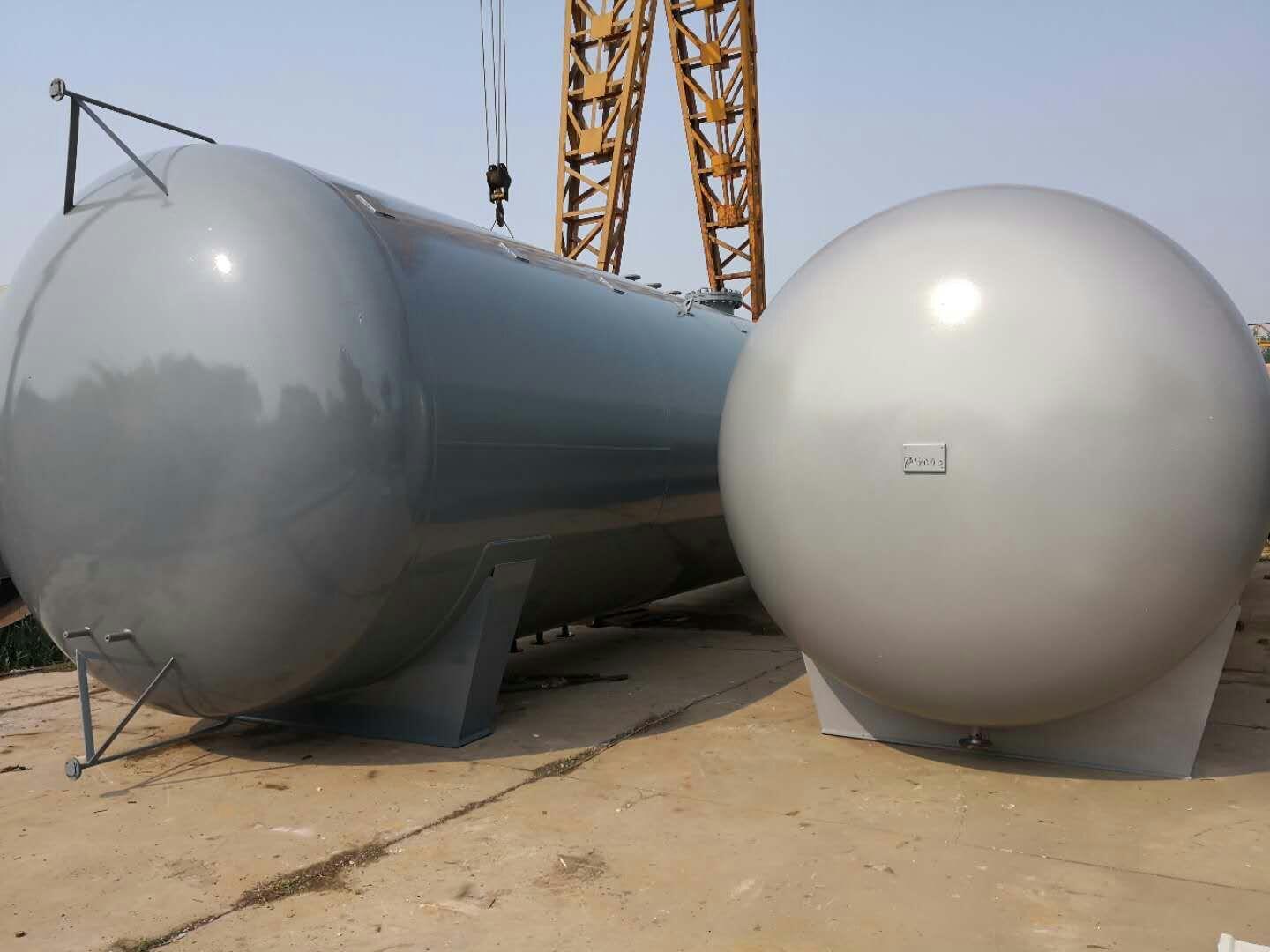
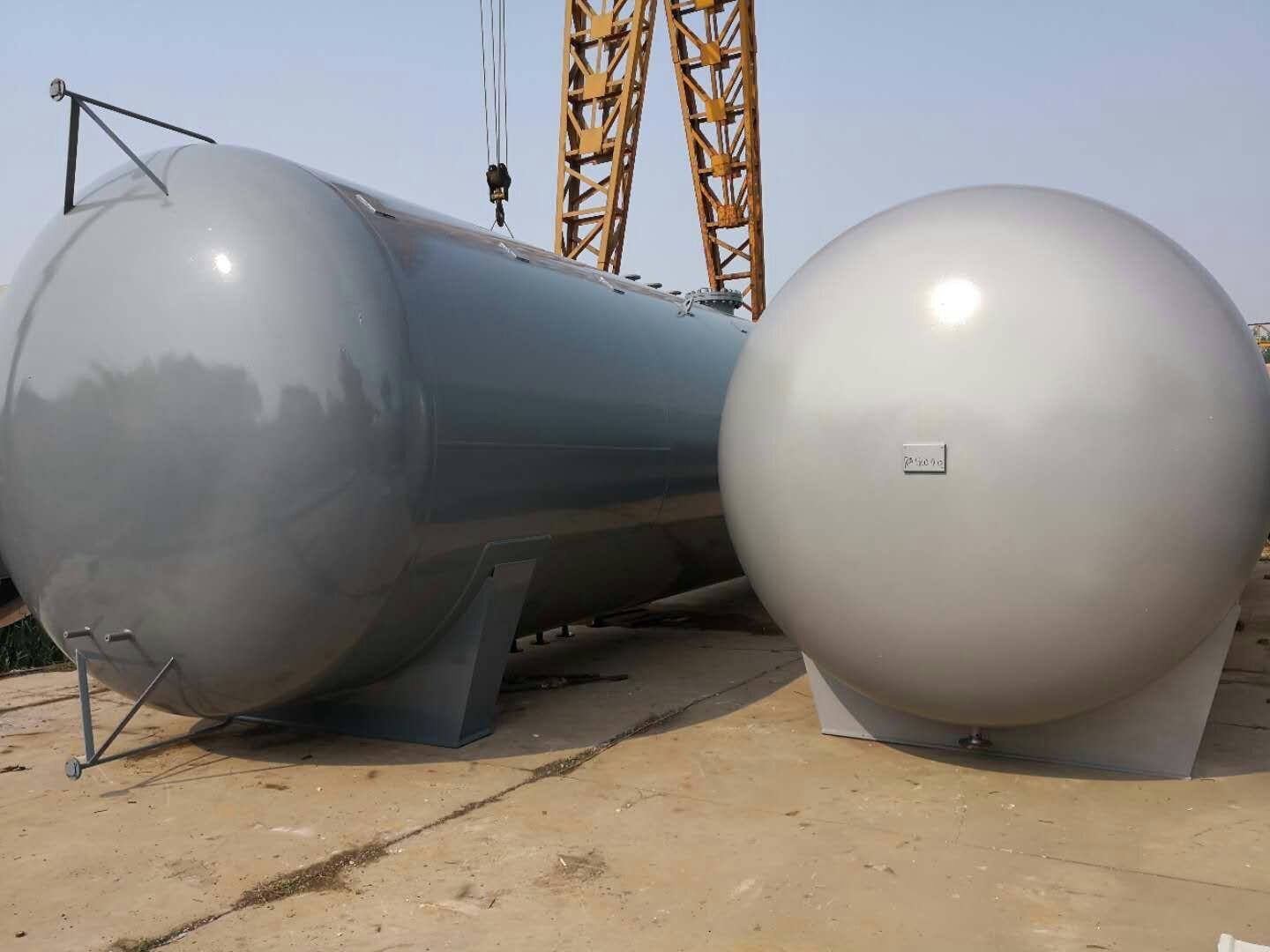
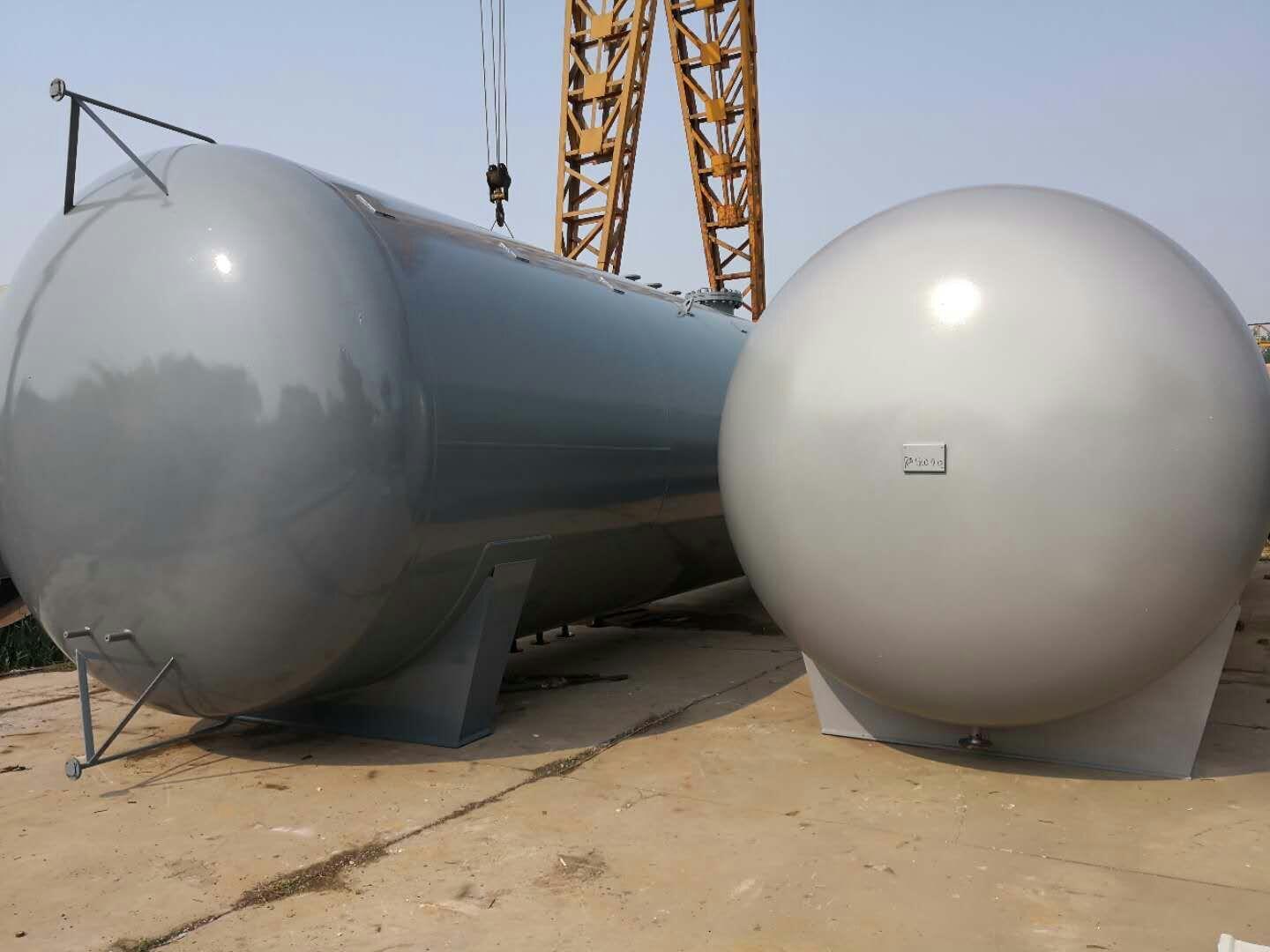
Safety Precautions for Natural Gas Storage Vessels: These are jacketed vacuum powder-insulated pressure vessels used for storing and supplying low-temperature liquefied gases. They are widely used in industrial production. Analysis of the hazardous characteristics of low-temperature liquids: Low-temperature liquids have low boiling points, high expansibility, strong asphyxiating properties, and strong oxidizing properties. Boiling points at 101.3 KPa: Liquid nitrogen at -196°C, liquid oxygen at -183°C, liquid argon at -186°C. Contact with the human body can cause severe frostbite to the skin and eyes. In case of minor leakage of low-temperature liquids or internal leakage of valves and pipes, they absorb heat from the surrounding environment, causing rapid condensation and frost formation at the leakage point, which can lead to freezing in severe cases. When low-temperature liquids absorb high heat from the surrounding environment or a large amount of leakage, their volume expands rapidly due to quick vaporization. At 0°C and 101.3 KPa pressure, the volume of gases produced from 1L of low-temperature liquids: nitrogen at 674L, oxygen at 800L, argon at 780L. Inside sealed containers or pipes, increased pressure due to vaporization of low-temperature liquids can lead to overpressure explosions. In the environment near low-temperature liquid storage tanks, the vaporization of leaked low-temperature liquids can easily form rich gas areas. High concentrations of nitrogen, argon, or carbon dioxide can cause asphyxiation injuries. Additionally, high oxygen concentrations can lead to oxygen-rich injury. Oxygen is a strong oxidizing agent and has a high oxidizing property. Liquid oxygen, when in contact with combustible materials, can easily cause combustion upon contact with an open flame; it can produce shock waves or explosions due to impacts; and when mixed with combustible materials, it poses a latent explosive hazard. Liquid oxygen can adhere to clothing fabrics and easily ignite upon contact with a heat source, causing injury.

The 2017-2022 China Liquefied Gas Storage Tank Industry Development Report aims to provide reference services for banks in providing credit, investors interested in investing in the liquefied gas storage tank industry, and enterprises in the liquefied gas storage tank industry and related industries in formulating development strategies. The 2017-2022 China Liquefied Gas Storage Tank Industry Development Report compiled by the Brief Industry Research Institute first conducts a summary analysis of the general situation of the liquefied gas storage tank industry, aiming to help readers understand the current development dynamics and market development situation of the domestic liquefied gas storage tank industry. It performs a detailed and in-depth analysis of the current market status and development of each sub-industry in the Chinese liquefied gas storage tank industry, fully analyzes the development trends of the industry, and puts forward some views and suggestions. The report does not cover the production technologies related to the liquefied gas storage tank industry; those interested can refer to other reports in this industry or consult customer service. The report mainly presents factual statements, supplemented by objective analysis, and the content is for reference only.
The 2017-2022 China Liquefied Gas Tank Industry Development Report contains approximately 176 pages and over 115,000 words, with more than 110 charts. The report was updated in October 2017. It is divided into eleven chapters, with the first chapter providing an overview of the international liquefied gas tank industry and its trends. Chapters two and three analyze the domestic industry's development environment and current situation, including market competition, foreign investment, and existing issues. Chapters four to seven offer detailed data analysis of the overall business status of the Chinese liquefied gas tank industry. Chapter eight compares and analyzes over a dozen key domestic companies within the industry, aiming to help readers understand the business status and future development plans of competitors or related enterprises. The report also analyzes the financing characteristics, investment opportunities, and risks in the liquefied gas tank industry, along with suggestions for this report.






















