























babjehec专业LNG储罐生产厂家
Carbon Dioxide Storage Tank
1 Overview
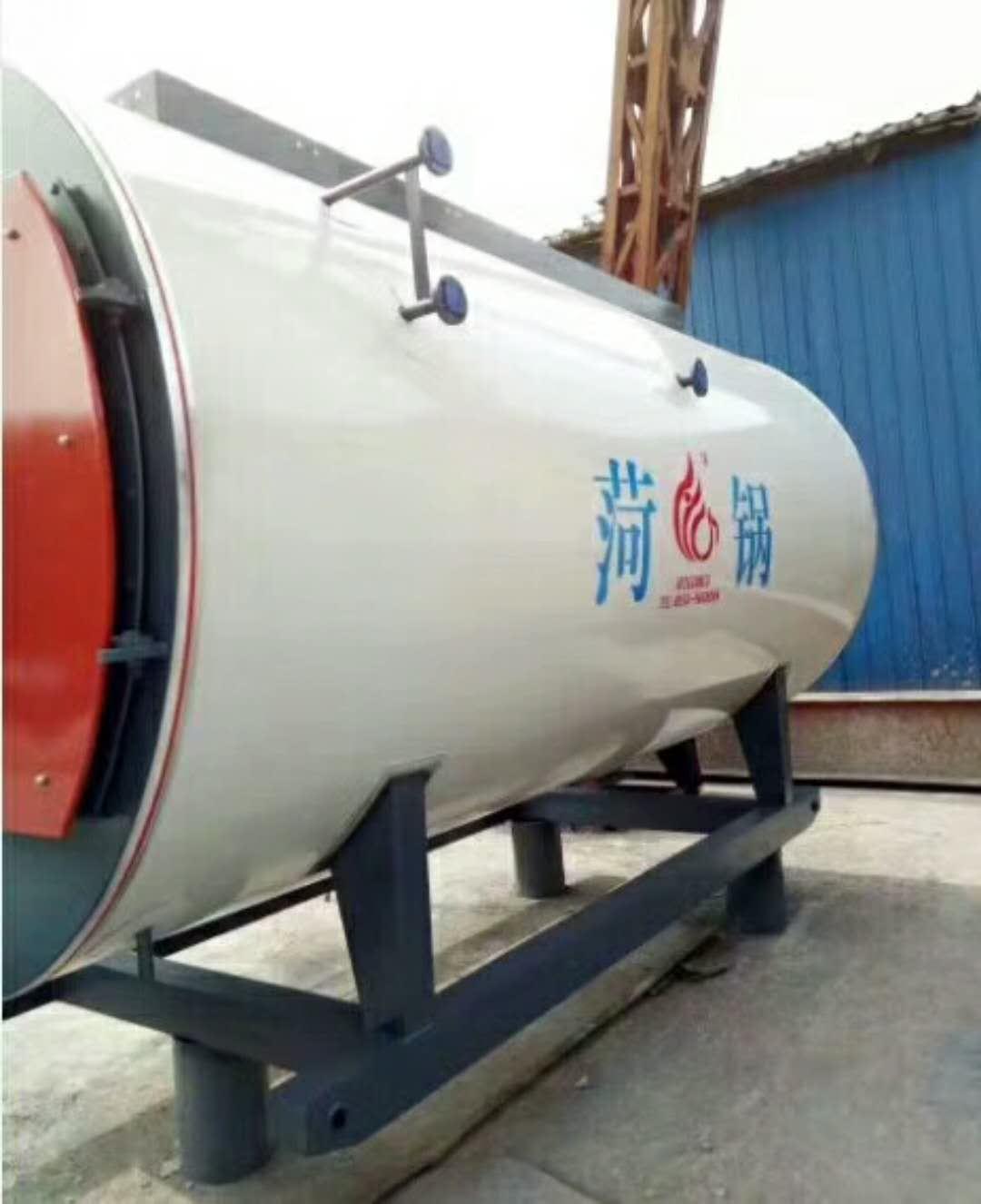
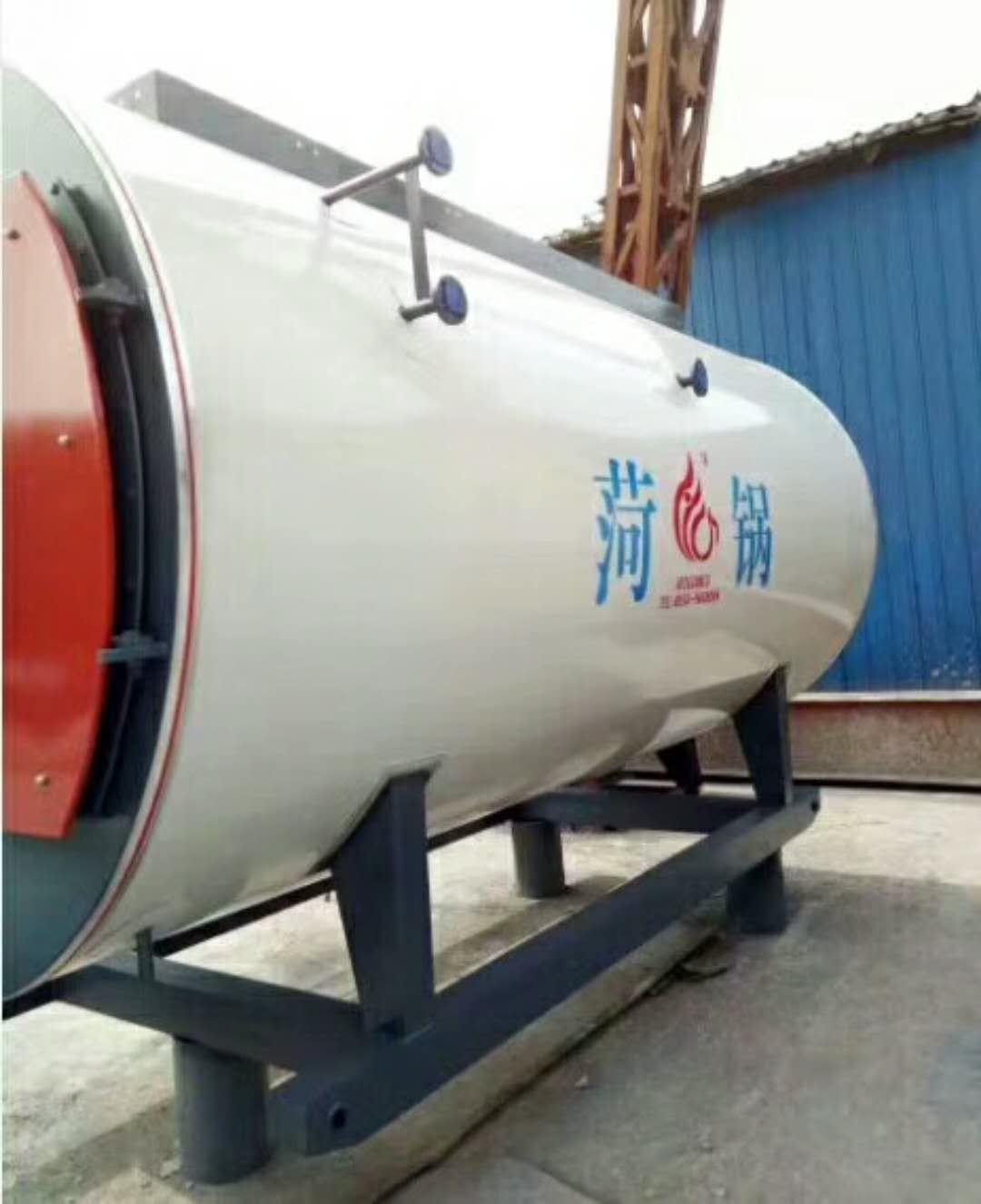
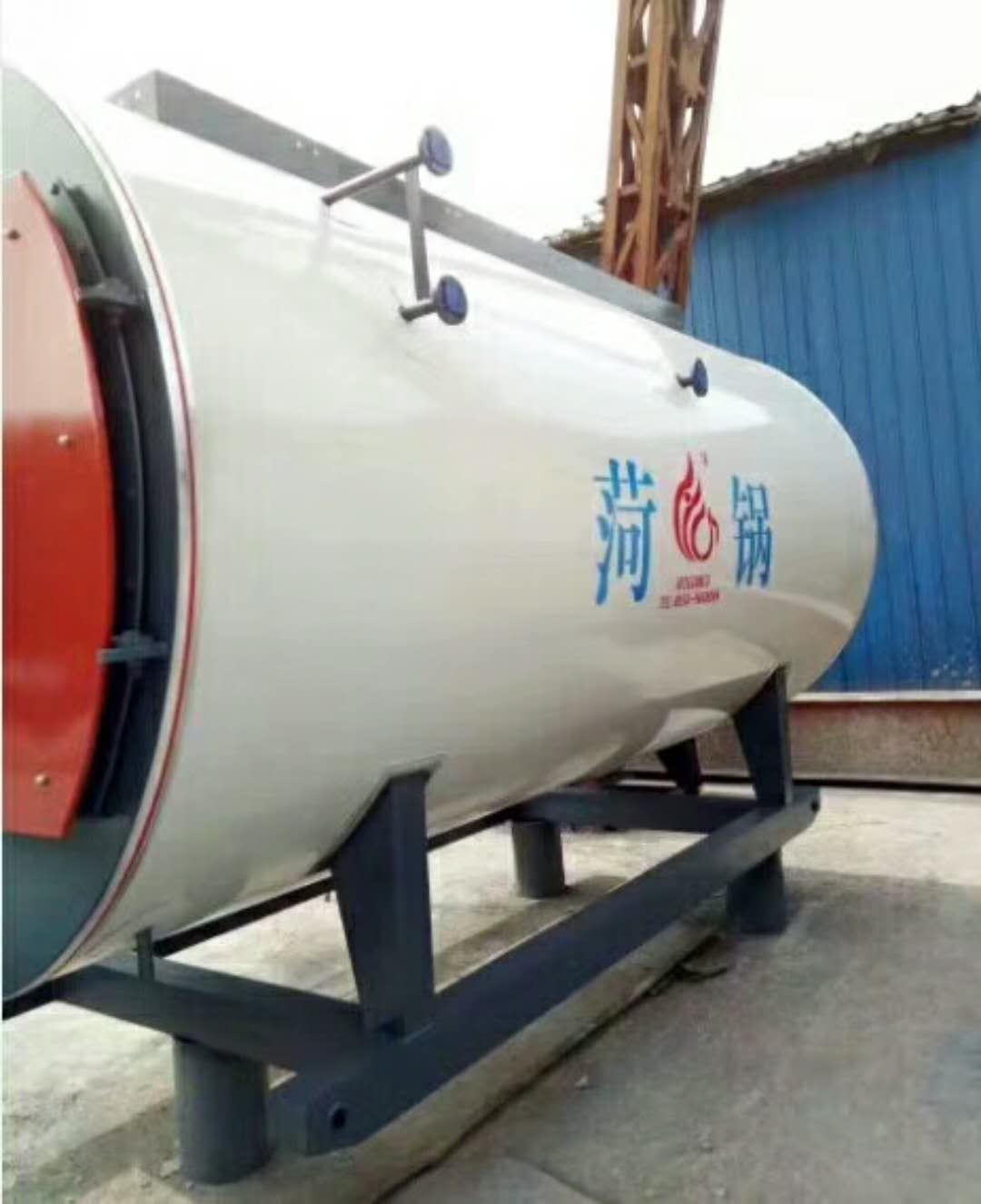
The low-temperature liquid carbon dioxide storage tank is a double-walled container consisting of an inner and an outer vessel. It features vacuum powder insulation and is available in both vertical and horizontal types. The inner vessel is made of 16MnDR material, while the outer vessel material can be selected as Q235-B or 16MnR, depending on the user's location. The space between the inner and outer vessels is filled with insulating material, pumice, and then evacuated. (Available in vertical and horizontal configurations)
2 Uses
Storage: Liquid Carbon Dioxide (LCO2)
3 Insulation Performance
Insulation materials are filled with pearlescent sand under heat and vacuumed. After the sandwich is sealed, the standard vacuum degree is:
Effective Volume: ≤ 10m³ with a vacuum ≤ 2Pa, 10m³ to ≤ 50m³ with a vacuum ≤ 3Pa, and > 50m³ to ≤ 100m³ with a vacuum ≤ 5Pa. Achieved through exquisite technology, unique filling process, and a quality assurance commitment, to deliver optimal thermal insulation.
4 Security Technical Features
The low-temperature liquid carbon dioxide storage tank utilizes a "combined, safety system valve" that employs two safety valves working simultaneously. During regular safety valve inspections, one side can be closed while the other continues to operate, ensuring the safe operation of the tank.
5 operating systems
The tank container is equipped with a pressure gauge, differential pressure level gauge, and a level reference chart at the top, allowing for real-time monitoring of the storage volume and pressure changes. This facilitates operations during filling and draining.
6 Inspection System
The lower section of the tank is equipped with a dedicated vacuum detection system for the tank, complete with vacuum gauges and valves. These can be periodically or as needed checked with a vacuum gauge to ensure the interlayer vacuum level, guaranteeing the safe operation of the tank.
7 Technical Specifications
Design Pressure: 2.3 Mpa
Working Pressure: 2.16 MPa
Design Temperature: -40°C
Operating Temperature: -20℃
Effective Vessel Capacities: 5m3, 10m3, 15m3, 20m3, 30m3, 50m3
Liquid Oxygen Tank
Overview
This series of low-temperature storage tanks is a double-layer fixed vacuum powder-insulated storage tank (vessel). The inner tank is made of stainless steel (16MnDR for CO2 tanks), and the outer tank is made of Q235B or 16MnR. Surface corrosion protection is achieved through processes such as sandblasting, sweeping, and spraying, while a two-component quick-curing liquid paint is used.
Application Scope and Features
Primarily used for the low-temperature storage of liquid oxygen, nitrogen, argon, carbon dioxide, and other gases. One cubic meter of liquid can replace 130 gas cylinders. It can replace the daily transportation of gas cylinders, saving a significant amount of human and material resources. Widely applied in industries such as gas, hospitals, and metal smelting with high gas consumption, it is the best product for centralized gas supply. It features a long service life, compact structure, small land area, centralized control, and easy operation.
2 Product Model
5 cu ft, 10 cu ft, 15 cu ft, 20 cu ft, 30 cu ft, 50 cu ft, 100 cu ft
Technical Data
Maximum Working Pressure: 1.6 MPa
Maximum working pressure of CO2 storage tank:

Natural gas storage tanks, also known as low-temperature storage tanks, are vertical or horizontal double-layer vacuum-insulated storage tanks. The inner shell is made of austenitic stainless steel, while the outer shell material varies by user location and is selected according to national regulations as 345R. The annular space between the inner and outer shells is filled with insulating material and then evacuated. The product undergoes on-site inspection by the National Technical Supervision Administration, which issues a pressure vessel supervision and inspection certificate.

Natural gas tanks are the main equipment of LNG gasification stations, directly affecting the normal production of the stations and occupying a significant portion of the construction cost. They can be classified into underground tanks, above-ground metal tanks, and metal prestressed concrete tanks. For LNG tanks, there are currently vacuum powder insulation tanks, positive pressure pile insulation tanks, and high vacuum layer insulation tanks. Medium and small-scale gasification stations generally opt for vacuum powder insulation low-temperature tanks. The tanks are divided into inner and outer layers, with the annular space filled with mica sand and evacuated to reduce the heat transfer from the outside, ensuring that the daily gasification rate of LNG inside the tank is less than 0.3%.

Natural Gas Storage Tank
The operating pressure of the natural gas storage tank is 0.6-1.44 MPa, with an operating temperature of -162°C. (Available in vertical or horizontal configurations) The tank is constructed with two layers for insulation. To minimize heat transfer from the outside to the inside, a vacuum insulation structure filled with pumice sand is used between the layers, isolating it from the atmosphere. This prevents the effects of atmospheric pressure or temperature changes and the entry of moist air into the insulation layer between the inner and outer tanks, effectively ensuring and enhancing the performance of the insulation material.

Natural gas storage tanks have stringent safety requirements. As they store low-temperature liquids, any accident could lead to a large-scale evaporation of the refrigerated liquid, with the vaporization amount reaching about 300 times the original refrigerated state, forming explosive gas clouds in the atmosphere. Therefore, standards such as API and BS require double-walled tank structures and the use of containment concepts. In the event of a leak in the primary tank, the secondary tank can completely contain the leaked liquid and evaporated gas, ensuring storage safety.






















