




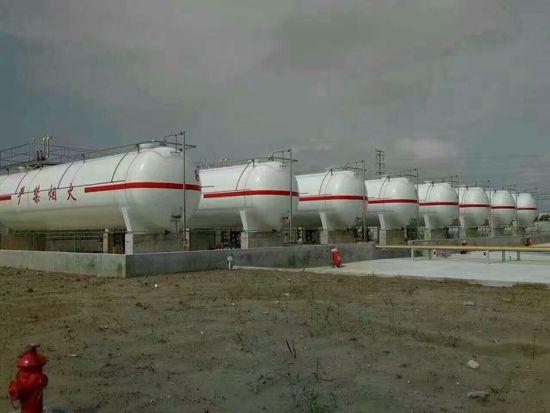



















The loading and unloading areas for liquid ammonia tanks should be prohibited near densely populated areas such as schools, hospitals, and residential districts. The storage quantity of liquid ammonia that constitutes a major hazard must be located at a distance that complies with national standards or regulations as follows: 1. densely populated areas such as residential districts, commercial centers, and parks; 2. public facilities such as schools, hospitals, cinemas, and sports stadiums; 3. water sources, water plants, and protected water source areas; 4. stations, docks (excluding those approved and specially engaged in hazardous chemical handling and loading according to national regulations), airports, highways, railways, waterways, subway ventilation shafts and entrances/exits; 5. basic farmland protection areas, pastoral areas, fishing waters, and production bases for seeds, breeding stock, and aquatic seedlings; 6. rivers, lakes, scenic areas, and nature reserves; 7. military禁区 and military management areas; 8. other areas protected by laws and administrative regulations.
Liquefied ammonia storage tanks, as a special type of pressure vessel, are widely used in the chemical industry for transporting strong acids and alkalis. Over the years, it has been found that liquid ammonia storage tanks rarely experience strength failure, with most incidents being due to corrosion cracks. The corrosion issue with liquid ammonia storage tanks is increasingly drawing attention, as many safety concerns arise from their insufficient corrosion resistance. Generally, cracks in the weld seam areas of the inner surface of the tank are severe, often appearing on the hoop welds, with no plastic deformation at the crack mouth, displaying typical brittle crack characteristics. The cracks are mostly shallow and elongated with distinct branches, with the main crack perpendicular to the weld direction, especially at the starting and ending points of manual arc welding, T-joints, and where the head ring weld intersects with the longitudinal weld of the cylinder, where the cracks are more severe. In addition to strengthening the inspection of welds, manufacturers of liquid ammonia storage tanks must also enhance the inventory management of welding rods and ensure that different rods are not mistakenly used during operations for different equipment, as this can lead to hidden dangers for product quality.

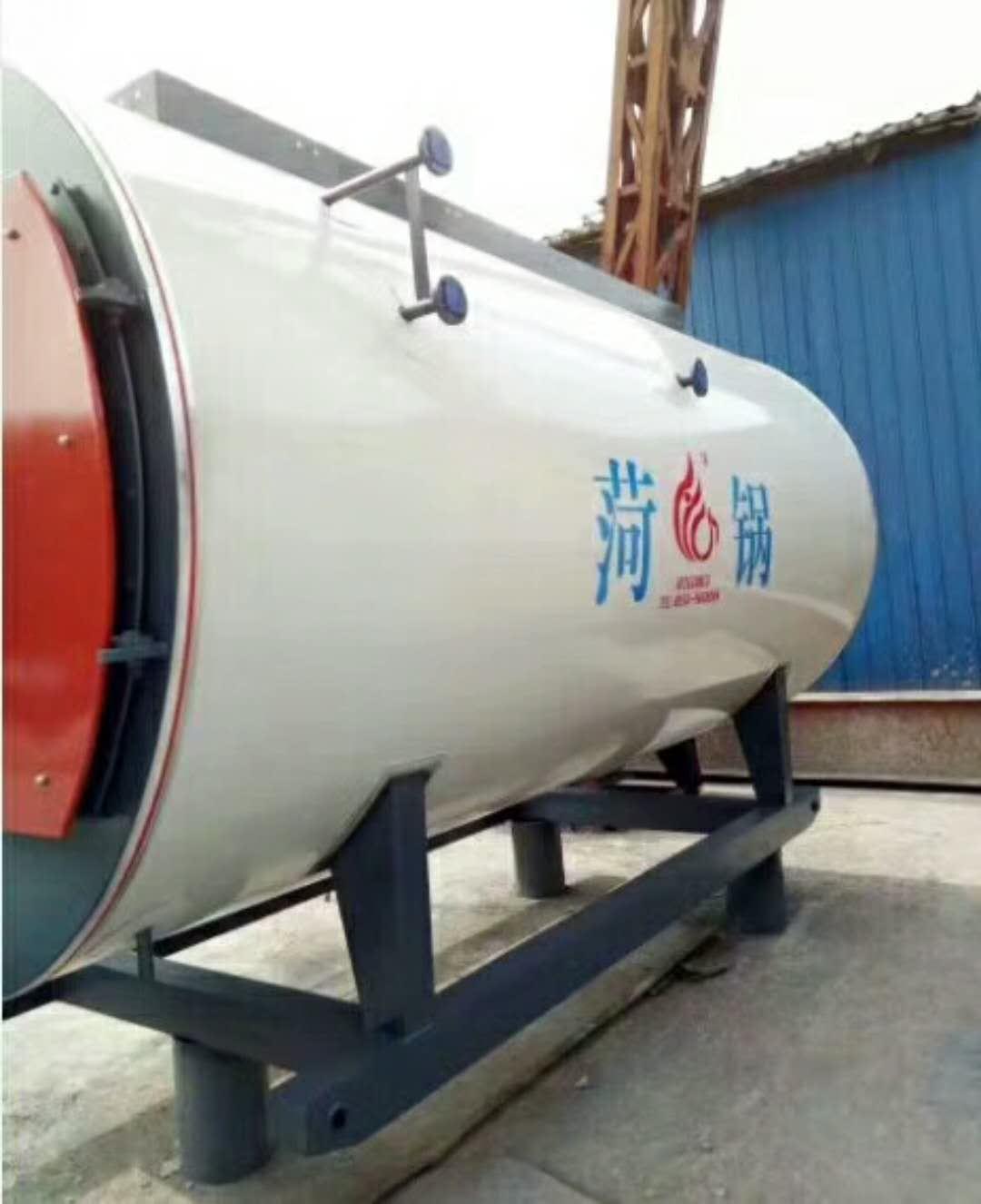
More and more businesses require the use ofLiquefied Gas Storage TankSteel storage tanks are specialized equipment for storing various liquids or gases. Many companies cannot operate normally without storage tanks for energy, especially when stockpiling various materials, as they rely on storage containers of different types and capacities. Most oil storage facilities are above ground, and metal structures are predominant.Liquefied Gas Storage TankThe applications are extensive; such containers are needed by various enterprises. Oil tanks, as storage equipment for oil and gas pipelines, are used as storage containers for oil transportation. The storage tanks used at the first station of oil pipeline transmission are for storing oil and collecting oil to ensure a stable oil transportation volume. The storage tanks used at the terminal stations are primarily for receiving and storing oil. Oil is supplied to the oil-consuming units through these tanks. The majority of plastic storage tanks require molding and processing techniques. During the molding process, the molds are under considerable pressure, utilizing widely applied compression molding, which is formed through extrusion and molding into storage equipment. Large components produced using molding processes must withstand significant pressure, necessitating particularly robust design and manufacturing of molding equipment, which is quite challenging and increases costs. Corrosion-resistantLiquefied Gas Storage TankUtilizing rotational molding technology, these tanks demand high structural integrity from the frame, which must be strong enough to support the material, the mold, and the frame's own weight. This ensures material containment, even for large-scale storage tanks or extra-large plastic storage tank components. The production of corrosion-resistant tanks does not require heavy equipment or molds, making the molding and manufacturing process particularly convenient, with low production costs and a short lead time.






















