



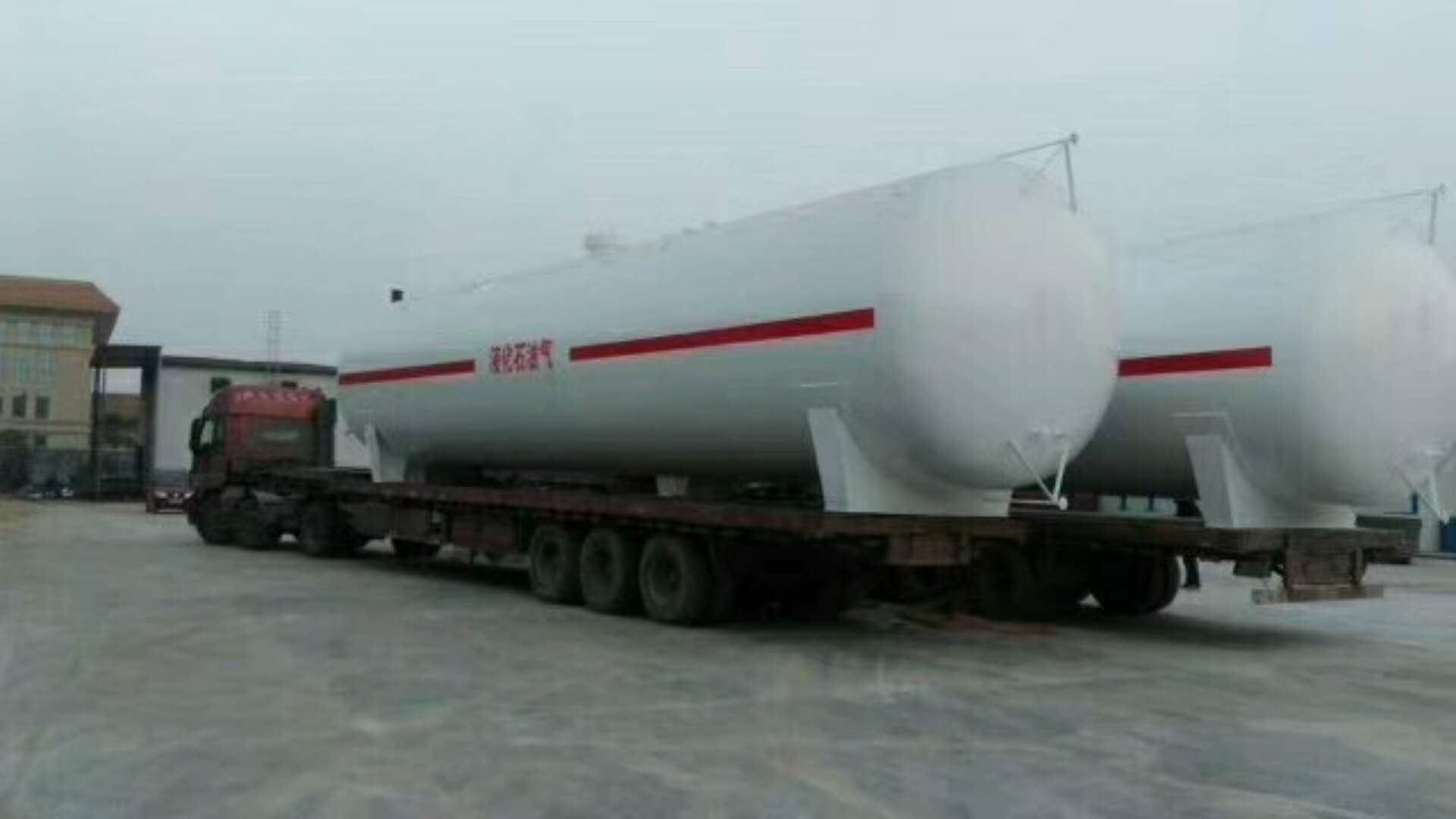

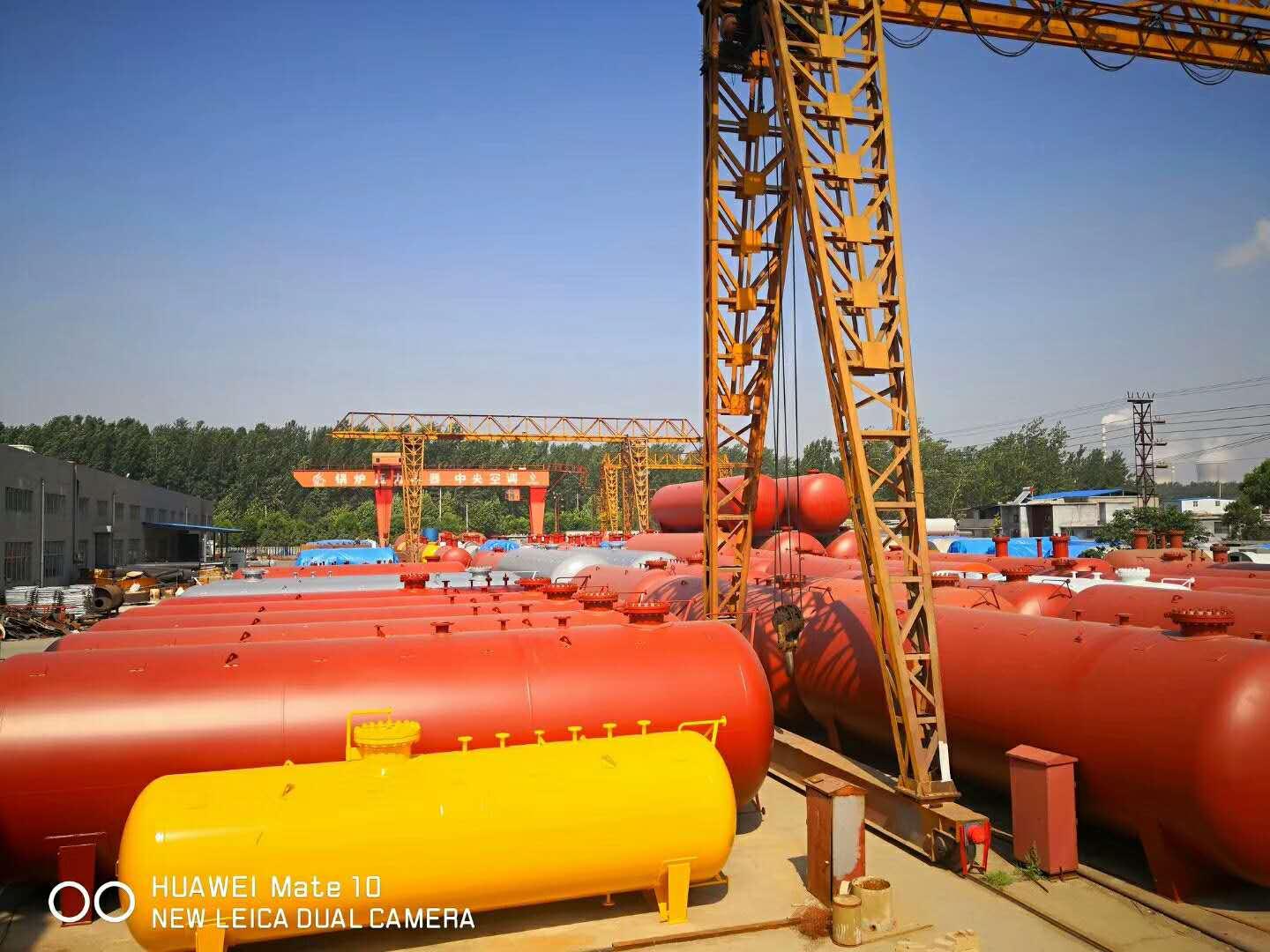
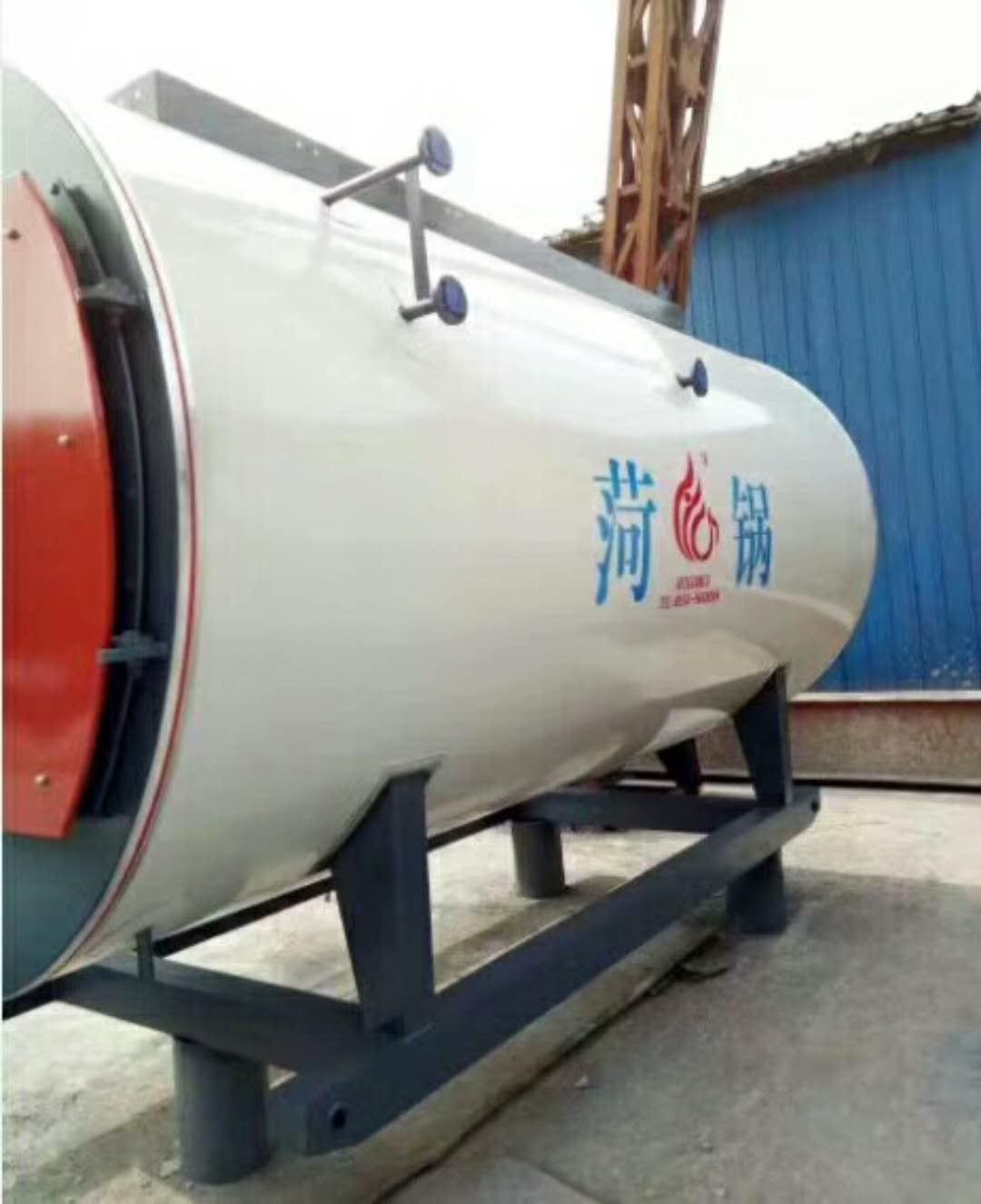



















4.1 Design Requirements for Liquefied Gas Storage Tank Engineering: The selection of a design unit for the liquefied gas storage tank system engineering should be handled by the project organization department of the provincial (municipal, district) company. The selection should be made from among the design institutes shortlisted in the panel, and the designated supervisor should sign off on the approval. 4.2 Site Survey: 4.2.1 The site survey should be organized by the project organization department of the provincial (municipal, district) company, involving the construction, pipeline, safety, and quality assurance departments of the branch company located at the gas station, as well as the design institute and other departments. 4.2.2 For the research and survey of the gas station, it is necessary to understand the layout and burial depth of the existing underground pipelines and cable laying within the gas station. For stations that cannot provide site pipeline data, pipeline detection technology should be used to determine the existing process, electrical, and drainage pipelines. 4.2.3 The construction department of the branch company located at the gas station should, based on the principles of economy and practicality and relevant local government requirements, propose suggestions for the scope of renovation, renovation methods [unloading oil vapor recovery system, refueling oil vapor recovery system (dispersed, centralized), and oil and gas emission treatment facilities], and the renovation of related equipment and facilities. After obtaining approval from the designated supervisor and the project organization department of the provincial (municipal, district) company, the design unit will base the design on these proposals. 4.3 Design Proposal: 4.3.1 The design proposal submitted by the design institute should include technical documents such as general layout, oil vapor recovery process diagrams, and main equipment and material lists. 4.3.2 The design proposal should be submitted to the project organization department of the provincial (municipal, district) company, which will organize the pipeline, safety, and quality assurance departments, as well as the construction personnel of the branch company located at the gas station and the design institute for proposal review, and then report for approval from the designated supervisor. 4.4 Construction Drawing Design: 4.4.1 Equipment selection: The project organization department of the provincial (municipal, district) company will provide a list of pre-qualified suppliers for oil vapor recovery equipment, and the design institute will select the relevant equipment based on this list. Equipment selection should follow principles of safety and reliability, advanced technology, economic practicality, and compliance with emission standards, and should use products that are easy to install, convenient, and have minimal on-site renovation. The following points should also be noted: 4.4.1.2 It is preferable to select equipment from the same manufacturer in the same area for ease of after-sales service. 4.4.1.2 Gas stations with an annual gasoline sales volume of more than 3,000 tons and more than 10 gasoline guns should use centralized refueling oil vapor recovery systems; others should use dispersed refueling oil vapor recovery systems. 4.4.1.3 Different types of oil vapor recovery technology and equipment should be selected based on the internal space of the fuel dispenser. For example, a secondary recovery dispersed vacuum pump should be powered by a smaller motor that can utilize the existing power supply of the fuel dispenser, and it should not require additional power cables. To minimize the amount of tank renovation, a centralized vacuum pump should be powered by an electric motor, not a submersible pump. 4.4.1.4 The oil and gas emission treatment facilities should be selected based on the surrounding environment, site size, and business volume of the gas station. The maximum processing capacity of the oil and gas emission treatment facilities should be 10% to 20% of the maximum fuel volume. 4.4.2 Construction Drawing Design: 4.4.2.1 The design institute will carry out construction drawing design based on the approved design proposal. 4.4.2.2 The liquefied gas storage tank pipelines should be made of seamless steel tubes that comply with the current national standard "Seamless Steel Tubes for Fluid Transmission" GB/T 8163, with the design pressure of oil pipelines not less than 0.6 MPa, and the design pressure of oil vapor recovery pipelines not less than 0.13 MPa. Flexible materials such as thermoplastic plastic pipelines should not be used.

Usage Instructions
1. Cylinders must be stored in well-ventilated areas, with a distance of at least 1.5 meters from any flame or heat source. Cylinders should never be heated with fire, boiled in water, or exposed to direct sunlight. Regularly inspect the gas valves and pipeline joints for leaks and ensure they are airtight. Typically, soapy water is used to check for leaks; using an open flame to test for leaks is strictly prohibited.
2. When lighting, always ignite the primer first, followed by opening the gas; do not reverse the order. There should be someone watching over it during use; do not leave it unattended to prevent boiling water from spilling and extinguishing the flame, which could cause the liquefied gas to leak and potentially explode. After using the gas cylinder, make sure to close the valve tightly to prevent gas leakage.
3. Do not deplete the liquefied gas in the cylinder completely; a certain residual pressure should be maintained. The residual pressure should generally be greater than 49.03 kPa (i.e., 0.5 kg/cm², gauge pressure) to prevent air from entering the cylinder. After the liquefied petroleum gas is used up, the remaining residue inside the cylinder is also a flammable substance and should not be poured out. This is to prevent fires caused by the flow and evaporation of the residue.
4、Liquefied Petroleum GasGas cylinders are pressurized containers that require proper maintenance and regular inspections. They must be handled to prevent dropping or impact, and it is forbidden to use metal tools to敲击 open the valve. They should be protected from direct sunlight and prolonged exposure to rain. Gas cylinders are typically inspected every 2 years.
5、Crude OilThe explosion range of liquefied gas is not very wide, but due to its low limit, it is easy to ignite and explode upon leakage. Moreover, since LPG is heavier than air, it tends to flow downward upon leakage in the air, accumulating in low-lying areas and posing a hidden danger of gas explosion. Therefore, in areas prone to gas leakage, relying solely on window ventilation is insufficient; attention must also be given to lower-level ventilation.
6. Upon discovering a liquefied gas leak indoors, promptly open windows and doors for ventilation, allowing the gas to disperse away from any open flame. Strictly prohibit any fire nearby until the fault is resolved and the distinctive odor dissipates before reusing. For any leaked waste on the ground, cover it with sand or soil before disposing of it to a safe location. In case of a gas cylinder fire, immediately close the valve, move it to an open area outdoors, and extinguish the fire using dry powder extinguishers, carbon dioxide extinguishers, or cover it with a wet sack.
7. Educate children not to play with gas cylinders carelessly, and users must understand the safety knowledge of using gas cylinders.






















