

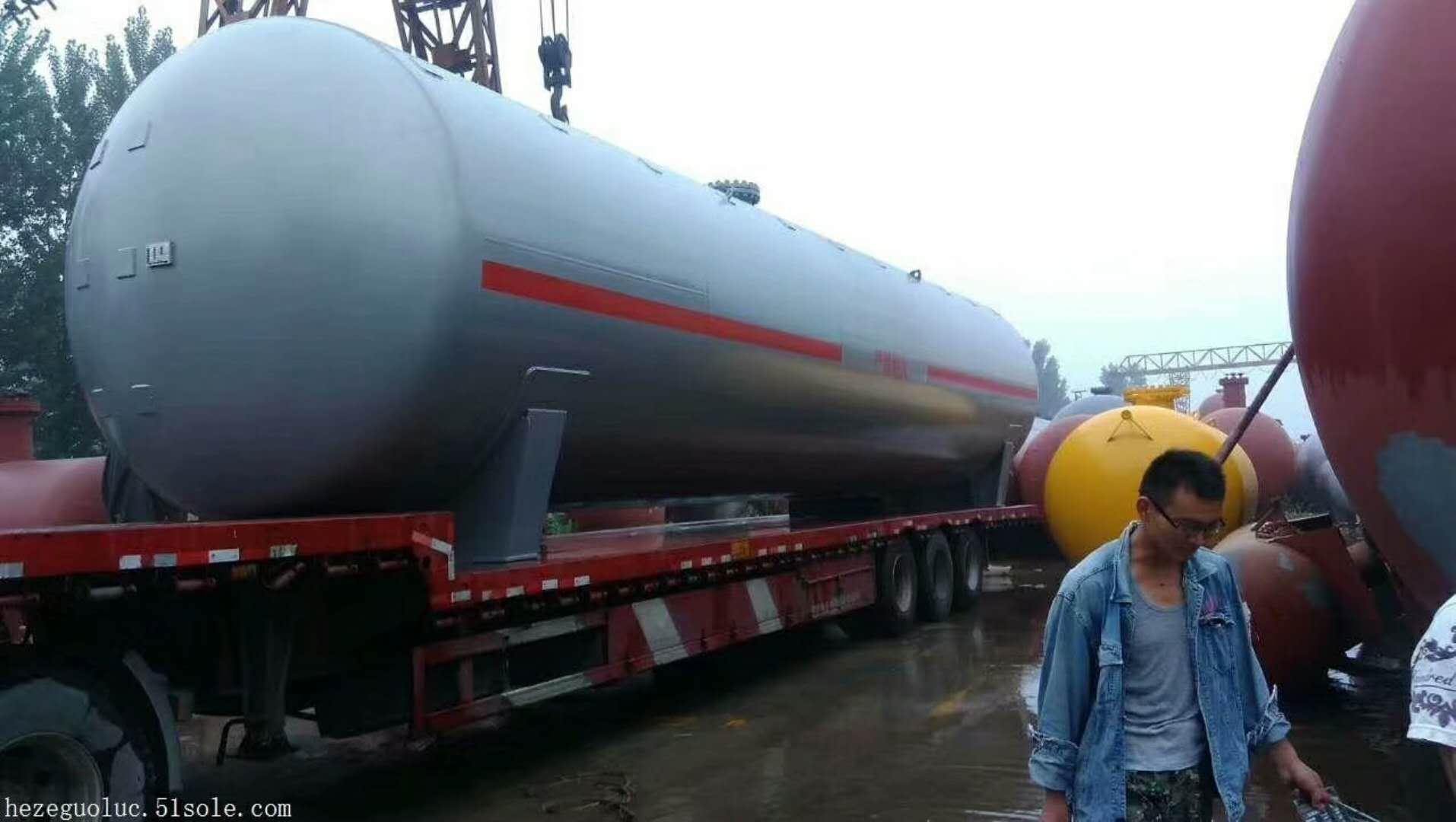

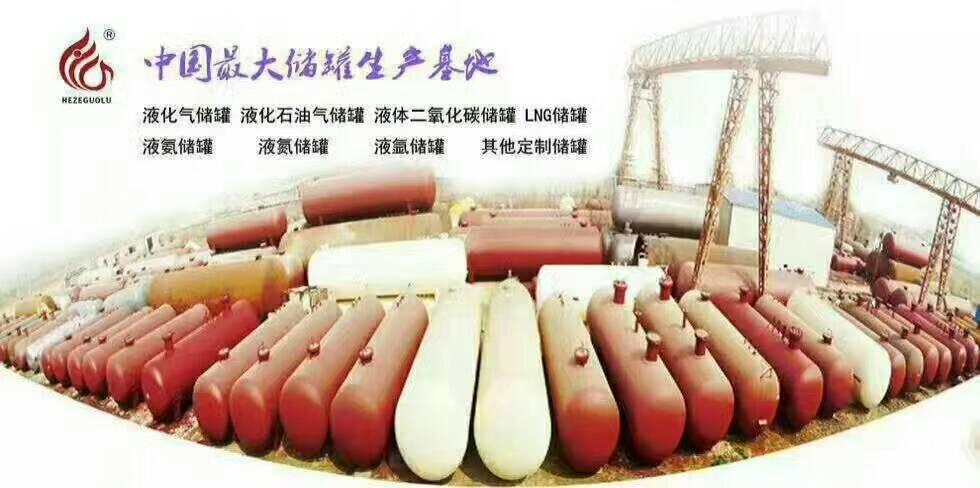
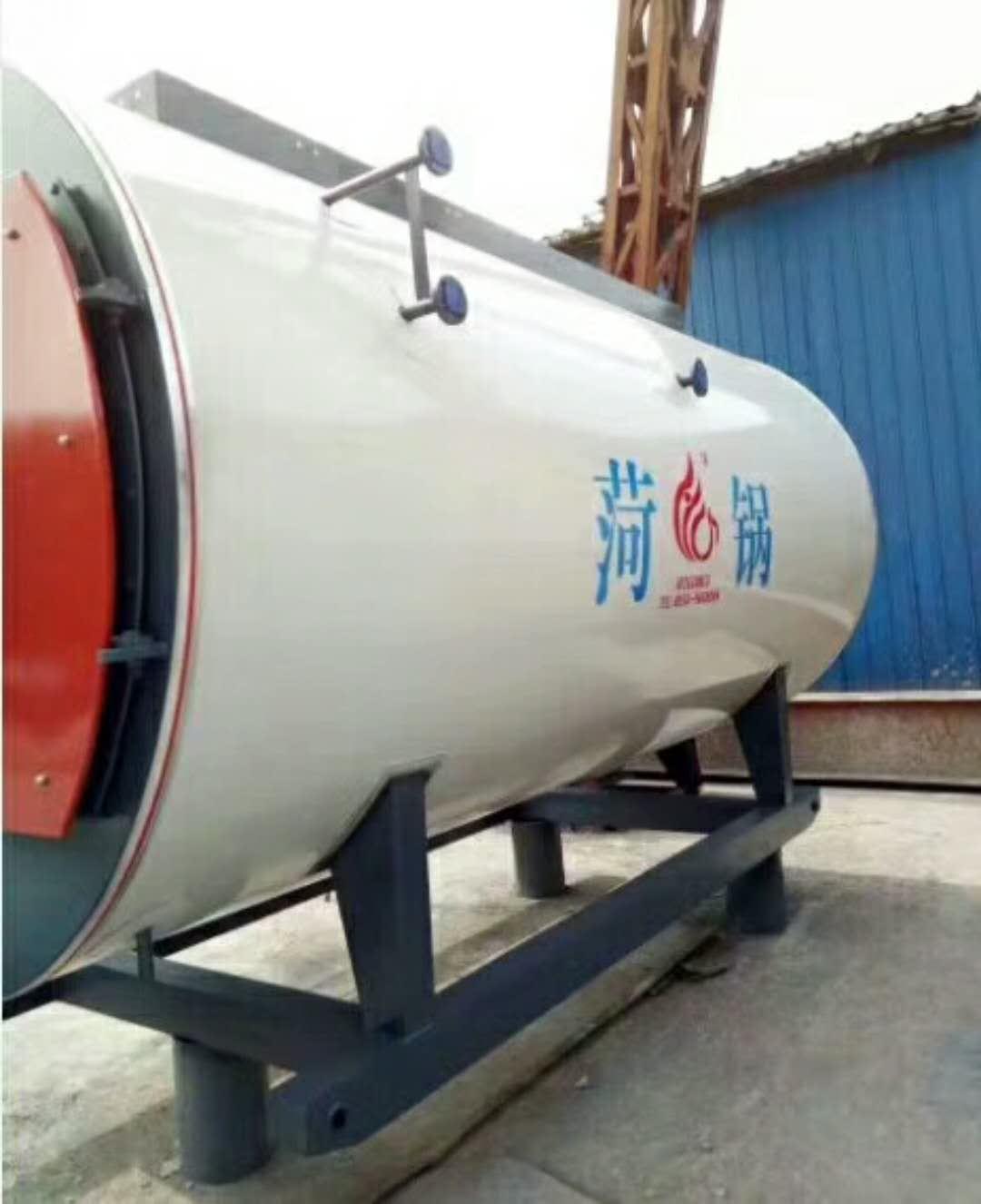



















The diaphragm liquefied gas storage tank is primarily composed of an electric motor, base, crankcase, crank and connecting rod mechanism, cylinder components, oil and gas pipelines, electrical control system, and some accessories. It increases gas pressure through single or multi-stage compression to meet the customer's requirements for pressure, flow rate, temperature, and other process parameters. The motor drives the crank, connecting rod, and piston to propel hydraulic oil, which in turn drives the diaphragm, compressing the medium through the vibration of the diaphragm. The diaphragm press is a special volume liquefied gas storage tank, with its working cylinder divided into two parts by a diaphragm. The upper part of the diaphragm is called the gas chamber, and the lower part is called the oil chamber. During operation, the piston moves upwards to drive the hydraulic oil, which then drives the diaphragm to expel the compressed medium outside the diaphragm cavity. The diaphragm liquefied gas storage tank compresses the gas by deforming the diaphragm. As the diaphragm moves, it must tightly fit the cylinder head diaphragm cavity surface and have a smaller gap with the cylinder body diaphragm cavity surface. By theoretically analyzing and scientifically selecting the radius of curvature, maximum deflection, and deflection index of the diaphragm cavity curve, a larger volume is ensured, allowing the diaphragm to work under approximately equal strength.
Liquefied gas storage tanks offer the following advantages and features:
1) The overall structural design is rational, ensuring smooth and reliable operation with minimal vibration and low noise, as well as ease of operation and maintenance. 2) The cylinder components use a structure without an oiling dish, reducing assembly complexity and sealing surfaces; it also alarms in case of medium leakage, enhancing the overall reliability. 3) The new diaphragm cavity curve improves the volume efficiency of the liquefied gas storage tank and extends the lifespan of the fragile diaphragm and gas valve components. 4) The built-in oil pump station provides pressure-stable, clean, and well-cooled lubricating oil for the liquefied gas storage tank and cylinder operation, while also addressing the issue of oil leakage in the original external storage tank. 5) A highly automated control system ensures safe operation of the equipment. 6) The entire unit is mounted on a skid base for easy transportation, installation, and management.

Use Instructions
1. Cylinders must be stored in well-ventilated areas, with a minimum distance of 1.5 meters from any source of fire or heat. Cylinders should never be heated with fire, scalded with boiling water, or left exposed to direct sunlight. Regular inspections of cylinder valves and pipeline joints for leaks are required, ensuring no gas escapes. Typically, soap water is used to check for leaks, and it is strictly prohibited to test for leaks with an open flame.
2. When lighting the device, ignite the primer first, followed by opening the gas. Do not reverse this sequence. Always have someone supervising during use and never leave it unattended to prevent boiling water from overflowing and extinguishing the flame, which could cause the escaping liquefied gas to ignite and explode. After use, the valve must be tightly closed to prevent gas leakage.
3. Do not completely deplete the liquefied gas inside the cylinder; a certain residual pressure should be maintained. The residual pressure should generally be greater than 49.03 kPa (i.e., 0.5 kg/cm2, gauge pressure) to prevent air from entering the cylinder. After the liquefied petroleum gas is used up, the remaining residue inside the cylinder is also a flammable substance and must not be poured out arbitrarily to prevent fires caused by the residue's flow and evaporation.
4、Liquefied Petroleum GasGas cylinders are pressurized containers that require proper maintenance and regular inspections. They must be handled to prevent dropping or impact, and it is forbidden to use metal tools to敲击 open the valve. They should be protected from direct sunlight and prolonged exposure to rain. Gas cylinders are typically inspected every 2 years.
5、PetroleumThe explosive range of liquefied gas is not particularly wide, but due to its low limit, it's easy to ignite and explode upon leakage. Moreover, as LPG is heavier than air, it tends to flow downwards upon leaking into the air, accumulating in low-lying areas and posing a hidden danger of gas explosions. Therefore, in places where gas is prone to leakage, simply exchanging air through windows is insufficient; attention must also be paid to ventilation at the lower level.
6. When a liquefied gas leak is detected indoors, windows and doors should be opened immediately for ventilation, allowing the gas to disperse away from any open flame. Fire is strictly prohibited in the vicinity. The area should only be used after the fault is resolved and the distinctive odor has dissipated. Any leaked liquid on the ground should be covered with sand and soil before being removed to a safe location. In case of a gas cylinder fire, shut off the valve immediately, move it to an open area outdoors, and extinguish the fire using dry powder extinguishers, carbon dioxide extinguishers, or by covering it with a wet sack.
7. Educate children not to tamper with gas cylinders carelessly, and users must be aware of the safety knowledge for using gas cylinders.