















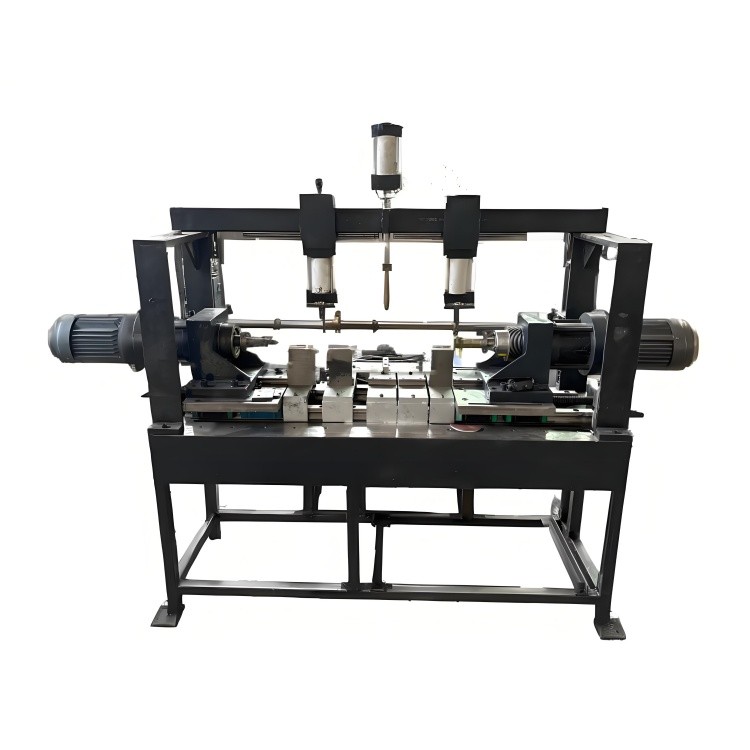
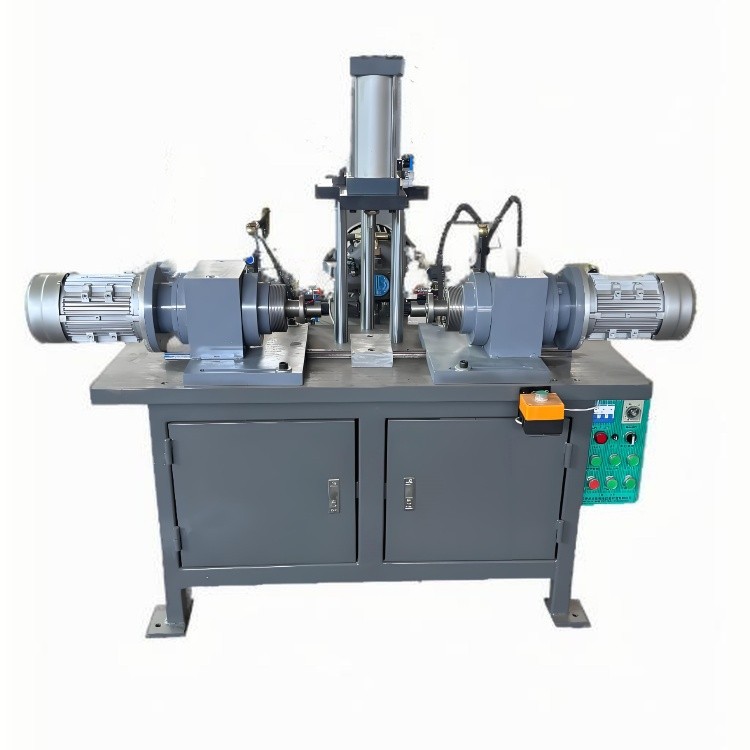
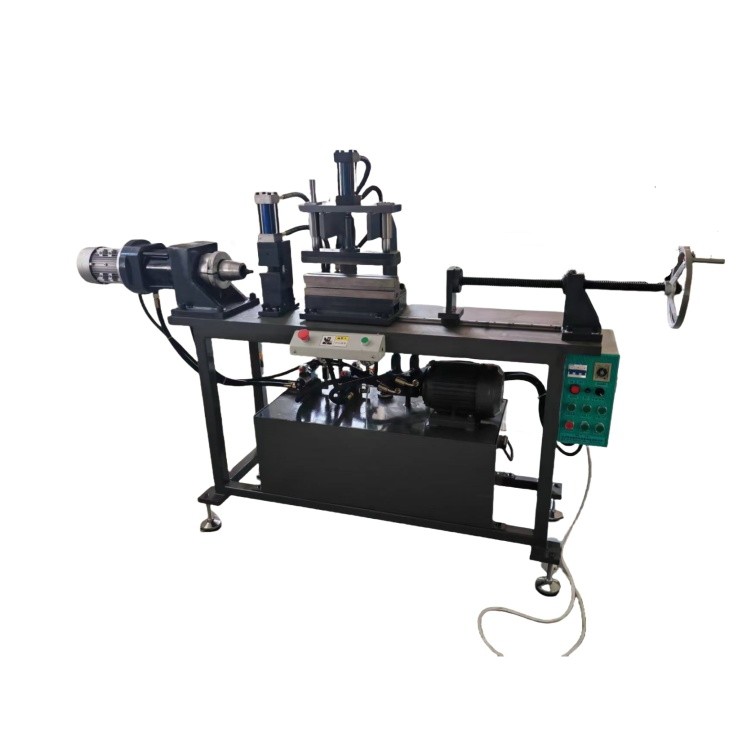
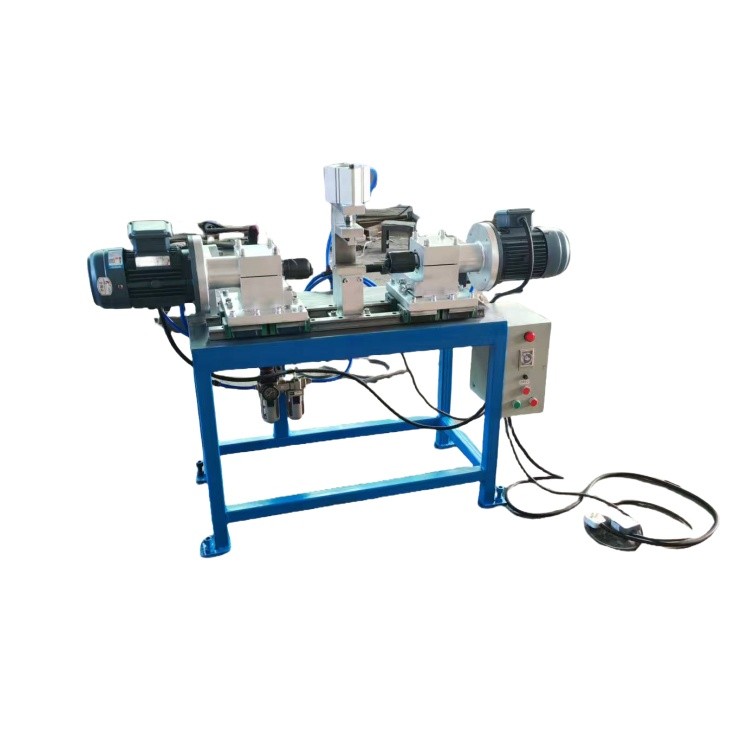
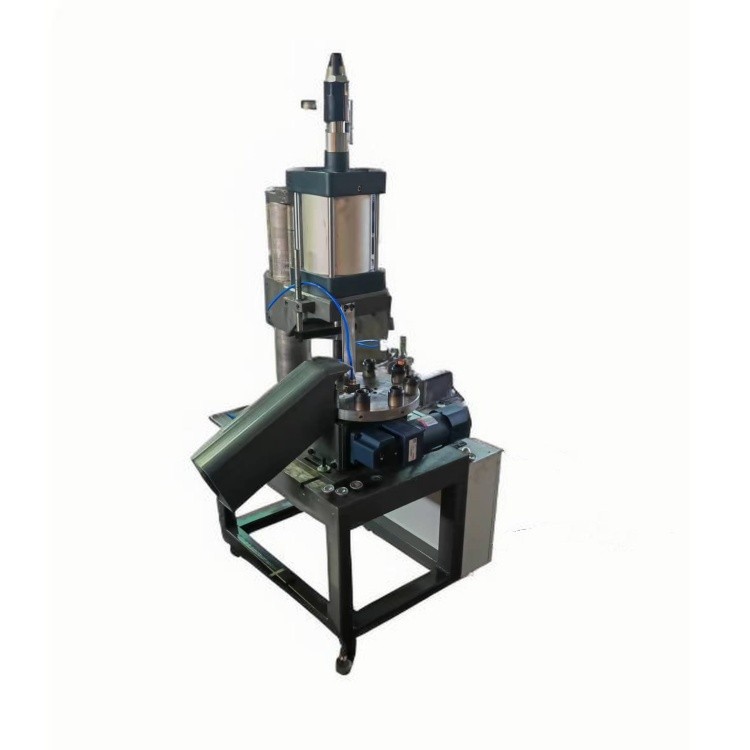
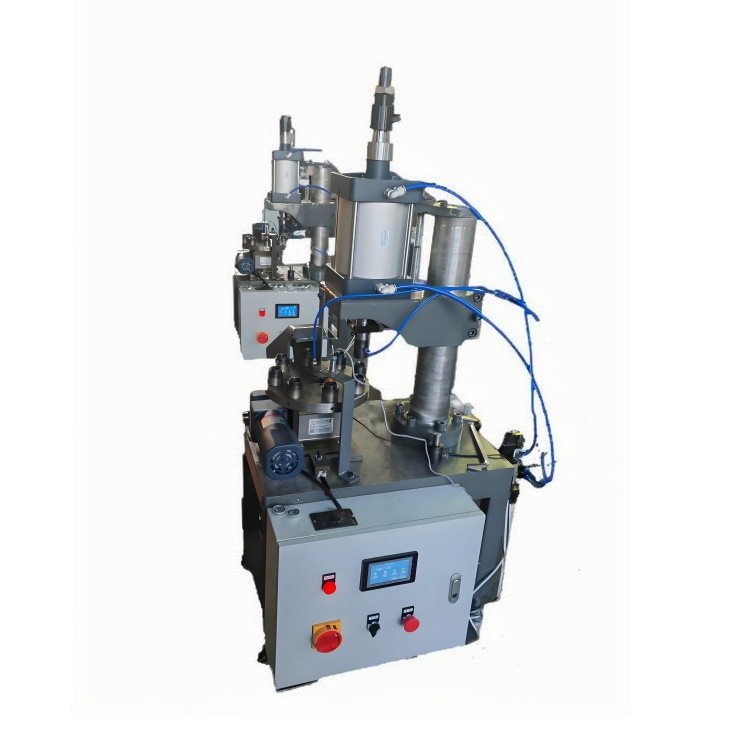
The manual press consists of a frame, worktable, pads, and a hydraulic head. The worktable is elevated by a hoisting device on the beam and moves along the frame columns, which are supported by brackets. The hydraulic head mounted on the bottom surface of the frame beam is composed of internal oil channels, an external oil reservoir, an oil cylinder, and two plunger pumps with different functions, forming a relatively complete hydraulic system. The assembly is compact, with a small volume, no need for power, and manual operation to complete the pressure processing task.
Categories
Manual presses come in two types: rack-and-pinion and screw-type. The working pressure of the rack-and-pinion manual press is typically 1~5t, commonly used for correcting workpieces with diameters of 5~10mm; the working pressure of the screw-type manual press is usually 2~25t, often used for correcting workpieces with diameters of 10~30mm.
Advantages
1. Driven by air compression, noiseless and pollution-free, with a simple structure and minimal space requirement.
2. The manual press allows for adjustable movement of the upper mold base, up and down, depending on the height of the parts, ensuring ease of use, high safety, and minimal temperature deviation for more accurate work.


















