


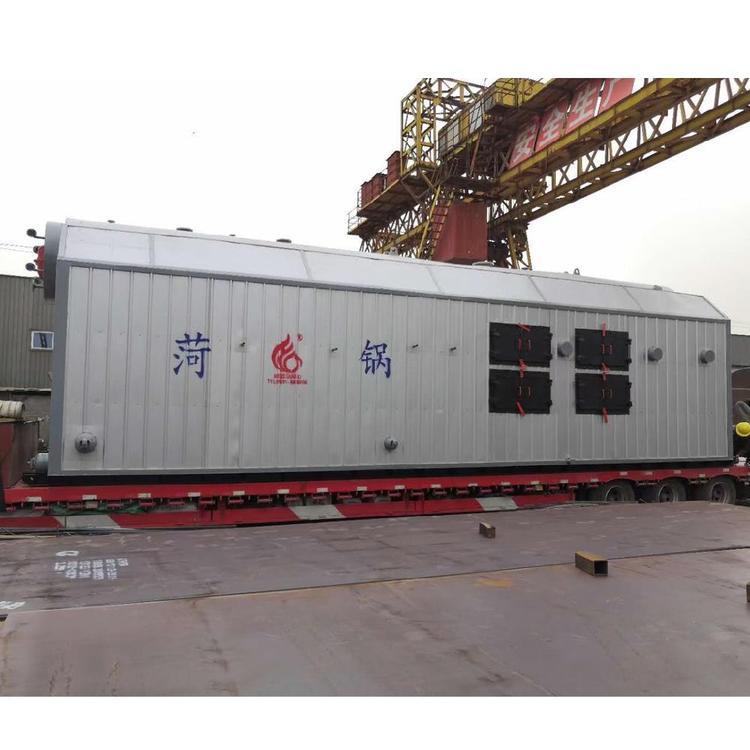

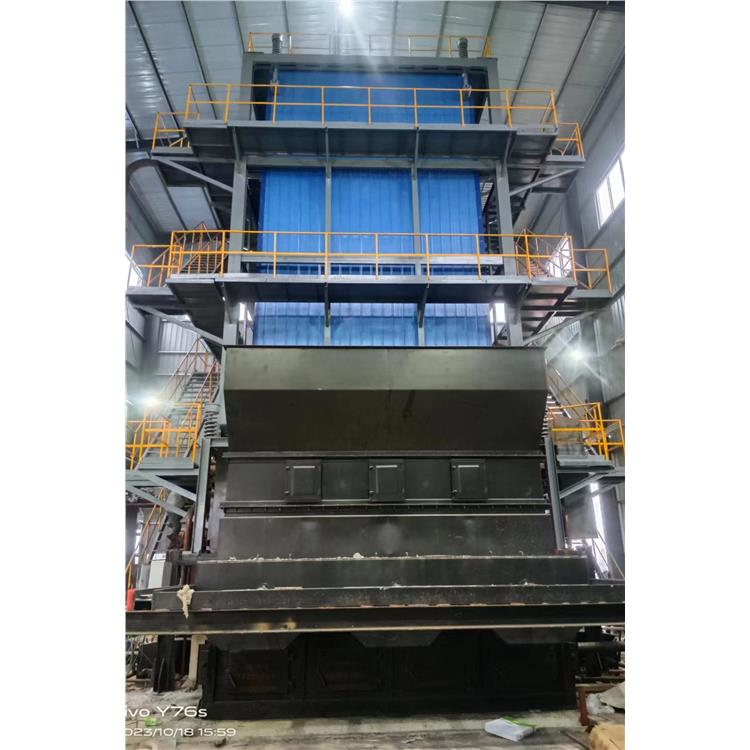
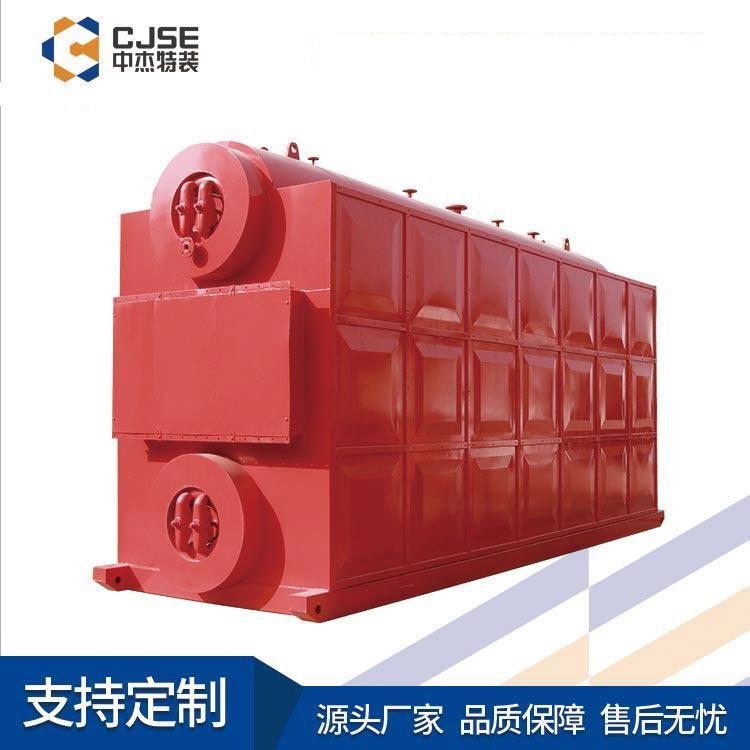



















Shandong Zhongjie Special Equipment specializes in: fuel (gas) boilers, organic heat carrier boilers, biomass boilers, waste heat recovery boilers, and other boiler products; vacuum insulated cryogenic pressure vessels such as LNG storage tanks, oxygen/nitrogen/argon storage tanks, and CO2 storage tanks; pressure vessel products including denitrification engineering equipment, heat storage and energy storage equipment, and complete chemical equipment; central air conditioning and ventilation equipment such as ground (water) source heat pumps, air source units, water-cooled screw units, and air-cooled modular units. Planned products include large-scale energy centers, LNG transport vehicles, LNG tank containers, and other green energy equipment.
The application methods for biomass boilers can be chosen and adjusted according to specific application needs and scenarios. Here are some common application methods:
Heating Systems: Biomass boilers can be used in heating systems to provide hot water or steam for buildings, industrial plants, etc. Heat energy can be transmitted through pipelines to the areas requiring heating, fulfilling needs for heating and hot water.
Industrial Production: Biomass boilers can be used for thermal energy supply in industrial production processes, such as food processing, pulp and papermaking, and chemical industries. The thermal energy provided by biomass boilers meets the heating and steam requirements in industrial production.
Greenhouse Heating: Biomass boilers can be used in greenhouse heating systems to provide hot water or steam for greenhouses, maintaining suitable temperature and humidity within the greenhouse to promote plant growth.
Rural Heating: Biomass boilers can be used in rural heating systems to provide heating and hot water for rural residents. They can meet the heating needs of rural areas through centralized or decentralized heating.
Hot Water Pump Drying: Biomass boilers can be used in hot water pump drying systems for drying wood, grain, and other materials. By providing hot water or steam, the drying process is accelerated, enhancing efficiency.
Biomass Power Generation: Biomass boilers can be integrated with power generation equipment for biomass power generation. By burning biomass fuel, steam is produced to drive the generator and generate electricity, achieving energy utilization and conversion.
Above are some common application methods for biomass boilers. Depending on specific requirements and scenarios, you can choose an appropriate application method and configure and adjust it in conjunction with relevant equipment and systems.
The feeding system of biomass pellet fuel boilers typically includes the following components:
Feeding conveying system: Used for transporting biomass pellet fuel from storage areas or supply sources to the boiler fuel storage. The feeding conveying system can utilize screw conveyors, chain conveyors, belt conveyors, etc., selecting the appropriate conveying method based on actual conditions.
Fuel Storage: Used for storing biomass pellet fuel, typically located at the bottom of the boiler. The design of the fuel storage should consider the fuel capacity and stable supply to ensure the continuous operation of the boiler.
Fuel Supply Control System: Designed to regulate the rate and quantity of fuel supply to meet the boiler's thermal load requirements. The fuel supply control system typically includes controls for starting and stopping the feed conveyor, as well as adjusting the feed quantity.
Fuel Crushing System (optional): For some larger biomass granular fuels, crushing may be required to better meet the boiler's combustion requirements. The fuel crushing system typically includes crushers, jaw crushers, and other equipment.
Fuel Pretreatment System (Optional): For biomass pellet fuels with higher moisture content or impurities, pretreatment such as drying, screening, and decontamination may be required to enhance combustion efficiency and stability.
When designing and selecting the feeding system for biomass pellet fuel boilers, factors such as fuel characteristics, supply volume, and combustion requirements should be considered. At the same time, ensure the stability, reliability, and safety of the feeding system to guarantee the boiler's...
Reducing emissions of nitrogen oxides (NOx) from biomass boilers can be achieved through the following measures:
Combustion Control Technology: Utilizes advanced combustion control techniques such as low nitrogen combustion technology. By optimizing the combustion process and regulating the combustion temperature and oxygen concentration, nitrogen oxide emissions are reduced. Methods such as staged combustion and optimized combustion chamber design can be employed to lower combustion temperatures and extend burn times, further decreasing nitrogen oxide formation.
SNCR Technology: Selective Non-Catalytic Reduction (SNCR) technology involves injecting a reductant, such as urea solution, into the combustion process, which reacts with nitrogen oxides to convert them into nitrogen and water. This technique can reduce the formation and emission of nitrogen oxides during combustion.
SCR Technology: Selective Catalytic Reduction (SCR) technology is a nitrogen oxide control method. By injecting urea solution into flue gas and utilizing a catalyst, nitrogen oxides are converted into nitrogen and water. SCR technology achieves nitrogen oxide removal at lower temperatures, suitable for large biomass boilers.
Flue Gas Recirculation (FGR): The Flue Gas Recirculation (FGR) technology recycles a portion of flue gas back into the boiler combustion chamber, reducing combustion temperature and oxygen concentration, and minimizing the formation of nitrogen oxides. This technique can control nitrogen oxide emissions by adjusting the recirculation ratio.
Fuel selection and pretreatment: Choosing low nitrogen fuels, such as low nitrogen biomass fuels, can reduce the formation of nitrogen oxides. Additionally, for biomass fuels with high nitrogen content, pretreatment measures like drying and gasification can be taken to lower the formation of nitrogen oxides during combustion.
Regular maintenance and cleaning: Regular maintenance and cleaning of biomass boilers ensure the cleanliness and proper operation of components such as burners and heat exchangers. Cleaning the combustion chamber and heat exchangers can reduce the accumulation of dirt, improve heat transfer efficiency, and lower nitrogen oxide emissions.
By comprehensively implementing the aforementioned measures, it can effectively reduce the emissions of nitrogen oxides from biomass boilers, achieving the goals of environmental protection and energy conservation. The specific measures to be chosen should be based on the characteristics of the boiler, operating conditions, and emission requirements.
To prevent coking issues when burning biomass pellets, the following measures can be taken:
Appropriate particle size: The size of biomass particles is crucial for combustion effectiveness. The particle size should be controlled within an appropriate range, typically 3-5 millimeters. Larger particles can result in incomplete combustion, while smaller particles are prone to fly away and clog.
Sufficient Oxygen Supply: Adequate oxygen supply is required for combustion to ensure a complete reaction. Biomass boilers should ensure that there is sufficient oxygen in the combustion chamber, which can be achieved by adjusting the ventilation system and the operating parameters of the burner.
Appropriate Combustion Temperature: The combustion temperature of biomass pellets is also a crucial factor affecting combustion efficiency. Low combustion temperature leads to incomplete combustion, while high combustion temperature is prone to coking. Biomass boilers should adjust the combustion temperature to an appropriate range based on the fuel characteristics and combustion requirements.
Appropriate Combustion Duration: The combustion time of biomass pellets also needs to be appropriately controlled. Insufficient combustion time leads to incomplete combustion, while excessive time can easily cause coking. Biomass boilers should adjust the combustion time according to the fuel characteristics and combustion requirements, to an appropriate range.
Regular Cleaning and Maintenance: Biomass boilers require regular cleaning and maintenance to keep the combustion chamber and flue passages clear. Regularly cleaning the ash and soot inside the combustion chamber, and cleaning the flue and heat exchanger, can prevent the occurrence of scaling issues.
Be mindful that biomass fuels and biomass boilers of different types may vary; specific operations and adjustments should be made according to the actual circumstances. When making adjustments and
Zhongjie Special Equipment upholds the grand vision of "realizing employees' dreams, creating customer value, and striving for the prosperity and strength of our motherland," focusing on the development of green energy equipment industry. We dedicate high-quality products and services with competitive pricing to society!
WeChat Official Account

Scan to follow Official Account




















