


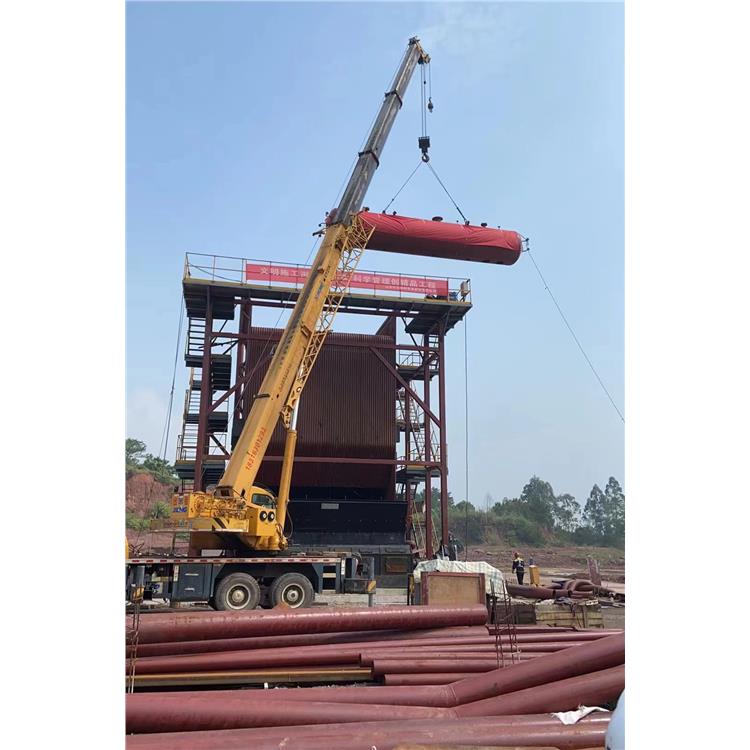

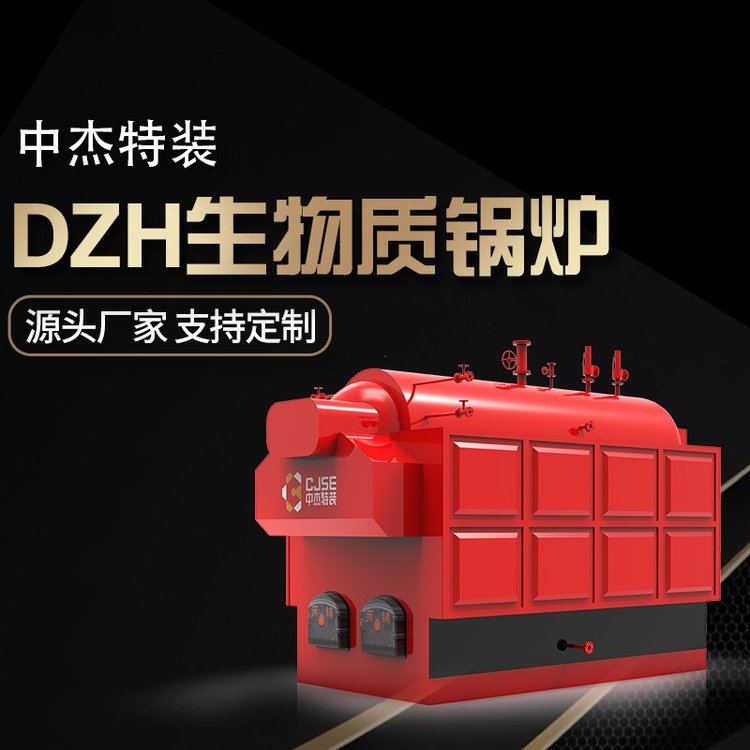
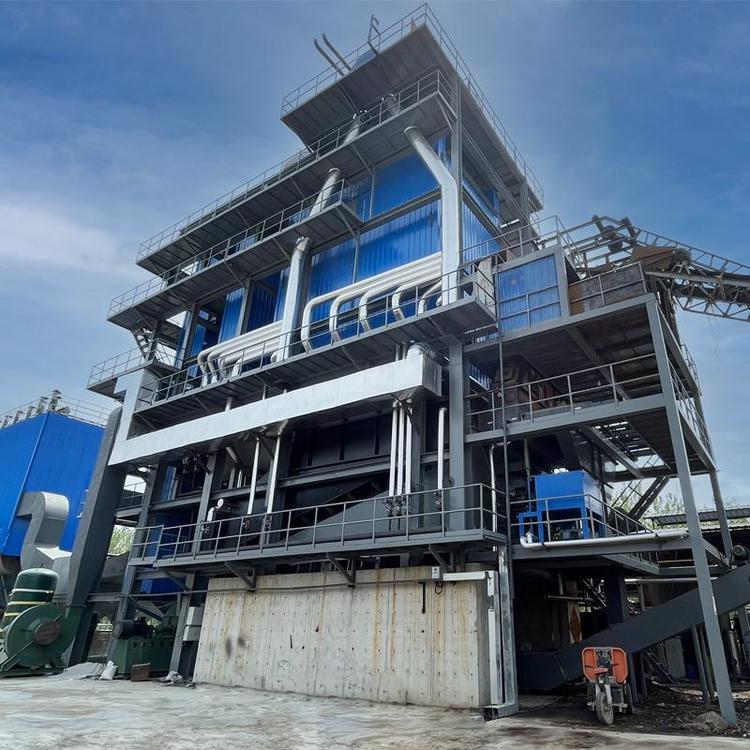



















Shandong Zhongjie Special Equipment's main products include: fuel (gas) boilers, organic heat carrier boilers, biomass boilers, waste heat recovery boilers, and other boiler products; vacuum insulation cryogenic pressure vessels such as LNG storage tanks, oxygen/nitrogen/argon storage tanks, and CO2 storage tanks; pressure vessel products such as denitrification engineering equipment, heat storage and energy storage equipment, and complete chemical equipment; central air conditioning and HVAC equipment such as ground (water) source heat pumps, air source units, water-cooled screw units, and air-cooled modular units. Planned products include large-scale energy centers, LNG transport vehicles, LNG tank containers, and other green energy equipment.
To prevent and mitigate corrosion issues in biomass boilers, the following methods can be adopted:
Regular Cleaning and Maintenance: Regularly clean the boiler's interior of accumulated dust and dirt to maintain its cleanliness. During the cleaning process, use appropriate cleaning agents and tools to remove internal dirt, preventing corrosion.
Regulate Water Quality: The quality of water in biomass boilers significantly affects corrosion. Regularly test and adjust the chemical composition of the boiler water to maintain the pH level, hardness, and oxygen content within appropriate ranges. Utilize water treatment equipment such as water softeners and oxygen removers to enhance water quality.
Prevent Oxygen Corrosion: Oxygen corrosion is one of the common forms of corrosion in biomass boilers. It can be mitigated by installing an oxygen scavenger in the boiler's water intake pipes to remove oxygen from the water, thereby reducing the occurrence of oxygen corrosion. Additionally, chemical measures such as corrosion inhibitors can also be employed to prevent oxygen corrosion.
Control the combustion process: High temperatures during combustion and acidic substances in the flue gas can also lead to corrosion. To control the combustion process, ensure that the combustion temperature and acidic substances in the flue gas are within the appropriate range. The combustion process can be controlled by adjusting the combustion air volume, fuel supply, and fuel distribution.
Prevent Local Corrosion: Certain parts of the boiler, such as the furnace and flue, are prone to corrosion. Reinforcement or coating with corrosion-resistant materials can be applied to these areas, extending their service life.
Regular inspections and maintenance: Regularly inspect and maintain biomass boilers to promptly identify and address corrosion issues. Assignable maintenance personnel can perform routine inspections and maintenance tasks.
During the operation of biomass boilers, attention should be paid to the following aspects:
Fuel Selection: Choose a biomass fuel that is suitable, considering factors such as supply stability, quality, and cost. Additionally, be aware of the fuel's characteristics and combustion properties to ensure it meets the boiler's requirements.
Equipment Selection: Choose the appropriate biomass boiler equipment based on actual needs, including the type, capacity, and configuration. Consider factors such as fuel characteristics, thermal load requirements, and environmental protection standards to ensure the equipment meets operational needs.
Installation and Commissioning: When installing a biomass boiler, follow relevant regulations and requirements for installation, and conduct necessary adjustments and tests to ensure the safe and reliable operation of the equipment.
Operation Management: Establish and improve operational management systems, including daily operation, maintenance, and care of equipment. Regularly inspect equipment operation status and promptly address any malfunctions or anomalies.
Combustion Control: Reasonably control the combustion process, including fuel supply, combustion air adjustment, and combustion temperature control, etc. Improve combustion efficiency and environmental performance through optimized combustion parameters.
Flue Gas Treatment: Processes flue gases generated from biomass boiler combustion, including dust removal for particulates, denitration for nitrogen oxides, and desulfurization. Ensure flue gas emissions are controlled.
Safety Protection: Enhance safety measures for equipment, including automated control of combustion systems, monitoring and protection of pressure and temperature. Ensure the safe and reliable operation of equipment to prevent accidents.
Knowledge Training: Provide necessary training for operators and management staff to enhance their understanding and operational skills in biomass boilers. Ensure personnel are capable of operating equipment correctly and addressing operational issues promptly.
The SZL biomass boiler is a water-tube boiler with two drums and a chain grate, suitable for burning biomass fuel. Below is a structural introduction to the SZL biomass boiler:
Boiler Drum: The SZL biomass boiler features two parallel water tubes in the drum, known as the upper drum and the lower drum. The upper drum is used for the combustion chamber, while the lower drum is for heat transfer of steam and flue gas.
Briquette Grate: The SZL biomass boiler utilizes a chain grate, where fuel enters the combustion chamber through the chain grate to achieve the combustion process. The design of the chain grate ensures even and complete combustion of the fuel.
Combustion Chamber: The combustion chamber is located within the upper cylinder, where fuel is burned to release heat energy. The structure and design of the combustion chamber ensure complete fuel combustion and efficient heat conversion.
Flue Channel: The smoke produced by combustion passes through the flue channel into the lower cylinder, where it exchanges heat with the water inside the pipes, transferring thermal energy to the water and generating steam.
Water pipes: A large number of water pipes are arranged inside the lower drum of the SZL biomass boiler. Flue gas passes through these pipes, exchanging heat with water, transferring thermal energy to the water, and generating steam.
Upper Equipment: The upper equipment of the SZL biomass boiler includes steam separators, level gauges, safety valves, etc., which are used for controlling and protecting the safe operation of the boiler.
Equipment: The SZL biomass boiler also includes equipment such as the water supply system, sewage discharge system, and fuel supply system, which are used to provide the necessary water for the boiler, treat waste water, and supply fuel.
The SZL biomass boiler features a compact structure, high thermal efficiency, and is suitable for the combustion of biomass fuel. Its design with two drum boilers and a chain grate ensures complete fuel combustion and heat conversion, while also offering excellent safety and reliability.
Chain biomass boiler is a common type of biomass boiler, with its working principle and process as follows:
Fuel Supply: Biomass fuel (such as wood chips, straw, etc.) is conveyed to the combustion chamber of the chain grate boiler through the feeding system.
The combustion process: Fuel is ignited in the combustion chamber while the chain boiler's chain system begins to operate. The fuel is gradually pushed forward by the chain movement, simultaneously burning within the combustion chamber. During combustion, the fuel is thoroughly mixed with air, and the heat energy produced is transferred to the boiler's water or other working substance.
Flue Gas Emission: The flue gas produced from combustion is channeled through the flue system of the combustion chamber and exhausted into the chimney. During the flue gas emission process, it can be treated by flue gas purification equipment to reduce the particulate matter and gas pollutants released.
Heat Recovery: The heat generated by combustion is transferred to water or other working substances through the heat exchanger of the boiler, raising their temperature. After heat recovery, hot water or steam can be used for heating, hot water supply, or other industrial processes.
Control System: Chain biomass chain boilers are typically equipped with an automatic control system for monitoring and adjusting parameters such as temperature, pressure, and fuel supply during the combustion process. The control system can be automatically adjusted to meet actual needs, ensuring the safe operation and performance of the boiler.
Overall, the biomass chain grate boiler gradually pushes biomass fuel into the combustion chamber through a chain system for burning. The heat energy is transferred to water or other working substances through a heat exchanger, achieving heat recovery and utilization. This boiler boasts high combustion efficiency and strong fuel adaptability, and is widely used in heating, industrial heating, and other fields.
ZJ Special Equipment adheres to the grand vision of "realizing employees' dreams, creating customer value, and striving for the prosperity and strength of our motherland," and is dedicated to the development of the green energy equipment industry. We offer society products and services with high cost-performance!
WeChat Official Account

Scan to follow Official Account




















