


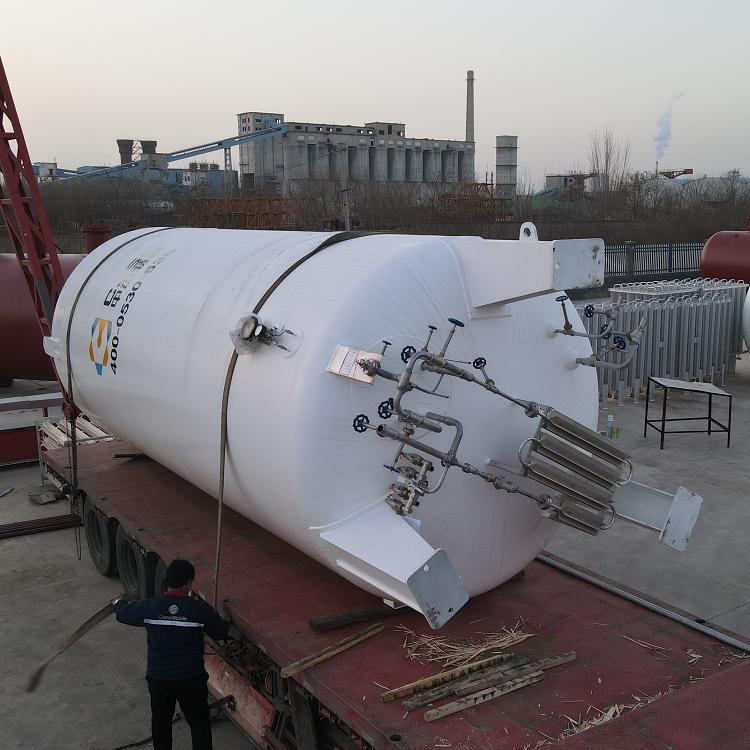

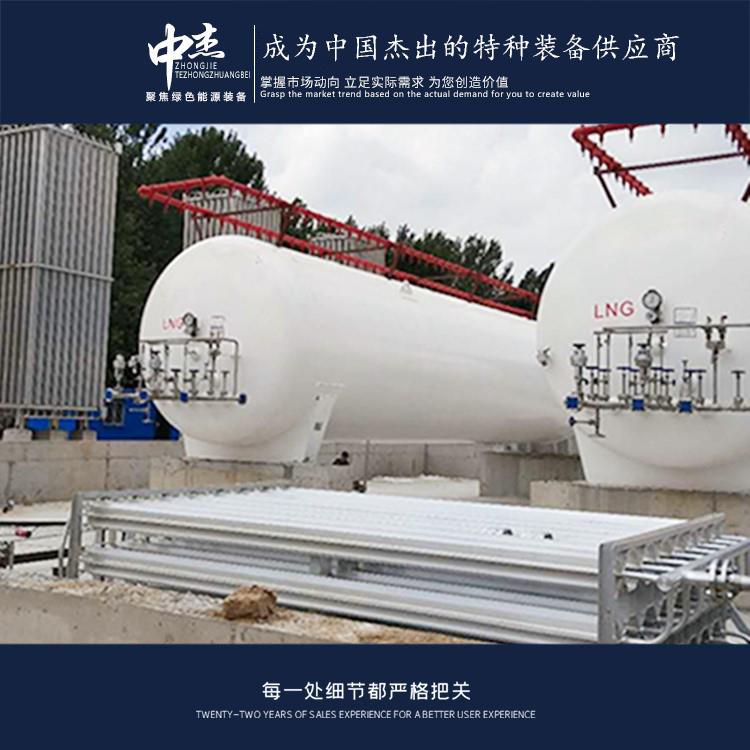
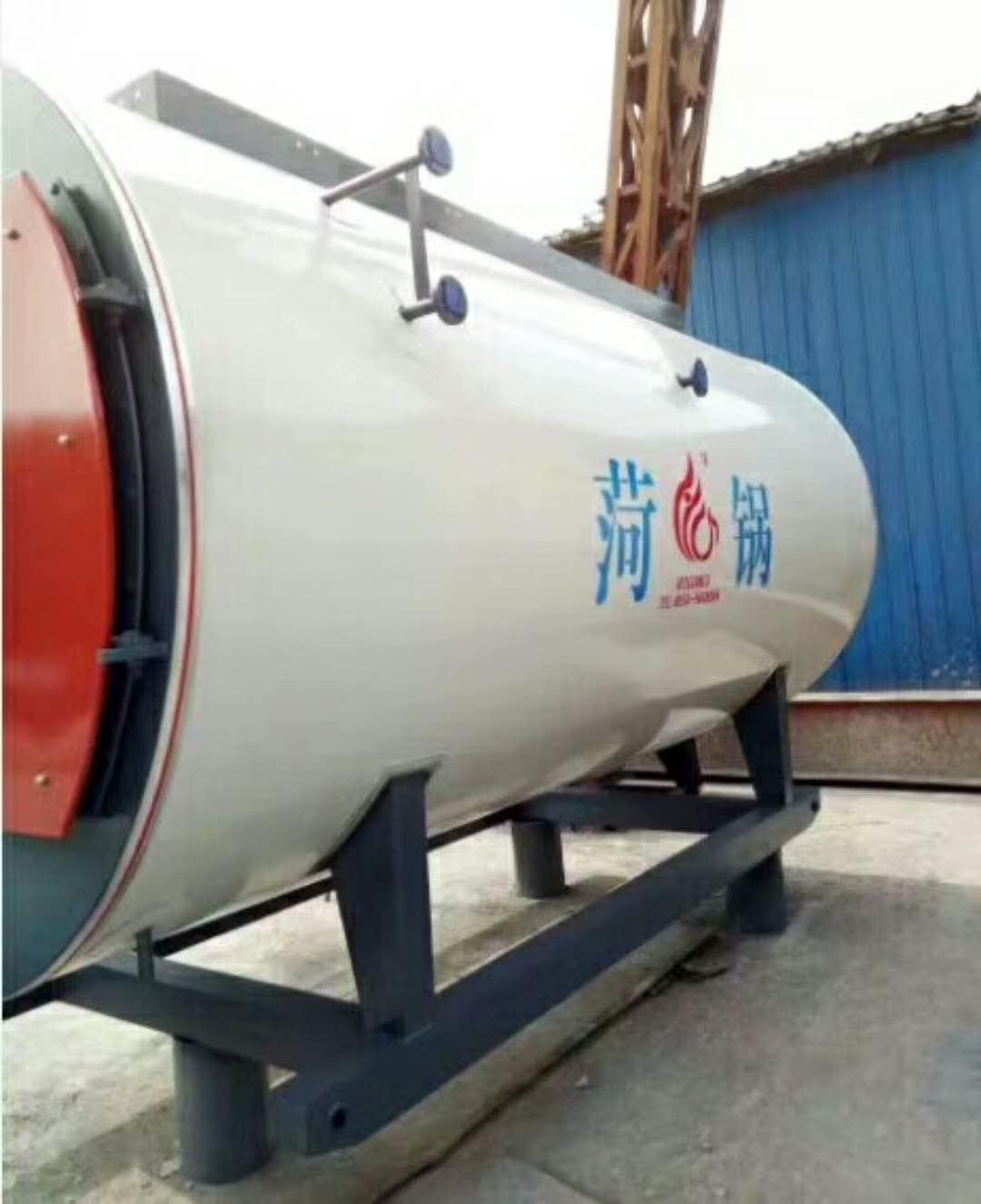



















Shandong Zhongjie Special Equipment (formerly Heze Boiler Factory Co., Ltd.) holds an A-grade boiler manufacturing license, an A2-grade pressure vessel manufacturing license, an A2-grade pressure vessel design license, a B-grade boiler installation license, and GB2/Class and GC2/Class pressure pipeline installation licenses, as well as a qualification for the installation and contracting of electromechanical equipment. It is a member of the China Boiler and Water Treatment Association, the China Chemical Equipment Association, and the理事 member of the Shandong Equipment Manufacturing Association. The company has also passed certifications for the ISO9001 Quality Management System, ISO14001 Environmental Management System, OHSAS18001 Occupational Health and Safety Management System, and the American ASME/U2 certification.
The filling process for carbon dioxide storage tanks typically includes the following steps:
Preparation: Ensure the tank and filling equipment are in good working condition. Check the tank's appearance and valves for any damage or leaks. Inspect the filling equipment's connection pipes and valves for loose or leaking connections.
Prepare liquid carbon dioxide: Extract liquid carbon dioxide from the supply source and transfer it to the tank of the filling equipment. Ensure the quality and purity of the liquid carbon dioxide meet the required standards.
Connect filling equipment: Attach the filling equipment's outlet pipes to the tank's inlet valve. Ensure the connections are secure and there are no leaks.
Open valves: Activate the corresponding valves on the filling equipment and the tank to allow liquid carbon dioxide to flow into the tank. Adjust the valves as needed to control the filling speed and pressure.
Monitor level: Use level sensors or other level measuring devices to continuously monitor the liquid level of carbon dioxide in the tank. Ensure the level stays within the safe range and avoid overfilling.
Filling complete: Once the liquid level in the tank reaches the predetermined filling amount, close the corresponding valves on the filling equipment and the tank to stop the filling of liquid carbon dioxide.
Inspection and cleanup: Check the valves and pipe connections during the filling process for any leaks. Clean up any remaining liquid carbon dioxide around the filling equipment and tank.
Documentation and reporting: Record relevant information about the filling process, including the filling date, amount, and level monitoring results. Submit filling reports to relevant departments or management as required.
The above is a general carbon dioxide storage tank filling process. Specific operations should be based on the tank's characteristics and requirements. When performing filling operations, follow relevant safety operating procedures and have trained professionals handle them.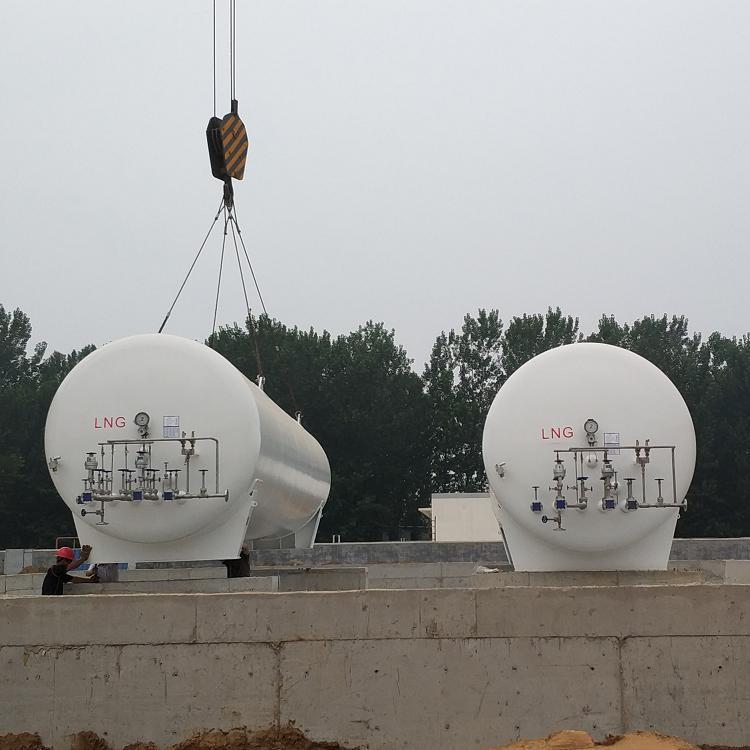
The quality of CO2 storage tanks is influenced by several factors:
- Material Quality: The quality of the tank material directly affects its corrosion resistance, strength, and sealing performance. Common materials include carbon steel and stainless steel. Selecting high-quality materials can enhance the tank's quality and lifespan.
- Manufacturing Process: The manufacturing process significantly impacts the tank's quality. Welding, heat treatment, and surface treatment during production must comply with relevant standards and regulations to ensure structural integrity and performance stability.
- Design Specifications: The tank's design must adhere to applicable design specifications and standards, such as industry standards. A well-designed tank ensures sufficient strength and safety under normal operating conditions.
- Safety Components: The tank's safety components, like safety valves, pressure sensors, and temperature sensors, play a crucial role in quality and safety. Choosing high-quality components and proper installation and tuning can improve the tank's quality and safety.
- Inspection and Testing: Tanks must undergo inspections and tests during production, such as material inspection, weld testing, and pressure testing. These checks ensure the tank meets quality requirements and complies with safety standards.
- Usage and Maintenance: The tank's usage and maintenance also impact its quality. Correct usage and regular maintenance can extend the tank's lifespan and maintain its optimal working condition.
In summary, the quality of CO2 storage tanks is influenced by material quality, manufacturing process, design specifications, safety components, inspections and testing, and usage and maintenance. When selecting and using storage tanks, attention should be given to these factors to ensure quality and safety.
Leakage issues in CO2 storage tanks may be caused by the following reasons: Material Corrosion: CO2 has a certain degree of corrosiveness, and long-term contact may lead to corrosion of the tank material. Corrosion can damage the surface protective layer of the tank, causing it to lose its seal and resulting in leakage. Welding Defects: Welding joints on the tank may have defects such as crack in the weld and air holes, which can weaken the strength of the welded areas and cause leakage. Design Defects: Inadequate design or defects in the tank may also lead to leakage. For example, improperly designed interfaces and unreasonable structural designs can all contribute to leakage issues in the tank. Overpressure: If the internal pressure of the tank exceeds its capacity, it may cause deformation or破裂 of the tank, leading to leakage. Temperature Fluctuations: During temperature changes, the thermal expansion and contraction of CO2 in the tank may cause deformation or stress concentration, leading to leakage. Incorrect Operation: Improper operation and maintenance may also cause leakage in the tank. For instance, over-tightening valves and improper maintenance measures can all lead to a decrease in the tank's sealing performance. External Damage: External forces such as impacts, scratches, or corrosion on the tank may cause surface damage or corrosion, leading to leakage. To avoid leakage issues in CO2 storage tanks, it is essential to select appropriate materials, adopt reasonable design and manufacturing processes, and conduct regular inspections and maintenance. Additionally, operators should receive training and adhere to operational procedures to ensure the safe operation of the tank.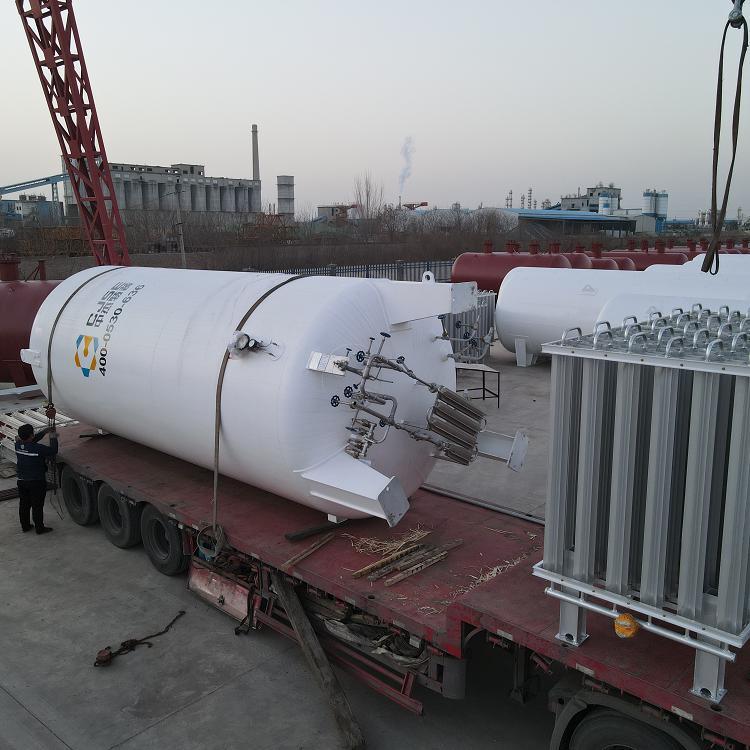
The cooling process for carbon dioxide storage tanks can vary depending on specific application requirements and design. Here is an example of a general cooling process for carbon dioxide storage tanks: Initial Cooling: Upon entering the tank, carbon dioxide is typically cooled initially to lower its temperature. This can be achieved by passing the carbon dioxide through a condenser or cooler. The cooling medium can be cold water or refrigerant. Tank Cooling: After carbon dioxide enters the tank, the tank itself needs to be continuously cooled to maintain the liquid state of the carbon dioxide. This can be done by setting up coolers or cooling pipes externally and circulating the cooling medium (such as cold water or refrigerant). Temperature Control: During the tank cooling process, the temperature inside the tank needs to be controlled to ensure that carbon dioxide remains within an appropriate temperature range. This can be achieved through temperature sensors and control systems, which automatically adjust based on the set temperature range. Insulation: To reduce heat transfer and energy loss, the tank is usually insulated. This can be done by setting up insulating materials (such as polyester foam or glass wool) externally to reduce heat conduction. Regular Inspection and Maintenance: In the tank cooling process, regular inspection and maintenance of cooling equipment and insulating materials are required to ensure proper operation and effectiveness. This includes cleaning coolers, checking the integrity and effectiveness of insulating materials, etc. It should be noted that the specific cooling process for carbon dioxide storage tanks may vary due to different application scenarios and process requirements. In practice, process design and operation should be based on specific conditions to ensure the safety and performance of the tank. Consult engineers or storage specialists for more information.
Zhongjie Special Equipment upholds the grand vision of "realizing employees' dreams, creating value for customers, and striving for the prosperity and strength of our motherland," focusing solely on the development of green energy equipment. We dedicate products and services of high cost-performance to society!
WeChat Official Account

Scan to follow Official Account




















