



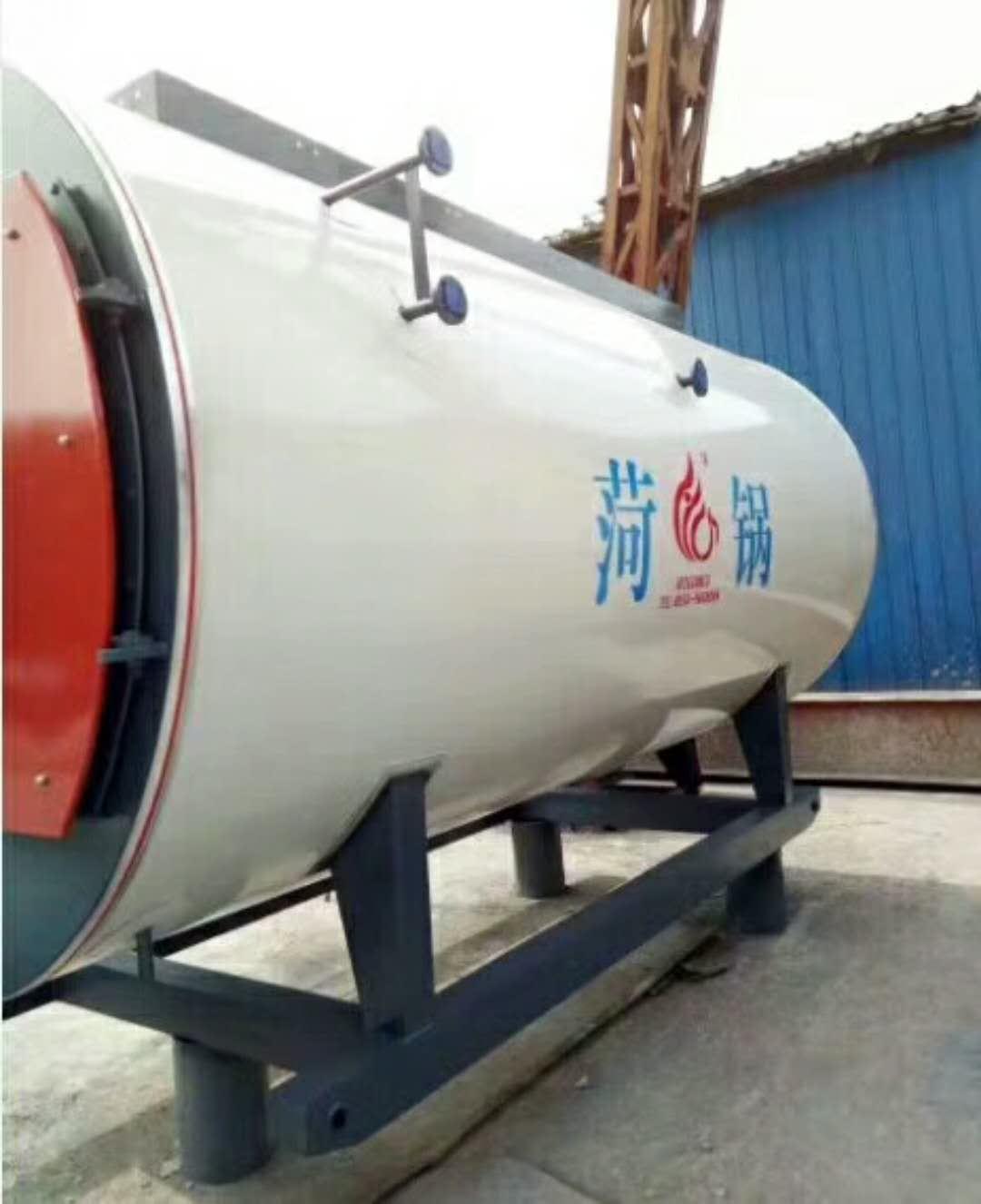
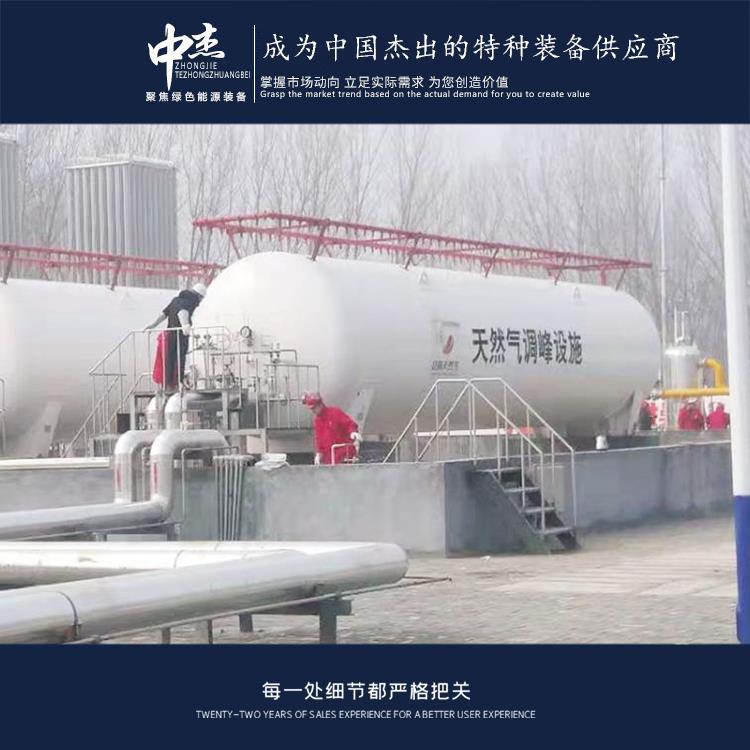



















Shandong Zhongjie Special Equipment (formerly Heze Boiler Factory Co., Ltd.) was established in 2001, located at No. 2218 Jinnan Road, Development Zone, Heze City. With a registered capital of 50 million yuan and total assets of 500 million yuan, the company has 7 business centers: boilers, deep-freeze containers, pressure vessels, central air conditioning, engineering installation, international trade, and Internet of Things. It has three factory sites on Jinnan Road, East Changjiang Road, and Bohai Road, covering a total of 200,000 square meters. The main workshop spans 83,000 square meters. The company currently employs 710 people, including 247 engineers and technicians, and 82 intermediate-level technical personnel. In December 2016, it was recognized as a "High-tech Enterprise" by the Science and Technology Department. In June 2021, it was identified as a "Specialized and New Enterprise in Shandong Province" by the Department of Industry and Information Technology. In June 2022, it was recognized as a "Gazelle Enterprise in Shandong Province" and in August 2022, it was identified as a "Specialized and New Small Giant Enterprise" by the Ministry of Industry and Information Technology.
The testing and maintenance of liquid oxygen storage tanks are crucial for ensuring safe operation and extending their lifespan. Below is a general breakdown of the testing and maintenance procedures for liquid oxygen storage tanks:
- Visual Inspection: Conduct regular visual inspections of the liquid oxygen storage tank to check for corrosion, wear, and cracks on the surface. Promptly repair or replace any abnormalities found.
- Internal Cleaning: Regularly clean the interior of the liquid oxygen storage tank to remove accumulated impurities and dirt. Use appropriate cleaning agents and tools to prevent damage to the tank.
- Level Measurement: Regularly measure the level of liquid in the storage tank to ensure it remains within a safe range. Use level gauges or other measurement equipment, and record the results.
- Pressure Testing: Conduct regular pressure tests to verify the tank's pressure resistance. Pay attention to controlling pressure and time during testing to ensure safety and accuracy.
- Leak Detection: Regularly perform leak detection to ensure the tank's sealing integrity. Use leak detection instruments, such as gas detectors or foam leak detectors.
- Valve and Pipeline Inspection: Regularly check the valves and pipeline connections of the liquid oxygen storage tank to ensure they are sealed properly and there are no leaks. Promptly repair or replace any issues found.
- Maintenance Records: Keep records of the testing and maintenance activities, including inspection dates, contents, and results. These records help track the tank's maintenance history and issue resolution.
- Scheduled Maintenance: Develop a regular maintenance plan based on the tank's usage and requirements. This includes lubrication, bolt tightening, and replacement of seals to ensure smooth operation.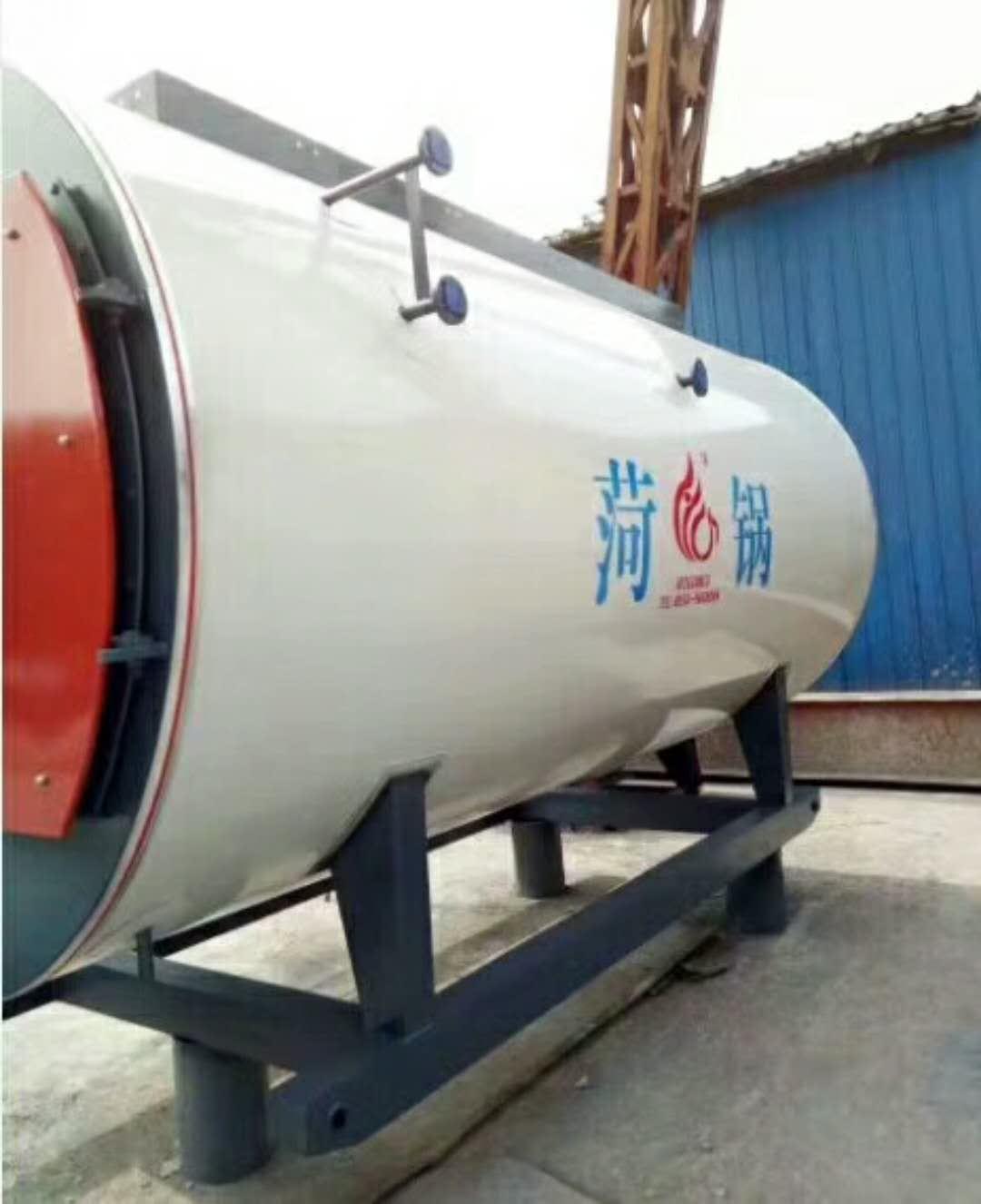
Construction features of carbon dioxide storage tanks mainly include the following aspects: Material selection: Carbon dioxide storage tanks are typically made of carbon steel or stainless steel to ensure their corrosion resistance and pressure-bearing performance. Welding process: The welding process of the tank is crucial for its quality and safety. The welding process should comply with relevant standards and specifications to ensure the quality and strength of the welds. Corrosion prevention measures: Due to the corrosive nature of carbon dioxide, both the internal and external surfaces of the tank should be treated with corrosion prevention. Common corrosion prevention measures include applying anti-corrosion paint, coating with a corrosion-resistant layer, or using anti-corrosion coatings. Safety valves and pressure sensors: The tank should be equipped with safety valves and pressure sensors to monitor and control the internal pressure of the tank, ensuring safe operation. Steps for the correct installation of carbon dioxide storage tanks are as follows: Site preparation: Select a suitable site for installation, ensuring the site is level, stable, and meets safety distance requirements. Clear the site to ensure there are no obstacles or fire sources. Foundation construction: Construct the foundation based on the size and weight of the tank. The foundation should have sufficient strength and stability to support the weight and pressure of the tank. Tank installation: Place the tank on the foundation, ensuring there is proper padding and fastening between the tank and the foundation. Connect and secure the tank according to the design requirements. Pipe connection: Connect the tank to the piping system as needed. Ensure the seal at the connection point is good to prevent leaks. Safety equipment installation: Install the required safety equipment for the tank, such as safety valves, pressure sensors, temperature sensors, etc. Ensure these facilities are correctly installed and connected.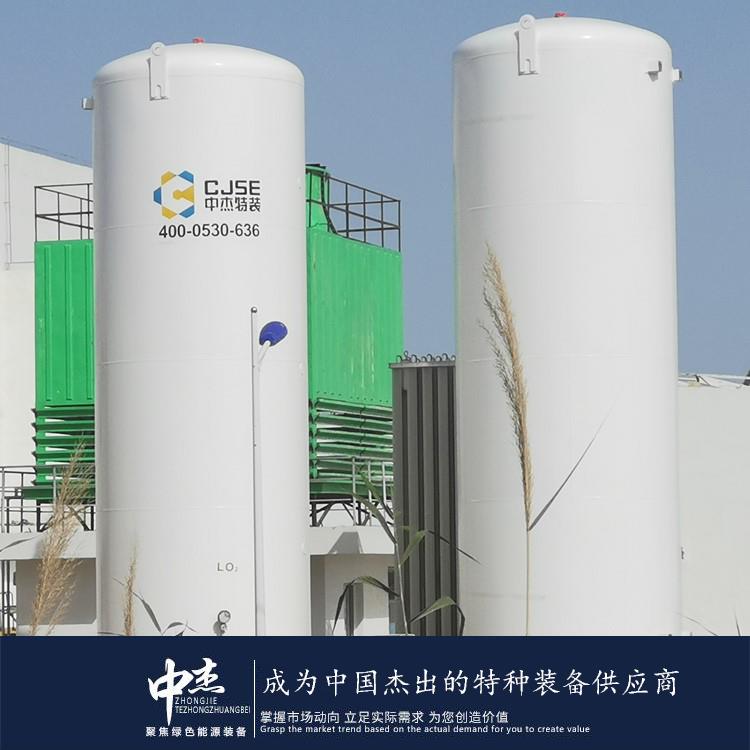
Low-temperature CO2 storage tanks are equipment used for storing and transporting liquid CO2 at low temperatures. Here is some knowledge related to low-temperature CO2 storage tanks:
Tank Structure: These tanks typically feature a double-walled design, with the inner wall for liquid CO2 storage and the outer wall for insulation. The interior is usually made of stainless steel or aluminum alloy, offering excellent corrosion resistance.
Storage Temperature: The storage temperature of low-temperature CO2 storage tanks usually ranges from -40°C to -196°C, depending on specific application requirements. Temperature control is crucial to ensure the stability and safety of the liquid CO2.
Storage Capacity: The capacity of low-temperature CO2 storage tanks can be selected based on actual needs, generally ranging from a few thousand to tens of thousands of liters. The capacity selection should consider storage requirements, supply frequency, and space limitations.
Safety Protection: Low-temperature CO2 storage tanks require safety protection devices such as pressure relief valves, pressure sensors, and temperature sensors to ensure that internal pressure and temperature remain within safe limits.
Transportation: These tanks can be transported via road, rail, or ship. Proper insulation measures must be taken during transportation to maintain the low-temperature state of the liquid CO2 inside.
Safe Operation: Operation of low-temperature CO2 storage tanks requires training and adherence to relevant safety operation procedures. Operators should understand the tank's characteristics and safety precautions to ensure safe and effective operation.
Regular Inspections and Maintenance: Low-temperature CO2 storage tanks require regular inspections and maintenance, including visual inspections, valve and pipe checks, and pressure relief device checks. Regular maintenance ensures the tank's normal operation and safety.
The above information covers some knowledge related to low-temperature CO2 storage tanks. When using and operating such tanks, it is essential to follow relevant safety regulations and standards, and consult with experts to ensure safety and effectiveness.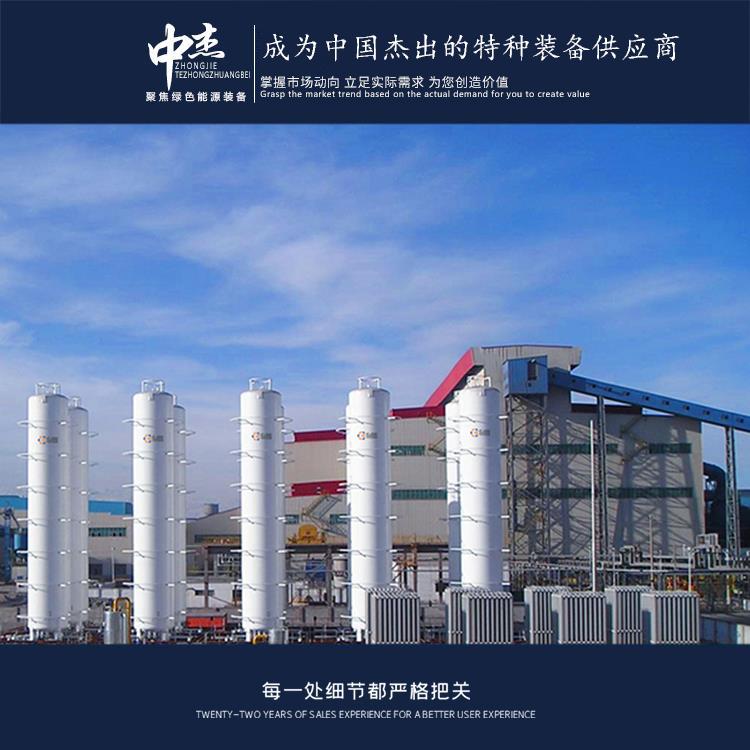
When handling CO2 storage tanks, static electricity is a safety issue that needs attention. Here are some methods to avoid static electricity:
- Grounding: Ensure that the tank and related equipment are properly grounded. Grounding releases static electricity to the ground, reducing the likelihood of static buildup. Use specialized grounding devices and grounding wires to ensure reliable grounding.
- Static Dissipative Equipment: Use static dissipative equipment, such as static dissipative clothing, shoes, gloves, etc. These devices help eliminate or reduce static buildup and protect the safety of the operators.
- Avoid Friction: Avoid friction during operation, especially when in contact with flammable or explosive gases. Friction generates static electricity, increasing the risk of fire or explosion.
- Control Humidity: Maintain a suitable humidity level in the operating environment, as higher humidity can reduce the generation and buildup of static electricity. Use humidifiers or other humidity control devices to adjust the environmental humidity.
- Avoid Plastic or Rubber Materials: Plastic and rubber materials are prone to static electricity, so try to avoid using these materials during operation. Choose materials with good antistatic properties for handling.
- Static Eliminators: Use static eliminators to eliminate or reduce static buildup. Static eliminators neutralize static electricity by releasing charges, reducing the danger of static.
- Tank Cleaning: Regularly clean the interior of the tank to remove accumulated impurities and dirt. Pay attention to preventing the generation and buildup of static electricity during the cleaning process.
Note that the methods to avoid static electricity should be determined based on the specific operating environment and characteristics of the tank. During operation, follow relevant safety regulations and standards, and consult with experts if necessary.
Our company places great importance on technological innovation and R&D, boasting a city-level enterprise technology center in Heze City. We have established testing facilities for non-destructive testing, physical and chemical testing, welding testing, hydrostatic testing, and more, equipped with over 600 units of various equipment such as CNC machine tools, X-ray flaw detectors, digital ultrasonic flaw detectors, mechanical property testing machines, chemical analyzers, spectrometers, tensile testing machines, and plasma welding machines. Our key products and technologies, such as thermal pressure vessel welding, biomass boiler emission reduction, and waste heat utilization, have successively been selected for multiple Shandong Provincial Department of Industry and Information Technology Science and Technology Innovation Projects, key projects of Shandong Province, and Heze City Innovation and Excellence Projects, among other provincial and municipal science and technology projects. We have累计 obtained 27 authorized utility models, 16 authorized inventions, participated in drafting 2 standards, 2 industry standards, and registered 15 trademarks. The technical team, in collaboration with Professor Yajiang Li of Shandong University, has developed deep cryogenic container processing technology using the internationally recognized plasma arc + wire-in-tube argon arc welding (PAW-GTAW) technique, which has been appraised as an internationally competitive technology in the field of deep cryogenic container manufacturing at the provincial level. Choose Zhongjie Special Equipment, and let's create brilliance together!
WeChat Official Account

Scan to follow Official Account




















