


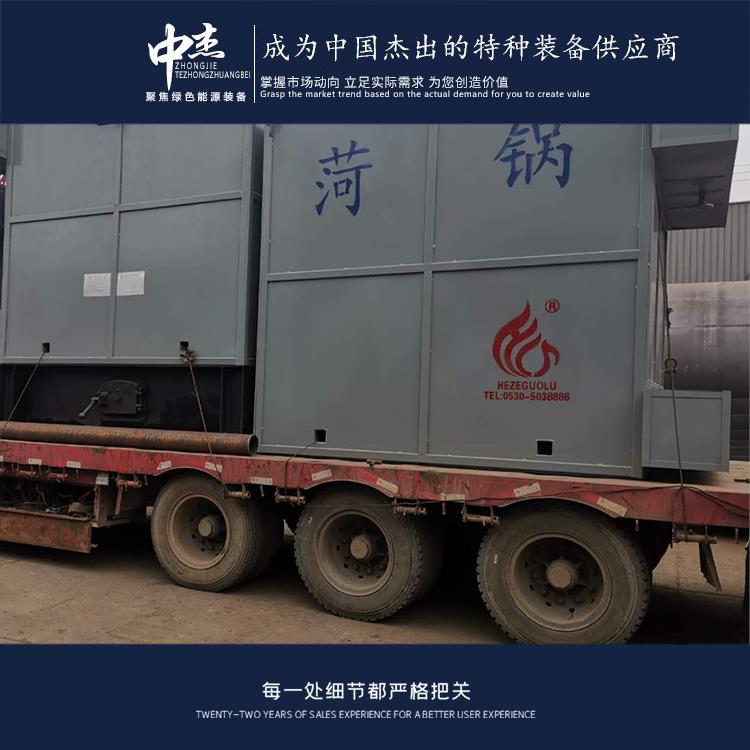

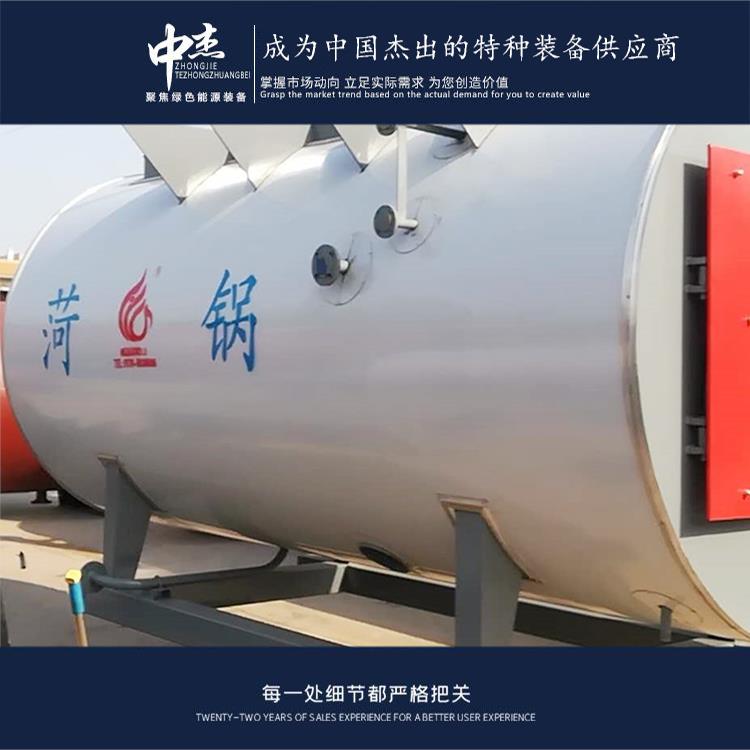



















Shandong Zhongjie Special Equipment (formerly Heze Boiler Factory Co., Ltd.) holds an A-grade boiler manufacturing license, an A2-grade pressure vessel manufacturing license, an A2-grade pressure vessel design license, a B-grade boiler installation license, and GB2/Class GC2 pressure pipeline installation licenses, as well as an electromechanical installation contracting qualification. It is a member of the China Boiler and Water Treatment Association, the China Chemical Equipment Association, and the director unit of the Shandong Equipment Manufacturing Association. The company has also passed certifications for the ISO9001 Quality Management System, ISO14001 Environmental Management System, OHSAS18001 Occupational Health and Safety Management System, and the American ASME/U2 certification.
When selecting steam boilers, several key factors should be taken into account:
- Steam Demand: First, determine the steam requirements of the factory or project, including steam pressure, flow rate, and quality. Choose the appropriate boiler model and specifications based on actual needs to ensure they meet process and production requirements.
- Boiler Type: There are various types of steam boilers, such as fire-tube boilers, water-tube boilers, and gas boilers. Select the suitable boiler type based on the factory's specific conditions and needs. Also, consider the fuel type, such as coal, gas, or biomass, to choose a fuel type that aligns with the factory's energy supply and environmental requirements.
- Boiler Efficiency: Boiler efficiency directly impacts energy utilization and operating costs. Understand the boiler's thermal and combustion efficiency and choose a high-efficiency steam boiler to reduce energy consumption and operating costs.
- Quality and Reputation: Choose a supplier with a good reputation to ensure the quality and reliability of the steam boiler. Refer to customer reviews, industry certifications, and third-party evaluations to understand the supplier's reputation and product quality.
- Technical Support and After-Sales Service: Select a supplier that provides comprehensive technical support and after-sales service. Ensure the supplier can offer installation guidance, training, maintenance, and troubleshooting support to ensure the normal operation and maintenance of the steam boiler.
- Cost and Budget: Finally, based on budget and economic considerations, choose a steam boiler that meets budget requirements. Consider the purchase cost, operating cost, and maintenance cost to select a steam boiler with a high cost-performance ratio.
It's important to note that the above factors are just some of the key considerations when purchasing a steam boiler. The specific selection should be determined based on the factory's actual conditions and needs. It is recommended to communicate and compare with multiple suppliers to gather more information and advice for an informed decision.
Switching from a conventional boiler to a gas boiler can significantly enhance energy efficiency and energy-saving effects. Here's some insight into the energy-saving efficiency of switching to a gas boiler: High combustion efficiency: Gas boilers use gas as fuel and typically have higher combustion efficiency. Compared to traditional coal or oil-fired boilers, gas boilers can achieve a higher level of combustion efficiency, reducing energy waste. Low emissions: Gas boilers produce relatively fewer exhaust emissions during combustion, causing less environmental pollution. The combustion technology and emission control devices used in gas boilers can effectively reduce the emissions of harmful substances such as nitrogen oxides. Fast start and stop: Gas boilers can start and stop quickly, allowing for flexible adjustments based on actual needs. Compared to coal-fired boilers, gas boilers have shorter start and stop times, avoiding prolonged preheating and cooling processes, and reducing energy waste. High thermal efficiency: Gas boilers generally have higher thermal efficiency, achieving a higher level of heat energy conversion. The heat exchange technology and energy-saving design used in gas boilers maximize the utilization of the heat energy from gas, improving heating performance. Intelligent control and management: Gas boilers are usually equipped with intelligent control systems that can automatically adjust operating conditions based on actual needs. Through control and regulation, gas boilers can achieve stable heating and avoid unnecessary energy waste. It is important to note that when switching to a gas boiler, the reliability and safety of the gas supply, as well as the suitability and installation requirements of the gas boiler, should be considered. It is recommended to consult with engineers or relevant agencies before making the conversion.
When installing a gas boiler unit, the following points should be noted:
Safety: A gas boiler is a device that uses gas as fuel, so it is crucial to ensure safety during installation. First, select an appropriate installation location, away from flammable materials and combustible gases, and ensure good ventilation. Secondly, install according to relevant safety regulations, including the connection of gas pipelines and the installation of gas valves.
Pipe Connection: A gas boiler requires connection to the gas pipeline to ensure a smooth gas supply. During the connection process, use appropriate pipes and fittings to ensure a secure connection and prevent gas leaks. Additionally, conduct leakage tests to ensure no leaks occur.
Exhaust Duct: During combustion, a gas boiler produces exhaust gases, necessitating a suitable exhaust duct. Ensure the exhaust duct is unobstructed to prevent the accumulation of exhaust gases indoors, which could pose safety hazards and air pollution.
Electrical Connection: Gas boilers typically require electrical power, so electrical connections must be made during installation. Ensure the connections are correct and secure to prevent electrical shorts or other issues.
Water System: Gas boilers usually need to be connected to a water system, including water supply and drainage pipes. During the connection, ensure the pipes are securely fastened to prevent leaks or unstable water pressure.
Commissioning and Testing: After installation, the gas boiler should be commissioned and tested. This includes ignition tests, combustion efficiency tests, and temperature control tests to ensure the boiler operates normally and is safe.
It is recommended to follow relevant installation specifications and requirements when installing a gas boiler unit. If you do not possess the necessary technical knowledge, it is best to have a qualified installer perform the operation to ensure the process is safe and reliable.
The management system for incidents related to gas thermal oil boiler equipment primarily includes the following aspects:
1. Equipment Safety Management System: Establish and improve the safety management system for gas thermal oil boiler equipment, clarify responsibilities and authorities, and ensure the safe operation of the equipment. This includes safe operation procedures, emergency response plans, equipment inspection and maintenance schedules, etc.
2. Equipment Maintenance Management System: Establish an equipment maintenance management system, clarifying the maintenance responsibilities and plans for the equipment. This includes regular equipment inspections, maintenance, and repairs to ensure normal and safe operation of the equipment.
3. Equipment Operation Management System: Establish an equipment operation management system, clarifying operation procedures and requirements. This includes startup, shutdown, adjustment, and monitoring procedures for the equipment to ensure safety and operational integrity.
4. Equipment Incident Management System: Establish an equipment incident management system, clarifying incident reporting, investigation, and handling procedures. This includes reporting requirements for equipment incidents, responsibility追究, analysis of incident causes, and improvement measures to reduce incident occurrence and minimize loss.
5. Equipment Training and Assessment System: Establish a training and assessment system for equipment operation to ensure operators have the necessary skills and knowledge. This includes equipment operation training, safety training, and technical training, with regular assessments and evaluations of operators.
6. Equipment Inventory and Record Management System: Establish an equipment inventory and record management system, recording equipment operation status, maintenance records, and incident records. This includes inventory management, maintenance record completion and storage, and incident record compilation and analysis for equipment management and issue tracing.
The above are some basic contents of the management system for incidents related to gas thermal oil boiler equipment. Specific management systems should be formulated and improved based on actual conditions. Additionally, relevant laws, regulations, and standards must be adhered to to ensure equipment safety and environmental performance.
Shandong Zhongjie Special Equipment, welcome customers to visit our factory for business discussions.
WeChat Official Account

Scan to follow Official Account




















