


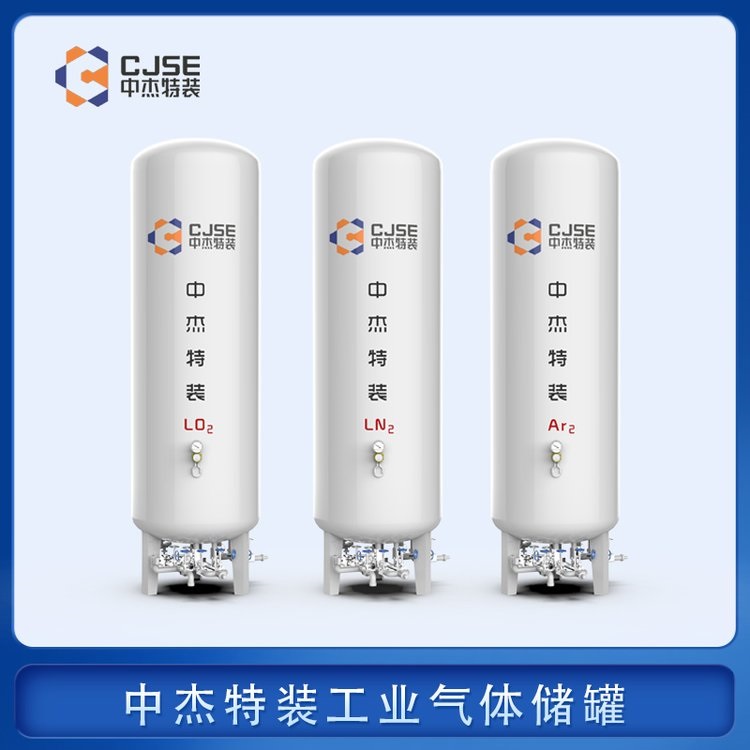

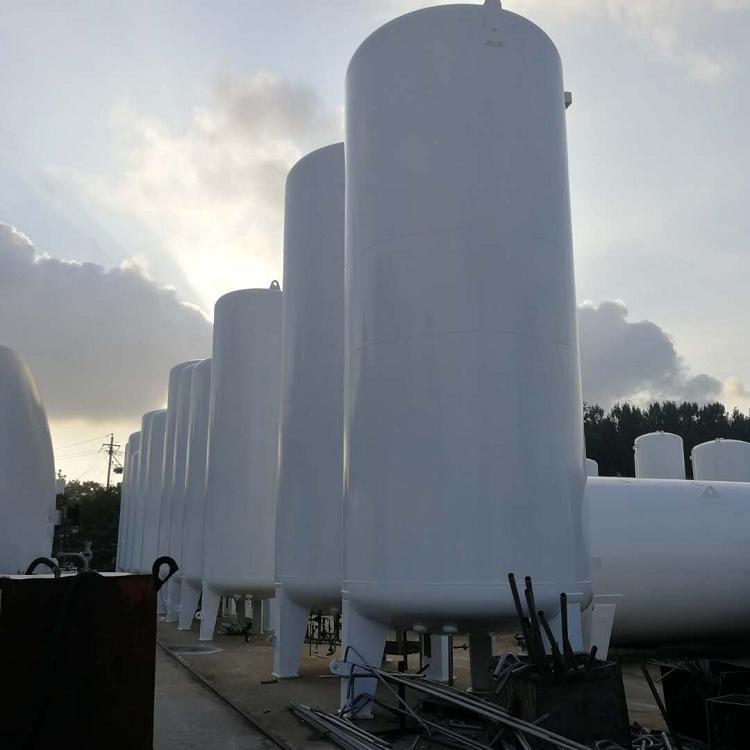
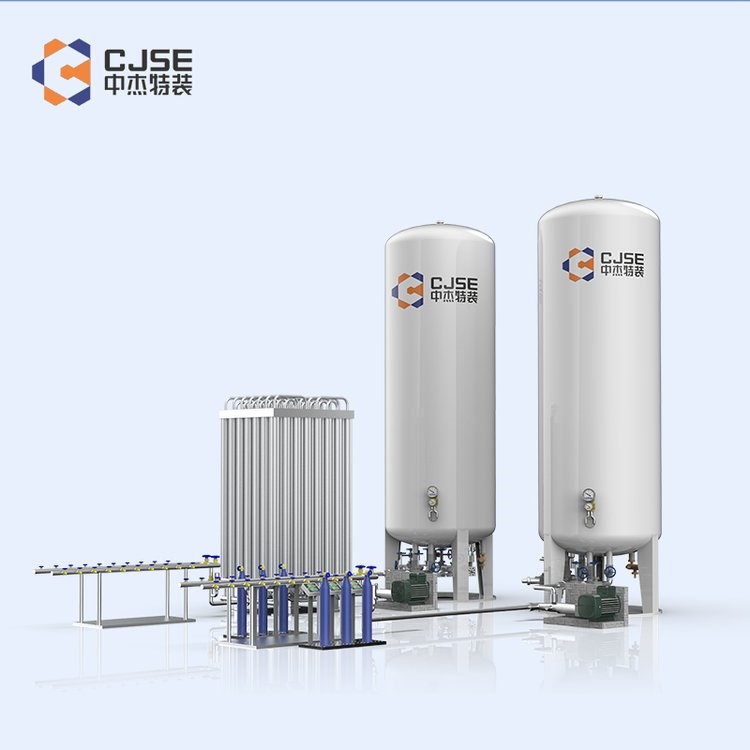



















Shandong Zhongjie Special Equipment (formerly Heze Boiler Factory Co., Ltd.) was established in 2001, located at No. 2218 Jinnan Road, Economic and Technological Development Zone, Heze City. With a registered capital of 50 million yuan and total assets of 500 million yuan, the company has seven business centers: boilers, deep-freeze containers, pressure vessels, central air conditioning, engineering installation, international trade, and Internet of Things. It has three factory sites on Jinnan Road, East Changjiang Road, and Bohai Road, covering a total area of 200,000 square meters, with the main workshop spanning 83,000 square meters. It currently employs 710 people, including 247 engineers and technicians and 82 intermediate-level technicians. In December 2016, it was recognized as a "High-tech Enterprise" by the Science and Technology Department. In June 2021, it was identified as a "Specialized and New Enterprise in Shandong Province" by the Ministry of Industry and Information Technology. In June 2022, it was recognized as a "Gazelle Enterprise in Shandong Province" and in August 2022, it was identified as a "Specialized and New Small Giant Enterprise" by the Ministry of Industry and Information Technology.
Carbon dioxide tanks are widely used in many different industries. Here are some common applications:
Food and Beverage Industry: Carbon dioxide tanks are used in the production of carbonated drinks, beer, soda, etc. Carbon dioxide is injected into the beverages to enhance their fizz and taste.
Medical Industry: In the medical field, carbon dioxide tanks are utilized for applications such as anesthesia, respiration, and emergency care. Liquid carbon dioxide can be used to create refrigerants for freezing and preserving biological samples and tissues.
Fire Suppression: Carbon dioxide tanks are used in fire suppression systems. Carbon dioxide is released into the fire scene to extinguish flames by suppressing oxygen supply.
Gas Supply: Carbon dioxide tanks also supply CO2 gas for industrial and commercial use. These gases are employed in applications like welding, gas shielding, semiconductor manufacturing, and water treatment.
Climate Control: In greenhouses and indoor plant cultivation, carbon dioxide tanks are used to control and increase the CO2 concentration for plant growth.
Additionally, carbon dioxide tanks can be used in other industries, such as the automotive industry (for airbag systems) and other industries (for propellants and gas supply).
It's important to note that the requirements and applications for carbon dioxide tanks may vary by industry. When using carbon dioxide tanks, it is essential to comply with relevant regulations and standards, ensuring that the design, manufacture, and use of the tanks meet the necessary requirements.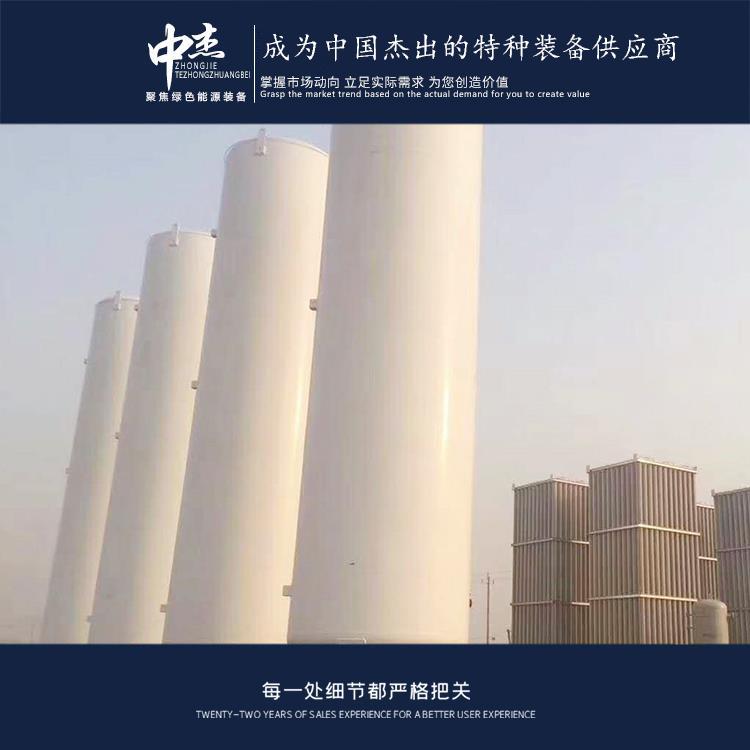
Carbon dioxide serves several key applications in carbonated beverages:
- Creating bubbles and mouthfeel: Carbon dioxide is the critical component responsible for the bubbles and effervescence in carbonated drinks. When dissolved in the beverage, it forms carbonic acid ions, giving the drink its frothy and bubbly texture. This creates a unique mouthfeel and taste characteristic of carbonated beverages.
- Adjusting pH levels: Carbon dioxide reacts with water to form carbonic acid, thus regulating the pH levels of carbonated drinks. By controlling the amount of dissolved carbon dioxide, the acidity of the beverage can be adjusted to achieve a suitable mouthfeel and taste.
- Providing a refreshing sensation: The carbon dioxide bubbles in carbonated drinks give a refreshing feeling. As you drink the beverage, the bubbles on your tongue stimulate the taste buds, creating a cool and tingling sensation, enhancing the drink's taste and mouthfeel.
- Extending shelf life: Carbon dioxide acts as a preservative in carbonated drinks. Due to its acidity and properties, it inhibits the growth of microorganisms, extending the shelf life of carbonated beverages.
It's important to note that excessive consumption of carbonated drinks may have adverse health effects, such as tooth erosion and osteoporosis. Therefore, it's crucial to consume carbonated drinks in moderation.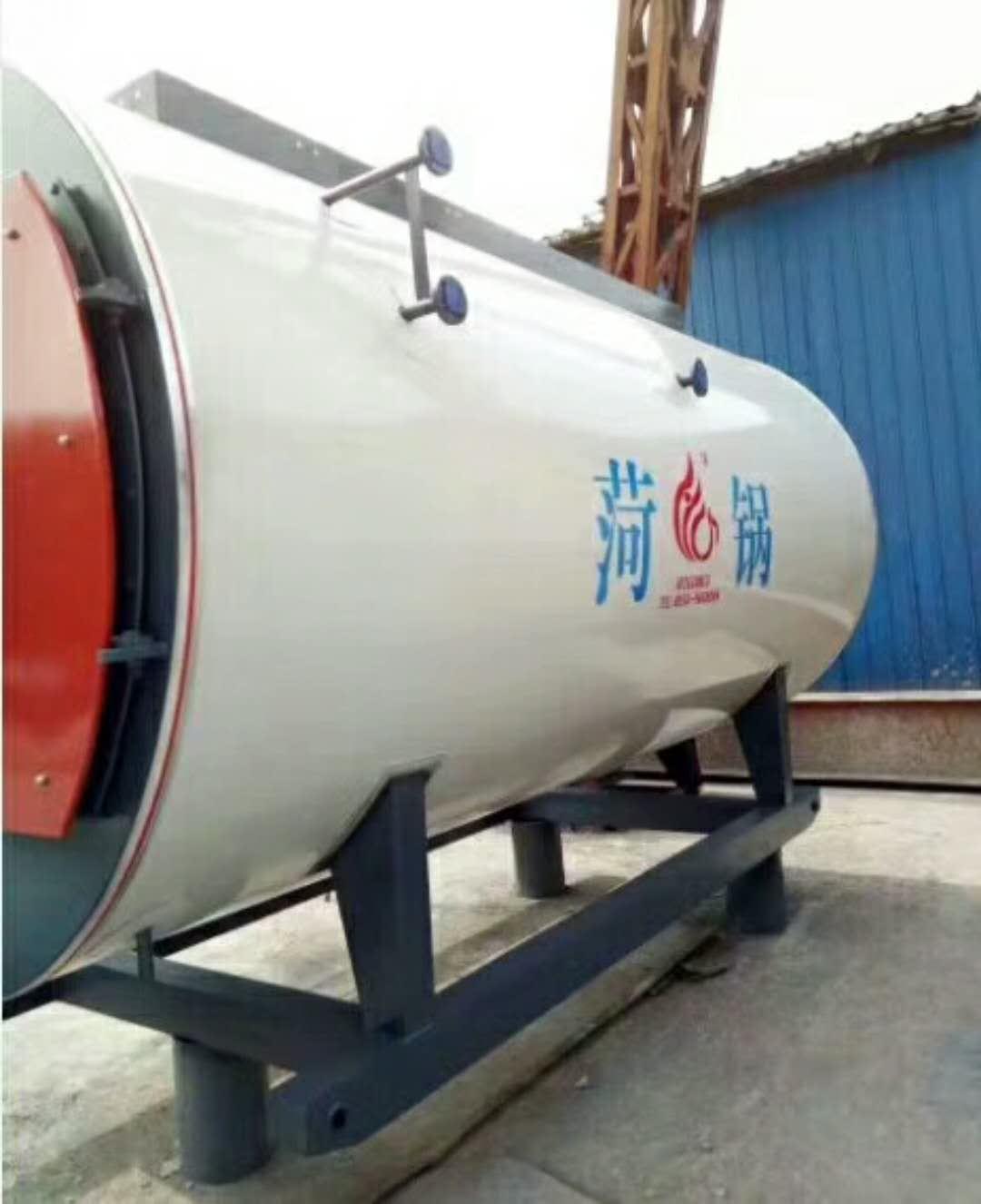
Carbon dioxide storage tanks possess the following safety technical features:
- High-intensity materials: Carbon dioxide tanks are typically made from high-strength steel or alloy materials to withstand stress and loads under high pressure and low-temperature conditions.
- Safety valves and pressure relief devices: Equipped with safety valves and pressure relief devices to control the tank's internal pressure and prevent overpressure and explosions. The safety valve will automatically open to release pressure when the internal tank pressure exceeds the set value.
- Insulation layer: An insulation layer is internally installed in the tank to reduce heat transfer and liquid evaporation. The insulation layer usually consists of multiple layers, including insulating materials and an external protective layer, to maintain a stable internal temperature.
- Liquid level monitoring and control: The tank is equipped with liquid level monitoring devices to monitor the liquid level within the tank. Timely monitoring and control ensure the liquid stored within the tank is within a safe volume range.
- Fire and explosion prevention measures: The tank is fitted with fire and explosion prevention measures, such as fire-resistant coatings, fire-separated areas, and explosion-proof devices, to prevent fires and explosions.
- Leak detection and alarm system: The tank is equipped with a leak detection and alarm system to promptly detect and alert of any tank leaks. Quick response and handling can minimize the safety risks caused by leaks.
- Regular inspections and maintenance: Regular inspections and maintenance are necessary, including external checks, valve repairs, and pressure tests, to ensure the tank's safety and reliability.
- Note that specific safety technical features of carbon dioxide storage tanks may vary depending on the type of tank and its application. When using a carbon dioxide storage tank, it is important to follow relevant regulations and guidelines.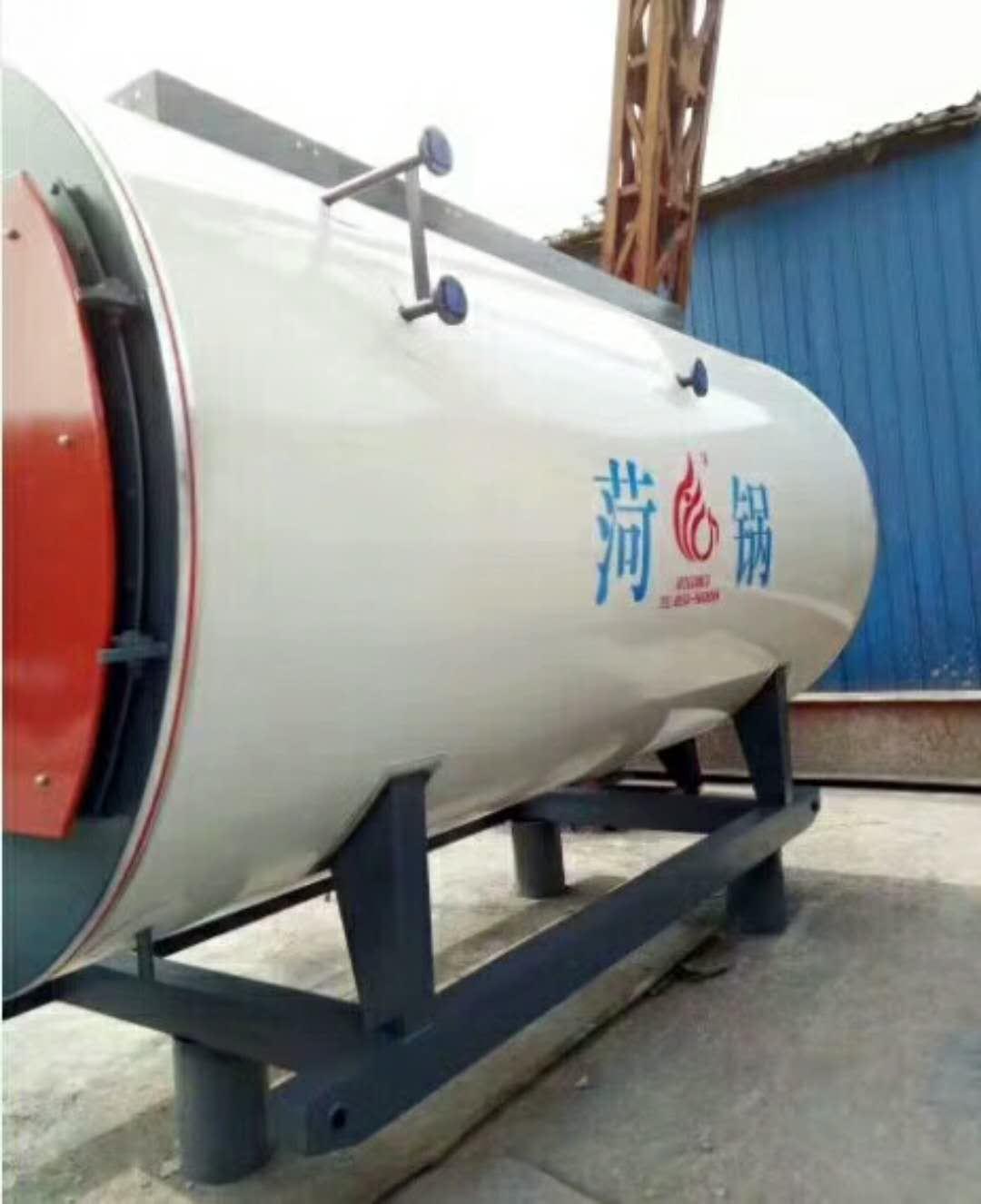
Carbon dioxide storage tank standard parameters may vary depending on different design and application requirements. Here are some common standard parameters:
- Tank Capacity: The capacity of carbon dioxide storage tanks is typically expressed in kiloliters (L) or cubic meters (m). Common capacity ranges vary from a few thousand to tens of thousands of liters.
- Working Pressure: The working pressure of carbon dioxide storage tanks is usually around 20 to 25 MPa (megapascals) at room temperature, with the specific pressure determined by application needs and design standards.
- Design Temperature: The design temperature of carbon dioxide storage tanks is usually within a low-temperature range, generally between -40℃ and -60℃, to accommodate the liquefaction and storage requirements of carbon dioxide.
- Material: Carbon dioxide storage tanks are commonly made of high-strength steel or alloy materials to withstand stress and loads under high pressure and low-temperature environments.
- Insulation Layer: The interior of the tank is equipped with an insulation layer to reduce heat conduction and liquid evaporation. The insulation layer is typically a multi-layer structure, including thermal insulation materials and an external protective layer.
- Safety Valve and Pressure Relief Device: Tanks are equipped with safety valves and pressure relief devices to control internal tank pressure and prevent overpressure and explosion.
- Liquid Level Monitoring and Control: Tanks are fitted with liquid level monitoring devices to monitor the liquid level inside the tank. Timely monitoring and control of the liquid level ensure that the stored liquid volume is within a safe range.
It should be noted that specific standard parameters for carbon dioxide storage tanks may vary due to different design standards, application requirements, and manufacturers. When selecting and using carbon dioxide storage tanks, it is important to consider these factors.
Shandong Zhongjie Special Equipment, welcome clients to our factory for business discussions.
WeChat Official Account

Scan to follow Official Account




















