


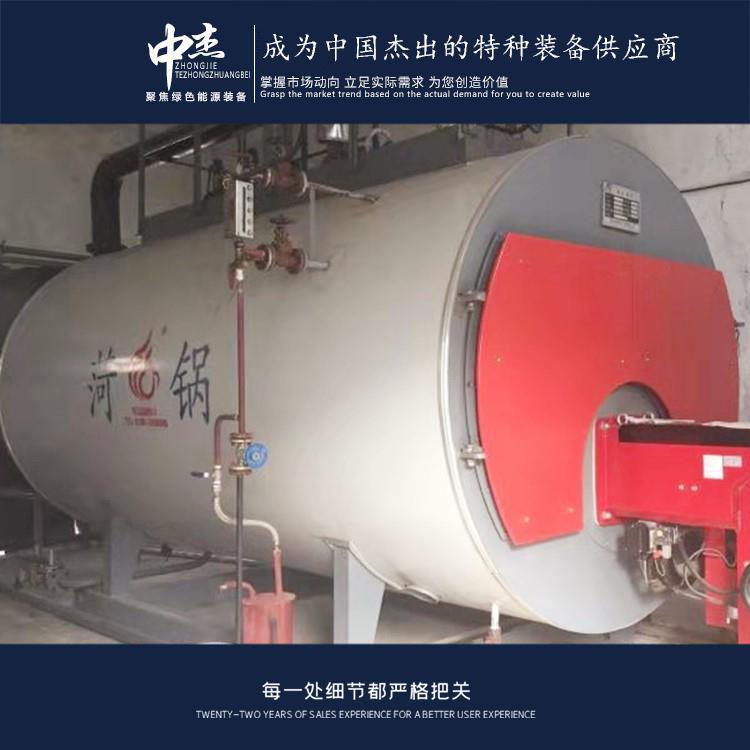

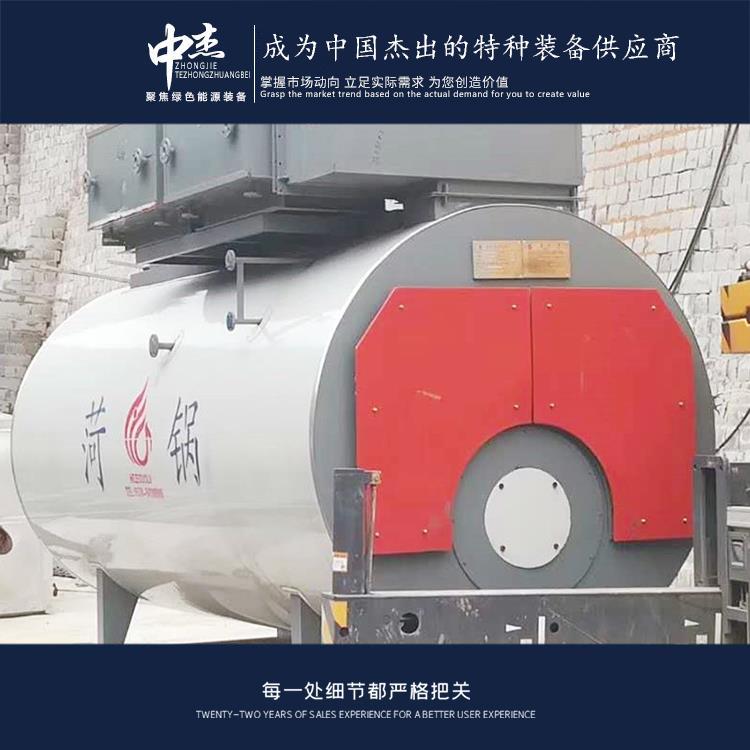
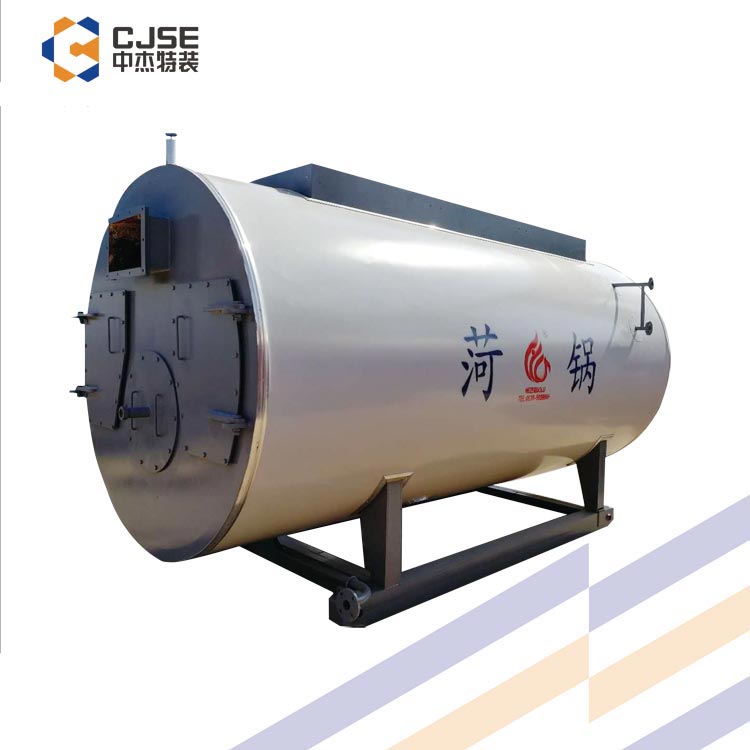



















Shandong Zhongjie Special Equipment Co., Ltd. (formerly Heze Boiler Factory Co., Ltd.) was established in 2001, located at No. 2218 Jinnan Road, Economic Development Zone, Heze City. With a registered capital of 50 million yuan and total assets of 500 million yuan, the company has 7 business centers: boiler, deep-freezing container, pressure vessel, central air conditioning, engineering installation, international trade, and Internet of Things. It has three factory areas on Jinnan Road, East Yangtze Road, and Bohai Road, covering a total of 200,000 square meters. The main workshop spans 83,000 square meters. Currently, it has 710 employees, including 247 engineers and technicians, and 82 middle-level technicians. In December 2016, it was recognized as a "High-tech Enterprise" by the Science and Technology Department. In June 2021, it was identified as a "Specialized and New Enterprise in Shandong Province" by the Ministry of Industry and Information Technology. In June 2022, it was recognized as a "Deer Enterprise in Shandong Province" and in August 2022, it was identified as a "Specialized and New Small Giant Enterprise" by the Ministry of Industry and Information Technology.
Proper selection of a thermal oil heater requires considering the following aspects:
1. Heat Load Requirement: First, determine the required heat load for the thermal oil heater, i.e., the heat energy needed to be supplied. Establish the rated power and heat load range of the heater based on actual needs to ensure it can meet the required heat supply.
2. Operating Temperature and Pressure: The operating temperature and pressure range of the thermal oil heater must match the actual application scenario. Choose the appropriate temperature and pressure range based on process requirements and working environment to ensure stable operation of the heater.
3. Thermal Oil Type: Select the appropriate type of thermal oil based on process requirements and working environment. Common types include silicone thermal oil, organic thermal oil, and mineral oil thermal oil, each with different operating temperature ranges and performance characteristics. Choose according to actual needs.
4. Equipment Quality and Reputation: Choose a thermal oil heater supplier with a good reputation and quality. Ensure the manufacturing process and material quality of the heater are reliable, providing stable and reliable performance and after-sales service.
5. Safety and Environmental Protection: The safety and environmental protection of the thermal oil heater are important considerations. Choose a heater with safety protection devices and environmental certifications to ensure safety for personnel and equipment during operation.
6. Economy and Energy Efficiency: Consider the economy and energy efficiency of the thermal oil heater. Choose a heater with high energy efficiency and energy-saving features to reduce energy consumption and operating costs.
By considering these factors and selecting an appropriate thermal oil heater based on actual needs, you can ensure the stable operation of the equipment.
During the operation of a thermal oil furnace, several important matters should be noted:
- Temperature Control: During the operation of the thermal oil furnace, close attention and control of the thermal oil's temperature are required. Ensure the temperature remains within a safe range, avoiding excessive temperatures that can lead to oil decomposition or low temperatures that cause condensation and scaling issues. Regularly check and calibrate the temperature sensors to ensure accurate temperature readings.
- Pressure Control: During the operation of the thermal oil furnace, maintaining an appropriate working pressure is crucial. Excessive pressure can cause equipment damage or leaks, while low pressure can lead to reduced heat transfer efficiency. Regularly inspect and maintain pressure gauges and safety valves to ensure accurate and safe pressure control.
- Oil Quality and Cleanliness: The quality and cleanliness of the thermal oil are vital for the normal operation of the furnace. Regularly inspect and replace thermal oil to ensure the quality and performance meet requirements. Regularly clean and maintain heat exchangers, burners, and flues to prevent the accumulation of dust and debris, which can affect heat transfer efficiency.
- Regular Maintenance and Inspection: Thermal oil furnaces require regular maintenance and inspections to ensure proper operation and extended lifespan. Regularly inspect and clean burners, flues, and heat exchangers; check and replace seals and valves; inspect and calibrate safety devices to ensure equipment safety and reliability.
- Safe Operation: Strict adherence to operating procedures and safety protocols is necessary during the operation of the thermal oil furnace. Operators must possess the relevant skills and knowledge.
A gas heat-conducting oil furnace is a device that uses gas as fuel and transfers heat energy through heat-conducting oil. Its features include:
- High thermal efficiency: The gas heat-conducting oil furnace uses heat-conducting oil as the heat transfer medium, offering high heat transfer efficiency. The heat-conducting oil has high thermal conductivity and stability, enabling rapid heat transfer and enhancing energy utilization efficiency.
- Temperature control: The furnace can control operating temperature by regulating gas supply and the circulation of heat-conducting oil. This temperature control meets various process and production requirements, improving production efficiency and product quality.
- Safety and reliability: The furnace employs a closed-loop system, with the combustion process occurring in a sealed environment, reducing the risk of gas leakage. Additionally, the heat-conducting oil has a high flash point and ignition point, making the combustion process relatively safe and reliable.
- Flexibility: The gas heat-conducting oil furnace is suitable for various industrial sectors, such as chemicals, textiles, and food processing. It can adapt to different process demands and working conditions, offering strong flexibility.
- Environmental protection and energy-saving: The furnace emits relatively low amounts of exhaust during combustion, causing minimal environmental pollution. Due to its high thermal efficiency and temperature control, it can save energy consumption and reduce energy costs.
- It is important to note that regular inspections and maintenance are required for the gas heat-conducting oil furnace during operation to ensure proper functioning and extend its service life. Moreover, selecting the appropriate model and supplier is crucial to ensure its features and performance.
Based on the provided information, I cannot accurately determine the heating area for a 40-ton gas-fired hot water boiler or the gas pressure for an atmospheric pressure gas boiler. The determination of these parameters requires considering multiple factors, including the boiler's design specifications, the type and quality of the gas, and the heating system requirements. The heating area is typically calculated based on the size of the building or industrial production facility to be heated, as well as the heat load. Common calculation methods include heat load calculations based on the building's floor area, the climate conditions of the region, and indoor temperature requirements. The gas pressure depends on the type of gas and the design of the gas supply system. Different types of gas require different pressure levels. The gas pressure also needs to consider factors such as the distance of the gas pipeline, pipeline diameter, and pipeline material. Therefore, to accurately determine the heating area for the 40-ton gas-fired hot water boiler and the gas pressure for the atmospheric pressure gas boiler, it is recommended to consult the boiler manufacturer or engineer, who can calculate and design based on the specific situation.
Shandong Zhongjie Special Equipment, welcome customers to our factory for business discussions.
WeChat Official Account

Scan to follow Official Account




















