


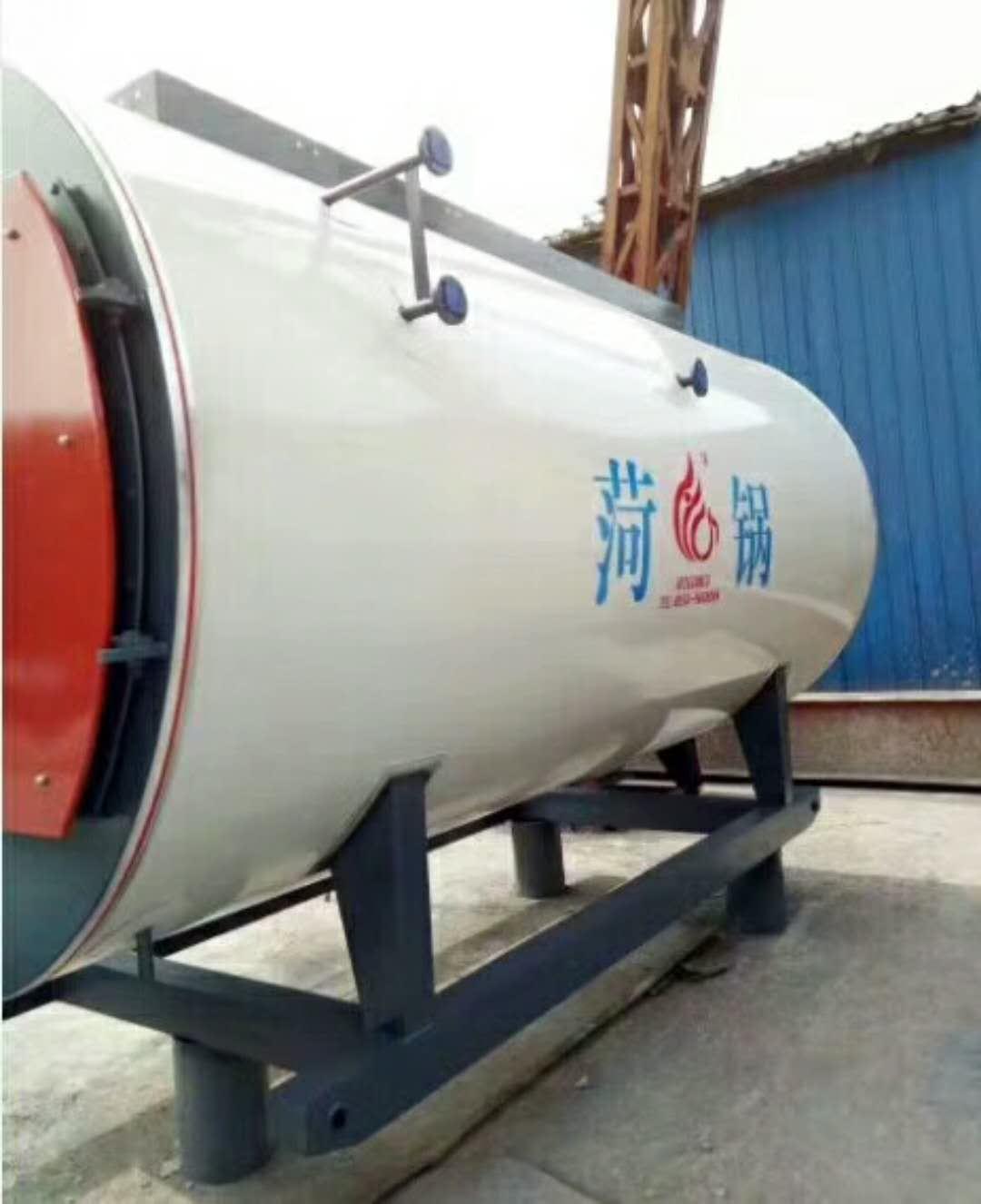

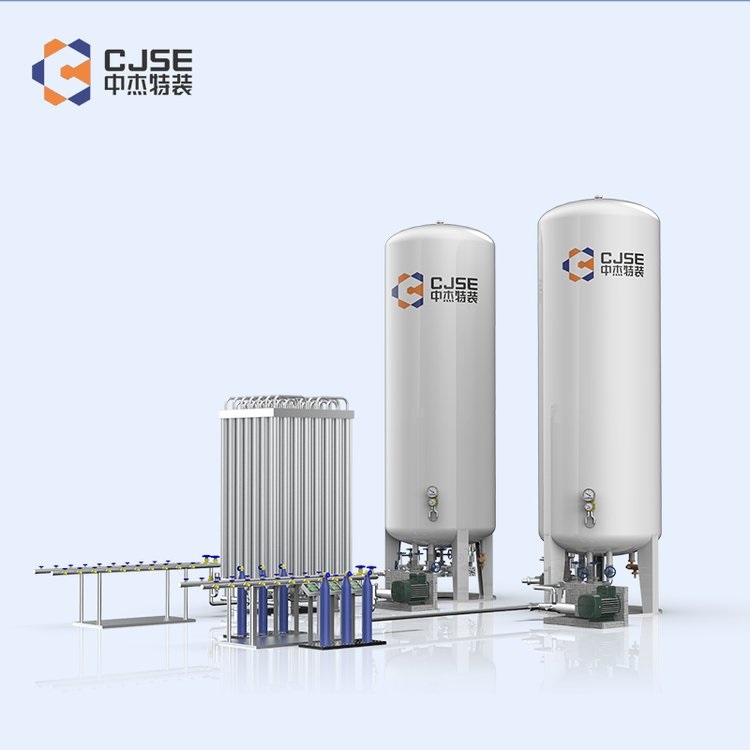
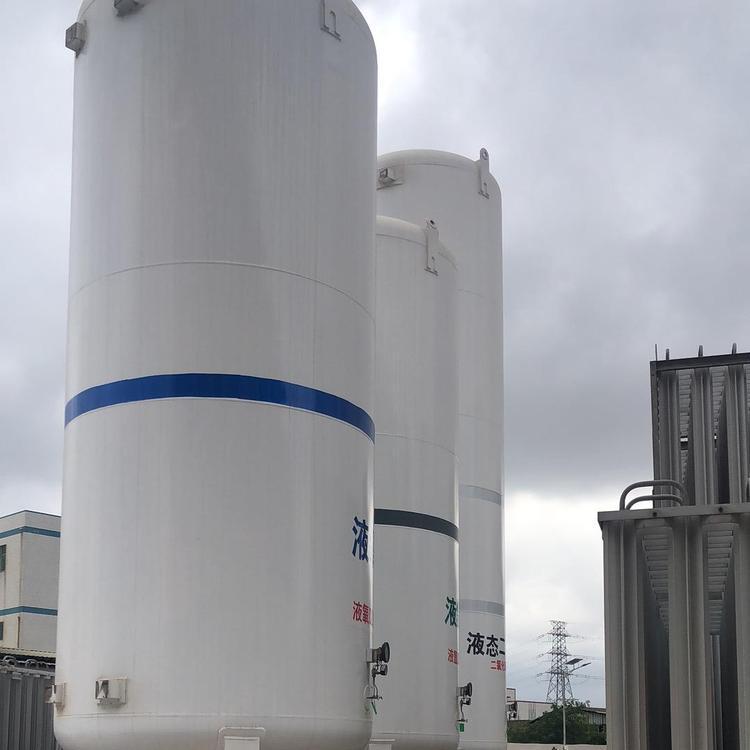



















Shandong Zhongjie Special Equipment (formerly Heze Boiler Factory Co., Ltd.) holds an A-grade boiler manufacturing license, A2-grade pressure vessel manufacturing license, A2-grade pressure vessel design license, B-grade boiler installation, and GB2/Class, GC2/Class pressure pipeline installation licenses, as well as equipment and machinery installation contracting qualifications. It is a member of the China Boiler and Water Treatment Association, the China Chemical Equipment Association, and the council unit of the Shandong Equipment Manufacturing Association. The company has also passed certifications for ISO9001 Quality Management System, ISO14001 Environmental Management System, OHSAS18001 Occupational Health and Safety Management System, and the U.S. ASME/U2 certification.
Liquid nitrogen tanks are widely used in various industries, mainly including the following aspects:
Industry: Liquid nitrogen tanks are used in the field for storing and supplying liquid nitrogen, which is essential for low-temperature cryopreservation of biological samples, cells, tissues, and vaccines. These tanks are widely employed in biopharmaceutical research institutions and biobanks, among other organizations.
Experimental Research: Liquid nitrogen tanks are used in scientific research and laboratories to provide low-temperature environments, for cryogenic preservation and cryogenic experiments. Liquid nitrogen tanks play a crucial role in experimental research across various fields, including physics, chemistry, biology, and materials science.
Metalworking Industry: Liquid nitrogen tanks are used in the metalworking and welding industries for providing low-temperature cooling, used in processes such as metal cutting, welding, and heat treatment. Liquid nitrogen tanks can provide low temperatures, enabling metals to achieve the required hardness and toughness during the processing.
Food Industry: Liquid nitrogen tanks are used in the food industry for freezing and refrigerating food products such as frozen meats, fruits, and seafood. The low temperature of liquid nitrogen can quickly freeze food, preserving its freshness and quality.
Semiconductor Industry: Liquid nitrogen tanks are used in semiconductor manufacturing and the electronics industry to provide a low-temperature environment, for the freezing and preparation of semiconductor materials. The low temperature of liquid nitrogen can enhance the purity and performance of semiconductor materials.
The configuration of liquid nitrogen tanks typically includes the following aspects:
Vessel Structure: Liquid nitrogen tanks typically feature a double or multi-layered design, filled with insulating material in the middle to minimize heat transfer and evaporation of the liquid nitrogen. The tank material is usually stainless steel or aluminum alloy, offering excellent corrosion and low-temperature resistance.
Insulation Layer: The insulation layer of liquid nitrogen tanks commonly uses multi-layer insulation materials, such as polyethylene foam, glass fiber, and vacuum layers, to reduce heat transfer and evaporation of liquid nitrogen.
Temperature Control System: Liquid nitrogen tanks are typically equipped with a temperature control system, used to regulate the tank's temperature to maintain the liquid
Stabilization design for a 15 cubic meter liquid argon tank should consider the following aspects:
Tank Pressure: Determine the design pressure of the tank to meet the storage and supply requirements of liquid argon. Establish an appropriate design pressure range based on the characteristics and usage conditions of liquid argon.
Stabilization System: Select an appropriate stabilization system to maintain stable pressure within the storage tank. The stabilization system typically includes components such as pressure regulators, pressure sensors, and control valves, which are used to monitor and adjust the pressure inside the tank.
Pressure Sensor: Install a pressure sensor to monitor real-time pressure changes within the storage tank. The sensor transmits pressure signals to the voltage stabilization system to promptly adjust the opening of the control valve, maintaining stable pressure inside the tank.
Control Valve: Select an appropriate control valve for regulating the gas flow and pressure within the storage tank. The control valve should have excellent regulating performance and stability to ensure the pressure within the tank remains within the set range.
Safety Valve: Install a safety valve to automatically release gas when the pressure inside the storage tank exceeds the set value, preventing overpressure. The safety valve should be selected and installed based on the design pressure and capacity of the storage tank.
Voltage Stabilization System Control: Equipped with a suitable control system for monitoring and regulating the operation of the voltage stabilization system. The control system enables automatic adjustments and alarm functions to ensure stable and safe pressure within the storage tank.
It is important to note that the design of the pressure stabilization should be tailored to the specific engineering requirements and the operating conditions of the liquid argon storage tank, adhering to relevant local laws, regulations, and standards. When designing and installing the pressure stabilization system, it is recommended to consult with a qualified engineer or seek guidance from relevant institutions to ensure the reliability and safety of the system.
Liquid oxygen storage tanks offer the following advantages:
High Storage Density: Liquid oxygen tanks can store oxygen in a liquid state, which offers a higher storage density compared to gas storage. This means more oxygen can be stored in a limited space, providing a longer supply time.
High Purity Oxygen Supply: Liquid oxygen tanks can provide high purity oxygen supply. After undergoing refrigeration and purification processes, liquid oxygen can be obtained with high purity, meeting the needs of applications such as industry and scientific research.
User-Friendly: The liquid oxygen tank features user-friendliness with built-in level gauges and pressure gauges for easy monitoring of liquid levels and pressure. Additionally, it's equipped with safety devices such as pressure relief valves and level alarms to ensure safe operation and use.
Long-Term Storage: Liquid oxygen tanks are suitable for long-term storage of oxygen. The低温 nature of liquid oxygen slows down the evaporation and oxidation of oxygen, extending its storage life. This is beneficial for applications requiring long-term oxygen storage, such as institutions, laboratories, and industrial production.
Overall, liquid oxygen tanks offer high storage density, high purity oxygen supply, ease of use, and long-term storage advantages. This makes them a reliable choice for oxygen supply and are widely used in industries and scientific research fields.
When selecting a liquid oxygen storage tank with a medical oxygen concentrator, consider the following factors:
Requirement: First, determine the oxygen demand of the institution or individual. Select the appropriate oxygen concentrator model and specification based on the required oxygen flow rate and pressure.
Safety and Reliability: Ensure the selected oxygen concentrator offers high levels of safety and reliability. Choose products that comply with relevant standards and regulations, featuring safety functions such as overpressure protection, leakage protection, and overload protection.
Ease of operation: Choose an oxygenator that is simple to operate and user-friendly. Consider the methods for adjusting oxygen flow and concentration, as well as the clarity and readability of the operating interface.
Quality and Reputation: Choose an oxygen concentrator with excellent quality and reliability. Refer to customer reviews, word-of-mouth, and institutional endorsements when selecting a product.
Maintenance and After-Sales Service: Familiarize yourself with the maintenance requirements and after-sales support for the oxygenator. Ensure timely access to repairs and technical assistance to guarantee the smooth operation and maintenance of the oxygenator.
Cost-effectiveness: Considering the price, performance, and features of the oxygenator, choose a product with a favorable cost-performance ratio. Select an oxygenator that suits your actual needs and budget.
Be mindful that when selecting liquid oxygen storage tanks with medical oxygen concentrators, adhere to the relevant equipment procurement regulations and standards. It's advisable to consult with equipment suppliers or relevant institutions to ensure the chosen concentrator meets your needs and safety requirements.
ZJ Special Equipment adheres to the grand vision of "realizing employees' dreams, creating customer value, and striving for the prosperity and strength of our motherland," focusing solely on the development of green energy equipment. We dedicate high-value products and services to society!
WeChat Official Account

Scan to follow Official Account




















