


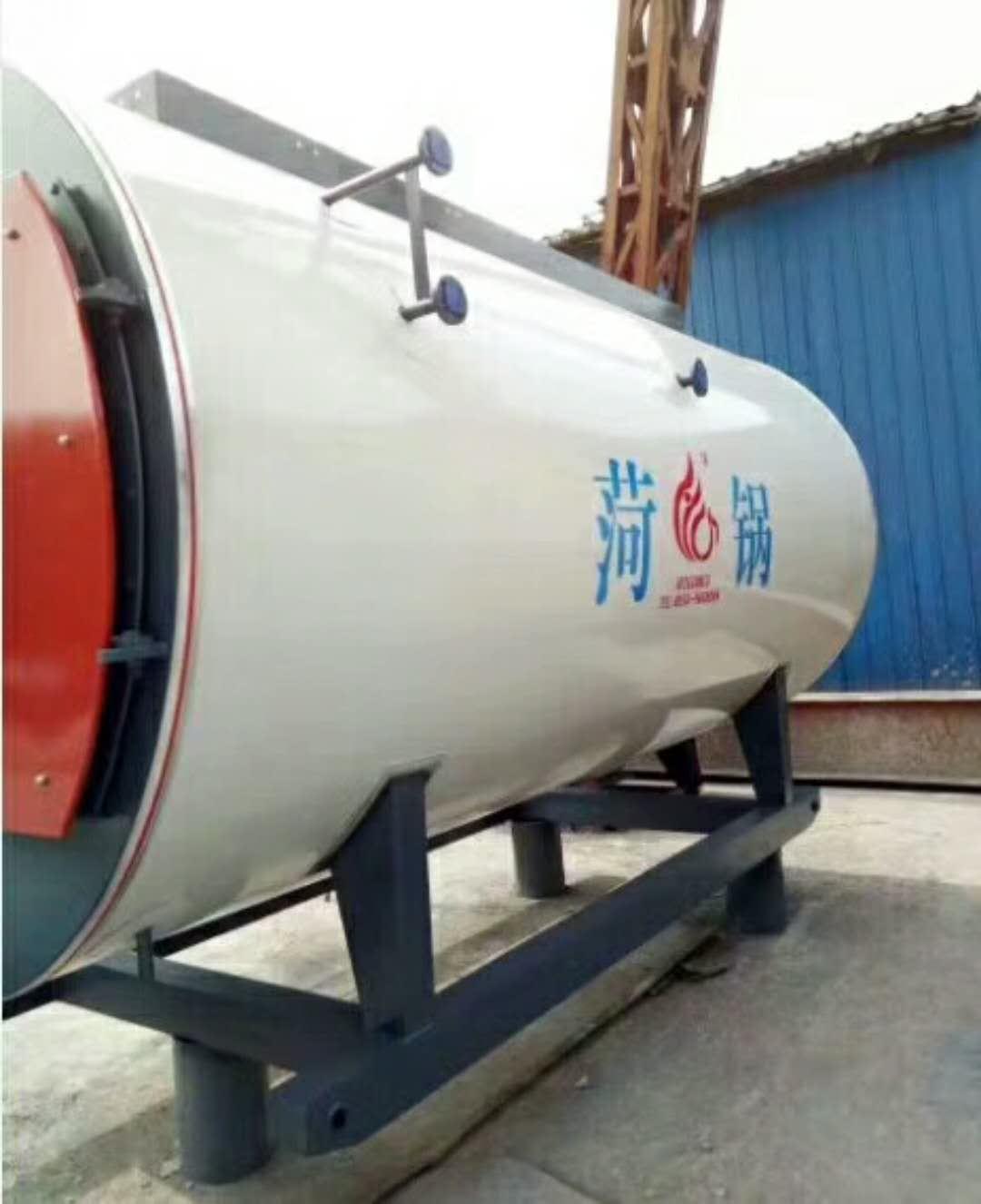

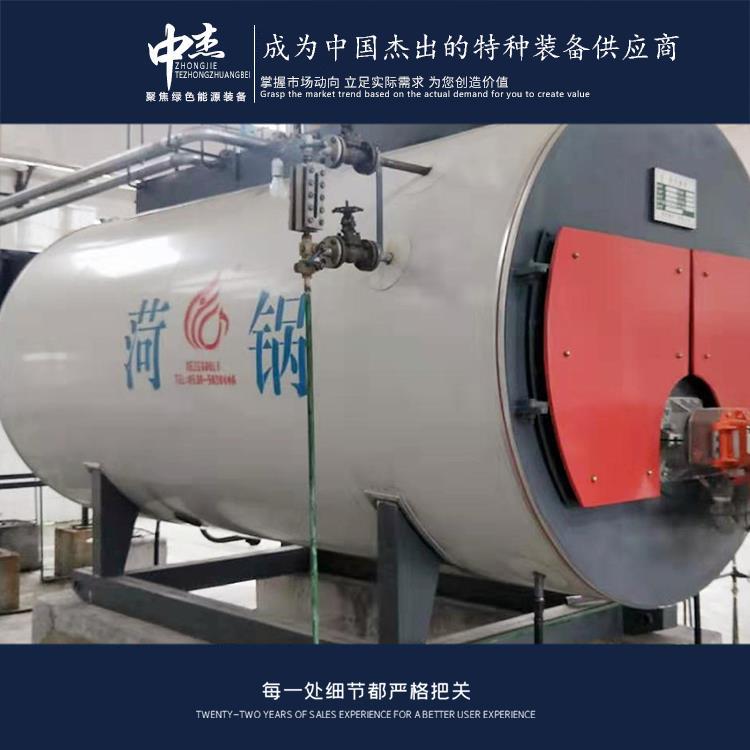
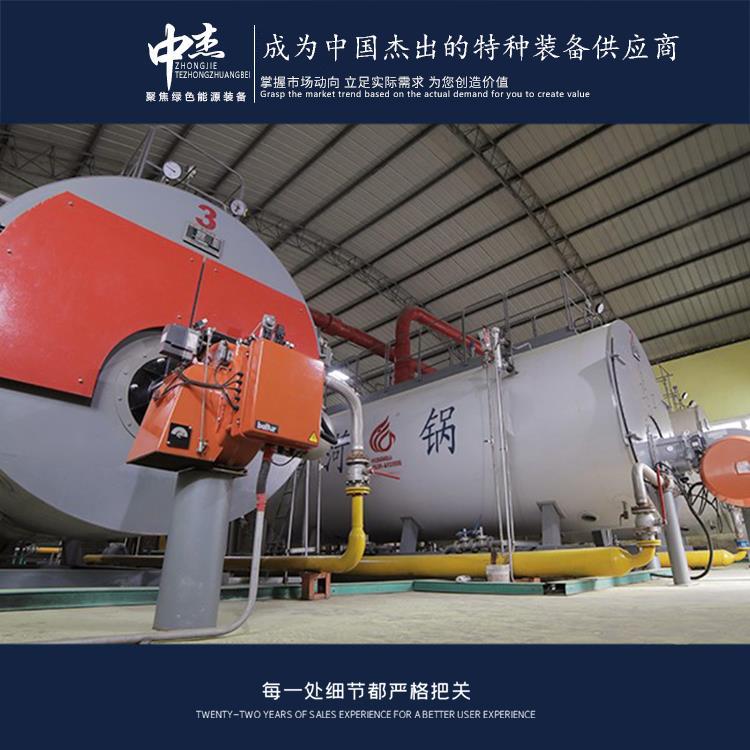



















Shandong Zhongjie Special Equipment specializes in products such as fuel (gas) boilers, organic heat carrier boilers, biomass boilers, waste heat boilers, and other boiler products; vacuum insulation cryogenic pressure vessels like LNG, oxygen-nitrogen-argon, and CO2 tanks; pressure vessel products including denitrification engineering equipment, heat storage equipment, complete chemical equipment sets; and central air conditioning and ventilation equipment like ground (water) source heat pumps, air-source units, water-cooled screw units, and air-cooled modular systems. Planned products include large-scale energy centers, LNG transport vehicles, LNG tank containers, and other green energy equipment.
The management system for gas thermal oil furnace equipment incidents primarily includes the following aspects:
1. Equipment Safety Management System: Establish and improve the safety management system for gas thermal oil furnace equipment, clarify responsibilities and authorities, and ensure the safe operation of the equipment. This includes equipment operation procedures, emergency response plans for accidents, equipment inspection and maintenance schedules, etc.
2. Equipment Maintenance Management System: Establish a maintenance management system for equipment, clarify maintenance responsibilities and plans. This includes regular equipment inspections, maintenance, and repairs to ensure the normal and safe operation of the equipment.
3. Equipment Operation Management System: Establish an equipment operation management system, clarify operation procedures and requirements. This includes start-up, shutdown, adjustment, and monitoring processes, ensuring the safety and operation of the equipment.
4. Equipment Incident Management System: Establish an equipment incident management system, clarify reporting, investigation, and handling procedures for incidents. This includes incident reporting requirements, responsibility追究, root cause analysis, and improvement measures to reduce incidents and minimize losses.
5. Equipment Training and Assessment System: Establish a training and assessment system for equipment to ensure operators possess the necessary skills and knowledge. This includes equipment operation training, safety training, and technical training, as well as regular assessments and evaluations of operators.
6. Equipment Inventory and Record Management System: Establish an equipment inventory and record management system, recording equipment operation, maintenance records, and incident records. This includes inventory management, maintenance record completion and preservation, and incident record organization and analysis for equipment management and issue traceability.
The above are some basic contents of the management system for gas thermal oil furnace equipment incidents. Specific management systems need to be formulated and improved based on actual circumstances. Additionally, it is necessary to comply with relevant laws, regulations, and standards to ensure the safety and environmental performance of the equipment.
When selecting a thermal oil furnace for the rubber industry, pay attention to the following aspects:
Temperature Requirements: Determine the required working temperature range based on the process needs of the rubber industry. Ensure the thermal oil furnace can stably provide the required working temperature.
Heat Load: Calculate the required heat load based on the production scale and process requirements of the rubber industry. Ensure the heat load of the thermal oil furnace meets the needs of the rubber industry.
Thermal Efficiency: The thermal efficiency of the thermal oil furnace directly affects energy consumption and operating costs. Consider the thermal efficiency when choosing a thermal oil furnace, opting for energy-saving products.
Safety: The safety of the thermal oil furnace is crucial. Choose a furnace with comprehensive safety protection devices and an automatic control system to ensure safe and reliable operation.
Maintenance: Proper maintenance is vital for extending the lifespan and ensuring smooth operation of the thermal oil furnace. Consider the ease and cost of maintenance when selecting a thermal oil furnace.
Manufacturer's Reputation: Choose a thermal oil furnace manufacturer with a good reputation and extensive experience to ensure product quality and reliable after-sales service.
Cost-Effectiveness: Consider the price, energy consumption, and maintenance costs of the thermal oil furnace, selecting products with good cost-effectiveness.
When purchasing a thermal oil furnace, it is recommended to consult and communicate with heating equipment suppliers or engineers, select based on specific needs, and adhere to relevant industry standards and regulations.
A gas boiler is a heating equipment that uses gas or similar fuels. It generates heat by burning gas, heating water into steam or hot water, which is used for heating, hot water supply, or industrial production. The working principle of a gas boiler involves mixing gas with air, igniting the mixture to produce high-temperature combustion gases. These gases then transfer heat to the water through a heat exchanger, raising the water temperature. Gas boilers offer advantages such as environmental friendliness and safety, and are widely used in residential, commercial, and industrial applications.
Steam boiler energy conservation is an urgent mission for the following reasons: Energy Consumption: Steam boilers typically use fuel to produce steam, and the consumption of fuel directly impacts energy use. With the increasing scarcity of energy resources and rising energy prices, energy conservation has become a crucial task. Environmental Protection: The emissions and waste smoke from fuel combustion pollute the environment, including air pollution and greenhouse gas emissions. By reducing fuel consumption through energy conservation, the impact on the environment and carbon emissions can be minimized. Economic Benefits: Energy conservation can lower energy consumption and operational costs, improving energy utilization efficiency. By implementing energy-saving measures, companies can reduce energy expenses and enhance economic benefits. Sustainable Development: Energy conservation is a vital component of sustainable development. By reducing energy consumption, the lifespan of energy resources can be extended, providing more energy reserves for future development. Legal and Regulatory Requirements: Many regions have established laws, regulations, and policies on energy conservation and emission reduction, requiring companies to adopt energy-saving measures and reduce energy consumption and environmental pollution. Therefore, energy conservation for steam boilers is an urgent task. By implementing effective energy-saving measures, energy consumption can be reduced, environmental pollution can be minimized, economic benefits can be improved, and sustainable development can be achieved.
ZJ Special Equipment upholds the great vision of "realizing employees' dreams, creating value for customers, and striving for the prosperity and strength of our motherland," focusing solely on the development of green energy equipment, and dedicating high-value products and services to society!
WeChat Official Account

Scan to follow Official Account




















