


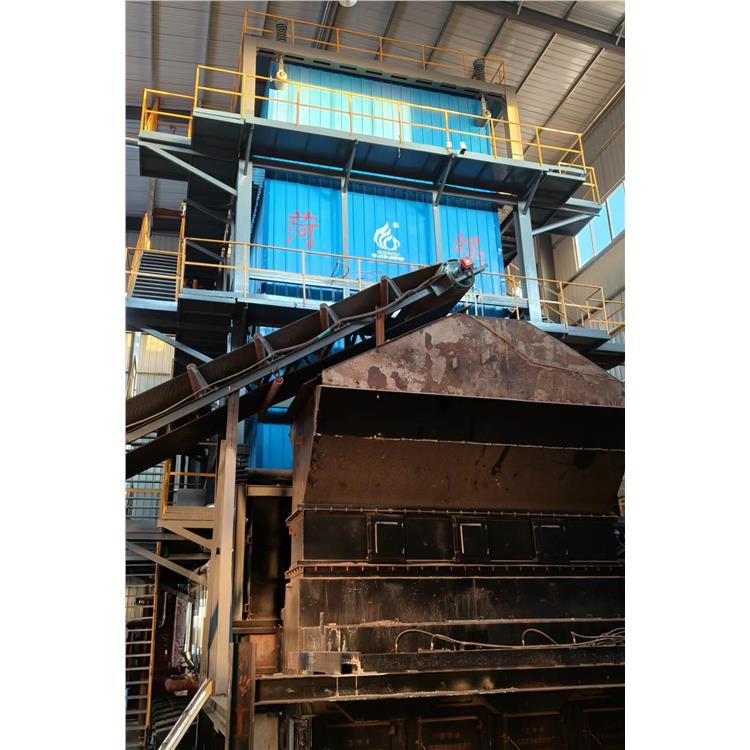

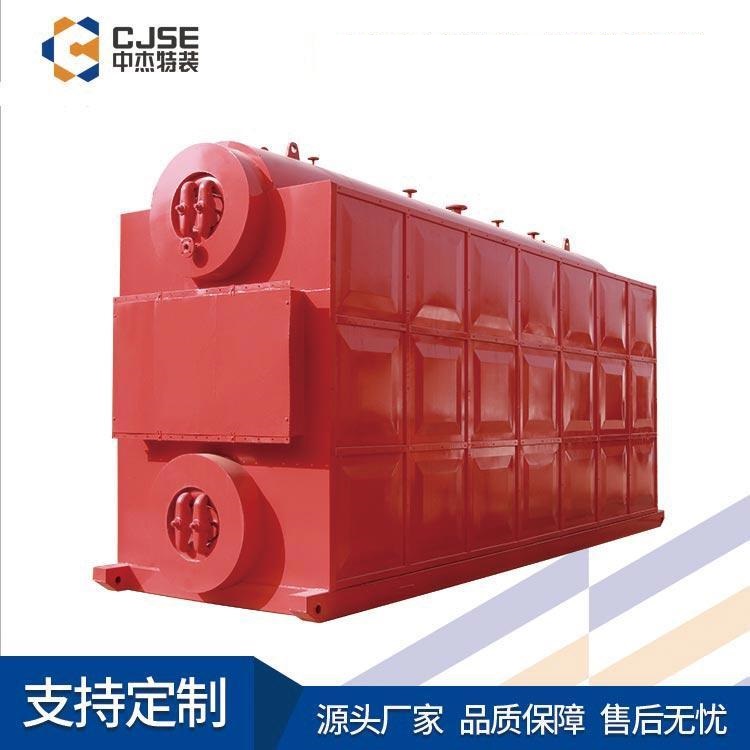
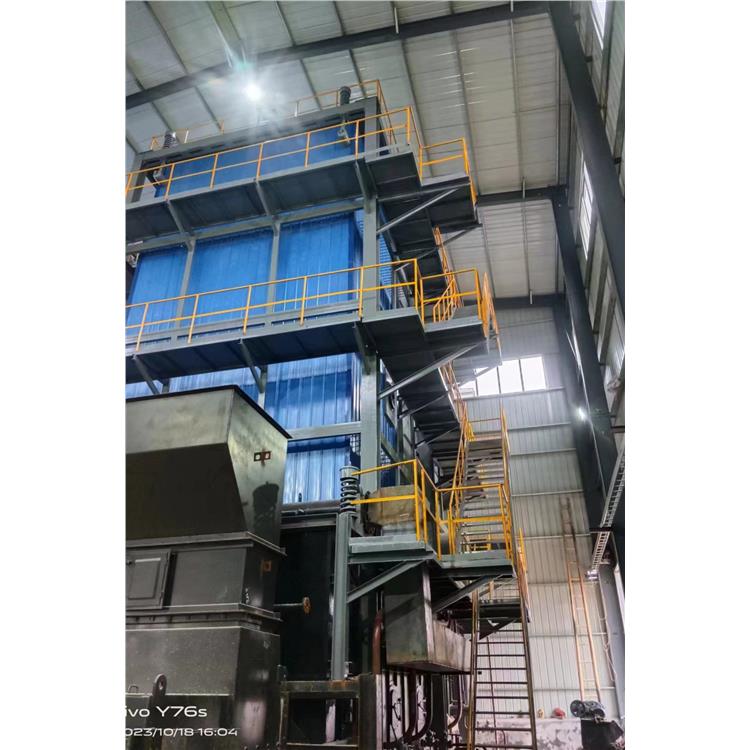



















Shandong Zhongjie Special Equipment Co., Ltd. (formerly Heze Boiler Factory Co., Ltd.) was established in 2001, located at No. 2218 Jinnan Road, Development Zone, Heze City, with a registered capital of 50 million yuan and total assets of 500 million yuan. The company has 7 business centers: boilers, deep-freezing containers, pressure vessels, central air conditioning, engineering installation, international trade, and the Internet of Things. It has three factory sites on Jinnan Road, East Changjiang Road, and Bohai Road, covering a total of 200,000 square meters, with the main workshop spanning 83,000 square meters. It currently employs 710 people, including 247 engineering and technical personnel and 82 intermediate-level technicians. In December 2016, it was recognized as a "High-tech Enterprise" by the Science and Technology Department. In June 2021, it was identified as a "Specialized and New Enterprise in Shandong Province" by the Ministry of Industry and Information Technology. In June 2022, it was recognized as a "Gazelle Enterprise in Shandong Province" and in August 2022, as a "Specialized and New Small Giant Enterprise" by the Ministry of Industry and Information Technology.
Several factors should be considered when selecting a suitable biomass boiler:
Fuel Type: First, determine the available biomass fuel types, such as wood chips, straw, etc. Different biomass fuels have varying characteristics, including moisture content, ash content, and calorific value, and it's necessary to choose a boiler suitable for the fuel type.
Boiler Capacity: Select the appropriate boiler capacity based on the actual demand for steam or hot water output. Over-sizing leads to energy waste, while undersizing fails to meet requirements.
Combustion Efficiency: Focus on the boiler's combustion efficiency, which is the ratio of fuel converted to thermal energy. High combustion efficiency enhances energy utilization and reduces operating costs.
Equipment Quality and Reliability: Choose biomass boilers and suppliers with excellent quality and reliability to ensure long-term stable operation and ease of maintenance.
Environmental Performance: Focus on the environmental performance of the boiler, including emission standards and reduction of pollutant emissions. The chosen biomass boiler is beneficial for environmental protection and compliance with relevant regulations.
Economic Efficiency: Choose an economically reasonable biomass boiler by considering the overall purchase, operation, and maintenance costs of the boiler.
Adaptability and flexibility: Select biomass boilers with high adaptability and flexibility, catering to actual demands and application scenarios, which can accommodate various fuel and operating conditions.
When selecting biomass boilers, consult with boiler suppliers or engineers to conduct technical evaluations and economic analyses based on specific circumstances, and choose the appropriate type and specification of biomass boiler.
Prior to considering the use of biomass boilers, the following preliminary analyses must be conducted:
Fuel Supply: Biomass boilers require biomass fuel such as wood chips, straw, etc. Before selecting a biomass boiler, it is essential to ensure a stable fuel supply channel, including fuel procurement, storage, and transportation.
Fuel Costs: The cost of biomass fuel may be affected by factors such as season, region, and crop yields. It's essential to evaluate the fuel costs before selecting a biomass boiler to ensure its economic feasibility.
Boiler Requirements: Assess the required heat output and heating area based on actual needs. This will help determine the appropriate scale and model of biomass boiler needed.
Technical Requirements: The installation and operation of biomass boilers require certain technical standards. Before selecting a biomass boiler, it is necessary to assess your own technical capabilities and resources to ensure you can meet the requirements for installation, commissioning, and maintenance.
Environmental Requirements: Biomass boilers have lower carbon emissions and environmental impact compared to traditional coal-fired boilers. However, local environmental regulations and emission standards must be considered to ensure compliance with the requirements for using biomass boilers.
Economic Viability: In addition to fuel costs, the overall economic benefits of biomass boilers need to be considered. This encompasses the purchase cost of the boiler, operational and maintenance expenses, and the benefits of energy savings.
An integrated analysis allows for a sound assessment of biomass boiler suitability and feasibility, thereby enabling informed decision-making.
Biomass boilers offer the following environmental advantages:
Renewable Energy: The fuel used in biomass boilers is renewable, such as wood chips, straw, waste materials, etc. Compared to fossil fuels, the use of biomass fuel can reduce reliance on limited resources and lower energy consumption.
Low carbon emissions: The amount of carbon dioxide released during the combustion of biomass fuel is roughly equivalent to the amount absorbed during its growth, forming a closed carbon cycle. Compared to the combustion of fossil fuels, biomass boilers have lower carbon emissions, contributing to the reduction of greenhouse gas emissions.
Reduced Pollutant Emissions: The combustion of biomass fuel results in relatively lower emissions of pollutants. Compared to coal combustion, biomass boilers emit fewer nitrogen oxides, sulfur oxides, and particulate matter, leading to less pollution to the atmosphere.
Waste Utilization: Biomass boilers can use waste materials as fuel, such as crop straw and wood waste. If these wastes are not utilized, they may impact the environment. By utilizing biomass boilers, we can achieve the resourceful use of waste and reduce the issues of waste disposal and treatment.
Energy Recovery: Biomass boiler flue gases contain a large amount of heat energy, which can be recovered and utilized through a flue gas heat recovery unit. Utilizing the excess heat in flue gases for heating and hot water, etc., improves energy efficiency and reduces energy waste.
Sustainable Development: Biomass fuel offers high sustainability.
The performance of biomass hot water boiler's air调节 door can be improved through the following structural enhancements:
Material Selection: The construction of the air control door should be made of materials that can withstand high temperatures and corrosion, such as stainless steel or heat-resistant alloys. This ensures the long-term stable operation of the air control door under high-temperature and corrosive environments.
Structural Design: The design of the air door should be rational, including the arrangement and connection methods of the door panels, bearings, and transmission devices. The door panels should have good sealing properties to effectively control the flow of combustion air. The transmission device should be flexible and reliable, easy to operate and adjust.
Airflow Regulation: The design of the air regulating door should enable airflow adjustment. It can incorporate adjustable door blade angles or opening designs, regulating the air flow to the combustion by changing the position or angle of the door blade. Additionally, consider installing an airflow regulation device, such as an air flow gauge or pressure sensor, to monitor and adjust the air flow to the combustion in real-time.
Temperature Control: For biomass hot water boilers, consider installing a temperature sensor near the air regulating door to monitor the combustion chamber's temperature in real-time. Connected to the air regulating door's control system, the door's opening can be automatically adjusted according to temperature changes to maintain a stable temperature within the combustion chamber.
Safety Protection: The design of the air regulating door should incorporate safety measures, such as installing overload protection devices or limit switches, to prevent the door from being excessively opened or closed, which could lead to unstable combustion or other safety issues.
By enhancing the above structure, the performance and reliability of the biomass hot water boiler's air adjustment door can be improved, achieving better combustion air regulation and increasing the boiler's thermal efficiency and stability.
Shandong Zhongjie Special Equipment, welcome customers to visit our factory for business talks.
WeChat Official Account

Scan to follow Official Account




















