


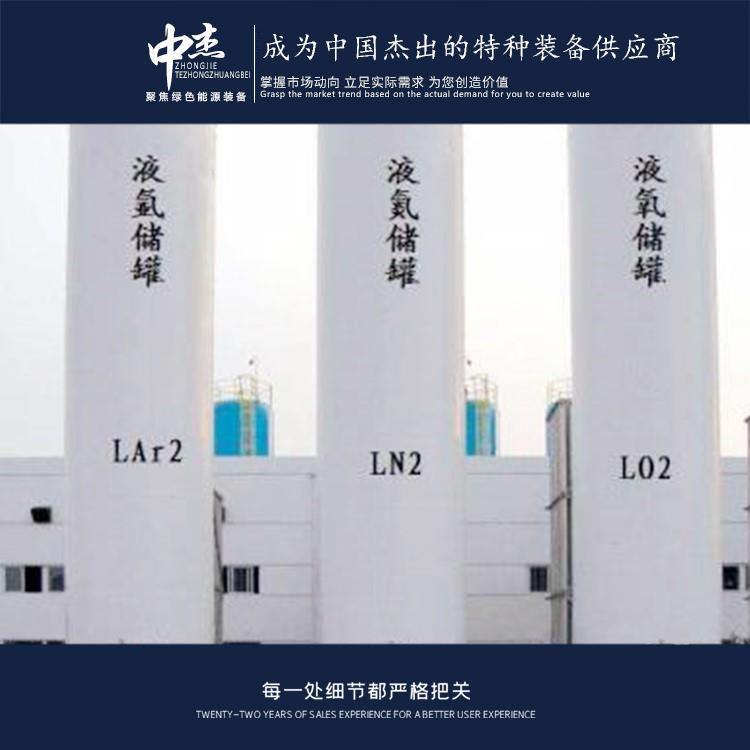

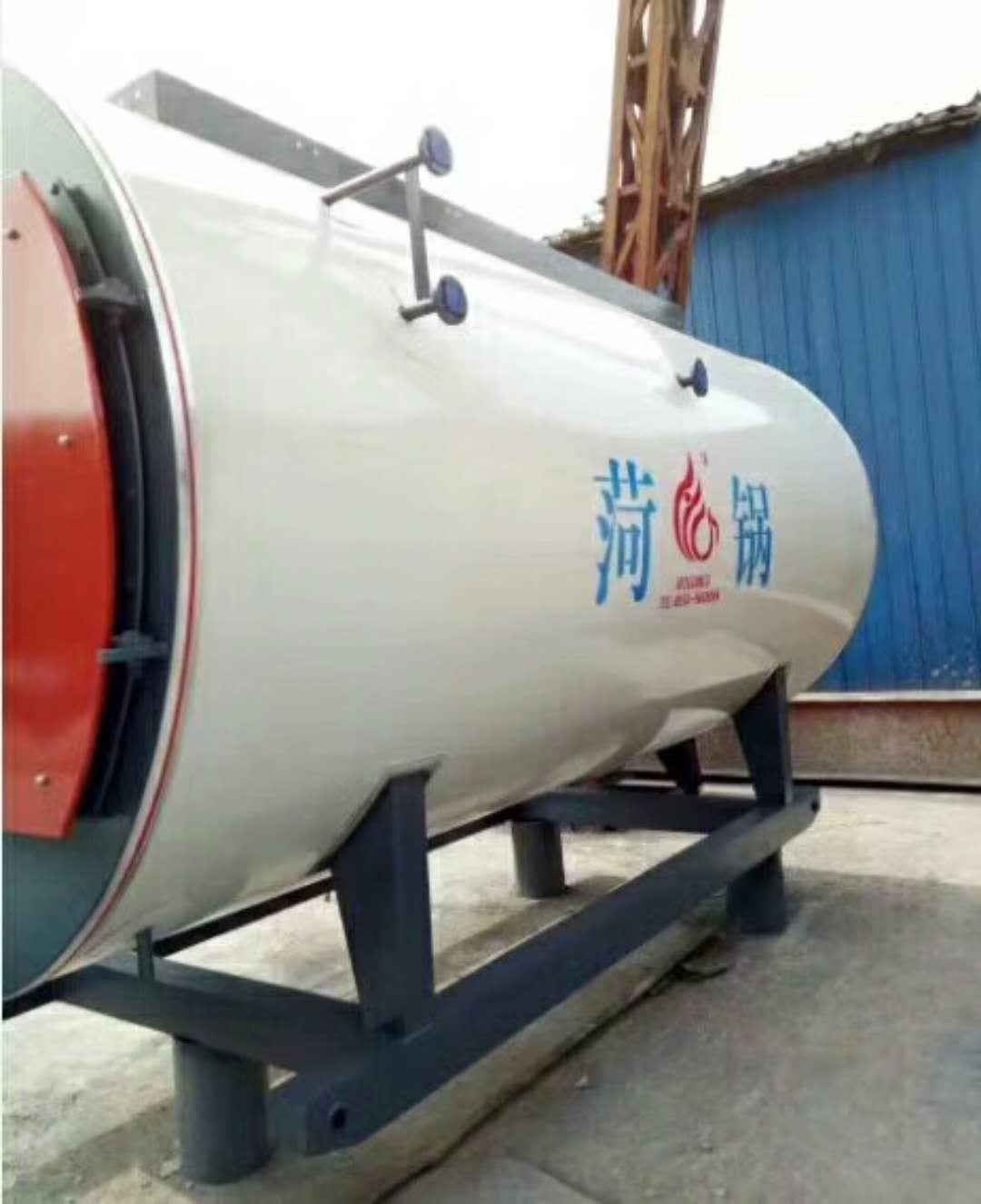



















Shandong Zhongjie Special Equipment (formerly Heze Boiler Factory Co., Ltd.) was established in 2001, located at No. 2218 Jinnan Road, Development Zone, Heze City, with a registered capital of 50 million yuan and total assets of 500 million yuan. The company has 7 business centers: boilers, deep-freeze containers, pressure vessels, central air conditioning, engineering installation, international trade, and the Internet of Things. It has three factory sites on Jinnan Road, East Changjiang Road, and Bohai Road, covering a total area of 200,000 square meters, with the main workshop spanning 83,000 square meters. It currently employs 710 people, including 247 engineers and technicians, and 82 intermediate-level technicians. In December 2016, it was recognized as a "High-tech Enterprise" by the Science and Technology Department. In June 2021, it was identified as a "Specialized and New Enterprise in Shandong Province" by the Department of Industry and Information Technology. In June 2022, it was recognized as a "Gazelle Enterprise in Shandong Province" and in August 2022, it was identified as a "Specialized and New Small Giant Enterprise" by the Ministry of Industry and Information Technology.
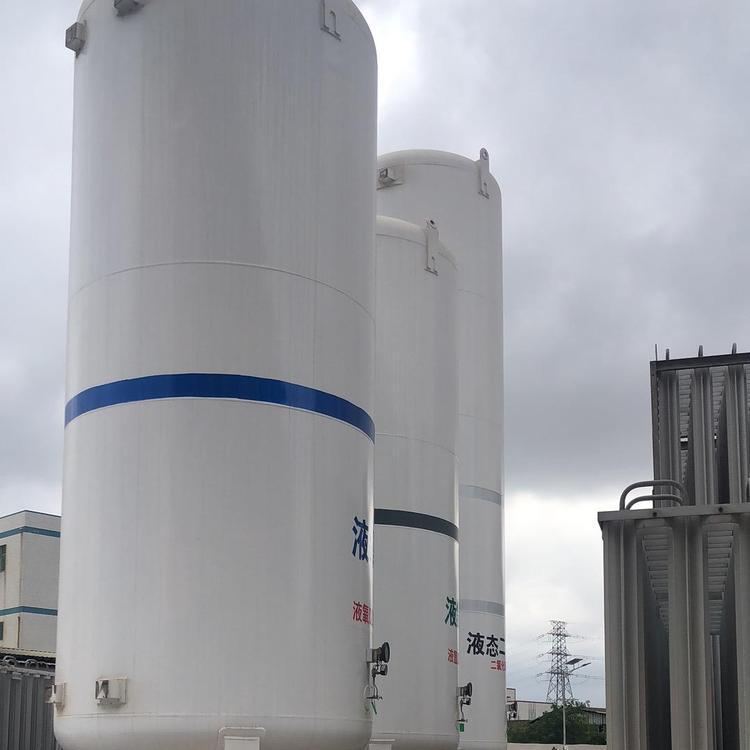
The spacing requirements for carbon dioxide storage tanks are typically governed by relevant safety regulations and standards, with specific spacing requirements potentially varying due to factors such as location, use, and tank capacity. Here are some common spacing rules:
1. Small Spacing Between Tanks: Generally, the small spacing between adjacent tanks should comply with the relevant safety regulations and standards. This spacing ensures that if one tank leaks or has an accident, the adjacent tank is not affected.
2. Spacing Between Tanks and Buildings: The spacing between tanks and buildings must also adhere to the applicable regulations and standards. This spacing ensures that the building is not affected in the event of a tank leak or accident.
3. Spacing Between Tanks and Equipment: The spacing between tanks and other equipment (such as pipelines, pumps, etc.) should also meet the relevant regulations and standards. This spacing ensures the proper operation and maintenance of the equipment.
4. Safety and Evacuation Routes: Sufficient safety and evacuation routes should be provided around the tanks to allow for safe evacuation of personnel during emergencies.
It's important to note that specific spacing rules may vary depending on different regions and industries. Therefore, when installing and using carbon dioxide storage tanks, it is essential to refer to local safety regulations and standards and consult with experts to ensure compliance with the requirements.
Carbon dioxide synthesis is a chemical reaction that utilizes carbon dioxide. This process has several applications:
1. Fertilizer production: It is an essential raw material for manufacturing fertilizers, and carbon dioxide synthesis represents a sustainable production method. By reacting with carbon dioxide, it can synthesize compounds used in nitrogen fertilizers, such as urea. This approach reduces reliance on fossil fuels used in traditional production methods and decreases greenhouse gas emissions.
2. Energy storage: Carbon dioxide synthesis can also serve as a form of energy storage. By reacting with carbon dioxide, energy can be stored in the form of chemical bonds. When energy is needed, the reverse reaction can decompose it into carbon dioxide and, releasing the stored energy.
3. Fuel cells: It can act as a clean fuel for fuel cells. By synthesizing carbon dioxide and using it in fuel cells, electricity can be generated, with only water and nitrogen as byproducts, thus reducing environmental pollution.
4. Chemical synthesis: It is an important raw material for the synthesis of many chemicals. Carbon dioxide synthesis can provide a sustainable supply for the chemical industry, used to synthesize other chemicals, such as etc.
The development of carbon dioxide synthesis technology aims to reduce dependence on fossil fuels used in traditional production methods, decrease greenhouse gas emissions, and promote the development of sustainable energy and the chemical industry. However, this technology is still in continuous development and research, requiring further technological breakthroughs and practical validation to achieve large-scale application.
To maintain the stability of carbon dioxide storage tanks, attention should be given to the following details:
- Foundation Design: The tank's foundation design must comply with relevant standards and regulations, offering sufficient strength and stability. The foundation should consider the tank's weight, pressure, and geological conditions to ensure the tank is securely placed on the foundation.
- Cushioning and Fastening Devices: Appropriate cushioning, such as rubber pads or steel plates, should be placed between the tank and foundation to reduce friction and vibration. Additionally, use fastening devices like bolts or welding to secure the tank to the foundation, preventing movement and tilting.
- Site Leveling: The site where the tank is installed should be kept level, without any significant tilting or unevenness. If there are tilting or uneven areas, adjustments and corrections should be made to ensure the tank's stability.
- Seismic Measures: In areas prone to earthquakes, additional seismic measures are required, such as installing seismic supports and enhancing the tank's seismic resistance to improve stability.
- Regular Inspections: Conduct regular checks of the tank's fastening devices and connection points to ensure they are intact. If loose, worn, or damaged conditions are found, repairs or replacements should be made promptly.
- Load Distribution: Uniformly distribute loads above the tank, such as platforms or pipelines, to balance the weight distribution and reduce the impact of uneven loads on stability.
- Safety Distance: The tank should maintain a sufficient safety distance from other equipment, buildings, and fire sources to prevent accidental collisions or fires from affecting the tank's stability.
It should be noted that the installation of carbon dioxide
Common guidelines for carbon dioxide cylinder management:
Safety Management: Establish comprehensive safety management systems, including operational procedures, emergency response plans, and incident handling protocols. Ensure operators possess the necessary safety knowledge and skills, and conduct regular safety training and drills.
Cylinder Inspection and Maintenance: Regularly inspect the cylinder's exterior, valves, and connections to ensure they are intact. Conduct regular leak detection and pressure tests to ensure the cylinder's safety performance meets requirements.
Level Monitoring and Control: Regularly monitor the cylinder's internal level to ensure adequate carbon dioxide is present. Perform filling or emptying operations as needed to maintain an appropriate level.
Waste Gas Treatment: Handle waste gases produced by carbon dioxide cylinders to prevent environmental pollution. Implement appropriate waste gas treatment measures, such as collection and processing.
Fire and Explosion Prevention Measures: Take fire and explosion prevention measures to ensure the safety of the surrounding environment. Keep away from fire sources, high-temperature areas, and flammable materials, and regularly inspect and maintain fire protection equipment.
Identification and Warning Signs: Clearly mark the cylinder with information such as the type of gas stored and pressure. Set up warning signs around the area to remind personnel of the cylinder's presence and related safety precautions.
Storage Records: Record the cylinder's usage, including filling dates, quantities, and inspection records. Regularly conduct cylinder inspections and maintenance, and retain relevant records.
Regular Review and Improvement: Regularly review cylinder management systems and operational procedures to identify and address issues promptly. Conduct risk assessments and management based on actual conditions to enhance management levels and safety performance.
It should be noted that specific management guidelines may vary depending on cylinder types and applications. When managing carbon dioxide cylinders, operate according to relevant regulations and standards, and consult with experts to ensure safety and effectiveness.
Shandong Zhongjie Special Equipment, welcome customers to our factory for cooperation discussions.
WeChat Official Account

Scan to follow Official Account




















