


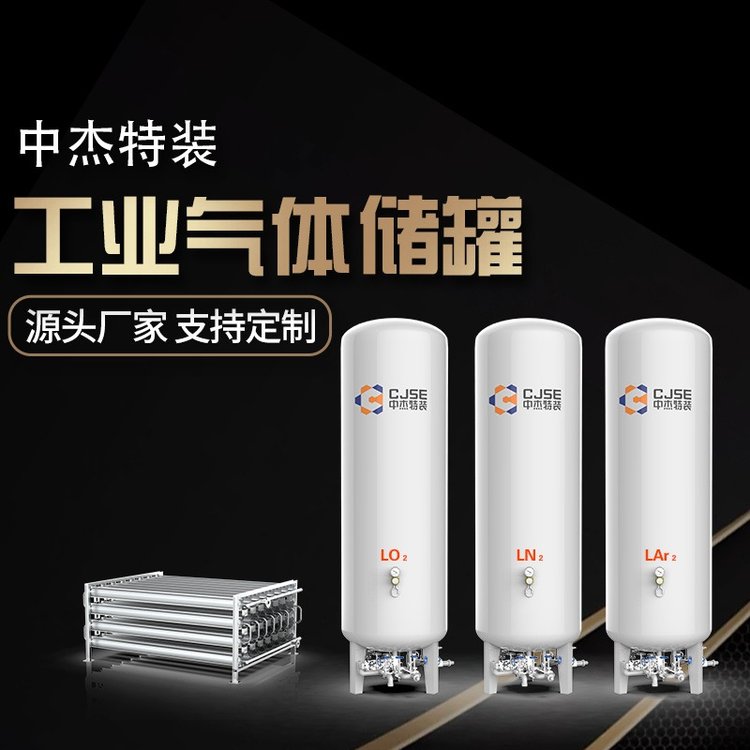


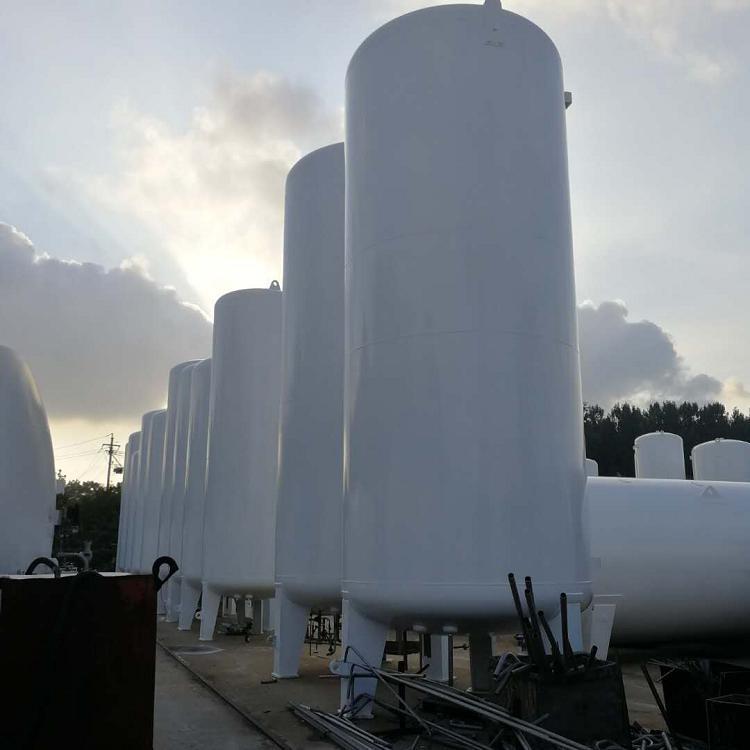



















Shandong Zhongjie Special Equipment Co., Ltd. specializes in the following products: fuel (gas) boilers, organic heat carrier boilers, biomass boilers, waste heat recovery boilers, and other boiler products; vacuum insulation cryogenic pressure vessels such as LNG tanks, oxygen/nitrogen/argon tanks, and CO2 tanks; pressure vessel products including denitrification engineering equipment, heat storage and energy storage equipment, and complete chemical equipment sets; central air conditioning and HVAC equipment such as ground (water) source heat pumps, air source units, water-cooled screw units, and air-cooled modular units. Planned products include large-scale energy centers, LNG transport vehicles, LNG tank containers, and other green energy equipment.
The liquid level of a CO2 storage tank varies based on specific design and operational requirements. Generally, the liquid level in a CO2 liquid storage tank is maintained between 80% and 95%. There are several reasons for keeping the tank level within this range:
- Space Reserve: Maintaining a certain level of liquid space provides steam space inside the tank, preventing over-pressurization and the risk of tank explosion.
- Storage Capacity: Keeping a higher level maximizes the tank's capacity, allowing for more CO2 storage.
- Stable Supply: Maintaining an appropriate level ensures a stable CO2 supply to meet usage demands.
However, specific level requirements may vary depending on different applications and industries. When using a CO2 storage tank, follow the manufacturer's recommendations and relevant regulations and standards to ensure the tank's level is controlled within a safe and appropriate range.
When using carbon dioxide tanks, pay attention to the following aspects:
Safety Operation: Operators must receive training to understand the characteristics, operational requirements, and safety measures of carbon dioxide tanks. Adhere to relevant safety operation procedures and standards to ensure operational safety.
Tank Inspection: Regularly inspect the tank's appearance, sealing, valves, and pipeline connections before use. Promptly repair or replace any abnormalities or damages.
Tank Placement: Place the tank in a well-ventilated, dry, and fire-free area. Avoid direct sunlight and high temperatures to prevent overheating.
Leak Prevention: Ensure that the valves and pipeline connections are sealed properly to prevent carbon dioxide leaks. Regularly check and replace seals, and promptly address any leaks.
Pressure Control: Maintain the internal pressure within a safe range. Check the pressure gauge and safety valve before use to ensure proper operation. Avoid excessive or low pressure to prevent safety accidents.
Fire Prevention Measures: Carbon dioxide is flammable. Take fire prevention measures during use. Smoking, open flame operations, or placing flammable items near the tank are prohibited.
Exhaust Emission: Properly discharge the exhaust generated during the use of carbon dioxide tanks to avoid CO2 accumulation in enclosed spaces, which could lead to asphyxiation and safety risks.
Emergency Response Plan: Develop and implement an emergency response plan, including procedures for leak incidents, evacuation, and first aid measures. Operators should be familiar with the plan and conduct drills regularly.
Note that carbon dioxide tanks should only be used by trained personnel following relevant safety operation procedures and standards. Seek advice and guidance from experts.
When using CO2 storage tanks, pay attention to the following aspects:
- Safe Operation: Adhere to relevant safety operation procedures and standards, ensuring that operators possess the necessary safety knowledge and skills. When using the tank, be mindful of safety risks such as leaks, explosions, and fires.
- Tank Pressure Control: Monitor and control the tank's pressure to ensure it remains within a safe range. Avoid exceeding the tank's rated pressure to prevent rupture or leakage.
- Level Monitoring: Regularly monitor the liquid level within the tank to ensure an adequate supply of CO2. Avoid overfilling or underfilling to maintain an appropriate level.
- Anti-static Measures: Implement anti-static measures to prevent static buildup and discharge. Use anti-static equipment and tools to ensure static safety during operations.
- Tank Maintenance: Conduct regular inspections and maintenance on the tank, including the exterior, valves, and fittings. Ensure the tank is in good condition to prevent leaks and damage.
- Waste Gas Management: Handle waste gases produced by CO2 storage tanks to avoid environmental pollution. Adopt appropriate waste gas treatment measures, such as collecting and processing waste gases.
- Storage Records: Document the usage of the tank, including filling dates, filling quantities, and inspection records. Regularly perform tank inspections and maintenance, and retain relevant records.
- Training and Awareness: Train operators to enhance their awareness and ability to safely operate CO2 storage tanks. Conduct regular safety training and drills to prepare for emergencies.
- Note: The above are common precautions, and specific considerations may vary depending on the type of tank and application. When using CO2 storage tanks, operate according to relevant regulations and standards, and consult with experts to ensure safety and effectiveness.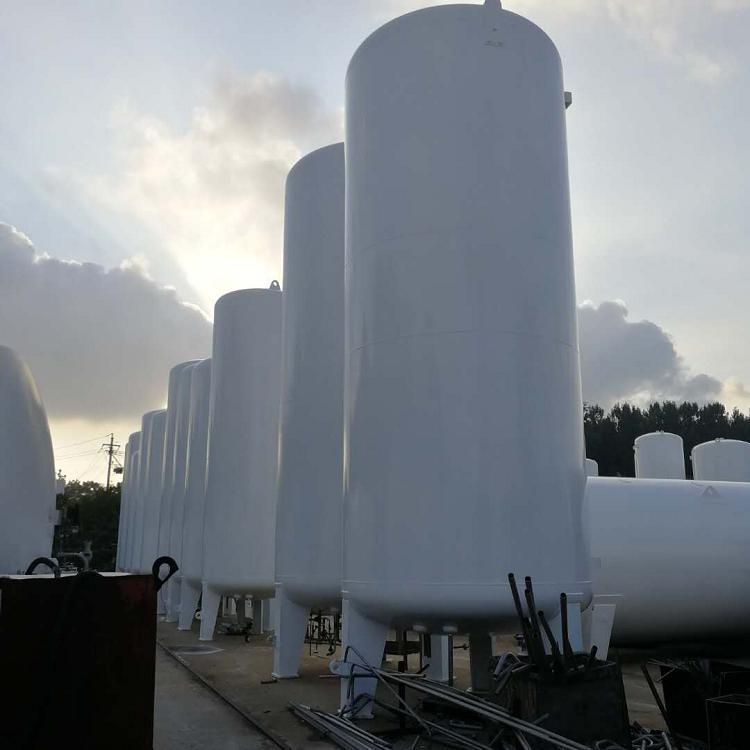
In the event of a CO2 storage tank leak, immediate action should be taken as follows: Ensure personnel safety: First, ensure that people evacuate the leak area quickly and move away from any potential hazards. If necessary, use appropriate personal protective equipment, such as respirators and protective suits. Cut off the gas source: As soon as possible, shut off the CO2 supply source to stop further leakage. Close the relevant valves or switches, or disconnect the connection to the tank. Prevent ignition sources: Ensure there are no open flames or other potential heat sources that could cause a fire in the leak area. If there is a fire risk, take appropriate fire-fighting measures immediately. Ventilation: Activate ventilation equipment to increase air circulation, which helps dilute and expel the leaked CO2 gas. Ensure that the ventilation equipment is operating properly and that the ventilation system does not introduce CO2 gas into other areas. Seal the leak point: If possible, attempt to seal the leak point using suitable materials or methods to reduce or stop the leakage. This may require assistance from personnel. Notify relevant departments: Promptly inform the relevant emergency departments, environmental protection departments, or related agencies, report the leak situation, and act according to their instructions. Please note that handling a CO2 storage tank leak is a dangerous task and should be performed by trained and experienced personnel. Always follow relevant safety operating procedures and guidelines during the process.
Zhongjie Special Equipment adheres to the grand vision of "realizing employees' dreams, creating value for customers, and striving for the prosperity and strength of our motherland," and is dedicated to the development of the green energy equipment industry. We offer society high-quality and cost-effective products and services!
WeChat Official Account

Scan to follow Official Account




















