


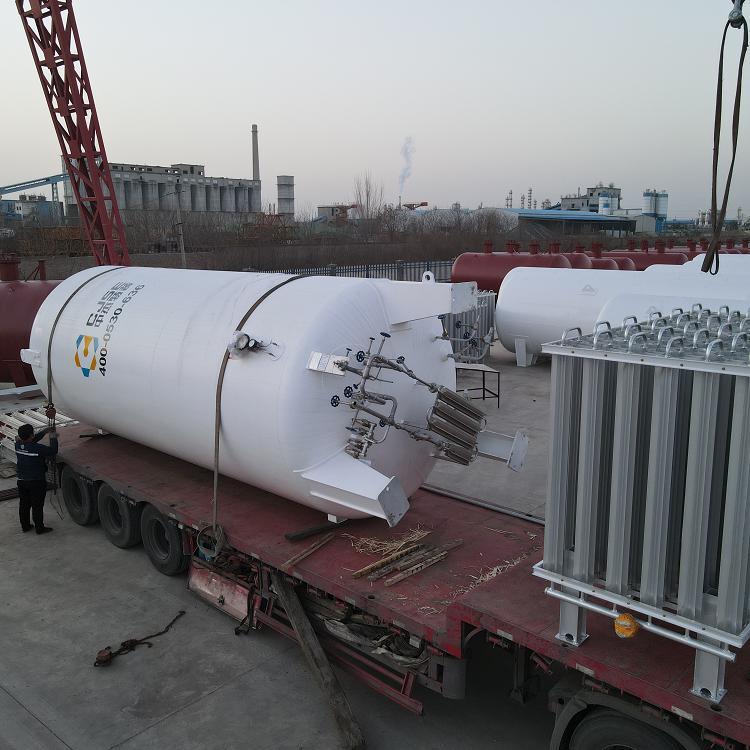

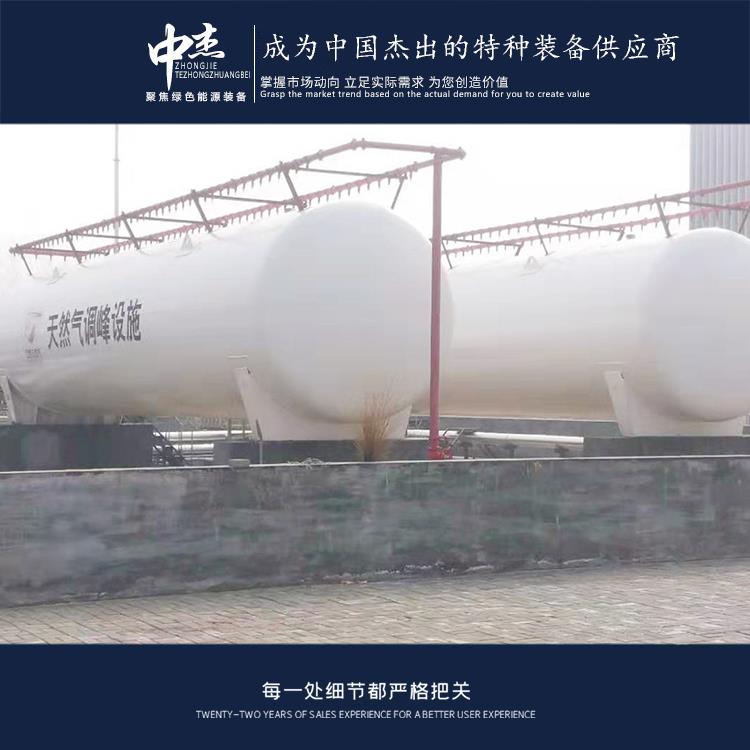
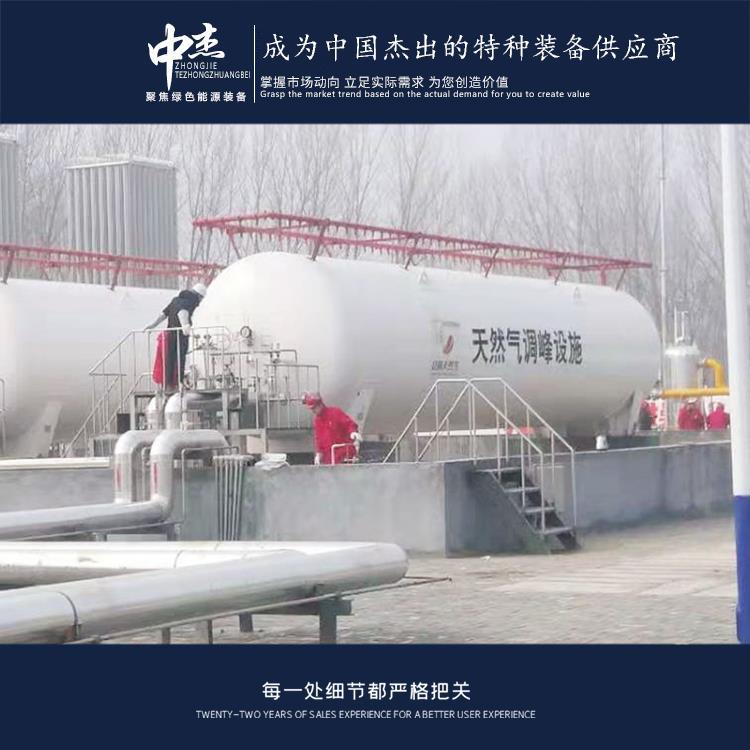



















Shandong Zhongjie Special Equipment Co., Ltd. specializes in the following products: fuel (gas) boilers, organic heat carrier boilers, biomass boilers, waste heat recovery boilers, and other boiler products; vacuum insulation cryogenic pressure vessels such as LNG storage tanks, oxygen/nitrogen/argon storage tanks, and CO2 storage tanks; pressure vessel products including denitrification engineering equipment, heat storage and energy storage equipment, and complete chemical equipment; central air conditioning and HVAC equipment such as ground (water) source heat pumps, air source units, water-cooled screw units, and air-cooled modular units. Planned products include large-scale energy centers, LNG transport vehicles, LNG tank containers, and other green energy equipment.
Possible reasons for increased liquid nitrogen loss in storage tanks may include:
Evaporation Loss: Liquid nitrogen is a low-temperature liquid with a boiling point of -196 degrees Celsius. Even under good insulation conditions, liquid nitrogen will evaporate. Therefore, the main source of liquid loss in nitrogen storage tanks is due to evaporation. If the insulation layer of the tank is damaged or the insulating performance is poor, the evaporation loss will increase.
Leakage: Leaks in liquid nitrogen storage tanks can also lead to increased liquid loss. Leaks may occur at the tank's interfaces, valves, pipes, and other areas. Leaks can be caused by equipment aging, material fatigue, improper operation, and other reasons.
Improper Operation: Incorrect operation and maintenance may also lead to increased liquid nitrogen tank liquid loss. For example, frequently opening the tank's lid, keeping the lid open for extended periods, and failing to repair leaks in a timely manner.
Environmental Factors: Environmental elements can also affect the liquid nitrogen tank's liquid loss. For instance, high-temperature environments can degrade the tank's insulating performance, thereby increasing evaporation loss.
To minimize liquid nitrogen loss in storage tanks, the following measures can be taken:
Ensure the insulation of the tank is intact, and perform regular inspections and maintenance on the insulation.
Regularly inspect the tank's interfaces, valves, pipes, and other components to ensure good sealing performance and prevent leaks.
Strictly control the frequency and duration of tank openings to prevent unnecessary liquid evaporation.
Avoid using liquid nitrogen tanks in high-temperature environments, or take measures to maintain a low surrounding environment temperature.
It should be noted that liquid nitrogen storage tank liquid loss is unavoidable, but with reasonable operation and maintenance, it can be reduced to a minimum.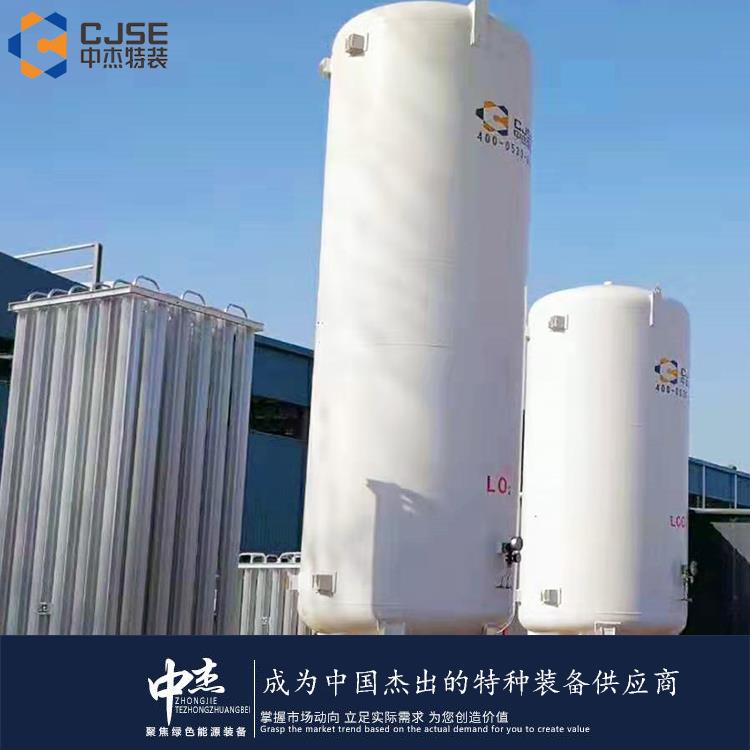
The medical oxygen steel cylinder filling area, in addition to the liquid oxygen storage tank, includes the following components:
Oxygen Compressor: Oxygen compressors are used to compress gaseous oxygen into high-pressure oxygen. These compressors are typically made with special materials and designs to ensure safe handling and compression of oxygen.
Oxygen Purification System: The oxygen purification system is designed to remove impurities and contaminants from oxygen, ensuring the purity and quality of the supplied oxygen. The system typically includes filters, adsorbents, and molecular sieves.
Oxygen Storage System: In addition to liquid oxygen tanks, the oxygen filling area may also include a gaseous oxygen storage system for temporary storage and supply of gaseous oxygen. The gaseous oxygen storage system typically consists of high-pressure oxygen cylinders or gas storage tanks.
Filling Equipment: Filling equipment is used to transfer oxygen from liquid oxygen storage tanks or gaseous oxygen storage systems into medical oxygen steel cylinders. The filling equipment typically includes filling machines, filling pipelines, and filling control systems.
Oxygen Quality Monitoring System: The oxygen quality monitoring system is used to monitor the quality and purity of oxygen being filled. Quality checks and monitoring are conducted on the filled oxygen through an oxygen analyzer or other detection equipment.
Safety Facilities: The filling area should be equipped with corresponding safety facilities, such as fire alarm systems, oxygen leak detection systems, and ventilation systems, to ensure the safety and protective measures of the filling process.
It is essential that the design and equipment configuration of the medical oxygen cylinder filling facility comply with relevant regulations, standards, and specifications. During the filling process, strict adherence to operational procedures and safety requirements must be maintained to ensure the safe supply of oxygen.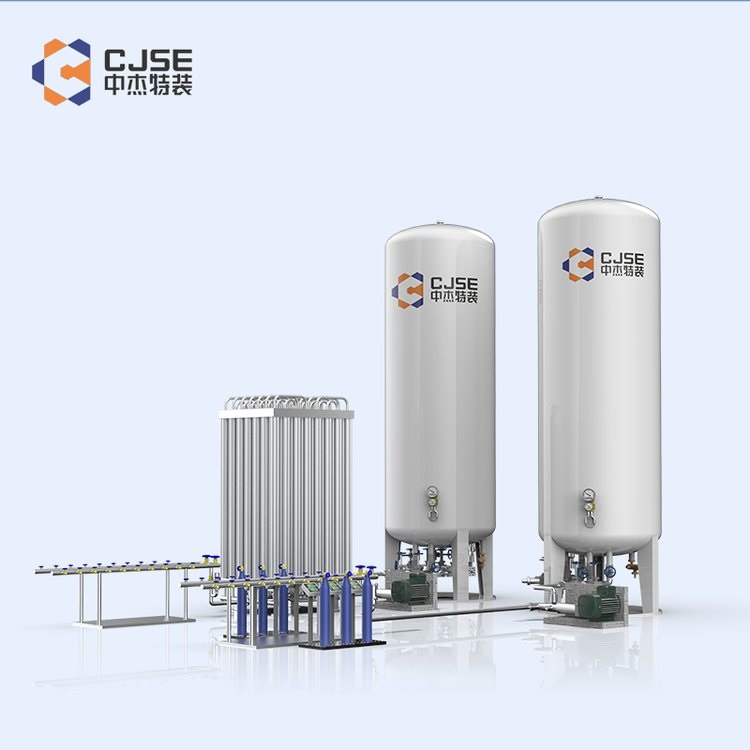
During the operation of low-temperature liquid storage tanks, the following points should be noted:
Protective Gear: When handling low-temperature liquid storage tanks, it is mandatory to wear appropriate protective gear, including gloves, protective clothing, and anti-slip shoes. This gear safeguards the skin from damage caused by low-temperature liquids.
Avoid direct contact: Low-temperature liquids can be cold and may cause discomfort. Hence, it is advisable to avoid direct contact with low-temperature liquids, especially with the skin. Use tools or equipment for handling to prevent direct hand contact with low-temperature liquids.
Ventilation Requirements: In the operational area of low-temperature liquid storage tanks, adequate ventilation must be ensured to expel gases produced by the evaporation of low-temperature liquids. Maintain air circulation to avoid excessive oxygen concentration, and reduce the risk of fire and explosion.
Prevent Leaks: Regularly inspect low-temperature liquid storage tanks for leaks, and equip with leak detectors and alarm systems. In case of a leak, take immediate action to control and repair it. Avoid the hazards of low-temperature liquid leaks to personnel and the environment.
Fire Prevention Measures: Low-temperature liquids have lower boiling and freezing points, making them prone to fires. To prevent and contain fires, fire walls and fire-retardant coatings should be installed around low-temperature liquid storage tanks.
Static Protection: Handling low-temperature liquids may generate static electricity, increasing the risk of sparks causing fires. Measures such as using static-conductive materials and anti-static equipment should be taken to reduce the accumulation and release of static electricity.
Regular Inspections and Maintenance: Conduct regular checks on the condition of low-temperature liquid storage tanks and related equipment, including valves, pipes, pressure gauges, etc. Ensure that the equipment is in perfect condition, and promptly repair or replace any damaged parts.
Waste Gas Treatment: During the process of using low-temperature liquids, waste gas is produced. Appropriate waste gas treatment measures must be taken to minimize environmental impact.
Above are the precautions to be taken when using low-temperature liquid storage tanks, ensuring safe operation and normal tank function. During operation, strictly adhere to the relevant operational procedures and safety requirements.
The safe placement of liquid oxygen tanks is a crucial measure to ensure they do not pose a danger to the surrounding environment and personnel during use. The following are the safety requirements for the placement of liquid oxygen tanks:
Safety Distance: Liquid oxygen storage tanks should maintain a certain distance from other buildings and equipment. This is to ensure effective control and reduction of environmental impact in the event of a tank leak or fire.
Fire and explosion prevention measures: Liquid oxygen tanks should be placed in a fire-resistant area, away from open flames, high-temperature sources, and flammable materials. The surrounding area should be equipped with fire and explosion prevention facilities, such as fire extinguishers and foam sprinkler systems, to address potential fire risks.
The liquid oxygen tank should be placed on a solid, flat foundation to ensure stability. The bottom of the tank should make full contact with the ground to prevent tilting or rocking of the tank.
Ventilation Requirements: Liquid oxygen tanks should be placed in a well-ventilated area to ensure the normal circulation of gas emissions and oxygen supply. There should be no obstructions around the tank that could hinder gas flow.
Labeling and Warning: Oxygen liquid storage tanks should be clearly labeled with information such as the stored medium, capacity, and pressure. Warning signs and safety alerts should be posted in the surrounding area to remind personnel of the presence and potential hazards of the oxygen liquid storage tank.
Regular inspections and maintenance: Liquid oxygen tanks should be regularly inspected and maintained, including checking the tank's appearance, sealing, and corrosion prevention measures. Any issues found should be repaired or the tank replaced promptly to ensure proper operation and safety.
Note that the safety requirements for the placement of liquid oxygen tanks may vary depending on the region and industry. When placing a liquid oxygen tank, it is essential to comply with relevant regulations, standards, and safety procedures, and to establish appropriate safety measures based on the specific situation. If unfamiliar with or have doubts about the safety placement requirements, it is recommended to consult experts or relevant institutions for guidance.
Shandong Zhongjie Special Equipment, welcome customers to our factory for business discussions.
WeChat Official Account

Scan to follow Official Account




















