


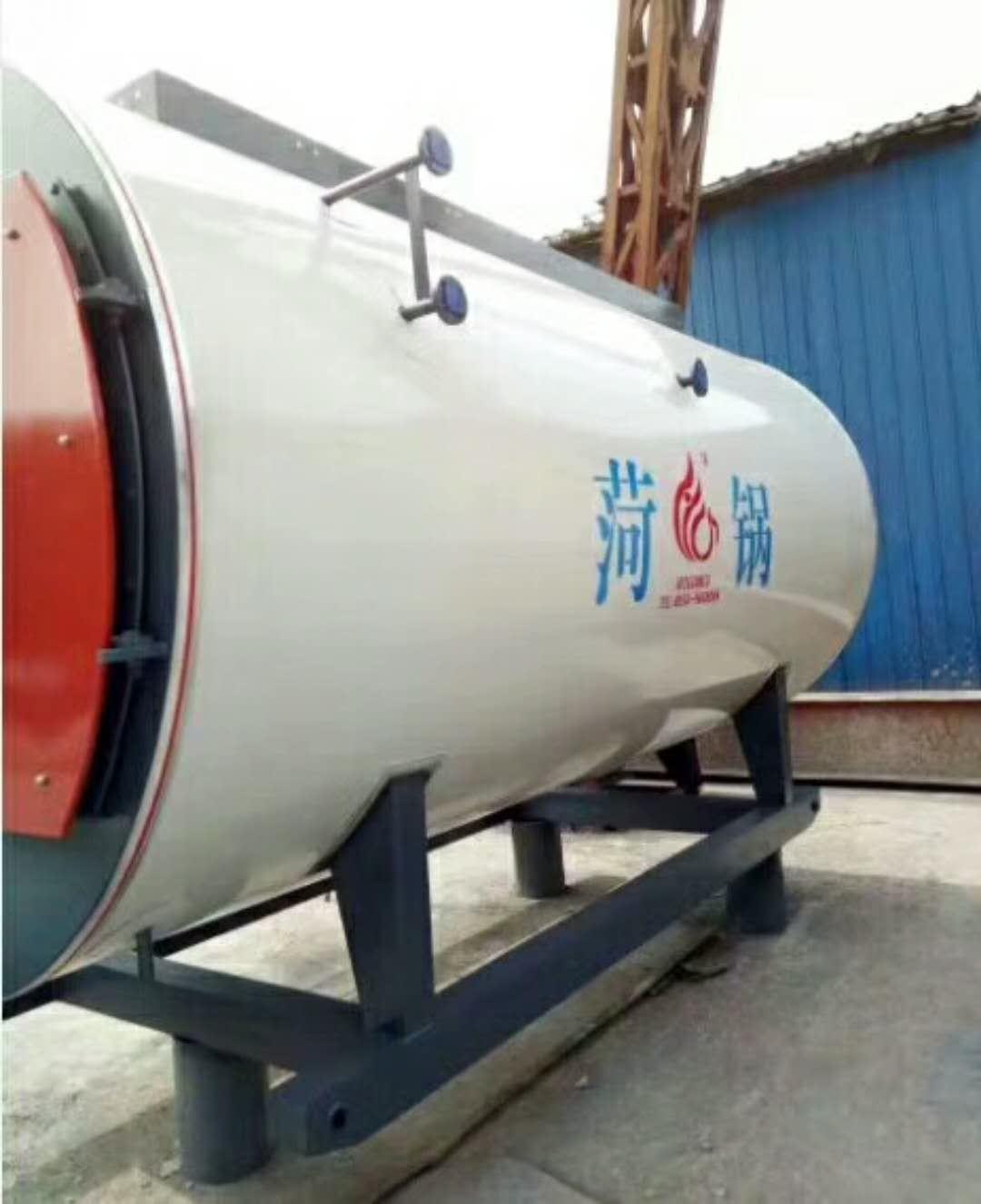

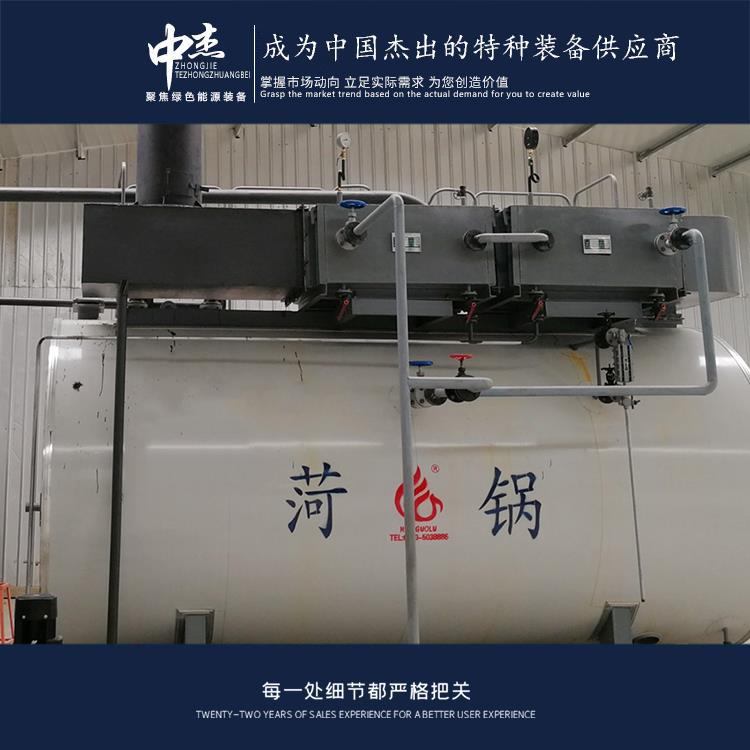



















Shandong Zhongjie Special Equipment's main products include: fuel (gas) boilers, organic heat carrier boilers, biomass boilers, waste heat boilers, and other boiler products; vacuum insulation cryogenic pressure vessels such as LNG tanks, oxygen/nitrogen/argon tanks, and CO2 tanks; pressure vessel products such as denitrification engineering equipment, heat storage and energy storage equipment, and complete chemical equipment; central air conditioning and HVAC equipment such as ground (water) source heat pumps, air source units, water-cooled screw units, and air-cooled modular units. Planned products include large-scale energy centers, LNG transport vehicles, LNG tank containers, and other green energy equipment.
Steam boiler equipment water treatment refers to the processing of water within steam boilers to ensure normal operation and extend the lifespan of the equipment. Here are some basic principles of steam boiler equipment water treatment:
Water Quality Requirements: The water quality in steam boilers is of high demand, typically requiring the removal of impurities, dissolved oxygen, and hard substances. Impurities and hard substances can cause scaling and corrosion on the inner walls of the boiler, while dissolved oxygen can lead to corrosion and the formation of bubbles.
Removal of Impurities: Common methods to remove impurities from water include sedimentation, filtration, and ion exchange. Sedimentation involves adding chemicals to make impurities settle, filtration removes impurities through a filtering medium, and ion exchange removes water impurities by adsorption and ion exchange through resin.
Hardness Adjustment: The hardness substances in water are mainly salts of calcium and magnesium, which can cause scaling on the inner walls of the boiler. Hardness can be adjusted by adding chemicals or using water softening equipment to prevent scaling issues.
Dissolved Oxygen Removal: Dissolved oxygen can cause corrosion and the formation of bubbles. It can be removed by adding oxidants or using deaeration equipment.
pH Control: The pH level of water in steam boilers affects equipment corrosion and scaling. It is generally necessary to maintain the water pH within an appropriate range, using buffering agents or regulators to adjust the pH.
Regular Testing and Maintenance: Regular water quality testing of steam boiler equipment, including measuring hardness, dissolved oxygen, and pH levels, is required. Maintenance measures and water treatment should be implemented based on the test results.
Steam boiler equipment water treatment is a crucial step in ensuring normal operation and extending the lifespan of the equipment. Rational water treatment measures can effectively prevent scaling, corrosion, and equipment failure within the boiler.
Safety requirements for steam boiler valves mainly include the following aspects: Valve Selection: Choose the appropriate type and specification of valves for steam boilers. Valves must comply with relevant standards and specifications, and possess characteristics such as high-temperature resistance, pressure resistance, and corrosion resistance. Valve Installation: Valves should be installed correctly at the corresponding positions on the steam boiler. During installation, ensure that the connections are secure and the seals are reliable to prevent leaks and loosening. Valve Operation: The operation of valves should be easy and flexible, allowing for accurate control of steam flow and pressure. The handle or device should indicate the opening and closing directions of the valve, as well as the corresponding operation methods. Valve Sealing: The sealing performance of valves is crucial. Valves should have good sealing properties to prevent steam leakage and energy loss. The sealing surfaces should be flat and smooth, and able to withstand high temperatures and wear. Valve Maintenance: Regularly inspect and maintain valves to ensure their normal operation and safety performance. This includes cleaning valves, checking sealing surfaces, lubricating moving parts, and promptly repairing or replacing damaged components. Safety Valve: A safety valve must be installed on the steam boiler to protect its safe operation. The safety valve must comply with relevant standards and specifications and should automatically open to release overpressure steam when exceeding the set pressure, preventing boiler explosion. Valve Identification: Valves should be marked with their type, specification, working pressure, and flow rate information. This helps operators correctly identify and operate valves, avoiding incorrect operations and accidents. It should be noted that the above safety requirements are general guidelines, and specific safety requirements should be determined based on the type, scale, and operating environment of the steam boiler. When using valves, follow relevant laws, regulations, and safety operation procedures to ensure the safe and effective operation of valves.
To achieve sensitive and energy-efficient performance in gas-fired hot water boilers, the following measures can be taken:
Regular maintenance and cleaning: Schedule regular maintenance and cleaning of the gas-fired hot water boiler, including cleaning the burner, flue, and heat exchanger components. This ensures the efficiency of the combustion process and heat transfer, reducing energy waste.
Smart control system: Install a smart control system to automatically regulate and optimize the operation of the gas-fired hot water boiler through temperature and pressure control. The smart control system can adjust the burner's operating status based on actual needs, avoiding excessive heating and energy waste.
Energy-saving equipment and technology: Implement energy-saving equipment and technology, such as heat recovery units and flue gas waste heat utilization systems. These devices and technologies can recover and utilize the excess heat from the flue gas emitted by the boiler, enhancing energy utilization efficiency.
Water quality management: Manage the water quality of the gas-fired hot water boiler appropriately to prevent the accumulation of scale and dirt. Scale and dirt can reduce the heat transfer efficiency of the heat exchanger and increase energy consumption. Regular water quality testing and treatment help maintain clean water quality, contributing to improved boiler energy efficiency.
Good insulation and sealing: Ensure that the gas-fired hot water boiler has good insulation and sealing properties. The selection and maintenance of insulation materials, as well as the sealing of pipes and valves, can reduce heat loss and enhance the boiler's energy efficiency.
Regular monitoring and optimization: Regularly monitor the operation of the gas-fired hot water boiler, analyze energy consumption and efficiency indicators. Based on the monitoring results, make optimization adjustments to improve the boiler's energy efficiency.
By integrating the above measures, gas-fired hot water boilers can achieve sensitive energy efficiency, enhancing energy utilization.
The decline in the consumption of thermal oil boilers can be attributed to several factors:
1. Combustion Technology: Modern thermal oil boilers utilize advanced combustion techniques, such as premixed combustion and afterburning, which ensure complete fuel combustion, enhancing thermal energy utilization and reducing energy consumption.
2. Heat Recovery: Thermal oil boilers typically generate a significant amount of excess heat during flue gas emissions. By employing heat recovery systems like flue gas heat recovery boilers or heat exchangers, the excess heat in flue gases can be recovered and utilized, improving energy efficiency and reducing consumption.
3. Intelligent Control Systems: Modern thermal oil boilers are equipped with intelligent control systems capable of real-time monitoring and adjustment of operating parameters like temperature, pressure, and flow rate. This control and adjustment enable the boiler to operate at optimal conditions, avoiding unnecessary energy waste and loss.
4. Energy-saving Retrofitting and Optimization: For older thermal oil boilers, energy-saving retrofitting and optimization can be performed. This includes installing energy-saving equipment such as variable-speed drives and modified burners to enhance equipment energy efficiency. Additionally, optimizing the boiler system, such as improving pipe insulation and reducing leaks, can minimize energy loss.
5. Energy Management and Maintenance: Effective energy management and regular equipment maintenance are crucial factors in reducing energy consumption. Rational energy management measures, such as energy monitoring, metering, and promoting energy-saving awareness, can identify and resolve energy waste issues. Regular equipment maintenance and care ensure proper operation and prevent unnecessary energy loss.
In summary, the decline in energy consumption of thermal oil boilers can be achieved through combustion technology, heat recovery, intelligent control, energy-saving retrofitting, and effective energy management.
Shandong Zhongjie Special Equipment, welcome customers to visit our factory for business discussions.
WeChat Official Account

Scan to follow Official Account




















