


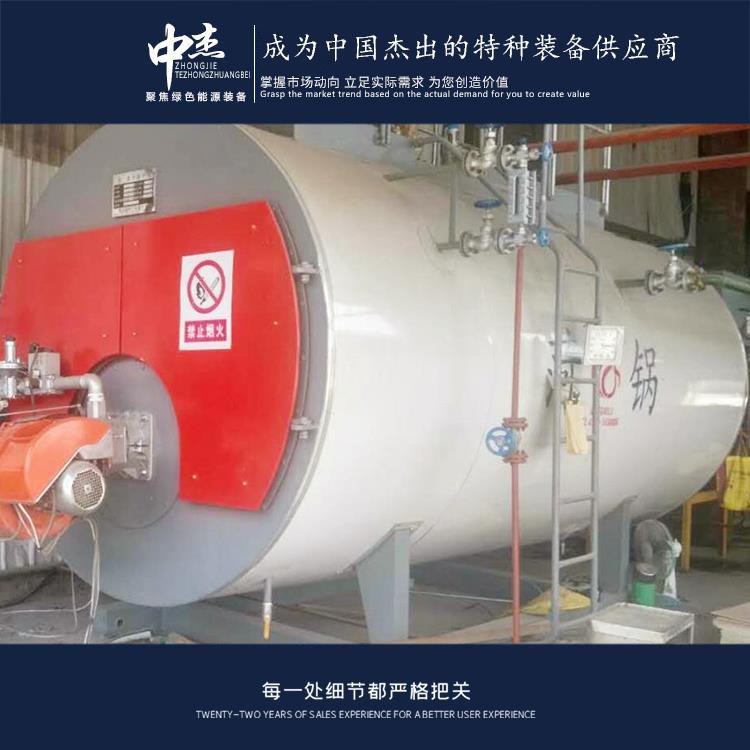

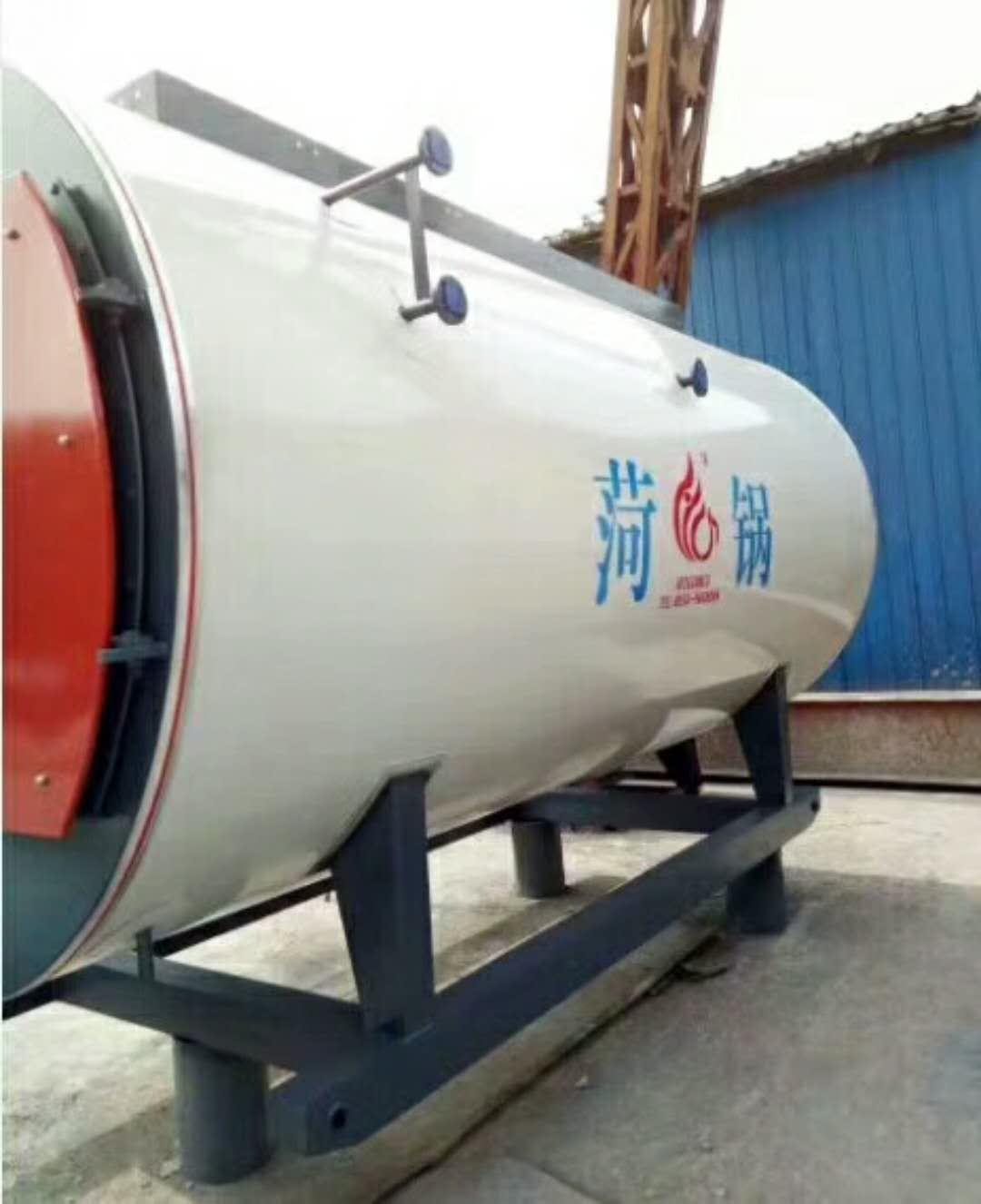
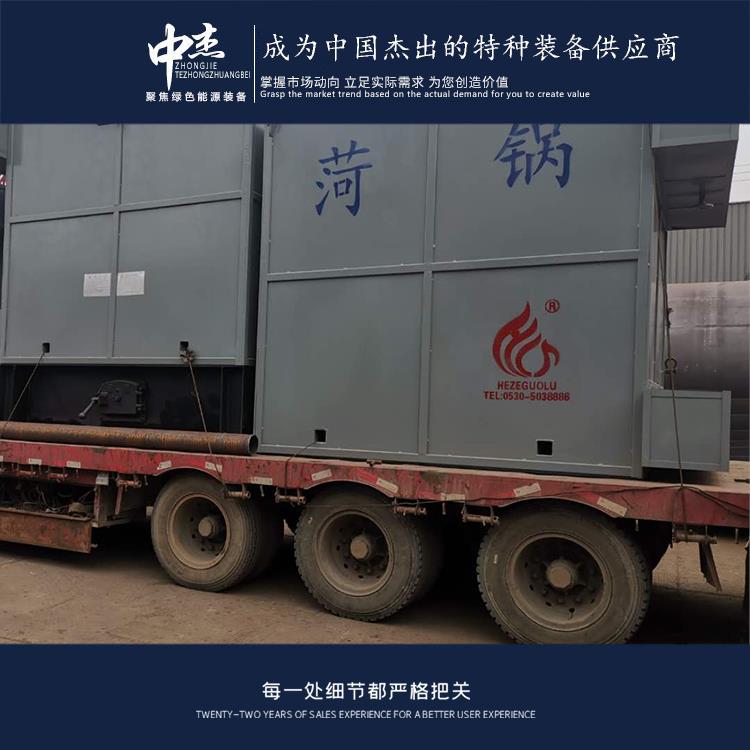



















Shandong Zhongjie Special Equipment (formerly Heze Boiler Factory Co., Ltd.) holds an A-grade boiler manufacturing license, an A2-grade pressure vessel manufacturing license, an A2-grade pressure vessel design license, a B-grade boiler installation license, and GB2/Class, GC2/Class pressure pipeline installation licenses, as well as a mechanical and electrical equipment installation contracting qualification. It is a member of the China Boiler and Water Treatment Association, the China Chemical Equipment Association, and the director unit of the Shandong Equipment Manufacturing Association. The company has also passed the ISO9001 Quality Management System, ISO14001 Environmental Management System, OHSAS18001 Occupational Health and Safety Management System certifications, and the American ASME/U2 certification.
Industrial boilers, during their long-term operation, can accumulate scale and sediments, affecting heat exchange efficiency and the normal operation of the boiler. Here are some effective descaling methods:
1. Mechanical Cleaning: Utilizing cleaning equipment and tools, scale and sediments within the boiler are removed through high-pressure water or mechanical brushing. This method is suitable for lighter scale and sediment build-up.
2. Chemical Cleaning: Employing chemical cleaning agents, scale and sediments are dissolved through chemical reactions. Select an appropriate cleaning agent based on the composition and nature of the scale, and follow the instructions provided. Safety operation is crucial to avoid damage to equipment and the environment.
3. Acid Cleaning: Acid cleaning is a common descaling method used for certain types of scale and sediments that are difficult to dissolve. Common acid cleaning agents include, etc., choose the appropriate cleaning agent and concentration based on the specific situation. Safety operation is a must to prevent harm to equipment and personnel.
4. Alkaline Cleaning: Alkaline cleaning is a descaling method for specific types of scale, suitable for alkaline scale. Common alkaline cleaning agents include, etc., select the appropriate cleaning agent and concentration based on the specific situation. Safety operation is necessary to avoid harm to equipment and personnel.
5. Physical Descaling: Physical descaling methods include ultrasonic cleaning and electrolytic descaling. Ultrasonic cleaning uses the vibration effect of ultrasound to shake and break the scale. Electrolytic descaling utilizes the principle of electrolysis to dissolve scale through the action of electricity. These physical descaling methods are suitable for special situations and types of scale.
When selecting a descaling method, consider the specific conditions of the boiler.
When designing a fuel-gas boiler room, the following points should be taken into consideration:
Safety Considerations: Ensure the design of the boiler room complies with relevant safety standards and regulations. Consider fire risks and install appropriate firewalls, fire doors, and fire isolation facilities. Ensure good ventilation in the boiler room, with suitable ventilation equipment and flue systems to expel harmful gases produced by combustion.
Space and Layout: Plan the space and layout of the boiler room based on the number and size of the boilers. Ensure there is sufficient space for operation, maintenance, and cleaning. Arrange the boilers, fuel storage equipment, flue systems, and pipe layouts in a manner that facilitates operation and maintenance.
Fuel Supply and Storage: Consider the requirements for fuel supply and storage. Ensure the safety and reliability of fuel supply pipelines and equipment to prevent leaks and contamination. Plan the capacity and location of fuel storage equipment reasonably to ensure an adequate fuel supply and compliance with relevant safety requirements.
Emission and Exhaust Gas Treatment: Consider the emission and treatment of exhaust gases produced by combustion. Install appropriate flue systems and exhaust gas treatment equipment to minimize the impact of emissions on the environment. Ensure the design and layout of the flue system are reasonable and can effectively expel smoke and exhaust gases.
Control and Monitoring Systems: Design suitable control and monitoring systems to ensure the safety and operation of the boiler. This includes monitoring and control equipment for parameters such as temperature, pressure, and flow, as well as alarm and automatic shutdown devices. Ensure operators can promptly understand the operating status of the boiler and take appropriate actions.
The temperature control methods for gas boilers typically include:
Manual Adjustment: Adjust the temperature of a gas boiler by manually operating valves or regulators. Adjust the valve opening or regulator settings as needed to reach the desired temperature.
Automatic Adjustment: Gas boilers can be equipped with an automatic control system that uses sensors and controllers for automatic temperature regulation. Sensors detect the boiler's temperature and send signals to the controller, which then automatically adjusts the gas supply and burner status within a set temperature range to maintain the desired temperature.
Proportional Control: Temperature regulation for gas boilers can also be achieved through proportional control. Adjust the valve or regulator opening based on temperature changes to maintain a proportional relationship between gas supply and burner status.
PID Control: PID control is a commonly used temperature regulation method. The PID controller adjusts the gas supply and burner status based on temperature deviation, rate of change, and integral values to achieve temperature control.
It's important to note that different gas boilers may use different temperature control methods. The specific control method and operation should be determined according to the boiler model and control system. When adjusting the temperature, follow safety operating procedures to ensure normal operation and safety performance of the boiler.
When selecting a thermal oil heater for the rubber industry, pay attention to the following aspects:
- Temperature requirements: Determine the required working temperature range based on the process needs of the rubber industry. Ensure the thermal oil heater can stably provide the required working temperature.
- Heat load: Calculate the required heat load based on the production scale and process requirements of the rubber industry. Ensure the thermal oil heater's heat load meets the industry's needs.
- Thermal efficiency: The thermal efficiency of the thermal oil heater directly affects energy consumption and operating costs. Consider the thermal efficiency and choose energy-saving products.
- Safety: The safety of the thermal oil heater is crucial. Choose a heater with comprehensive safety protection devices and an automatic control system to ensure safe and reliable operation.
- Maintenance: Proper maintenance is crucial for extending the lifespan and ensuring smooth operation of the thermal oil heater. Consider the ease and cost of maintenance when choosing a heater.
- Manufacturer reputation: Choose a thermal oil heater manufacturer with a good reputation and extensive experience to ensure product quality and reliable after-sales service.
- Cost-effectiveness: Consider the price, energy consumption, and maintenance costs of the thermal oil heater when selecting a product with good cost-effectiveness.
- It is recommended to consult and communicate with heating equipment suppliers or engineers when purchasing a thermal oil heater, make a selection based on specific needs, and follow relevant industry standards and regulations.
Shandong Zhongjie Special Equipment, welcome customers to our factory for business discussions.
WeChat Official Account

Scan to follow Official Account




















