


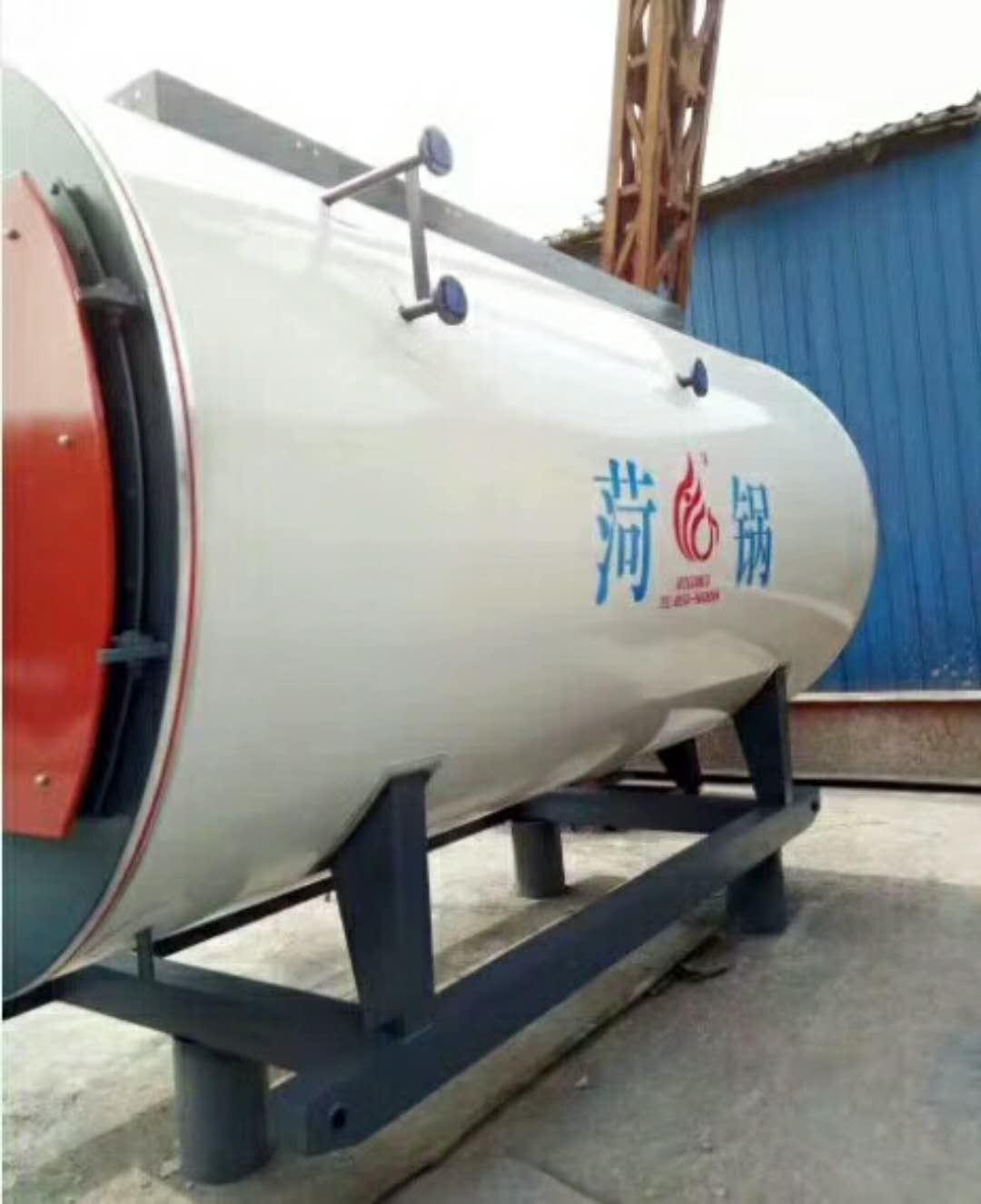

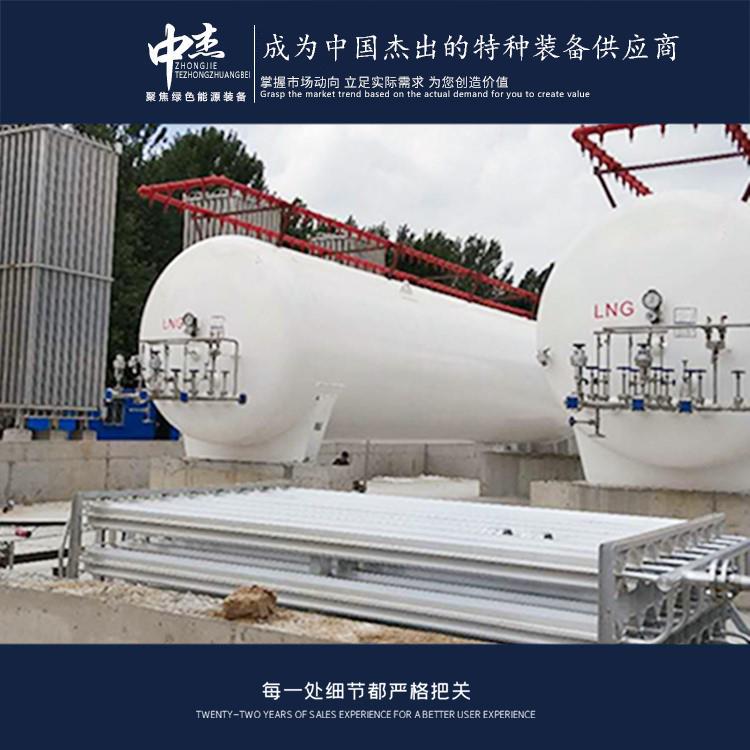
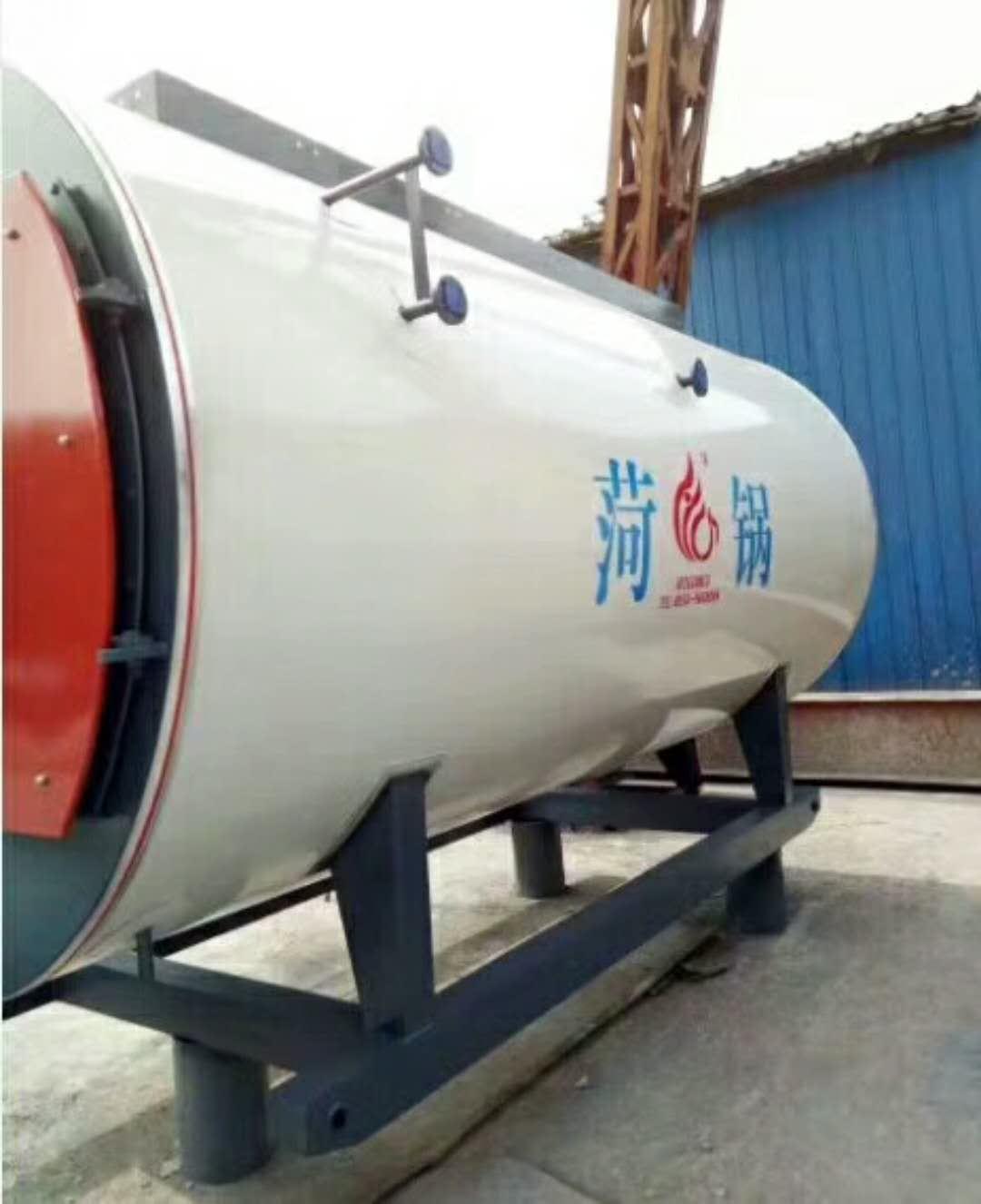



















Shandong Zhongjie Special Equipment (formerly Heze Boiler Factory Co., Ltd.) holds an A-grade boiler manufacturing license, an A2-grade pressure vessel manufacturing license, an A2-grade pressure vessel design license, a B-grade boiler installation license, and GB2/Class, GC2/Class pressure pipeline installation licenses, as well as a mechanical and electrical equipment installation contracting license. It is a member of the China Boiler and Water Treatment Association, the China Chemical Equipment Association, and the理事 unit of the Shandong Equipment Manufacturing Association. The company has also passed certifications for the ISO9001 Quality Management System, ISO14001 Environmental Management System, OHSAS18001 Occupational Health and Safety Management System, and the American ASME/U2 certification.
The temperature difference between the interior and exterior of a low-temperature liquid storage tank depends on multiple factors, including the tank's design, insulation performance, the temperature of the liquid, and the ambient temperature outside. Generally, the temperature inside the low-temperature liquid storage tank is much lower than the ambient temperature outside.
Low-temperature liquid storage tanks are commonly used for storing liquefied nitrogen, oxygen, argon, and other low-temperature liquids. These liquids have very low boiling points, usually below -100 degrees Celsius. To maintain the low temperature of the liquids, the storage tank must have excellent insulation properties to minimize heat transfer and evaporation loss.
Low-temperature liquid storage tanks typically offer lower temperature variations. Generally, the internal temperature of the tank can be maintained near the boiling point of the liquid, usually several dozen degrees cooler than the ambient external temperature. The specific temperature difference depends on the tank's design and insulation properties, as well as the characteristics of the liquid.
Note that the temperature differences in low-temperature liquid storage tanks may change over time. As time passes, the insulating material's performance may be affected by wear or aging, leading to increased temperature differences. Therefore, regular inspections and maintenance of the tank's insulation are crucial to ensure its effective and stable insulating performance.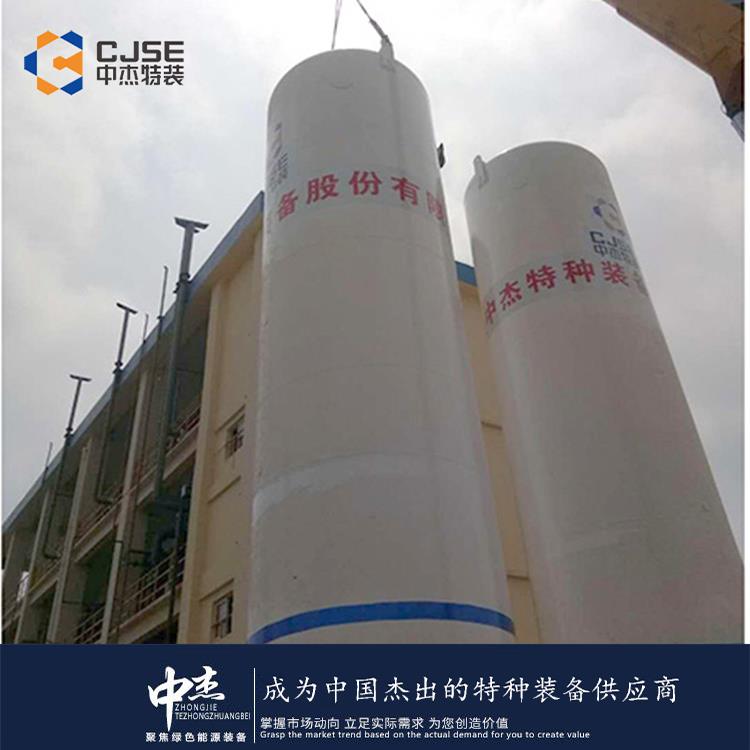
The spacing regulations between liquid oxygen storage tanks are typically governed by relevant safety standards and specifications to ensure safe distances and fire separation between the tanks. The following is a reference for general spacing rules for liquid oxygen storage tanks:
Horizontal spacing between tanks: The horizontal spacing between liquid oxygen tanks is typically required to maintain a certain distance to prevent heat transfer and mutual influence between tanks. The specific spacing should be determined based on factors such as tank capacity, pressure, and arrangement, with a general recommendation to maintain a safe distance to ensure safe operation and maintenance between tanks.
Tank and building separation: The spacing between liquid oxygen tanks and buildings or other facilities must also comply with relevant safety requirements. This is to prevent any danger to surrounding buildings or facilities in the event of tank leaks or accidents. Specific spacing requirements will depend on factors such as the tank's capacity, pressure, and the surrounding environment, and it is generally recommended to maintain a safe distance.
Fire separation: It is crucial to maintain adequate fire separation between liquid oxygen tanks and between tanks and buildings. Liquid oxygen has a high oxygen content and is highly flammable; in the event of a leak or accident, it could ignite a fire. Therefore, liquid oxygen tanks should be kept at a certain distance from other facilities to ensure that a fire does not spread or pose a danger to the surrounding environment.
It's important to note that specific liquid oxygen tank spacing regulations may vary by region or industry. When designing, arranging, and operating liquid oxygen tanks, adhere to local safety standards and regulations, and consult with experts for accurate guidance.
The reasons for not leaving liquid oxygen tanks empty for long periods mainly include:
Evaporation Loss of Liquid Oxygen: Due to its low boiling point, liquid oxygen will continuously evaporate if left unused for extended periods, resulting in a loss of liquid oxygen within the storage tank. The evaporation rate of liquid oxygen is rapid, with daily evaporation amounts potentially reaching several percent of the tank's capacity, leading to waste if left unused for long durations.
Safety Risk: Liquid oxygen is a strong oxidizer with high flammability and explosive properties. Prolonged empty storage of liquid oxygen tanks increases the likelihood of contact between the liquid oxygen and the surrounding environment, thereby raising the risk of accidental fires and explosions.
Tank damage risk: Long-term emptying of liquid oxygen tanks can lead to internal oxidation reactions, accelerating tank corrosion and damage. Tank damage affects its sealing performance and structural strength, increasing the risk of leaks and safety accidents.
Therefore, to ensure the safe storage and effective utilization of liquid oxygen, the liquid oxygen tank should be regularly maintained and serviced, avoiding long-term empty storage. When the tank is not in use, appropriate measures should be taken, such as sealing the tank and reducing evaporation of liquid oxygen, to minimize the loss of liquid oxygen and safety risks.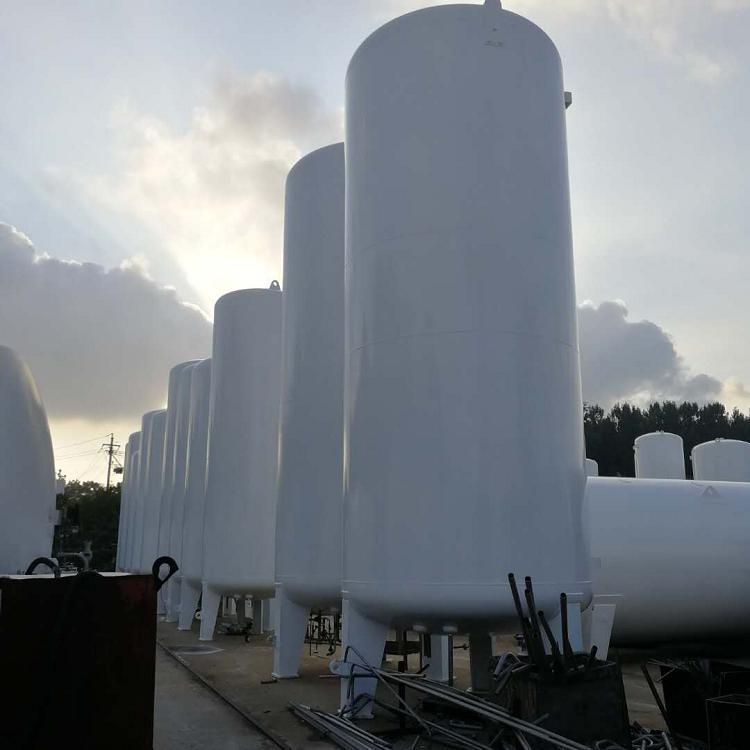
The materials used for liquid oxygen storage tanks typically require excellent low-temperature resistance and corrosion resistance. Common materials for manufacturing liquid oxygen storage tanks include:
Stainless Steel: Commonly used for liquid oxygen storage tanks, stainless steel boasts excellent corrosion resistance and mechanical strength. Popular stainless steel grades include 304 and 316.
Aluminum Alloy: Aluminum alloys are often used in the production of liquid oxygen tanks due to their low density and excellent corrosion resistance. Common aluminum alloy materials include 5083 and 6061 aluminum alloys.
Fiberglass Reinforced Plastic (FRP): FRP is a composite material composed of glass fibers and resin. It boasts excellent corrosion resistance and mechanical strength, making it suitable for liquid oxygen storage tanks in certain special environments.
Carbon Steel: Carbon steel is a common material used in the construction of tanks, known for its high strength and corrosion resistance. However, it is prone to oxidation in liquid oxygen environments, necessitating anti-corrosion measures.
It's important to note that the choice of materials for liquid oxygen tanks should be determined based on specific application requirements, working conditions, and safety standards. When selecting materials, consider the properties of liquid oxygen and the design requirements of the tank to ensure safety and reliability. Additionally, manufacturers and suppliers often provide material selection advice and technical support.
Shandong Zhongjie Special Equipment, welcome customers to visit our factory for cooperation negotiations.
WeChat Official Account

Scan to follow Official Account




















