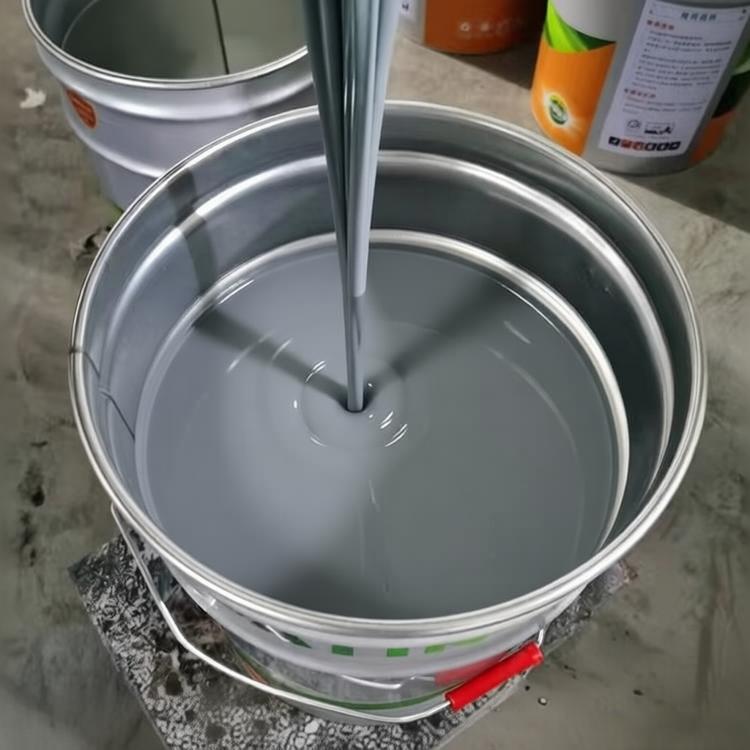


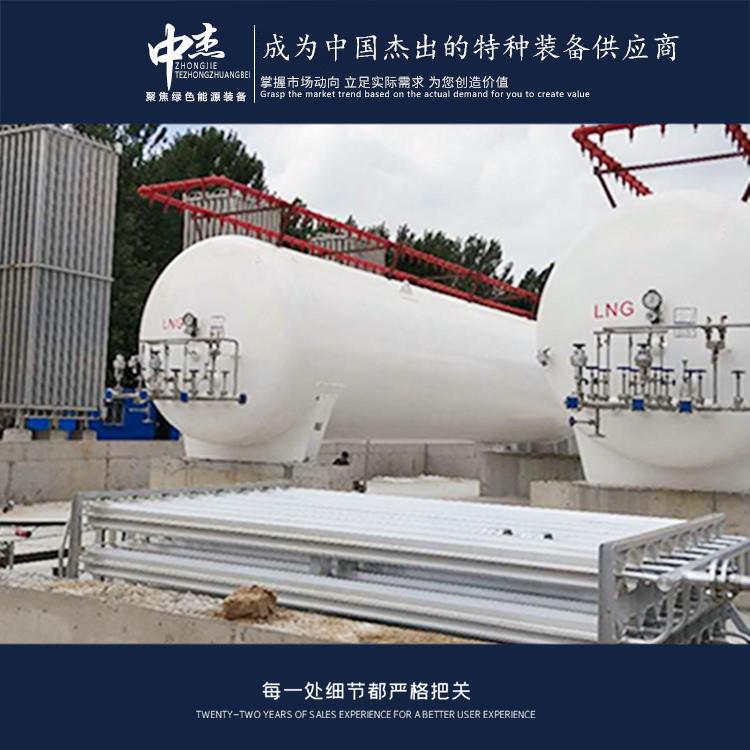

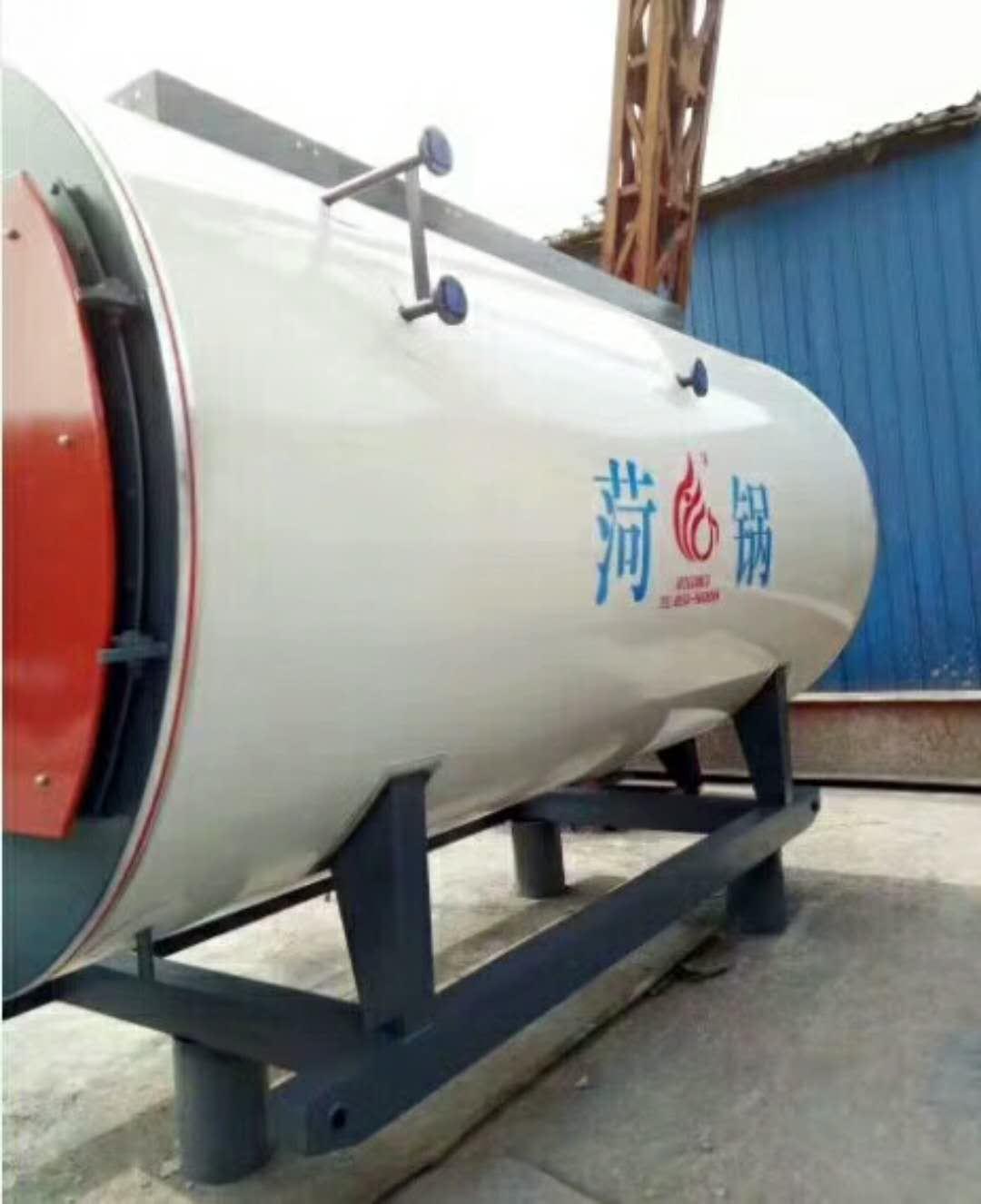
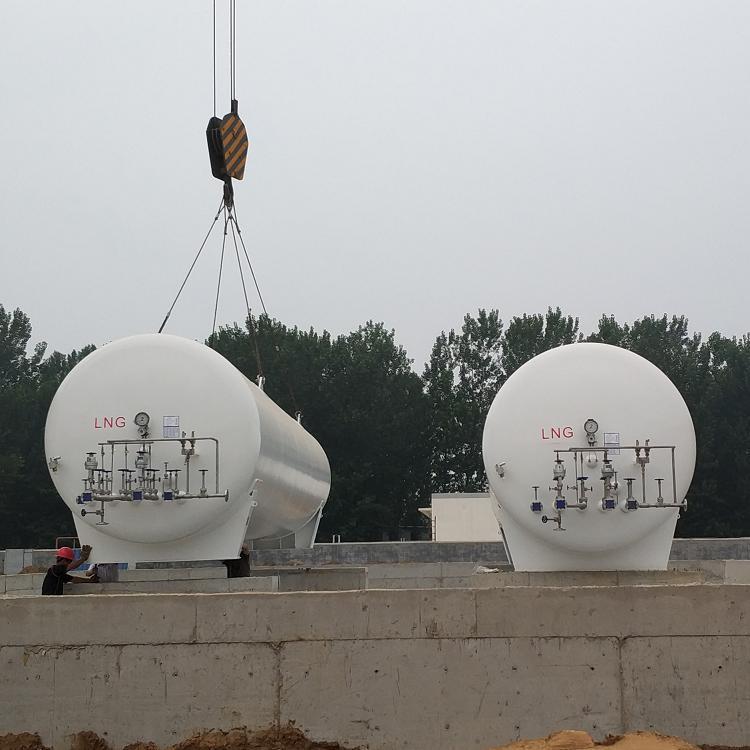



















Shandong Zhongjie Special Equipment (formerly Heze Boiler Factory Co., Ltd.) was established in 2001, located at No. 2218 Jinnan Road, Economic and Technological Development Zone, Heze City. With a registered capital of 50 million yuan and total assets of 500 million yuan, the company operates seven business centers: boiler manufacturing, deep-freezing containers, pressure vessels, central air conditioning, engineering installation, international trade, and Internet of Things. It has three factory sites on Jinnan Road, East Changjiang Road, and Bohai Road, covering a total area of 200,000 square meters, with the main workshop spanning 83,000 square meters. The company currently employs 710 people, including 247 engineers and technicians and 82 middle-level technical personnel. In December 2016, it was recognized as a "High-tech Enterprise" by the Science and Technology Department. In June 2021, it was identified as a "Specialized and New Enterprise in Shandong Province" by the Ministry of Industry and Information Technology. In June 2022, it was recognized as a "Deer Enterprise in Shandong Province" and in August 2022, it was identified as a "Specialized and New Small Giant Enterprise" by the Ministry of Industry and Information Technology.
Low-temperature liquid storage tanks are equipment used for storing low-temperature liquids, commonly used for storing liquid oxygen, liquid nitrogen, liquid argon, and other low-temperature liquids. These liquids exist in a gaseous state at room temperature but are cooled to a liquid state under low temperatures for better storage and usage. These tanks are typically made of high-strength materials such as stainless steel or aluminum alloys to withstand low temperatures and high pressures. The interior of the tanks usually features insulation to minimize evaporation and maintain the low-temperature state. Applications of low-temperature liquid storage tanks include but are not limited to the following areas: They are widely used in rocket engines and propulsion systems, such as liquid oxygen, liquid nitrogen, and liquid hydrogen tanks, for storing and supplying low-temperature liquids as fuel and oxidizers to propel and operate the engines. Industrial Production: Low-temperature liquid storage tanks are utilized in industrial production for storing and supplying low-temperature liquids like liquid oxygen, liquid nitrogen, and liquid argon. These liquids serve as coolants, raw materials for gas separation, and reactants in chemical reactions, among other uses. Medical Applications: Low-temperature liquid storage tanks are used in medical fields to store and supply liquid oxygen for oxygen therapy, inhalation therapy, and operating rooms. Laboratory Research: In scientific research and laboratories, low-temperature liquid storage tanks are employed to provide low-temperature liquids as coolants and freezing media. They are used for cooling laboratory equipment, material research, superconductivity, and low-temperature physics, among other areas. In summary, low-temperature liquid storage tanks have extensive applications in fields such as space exploration, industrial production, and laboratory research, for storing and supplying low-temperature liquids to meet the needs of various industries.
When storing liquid nitrogen in low-temperature storage tanks, be mindful of the following points:
Protective Gear: When operating low-temperature storage tanks, it is mandatory to wear appropriate protective gear, including gloves, protective clothing, and non-slip shoes. This gear safeguards the skin from the low temperatures of liquid nitrogen and other hazards.
Avoid direct contact: Liquid nitrogen is extremely cold and can cause chilling. Therefore, it should be avoided to come into direct contact with liquid nitrogen, especially with the skin. Use tools or utensils for handling to prevent direct hand contact with liquid nitrogen.
Ventilation Requirements: In the operation area of low-temperature storage tanks, adequate ventilation must be ensured to expel gases produced by the evaporation of liquid nitrogen. Maintain air circulation to avoid excessive oxygen concentration, reducing the risk of fire and explosion.
Prevent Leaks: Regularly inspect the low-temperature storage tanks for leaks and equip them with leak detection and alarm systems. In case of a leak, take immediate action to control and repair it. Avoid the hazards of liquid nitrogen leaks to personnel and the environment.
Fire Prevention Measures: Liquid nitrogen has a low boiling and freezing point, which is prone to causing fires. Measures such as setting up fire barriers around low-temperature storage tanks and using fire-resistant coatings are taken to prevent fires from occurring and spreading.
Electrostatic Protection: Electrostatic buildup in low-temperature storage tanks may cause sparks, increasing the risk of fire. Measures should be
The use of liquid oxygen storage tanks requires particular attention to the following safety measures:
Training: Operators of liquid oxygen tanks must undergo training to understand the properties of liquid oxygen, safety operating procedures, and emergency response measures. Only trained personnel are authorized to handle liquid oxygen tanks.
Safety Operating Procedures: Establish and adhere to the safety operating procedures for liquid oxygen storage tanks, including proper operational procedures, protective measures, and emergency response plans. Ensure operators follow the procedures to minimize accident risks.
Safety Measures: When using liquid oxygen tanks, it is mandatory to take necessary safety precautions, such as wearing protective gloves and suits. Avoid direct contact with liquid oxygen to prevent coldness.
Leakage Control: Regularly inspect the liquid oxygen storage tank for leaks and equip with leak detection and alarm systems. In case of a leak, take immediate action to contain it and proceed with repairs.
Fire Prevention Measures: Liquid oxygen has a high oxygen content and is prone to cause fires. Measures such as setting up fire walls around the liquid oxygen storage tanks and using fire-resistant coatings are taken to prevent the occurrence and spread of fires.
Electrostatic Protection: The accumulation of static electricity in liquid oxygen tanks may cause sparks, increasing the risk of fire. Measures such as using electrostatic conductive materials and anti-static equipment are taken to reduce the accumulation and release of static electricity.
Ventilation Requirements: Ensure adequate ventilation within the enclosed space of the liquid oxygen storage tank to expel vaporization from the liquid oxygen.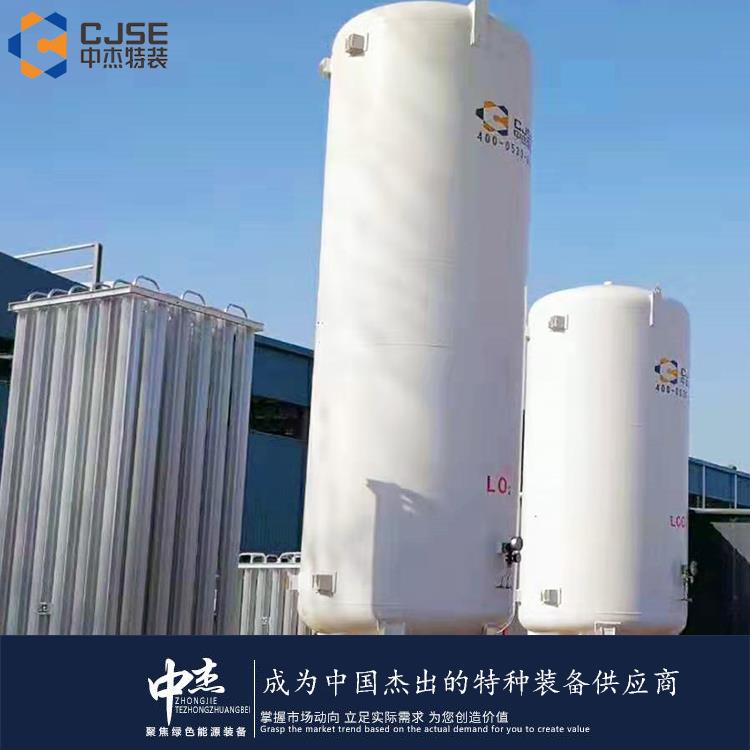
In the welding process of low-temperature liquid storage tanks, controlling the occurrence of welding cracks is crucial. The following are some methods and measures for controlling welding cracks:
Appropriate Welding Techniques: Selecting the appropriate welding process and parameters helps reduce welding heat input and thermal stress. Methods with low heat input, such as pulsed welding and laser welding, can lower the temperature gradient and residual stress in the heat-affected zone.
Preheating and Post Heat Treatment: Perform proper preheating before welding to enhance material toughness and reduce thermal stress. After welding, carry out appropriate post heat treatment, such as annealing or stress-relief heat treatment, to minimize residual stress and improve weld toughness.
Select appropriate welding materials: Choose welding materials with good toughness and crack resistance to minimize the occurrence of welding cracks. Select suitable welding materials based on the storage tank's usage conditions and requirements, such as low-alloy steel, stainless steel, etc.
Control Welding Process: Regulate parameters and operations during the welding process to minimize the risk of welding cracks. Pay attention to factors such as welding speed, current, voltage, and welding sequence to avoid overheating or rapid welding, reducing the accumulation of thermal and residual stresses.
Non-destructive Testing and Evaluation: After welding is completed, conduct non-destructive tests on the welds, such as ultrasonic testing and X-ray testing, to assess welding quality and the presence of cracks. Promptly identify and repair welding cracks to ensure the integrity and safety of the weld joints.
It's important to note that controlling welding cracks is a complex process that requires considering multiple factors such as material, welding techniques, and operations. When welding low-temperature liquid storage tanks, it's advisable to consult with a welding engineer or relevant institutions for guidance to ensure both welding quality and tank safety.
Shandong Zhongjie Special Equipment, welcome customers for factory discussions and collaborations.
WeChat Official Account

Scan to follow Official Account